REVIEW · KAGOSHIMA
Kagoshima Aquarium Admission Ticket
Book on GetYourGuide →Operated by GlobalTix JP · Bookable on GetYourGuide
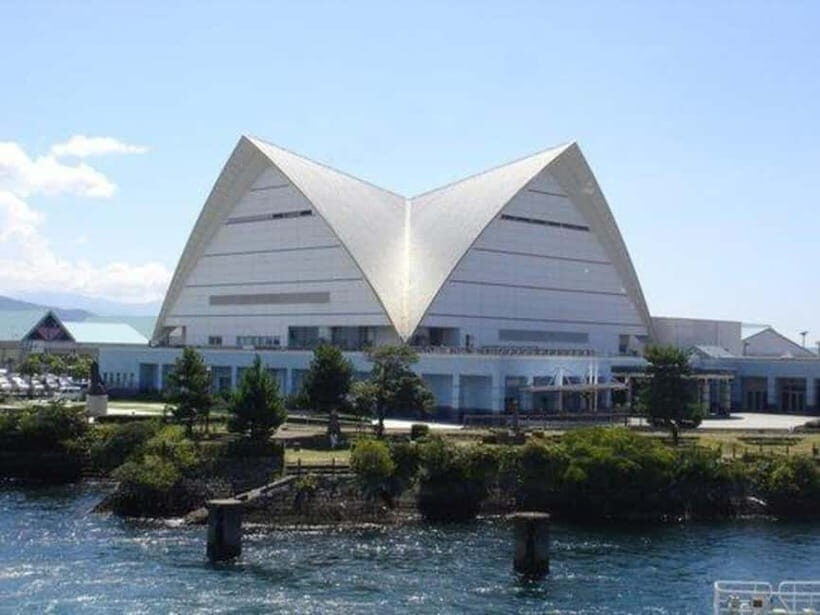
The whale shark steals the show. Kagoshima Aquarium (Io World) sits right on Kinko Bay, and even before you’re deep into the exhibits you get big-animal wonder plus serious scenery with Sakurajima Volcano in the background. It’s a one-day ticket, self-paced, and built for both kids and adults who just want to look closely at marine life without turning it into a homework assignment.
I especially like the giant whale shark tank—it’s the kind of exhibit that makes everyone slow down. I also really enjoy the dolphin performances, because the shows add movement and personality to a day that can otherwise be mostly walking and reading signs.
One consideration: it’s listed as not suitable for wheelchair users, so if mobility is a factor, plan extra time and double-check the route before you commit.
In This Review
- Key things I’d focus on at Io World
- Kagoshima Aquarium’s ocean view: why this place works as a full day
- The whale shark tank: start here if you only do one big thing
- Dolphin performances: agility you’ll remember longer than you expect
- Reef and deep-sea ecosystems: treat it like a depth journey
- Touch pools: the best interactive moment, with strict rules
- Kinko Bay and Sakurajima Volcano views: take the breaks on purpose
- Price and value: $13 for a self-guided 1-day aquarium
- A quick note on booking pressure
- Practical rules that affect your day (and what to bring)
- Who this works best for (and who should think twice)
- Should you book the Kagoshima Aquarium ticket?
- FAQ
- How much is the Kagoshima Aquarium ticket?
- Where do I redeem the ticket?
- How long is the ticket valid?
- Is a guide included with admission?
- Can I bring food, drinks, or large bags?
- Are flash photography and tripods permitted?
Key things I’d focus on at Io World
- The whale shark: go early so you get the best viewing rhythm.
- Dolphin performances: watch for show times and build your route around them.
- Coral reef and deep-sea exhibits: treat them like a “shallow-to-deep” storyline.
- Touch pools: use the interactive areas, but only where staff says it’s allowed.
- Kinko Bay + Sakurajima views: take breaks with the coastline scenery.
- Photo and bag rules: save yourself stress by packing light and following the do’s and don’ts.
Kagoshima Aquarium’s ocean view: why this place works as a full day
Kagoshima Aquarium (Io World) is the rare attraction where the setting is part of the experience, not just a backdrop. You’re by Kinko Bay, with Sakurajima looming nearby, so even your walk between exhibits feels like a breather. That matters because aquariums can get repetitive fast; here, the scenery gives you a reset.
You’ll spend your time moving through themed areas—starting with jaw-dropping big tanks and continuing into smaller displays focused on different marine ecosystems. Since this is a standard admission ticket with no guide included, you control the pace. I like that. You can linger where you care and skip where you don’t.
The best way to enjoy Io World is to think in two layers: the animals you came for (whale shark and dolphins) plus the “how marine life fits together” layer (reef and deep-sea ecosystems). If you do both, the day feels complete.
You can also read our reviews of more tours and experiences in Kagoshima.



The whale shark tank: start here if you only do one big thing
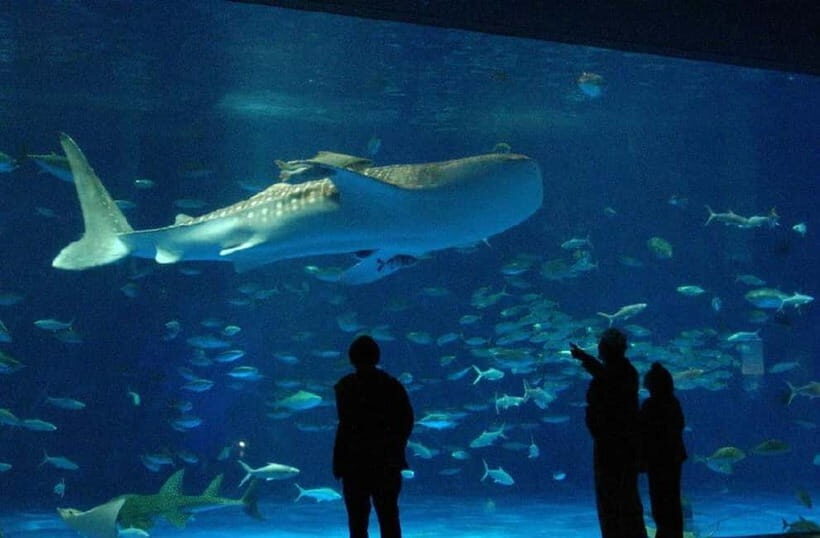
If you care about one exhibit more than anything else, make it the majestic whale shark viewing. The whale shark tank is the main headline at Kagoshima Aquarium, and it’s exactly the kind of exhibit that changes your mood. Instead of rushing, you’ll probably find yourself standing still—because it’s hard not to.
Why it’s worth structuring your day around it: whale shark viewing tends to be the first “wow” moment, and that sets the tempo for everything else. If you see it too late, you can end up tired right before the rest of the good stuff. If you see it early, you’re mentally in place to enjoy the smaller displays afterward.
Practical tip: go with patience. You’re not just looking at an animal behind glass; you’re watching its slow movement in a large habitat. Even if you’re not a “marine nerd,” it’s still mesmerizing in a very straightforward way.
Dolphin performances: agility you’ll remember longer than you expect
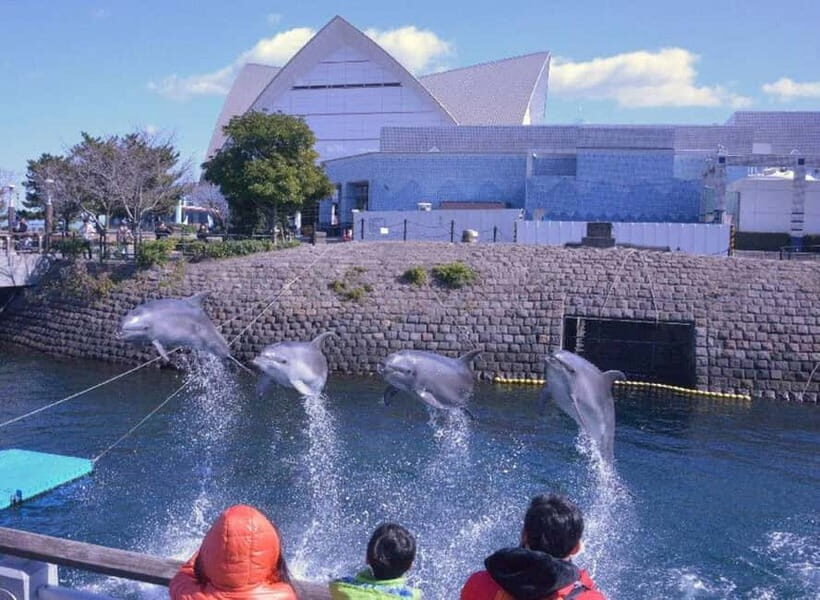
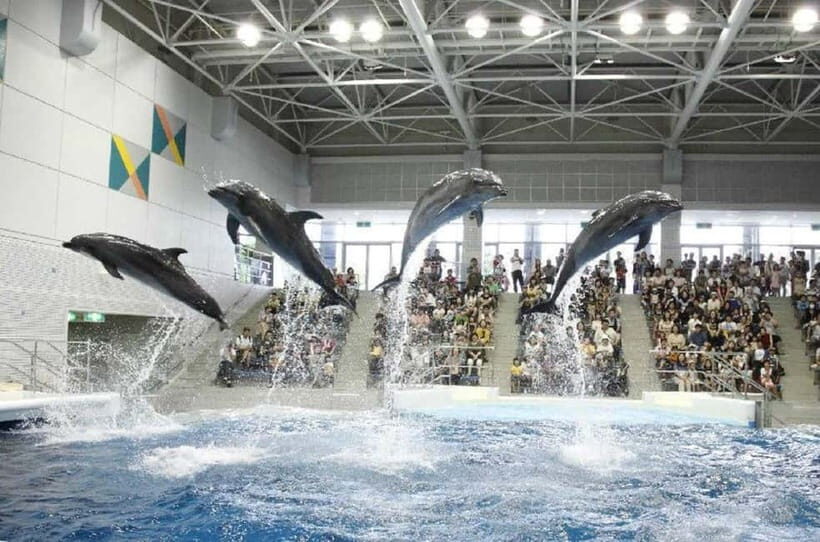
Next up are the dolphin performances, and this is where Io World gets extra fun. Dolphins give you energy on a schedule, and they turn a self-guided aquarium into something you can plan around.
The show is a chance to see more than tricks. You’ll notice their agility and the way they interact with their environment, which helps you connect the dots between the exhibits. After the performance, the rest of the aquarium feels less like separate tanks and more like one big marine story.
How I’d time it: build your route so you’re not scrambling to get seats. Then, after the show, go straight into the reef and deep-sea areas while your attention is still sharp. That “momentum” makes the smaller exhibits more enjoyable instead of background noise.
Reef and deep-sea ecosystems: treat it like a depth journey
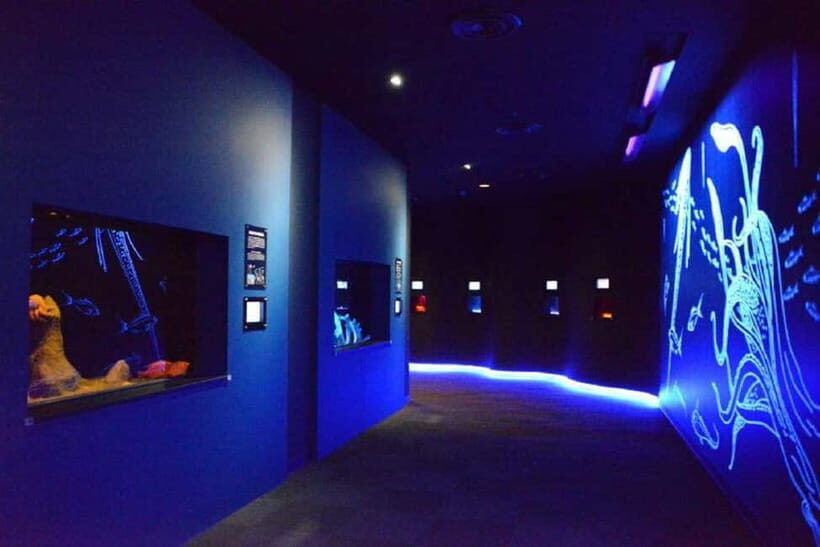
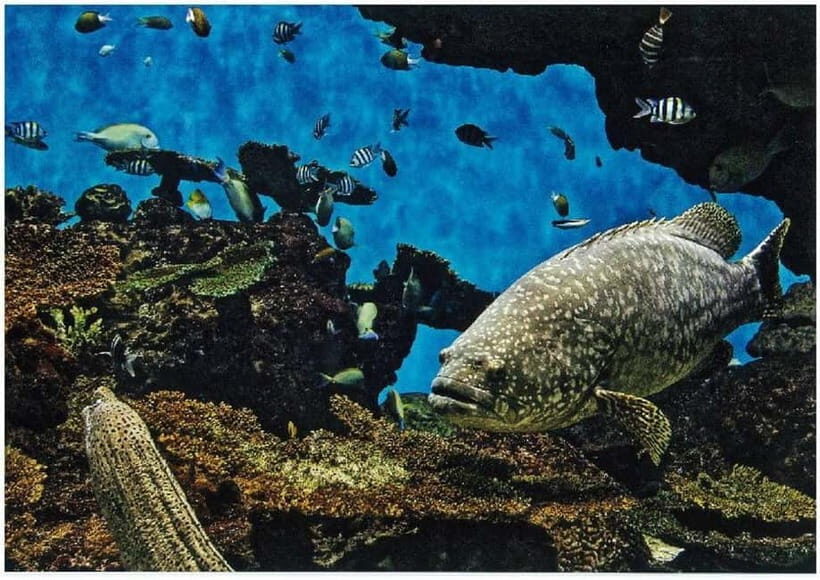
One of the most satisfying parts of Io World is the way it moves from the more visible, reef-style world into deeper marine ecosystems. The aquarium layout gives you a sense of variety—everything from coral reef life to animals connected to the deeper ocean.
Why this matters: you start to realize marine habitats aren’t interchangeable. Different conditions shape different behaviors and body designs. Even if you only skim exhibit text, the visuals do the teaching.
I recommend slowing down in these zones and picking one thing to focus on per room: a fish shape, a color pattern, or how different species share space. That simple approach makes the day feel like learning without feeling like school.
Touch pools: the best interactive moment, with strict rules
The touch pools are the hands-on area, and they’re a highlight for kids and adults who like getting close—within the rules. This is your chance to interact with fascinating sea creatures, but it comes with clear boundaries.
Here’s the key rule: touching animals is prohibited except in designated interactive areas like the touch pool. So don’t assume you can reach into exhibits where you see wildlife. Staff control the safe areas, and the whole setup is designed to keep animals and visitors protected.
Also note: feeding the animals is not allowed unless part of an official program. That means your experience is observation and touch (in the right places), not a free-for-all snack situation.
If you’re traveling with family, this is where you’ll get the most “I want to do that” energy. Build in time so you’re not rushing when you reach it.


Kinko Bay and Sakurajima Volcano views: take the breaks on purpose
Between exhibits, don’t just walk. Look out toward Kinko Bay and the sightline of Sakurajima Volcano. These views are a real feature of the day, not filler.
Why it helps: aquariums are visually intense. After a big tank and a show, your brain needs a quieter input. Ocean and volcano views are perfect for that, and they add a Kagoshima flavor you won’t get at a typical aquarium in another city.
So I’d pace it like this: big animal tank → show → reef/deep zones → touch pool → view break. You’ll stay comfortable and keep your attention on what’s actually happening around you.
Price and value: $13 for a self-guided 1-day aquarium
At about $13 per person, Kagoshima Aquarium is priced like a solid day activity rather than a premium experience. Since this ticket includes standard admission (and there’s no guide included), you’re paying for access to the exhibits and facilities, not interpretation from staff on demand.
The value mostly comes from three things:
- The whale shark tank (big “main attraction” payoff)
- Dolphin performances (scheduled entertainment)
- Hands-on touch pool areas (interactive, not just passive viewing)
Because the experience is self-guided, you also control the time you spend. The ticket is valid for 1 day, so if you enjoy the slow stroll style of exploring, you can take your time without feeling trapped by a tight group itinerary.
If you’re short on time in Kagoshima, this still works as a single-day stop. If you’re a big aquarium fan, you can easily turn it into a longer, more relaxed day—just don’t schedule something exhausting right after.
A quick note on booking pressure
One practical warning: there’s been at least one reported case of duplicate bookings caused by system lag during payment attempts. If you’re buying online and the checkout page stalls, don’t blindly submit again. Check your order status in the app first, then decide what to do next. With a non-refundable ticket, that step can save you stress.
Practical rules that affect your day (and what to bring)
Io World is pretty specific about what you can’t do, and those rules shape your comfort level during the visit. From a planning perspective, the big ones are:
- No food and drinks inside
- No luggage or large bags
- No drones, selfie sticks, flash photography, or tripods
- Smoking isn’t allowed
This means you’ll want to travel light. If you’re used to bringing a camera setup or snack pouch, adjust your expectations before you get there. A simple day bag and normal phone photos (without flash) should keep things smooth.
Also, touching animals is only allowed in the designated touch pool areas. Elsewhere, keep hands to yourself, even if an exhibit looks inviting.
Finally, follow staff instructions and keep noise down. The aquarium experience works best when people move politely and don’t block views for long stretches.
Who this works best for (and who should think twice)
This is a strong choice if you want a clear list of highlights: whale sharks, dolphins, reef/deep-sea exhibits, touch pools, plus iconic views of the bay and volcano. It’s also a good family option because the interactive touch pool and the dolphin show naturally create a shared “event” moment.
It’s less ideal if you need accessibility that isn’t guaranteed. While it’s listed as wheelchair accessible, it’s also marked as not suitable for wheelchair users. That contradiction is exactly why I’d treat this as a “check first” situation if you use a wheelchair or mobility aid.
Also, if you’re the type of visitor who hates rules around cameras, bags, and food, this might feel restrictive. The rules aren’t surprising for an aquarium, but they’re strict enough to change how you pack.
Should you book the Kagoshima Aquarium ticket?
I’d book it if you want a one-day marine experience with real standout moments: the whale shark tank, dolphin performances, and a chance to interact in the touch pool. At around $13, the value makes sense because you’re not paying extra for a guide—you’re buying admission to multiple exhibit types plus the scheduled show.
I’d hesitate if you know you’ll struggle with the restrictions on bags or photos, or if accessibility needs are central for your trip. In that case, do a quick reality check on your route and what you can bring before you commit.
FAQ
How much is the Kagoshima Aquarium ticket?
It costs about $13 per person for standard admission.
Where do I redeem the ticket?
Proceed directly to Kagoshima Aquarium for redemption. The coordinates are 31.5960577, 130.5646969.
How long is the ticket valid?
The ticket is valid for 1 day.
Is a guide included with admission?
No. A guide is not included.
Can I bring food, drinks, or large bags?
No. Food and drinks aren’t allowed, and luggage or large bags aren’t allowed.
Are flash photography and tripods permitted?
No. Flash photography, tripods, and selfie sticks aren’t allowed, and drones are also prohibited.