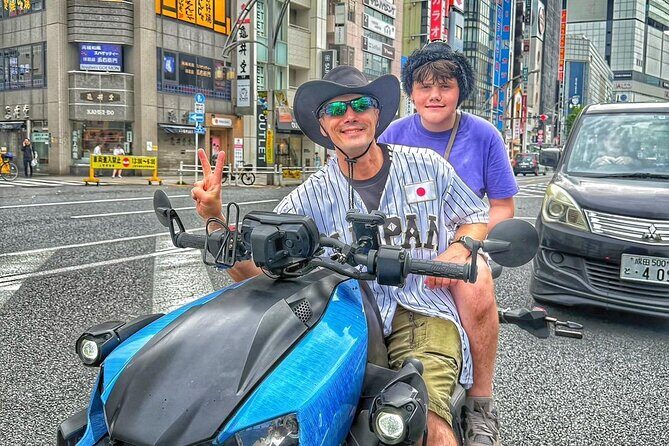
Cycling Tokyo feels like speed-dating history. In about three hours, you cover roughly 18 kilometers on a bike/e-bike, with a live guide and plenty of photo stops that you’d never stitch together on foot.
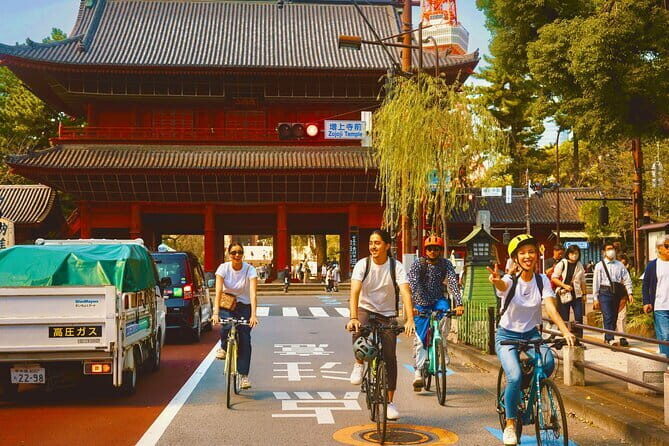
Two things I really like: the route pulls together major landmarks and still leaves time for the in-between views, including that classic Zojo-ji shot with Tokyo Tower in the background. And the group stays small, so guides like Show and Naoki can actually answer questions while you roll from Minato toward Shibuya.
One drawback to consider: you do need to feel comfortable riding in city conditions with cars and pedestrians nearby. Also, this is more highlights-with-detours than totally obscure sightseeing, so if you expect only truly off-the-map places, set your expectations before you go.
In This Review
- Key things you’ll notice on this Tokyo bike tour
- Why This 3-Hour Ride Works Better Than Walking in Tokyo
- Meeting Spot, Bikes, and the Real-World Comfort Check
- Stop-by-Stop: Zojo-ji, Imperial Palace Gates, and Tokyo Station
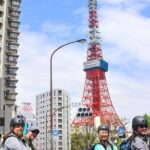
- Zojo-ji Temple and the Tokyo Tower photo moment
- The Imperial Palace area: guards, gates, and ceremonial architecture
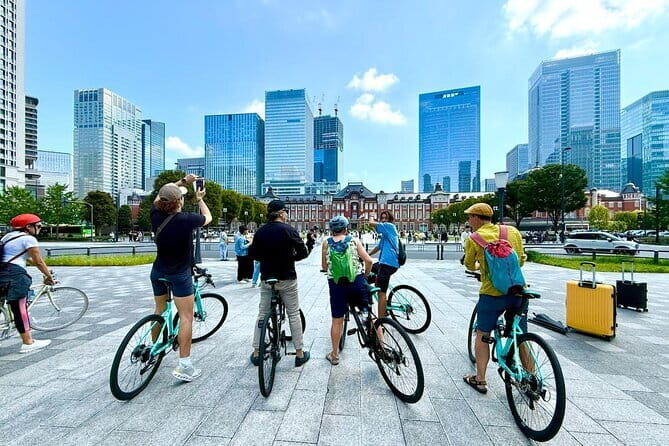
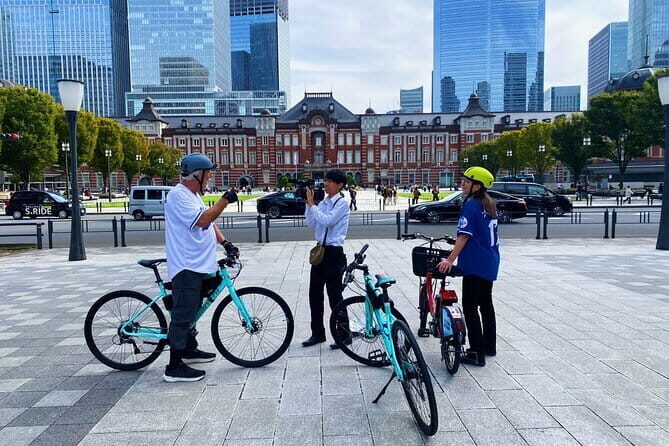
- Tokyo Station Marunouchi: red-brick drama in the middle of modern Tokyo
- Akasaka Palace to Japan National Stadium: Short Stops That Add Context
- Akasaka Palace (State Guesthouse)
- Japan National Stadium and the Olympic legacy
- Aoyama Street, Shibuya Cat Street, and the Streets That Define the Vibe
- Aoyama Street: fashion-forward architecture
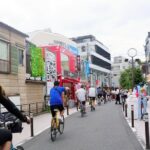
- Shibuya Cat Street and the fashion lane energy
- Biking Through Shibuya Crossing and Ending Near Yoyogi Park
- E-Bike vs. Regular Bike: Choose the Option That Matches Your Comfort
- The Guide Factor: How Names Like Show and Naoki Change the Tour
- Photos, Timing, and How to Get the Most From the 3 Hours
- Should You Book This Tokyo Bike Tour? My Honest Take
- FAQ
- How long is the Tokyo bike or e-bike tour?
- How far will we ride?
- What size is the group?
- Are e-bikes available, and is food included?
- What helmet options are there?
- Where do we start and where does the tour end?
- What happens if the weather is bad?
Key things you’ll notice on this Tokyo bike tour
- About 18 km in 3 hours: enough distance to feel like a full Tokyo taste, not just a slow ride.
- Small group max of 7: easier pace control and more time for questions at stops.
- Classic photo anchors: Zojo-ji with Tokyo Tower, Imperial Palace gates, and Shibuya Crossing by bike.
- E-bike option really helps: especially with Tokyo’s hills and warm weather days.
- Helmet isn’t included: rental costs ¥1000, so bring cash if you want one.
- Ends near Harajuku/Yoyogi: you can roll straight into shopping and food afterward.
Why This 3-Hour Ride Works Better Than Walking in Tokyo
Tokyo is big. Even the “close” sights can eat your time with train lines, crossings, and backtracking. This tour solves that by using a bicycle (or e-bike) so you stay in motion and still get stops worth hopping off for.
It’s also a safety-and-comfort win. You’re not solo threading the streets while trying to read directions on your phone. A guide keeps the group together and sets the rhythm, which matters when you’re covering 18 kilometers in a short window.
Finally, it’s an efficient way to get your bearings. By the time you reach Shibuya, you’ll understand where neighborhoods sit relative to each other, instead of just seeing random attractions.
You can also read our reviews of more cycling tours in Tokyo
Meeting Spot, Bikes, and the Real-World Comfort Check
The tour starts at Shiba Park in Minato City, with the exact meeting location listed at Shibakōen, near the Shiba Park area. The ride ends near Yoyogi Park / Harajuku in the Jinnan shopping and dining area, with easy walking access to both Yoyogi Park and Shibuya Station.
You’ll ride as a small group (up to 7 travelers), and you’ll have an in-person guide in English and Japanese. They also provide a mini pouch for your phone/wallet/keys and a raincoat if it’s raining.
Here’s the practical part you shouldn’t ignore: the tour is marked for travelers with moderate physical fitness, and reviews make it clear that you should be comfortable biking among city pedestrians and traffic. If you’re nervous about that, choose the e-bike and keep your focus on staying smooth and predictable.
Helmet details: a helmet isn’t included, but you can rent one for ¥1000 if you bring cash. (If you think you’ll want it, don’t wait until the last second.)
Stop-by-Stop: Zojo-ji, Imperial Palace Gates, and Tokyo Station
This ride is built around photo-ready, high-recognition stops, with quick context so you don’t feel like you’re just “passing landmarks.” Expect short breaks, fast explanations, and enough time to take pictures without turning the tour into a long parade of standing still.
Zojo-ji Temple and the Tokyo Tower photo moment
You start at Zojo-ji, one of Tokyo’s famous temples. The highlight is the photo: when you line up the scene correctly, Tokyo Tower becomes a perfect backdrop.
If the temple is open during your visit window, you may be able to go inside and see the structure up close. Even when you don’t, the area gives you a sense of how Tokyo’s modern skyline and historic sites overlap.
The Imperial Palace area: guards, gates, and ceremonial architecture
Next come the Imperial Palace viewpoints. You’ll see the entrance area and catch a look at the guards, plus a key photo stop at the Otemon Gate (the palace’s main entrance).
This is a good moment to slow down mentally. The guide’s stories help you understand what you’re seeing: not just walls and doors, but the idea of imperial space and formality in the city.
You can also read our reviews of more city tours in Tokyo



Tokyo Station Marunouchi: red-brick drama in the middle of modern Tokyo
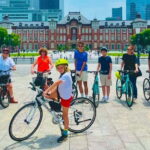
Then you reach Tokyo Station in the Marunouchi area. The standout is the red-brick facade, opened in 1914, which gives you a visual jolt in a city full of sleek towers.
It’s a short stop, but it’s a useful one. You’ll leave knowing why this building matters and how it anchors a major transportation hub that millions use.
Akasaka Palace to Japan National Stadium: Short Stops That Add Context
After the big names, the tour adds a couple of shorter, purpose-driven stops. They’re brief by design, which keeps your riding time efficient.
Akasaka Palace (State Guesthouse)
You’ll see Akasaka Palace, originally built as a royal villa and now used as a state guesthouse. This stop is short, and the ticket part is on you: admission isn’t included.
Even if you don’t get much time inside (or if entry isn’t available during your window), it’s still valuable because the guide connects the palace’s role to Japan’s modern state use.
Japan National Stadium and the Olympic legacy
Next is Japan National Stadium, where the 2020 Tokyo Olympic and Paralympic games took place. This stop works well because you can picture the scale of the venue without having to commit to a full stadium visit.
It’s a nice “time capsule” moment: a modern landmark that still reads as part of Tokyo’s identity, not just sports trivia.
Aoyama Street, Shibuya Cat Street, and the Streets That Define the Vibe
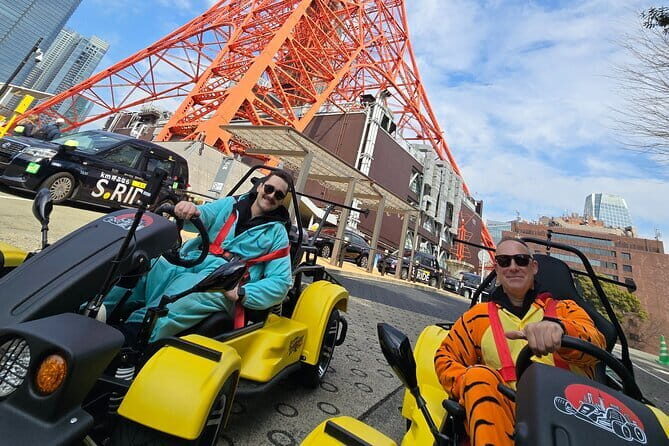
Now you’re rolling into neighborhoods that feel more everyday Tokyo than museum Tokyo. These stops are short, but they help you feel the texture of the city.
Aoyama Street: fashion-forward architecture
At Aoyama Street, you get a quick look at the high-end fashion area and some distinctive architecture. Think: clean storefront lines, design-forward streetscapes, and that sense of Tokyo as a style engine.
You’ll likely be snapping photos and listening for the guide’s commentary on how this part of the city grew into its modern identity.
Shibuya Cat Street and the fashion lane energy
Then it’s to Shibuya Cat Street, known for the mix of fashion shops and vintage stops. This is the kind of place where you can do a lot with a little time, as long as you use the guide’s timing to avoid losing the group.
The value here is perspective. Instead of walking in circles, you see one of Shibuya’s recognizable “shopping lanes” with an orientation you can reuse later.
Biking Through Shibuya Crossing and Ending Near Yoyogi Park
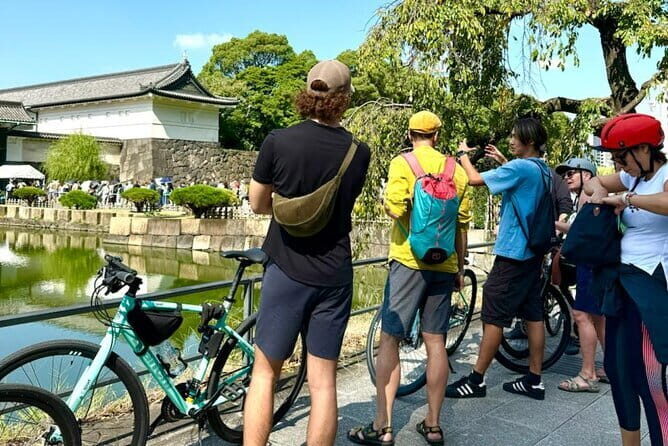
Shibuya Crossing is usually a stop you watch from the side. On this tour, you bike through the area, which changes everything.
You’ll hit the crossing and ride past it so you understand how the street flows with Tokyo’s crowd choreography. It’s one thing to photograph it. It’s another to feel how the intersections work when you’re moving.
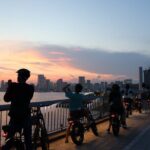
From there, you end near Yoyogi Park, close to Harajuku, in the Jinnan area. The positioning is smart: you finish with momentum. After the tour, you can keep exploring on your own—shopping, casual dining, or a relaxed park walk—without needing to replan your route.
E-Bike vs. Regular Bike: Choose the Option That Matches Your Comfort
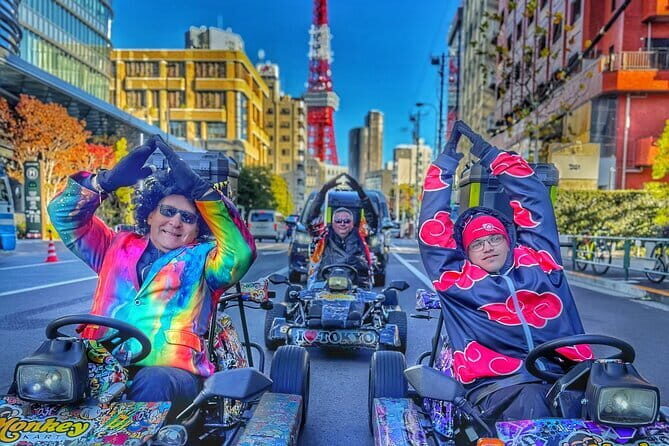
If you’re wondering whether you need an e-bike, the answer is usually: if you want an easier ride in heat or on hills, pick it. Several people mention that the e-bike made a big difference, and regular-bike riders can lag during climbs.
On a 3-hour city ride, small discomfort can compound fast. That’s why the e-bike isn’t just about speed. It’s about arriving at the stops with energy for photos and questions, instead of arriving tired.
That said, the tour isn’t only for e-bike users. One rider said they didn’t feel they needed an e-bike and the tour felt fun and easy. So if you’re a confident cyclist, you may do fine on a regular bike.
Either way, focus on smooth pedaling and staying relaxed. The guides do a lot to keep the group together, but your balance and confidence still matter.
The Guide Factor: How Names Like Show and Naoki Change the Tour

A bike tour can turn into a checklist. This one leans toward storytelling, and that’s where the experience gets memorable.
Guides such as Show and Naoki are repeatedly mentioned for giving clear perspective on Japanese culture and history, plus being easy to ask questions. That matters because Tokyo’s architecture and landmarks can look similar if you don’t know what to look for.
One detail I also appreciate: guides seem to keep the stops practical. You’re not just told to look at something. You’re given a reason to look, plus a sense of what’s important about the structure or street you’re seeing.
Photos, Timing, and How to Get the Most From the 3 Hours
Plan for short stops and quick transitions. The timing is tight enough that you’ll cover a lot, but stops aren’t so rushed that you can’t get your photos.
If you want the best results at photo moments like Zojo-ji, do your setup fast and be ready to move when the group rolls out. Tokyo changes by the minute, and the most Instagram-friendly angles can disappear when crowds shift.
Also, bring the basics that make the ride smoother: comfortable shoes, sun protection if it’s hot, and water since food and drinks aren’t included. (You’ll want to keep your energy up so you enjoy the end of the ride around Shibuya and Yoyogi.)
Should You Book This Tokyo Bike Tour? My Honest Take
Book it if you want a time-smart introduction to central Tokyo that mixes famous landmarks with street-level Tokyo energy. It’s especially good for first-timers who feel overwhelmed by all the neighborhoods and want a guided route that helps you understand how the city pieces fit together.
Skip it or reconsider if biking among traffic and pedestrians makes you uneasy, or if you’re only interested in truly obscure sightseeing. Even with detours, this route hits big names like Tokyo Station, the Imperial Palace gates, and Shibuya Crossing.
If you’re flexible, choose the bike type that matches your comfort. And if it’s a warm day, an e-bike is often the difference between tough effort and a genuinely fun ride.
FAQ
How long is the Tokyo bike or e-bike tour?
It’s about 3 hours.
How far will we ride?
You’ll cover about 18 kilometers during the tour.
What size is the group?
The tour has a maximum of 7 travelers.
Are e-bikes available, and is food included?
Yes, you can choose a bike or e-bike, and food and drink are not included.
What helmet options are there?
A helmet is not included. Rental is available for ¥1000, and the tour notes that you should bring cash if you want a helmet.
Where do we start and where does the tour end?
You start in Shiba Park (Minato City) and end in the Jinnan area between Yoyogi Park and Shibuya, with short walks to both.
What happens if the weather is bad?
The experience requires good weather. If it’s canceled due to poor weather, you’ll be offered a different date or a full refund. Raincoat is provided on rainy days.