REVIEW · OSAKA
Kyoto Top Four Highlights Day Trip from Osaka or Kyoto
Book on Viator →Operated by F Trip · Bookable on Viator
Four Kyoto icons in one smooth day. This 9-hour tour strings together Nijo Castle, Kinkaku-ji (the Golden Pavilion), Arashiyama’s bamboo and shrines, plus the famous Senbon Torii gates. It’s a packed day, but it’s built around the exact sights most people come to Kyoto for.
I love two things about it. First, the tour is structured so you get real time inside the big-ticket stops, not just a photo pass; Nijo Castle gets about an hour and Kinkaku-ji about 40 minutes. Second, the guides bring practical context and keep you moving with clear directions—people even get helpful pre-trip messages via WhatsApp, and guides like Theodore Chan, Brian, and others adjust for comfort when they can.
One consideration: major entrances cost extra. You’ll pay about ¥1,300 for Nijo-jo Castle/Ninomaru Goten Palace and ¥500 for Kinkaku-ji, and lunch is on your own, so you’ll want a little extra cash for day-of priorities.
In This Review
- Key things to know before you go
- How the tour actually feels: a highlight sprint with breathing room
- Getting picked up, check-in, and pre-trip help
- Nijo Castle: Tokugawa power made walkable
- Kinkaku-ji (Golden Pavilion): the temple that’s easy to love
- Arashiyama: nature, shrines, and the world’s most photogenic walkways
- Bamboo Forest: quick, iconic, and photo-aware
- Nonomiya Shrine: the black torii contrast
- Kimono Forest: acrylic cylinders with real photo appeal
- Togetsukyo Bridge: the landmark with a long timeline
- A fun pause: Arashiyama Rilakkuma Tea House
- Senbon Torii (Thousand Torii Gates): Fushimi Inari’s signature maze
- Price and value: what you’re paying for, and what costs extra
- Pacing, comfort, and group size (the real-world stuff)
- Who should book this Kyoto Top Four Highlights day trip
- Should you book this tour or go DIY?
- FAQ
- FAQ
- How long is the Kyoto highlight day trip?
- Do I need to pay admission fees during the tour?
- What’s included in the price?
- Is lunch included?
- Does the tour use mobile tickets?
- How many people are in the group?
- Where does the tour depart from?
- Is the tour accessible for strollers or large luggage?
- Can I cancel for a full refund?
- Is this tour suitable for most people?
Key things to know before you go
- A 9-hour highlights route that tackles Kyoto’s top trio: castle palace, Golden Pavilion, and Arashiyama
- Free admission for most Arashiyama stops, including the Bamboo Forest, Nonomiya Shrine, and Togetsukyo Bridge
- Ticket add-ons for two big sites (Nijo Castle and Kinkaku-ji) that can change your total cost
- Mobile ticket delivery, which tends to make check-in quicker
- Small-to-medium group feel capped at 45, with a coach setup that’s designed for pacing
- Guides often send WhatsApp details and may help with comfort needs like motion sickness
How the tour actually feels: a highlight sprint with breathing room
This isn’t a “wander Kyoto at your own pace” day. It’s more like a well-run museum day, except the exhibits are Shinto gates, Zen gardens, and a Tokugawa-era palace complex.
You’ll spend most of the day traveling and then landing in the right place at the right time. The big advantage is that you don’t have to map out transfers, figure out which stop is where, or worry about missing key sights if your energy runs out. If you only have one day in the Kyoto region, this format is practical.
A few more Osaka tours and experiences worth a look
Getting picked up, check-in, and pre-trip help
The tour includes an air-conditioned vehicle and a guide, and it uses a mobile ticket. That combo usually means less stress when you arrive—no hunting for paper tickets or guessing which line to stand in.
Also, you may get direct planning help ahead of time. Some guides have been reported to send clear instructions via WhatsApp the day before, including questions about motion sickness. If you’re prone to it, this is a big plus: you can ask for front-of-coach seating when possible, rather than figuring it out at the last minute.
Nijo Castle: Tokugawa power made walkable
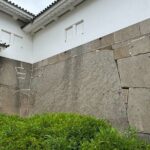
Nijo Castle (Nijo-jo Castle) is the day’s first historical anchor, with about one hour on-site. Built in 1603 as the Kyoto residence of Tokugawa Ieyasu (the first shogun of the Edo Period), it’s known for palace-style architecture that still reads like feudal Japan’s “who’s who” in stone, wood, and layout.
What I like about starting here is that the castle sets a tone. Kyoto can feel like temples and gardens floating by—but Nijo gives you the political backbone. If you want a quick win, focus on how the palace spaces flow and pay attention to the scale: you’re stepping into the home base of a ruling system, not just a scenic building.
Possible snag: the admission fee isn’t included (about ¥1,300 for the castle and Ninomaru Goten Palace). If you’re budgeting tightly, plan for that upfront.
Kinkaku-ji (Golden Pavilion): the temple that’s easy to love
Kinkaku-ji, the Golden Pavilion, is one of those sights where the reputation matches the experience. You’ll get around 40 minutes here, and it’s a Zen Buddhist temple with a dazzling golden exterior and serene gardens, recognized as a UNESCO World Heritage site.
How to make your time count: don’t spend your whole visit just staring at the gold. Look for the way the gardens frame views, because that’s where the calm is. Even if you’re not a temple expert, you’ll get the point quickly: Kinkaku-ji is designed to feel like nature and architecture are working together.
Cost note: Kinkaku-ji’s admission is extra (about ¥500). The good news is that it’s one of the best “pay once, enjoy fast” stops on the itinerary.
Arashiyama: nature, shrines, and the world’s most photogenic walkways
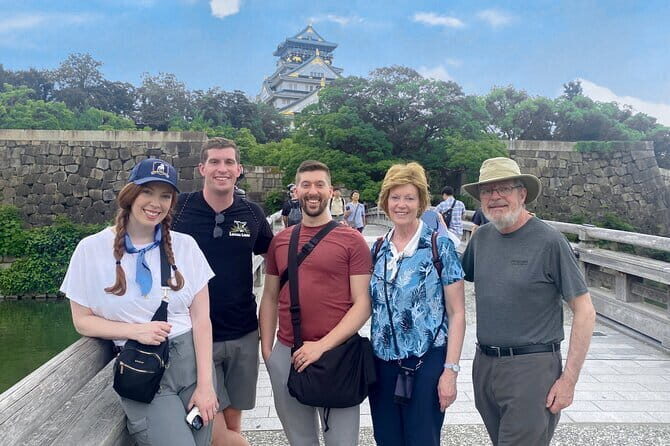
Arashiyama is where the day turns from history mode to scenery mode. This stretch includes several short stops that are mostly free, but together they create a full “Arashiyama sampler.”


Bamboo Forest: quick, iconic, and photo-aware
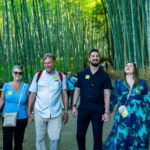
The Bamboo Forest stop is about 40 minutes and it’s what people picture when they imagine Kyoto. It’s serene for many visitors, but it also gets busy, because it’s the main reason most people come to Arashiyama.
My practical advice: treat it like a slow corridor. Give yourself time to look up between the stalks, not just straight ahead. And if you care about photos, know that light and crowds affect your results more than you’d expect—so use the full time you’re given rather than rushing in and out.
Nonomiya Shrine: the black torii contrast
Next is Nonomiya Shrine, about 20 minutes. This is a Shinto shrine in Arashiyama with a distinctive black torii gate, which gives you a visual break from the red gates that dominate a lot of Japan’s shrine photography.
It’s a small stop, but it helps you understand something important: Kyoto’s identity isn’t just the big name temples. The details—like the gate color and shrine setting—are part of the character.
Kimono Forest: acrylic cylinders with real photo appeal
Then comes Arashiyama Kimono Forest, roughly 20 minutes. It’s made of 600 clear acrylic cylinders, each about 2 meters tall, decorated with vibrant kimono designs.
This is one of those modern Kyoto moments: not a historic temple, but still very “Kyoto-style” in how it’s designed for atmosphere and photos. If you like light art installations and colorful surfaces, this will land well. If you don’t, just use it as a short break between nature stops.
Togetsukyo Bridge: the landmark with a long timeline
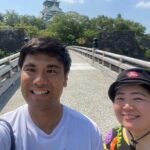
You’ll also hit Togetsukyo Bridge, about 15 minutes. It spans the Katsura River, and it connects the classic Arashiyama views. The bridge was originally built during the Heian Period (794–1185) and was reconstructed most recently in the 1930s, which means you’re seeing a blend of old importance and newer structure.
This stop works best if you pause long enough to get the river angle and bridge lines. A quick snap is fine, but you’ll enjoy it more if you treat it like a viewpoint.
A fun pause: Arashiyama Rilakkuma Tea House
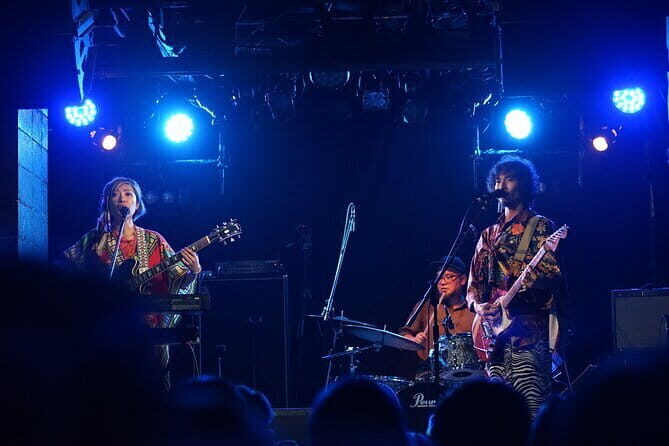
There’s a short stop (about 15 minutes) at the Arashiyama Rilakkuma Tea House. The point here is not cultural depth—it’s a light, playful break with a recognizable character theme (Rilakkuma means a bear in a relaxed mood).
If you’ve been walking and dealing with crowds, a short, comfortable pause can refresh your legs and keep the day from feeling like nonstop hustle. If you’re not into character cafés, you can still use the timing as a rest window before your final big shrine stop.
Senbon Torii (Thousand Torii Gates): Fushimi Inari’s signature maze
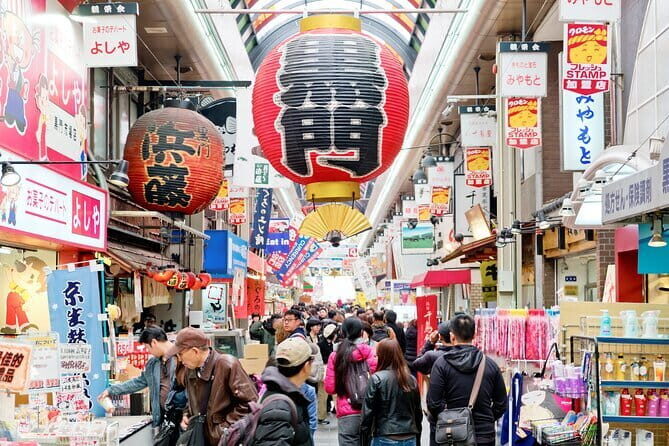
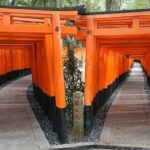
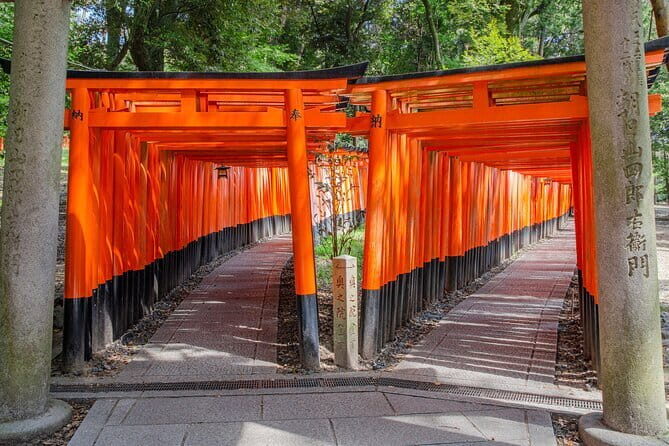
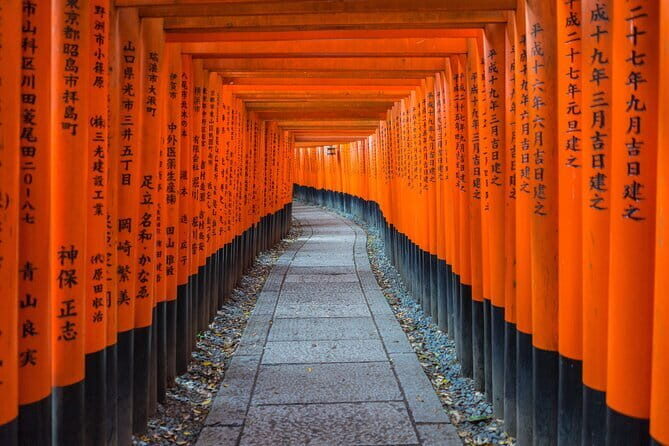
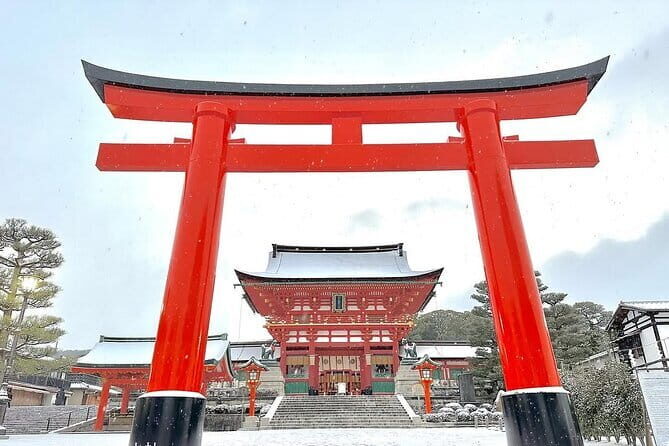
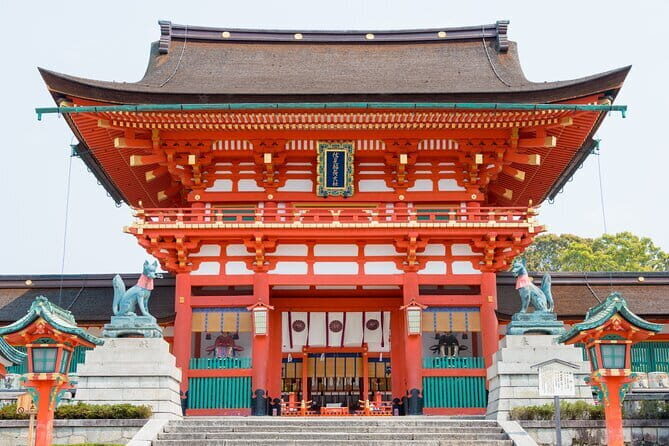
Your final major stop is the Senbon Torii, the thousand torii gates associated with the Inari shrine complex—part of Fushimi Inari Taisha. The overall lore is that there are around 30,000 Inari shrines across Japan, and Fushimi Inari is the head shrine. Inari is the Shinto god associated with rice.
You’ll have about 1 hour 10 minutes here, which is enough to do two things: take in the tunnel-like effect of the gates and decide how much you want to walk. You don’t need to hike to the far end to feel like you’ve experienced it; just being inside that repeating red structure is the key moment.
Practical tip: wear shoes you can move in comfortably. Even if you don’t plan a long climb, your time here is still an active “walk-and-look” experience.
Price and value: what you’re paying for, and what costs extra
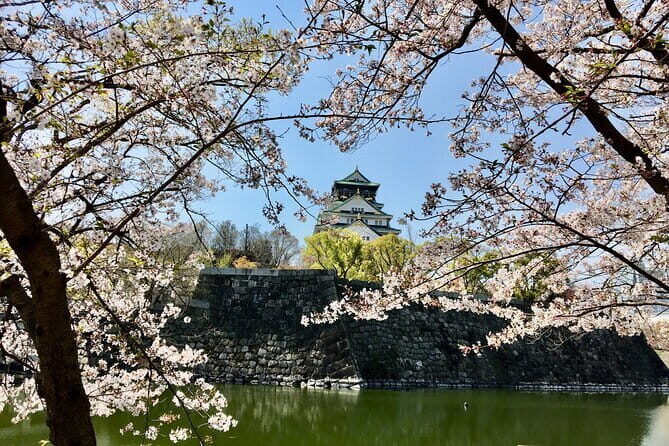
At $67 per person, this tour’s value comes from what you’re outsourcing: transportation by coach, a guide for navigation and context, and a tightly planned route that hits the Kyoto headline attractions.
What’s not included matters:
- Nijo-jo Castle / Ninomaru Goten Palace: about ¥1,300
- Kinkaku-ji (Golden Pavilion): about ¥500
- Lunch: you eat independently
When you add those admissions, your day becomes more than “$67 and done.” Still, you’re paying for convenience and guided timing across multiple areas. If you were trying to DIY everything, you’d spend time figuring out routes, tickets, and pacing—plus the cost of commuting. For one-day Kyoto, that trade is often worth it.
Pacing, comfort, and group size (the real-world stuff)
This runs about 9 hours, and it can feel like a lot because it is. The itinerary is built with multiple short stops, so you’ll get frequent “arrive, do, move” rhythm.
That’s where the guide matters. Guides have been reported to keep groups on track and provide directions so you don’t lose the bus timing. Also, you may get front-of-coach seating accommodations for motion sickness when asked.
Group size caps at 45, which is large enough to move quickly but small enough that you can usually hear instructions and regroup without too much trouble. If you’re sensitive to crowds, treat the Bamboo Forest and Senbon Torii as the busiest windows of the day.
Who should book this Kyoto Top Four Highlights day trip
This tour fits best if:
- you have one day in Kyoto and want the major icons without planning
- you like guided context for famous sites, plus some free time for photos
- you prefer a coach format over multiple transit changes
- you want a structured day that reduces the risk of missing something important
It may be less ideal if:
- you want a slow, deep exploration of just one neighborhood
- you dislike paying additional temple/castle entrance fees
- you’re very hard-of-hearing or strongly dependent on crisp spoken explanations, since accent clarity can vary by guide
Should you book this tour or go DIY?
If you only have one day and you want Kyoto’s headline moments—Nijo Castle, Kinkaku-ji, Arashiyama bamboo, and Senbon Torii—this is a solid way to stack them in one run. The guided pacing and coach convenience are the big wins, and the itinerary is designed so most of the Arashiyama parts are low-cost (many are free) compared to the two main paid sites.
If you’re the type who enjoys planning routes, picking your own pace, and spending extra hours in just one spot, DIY can be more satisfying. But if your goal is to see the key stuff and still have an enjoyable day without decision fatigue, this tour makes sense.
FAQ
FAQ
How long is the Kyoto highlight day trip?
The tour runs about 9 hours (approx.).
Do I need to pay admission fees during the tour?
Yes. Nijo Castle & Ninomaru Goten Palace cost about ¥1,300 per person, and Kinkaku-ji costs about ¥500 per person. Lunch and entrance tickets are not included.
What’s included in the price?
The tour includes an air-conditioned vehicle and a guide.
Is lunch included?
No. Lunch is not included, and the schedule provides time for you to eat independently.
Does the tour use mobile tickets?
Yes. It uses a mobile ticket.
How many people are in the group?
The tour has a maximum of 45 travelers.
Where does the tour depart from?
It departs from Osaka or Kyoto.
Is the tour accessible for strollers or large luggage?
The tour indicates that you should let the operator know when booking if you’re traveling with a stroller or large luggage.
Can I cancel for a full refund?
Yes. You can cancel up to 24 hours in advance of the experience’s start time for a full refund.
Is this tour suitable for most people?
The information provided says most travelers can participate.
If you tell me your travel month and whether you care more about photos or calm walking, I can suggest how to prioritize your time inside the paid sights and the busiest areas.