REVIEW · HIROSHIMA
Miyajima Island Day Tour in Sacred Sites and Mount Misen
Book on Viator →Operated by LironGuidesHiroshima · Bookable on Viator
Miyajima delivers sea views and mountaintop views in one day. I like how this tour moves you from the famous Itsukushima Shrine area to Mt. Misen’s heights, so you get the island’s spiritual rhythm with real variety. I also like that the day is built around key stops where timing matters (especially the shrine and ropeway portions). The only drawback to plan for: it’s a long 7 to 8 hours, and the pace can feel brisk if you prefer a slower stroll.
I also appreciate the practical side. Starting at Hiroshima Station around 9:00 am, you’ll get to the island with help handling the train and ferry, plus mobile ticket access and optional pickup. You’ll have time for photos, a quick fortune moment, and local snacks along Omotesandō, with breaks when it gets hot.
In This Review
- Key highlights before you go
- Beyond the Floating Torii: what this day actually feels like
- Getting there from Hiroshima Station without the stress
- Miyajima Ferry Terminal and the Visiting Center stop
- The Floating Torii Gate: the photo you came for, plus context
- Itsukushima Jinja: UNESCO-level sights with real practical timing
- Daishō-in Temple at the base of Mt. Misen
- Momijidani Park: seasonal walks, streams, and red bridges
- Mt. Misen Ropeway: a comfortable way up into prime view territory
- Mt. Misen summit and Reikado Pavilion: the moment at the top
- Five-Storied Pagoda: a skyline symbol from 1407
- Omotesandō shopping street: souvenirs and everyday Miyajima snacks
- Food and vegetarian options: where the day stays practical
- Price and value: what $234.55 covers on a full 7 to 8 hour day
- Pacing, comfort, and that one possible downside
- Who this tour is best for
- Should you book this Miyajima Sacred Sites and Mt. Misen tour?
- FAQ
- How long is the Miyajima Island day tour?
- What time does the tour start?
- Where do we meet in Hiroshima?
- Is pickup available?
- Is this tour private?
- What about tickets—are any admissions included?
- Do we use a mobile ticket?
- Is there time for shopping on Miyajima?
- Are vegetarian options available?
- Can I cancel for a full refund?
Key highlights before you go
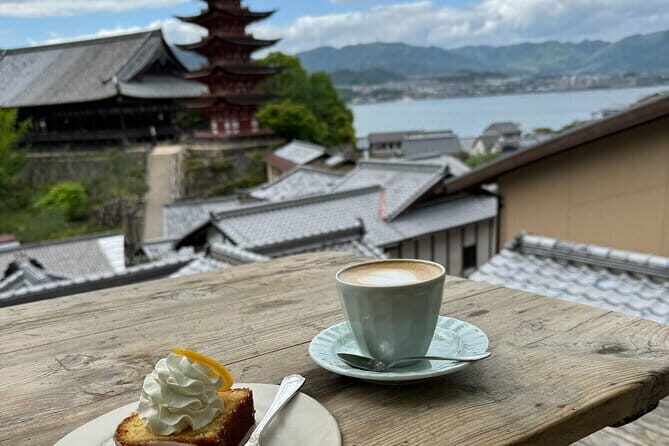
- Private, small-group feel with Liron guiding so you can ask questions and steer your day at a natural pace
- Sea level to Mt. Misen summit views using the ropeway for prime forest-and-overlook scenery
- Itsukushima Shrine + key sacred sites with admission included where it matters
- Strategic stops for photos and timing rather than just checking boxes
- Omotesandō shopping street time for souvenirs and everyday Miyajima treats
Beyond the Floating Torii: what this day actually feels like
Miyajima has a way of stopping your brain mid-sentence. You step into a place that feels sacred, but it’s also practical and lively—shops, snack stands, and people moving between shrines and viewpoints. This tour leans into both sides: the religion and the real island rhythm.
What makes it different from the quick-hit versions is the focus on the meanings behind the places you see. You don’t just glide past the iconic torii and call it a day. The route is designed to help you connect what you’re looking at with what it represents on Miyajima, including stories tied to long-burning sacred flames and the island’s mountain spirituality.
If you’re the type who wants more than photos, you’ll likely enjoy how the guide ties the stops together. And if you’re traveling with kids, older relatives, or anyone who gets tired easily, the itinerary includes a mix of short walks and time buffers so you can pause without feeling like you’re constantly rushing.
You can also read our reviews of more tours and experiences in Hiroshima.

Getting there from Hiroshima Station without the stress

Your day starts in Hiroshima. The meeting point is Hiroshima Station (1-2-37 Matsubarachō, Minami Ward), and the start time is 9:00 am. There’s pickup offered, and the activity is near public transportation, which helps if you want to keep things simple on arrival day.
This tour also takes the headache out of the “how do we get there and back?” question. You’ll take a short train ride, then use the ferry to reach Miyajima, and the day is paced so you’re not stuck figuring out connections while everyone else is boarding. In practice, the guide’s directions make a difference—especially for the ferry timing and where to stand to board.
The tour ends back at the same meeting point, so you’re not hunting for return plans. For a first trip to Hiroshima and Miyajima, that one less decision is real value.
Miyajima Ferry Terminal and the Visiting Center stop
Before you even reach the shrine area, you’ll arrive at the Miyajima Ferry Terminal—the gateway where the island’s “day trip energy” starts. A useful early stop is the Miyajima Island Visiting Center, and it’s free.
This is one of those quiet-but-smart moments. You get your bearings, learn what to pay attention to later, and get oriented so the first big sight doesn’t feel like you’re just wandering. It’s also a good time to ask the guide where you should spend your extra minute for photos versus where you can keep moving.
Because this stop happens near the start, it helps you settle into the route instead of reacting to everything at once.
The Floating Torii Gate: the photo you came for, plus context
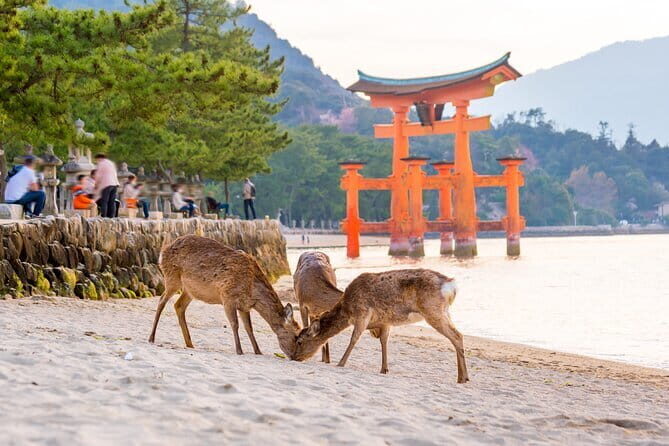
Next up: the Floating Torii Gate. It’s iconic for a reason. The torii sits in the water, and from certain angles it looks like it’s floating—one of Japan’s best-known visual moments.
This stop is also an easy win for people who get nervous about group tours. You get a 30-minute window, which is long enough to get a couple angles, check the tide timing visually, and still stay on schedule.
The key is how the guide frames it. You’ll hear more than, This is famous. You’ll learn why Miyajima connects sea, shrine, and worship in a way that feels more meaningful than a postcard view.
Itsukushima Jinja: UNESCO-level sights with real practical timing

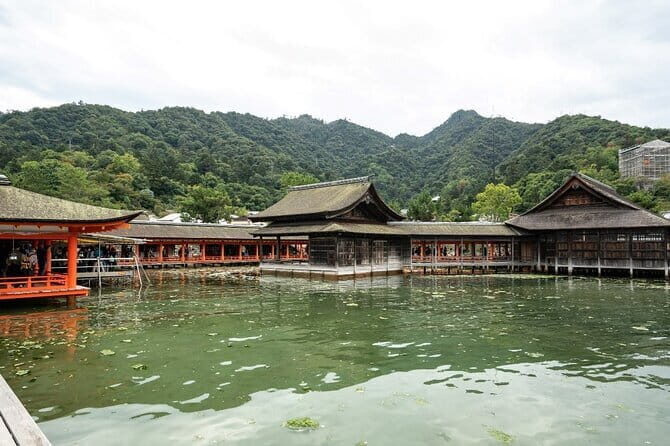
The star stop is Itsukushima Jinja, and this part is timed so you can appreciate what makes the shrine special. It’s built over water, and it looks like it floats at high tide—an effect that people travel far to see.
Your stop here is about 30 minutes, and admission is included. This matters because you don’t want to burn half your time hunting tickets or joining long lines right at the main event. Having admission taken care of lets you focus on what you actually came for: architecture, atmosphere, and those sea-and-shrine angles that photographers chase.
This is also the place where a quick fortune moment can fit into your schedule. The tour is built to give you time for that kind of small tradition, not just big sightseeing.

Daishō-in Temple at the base of Mt. Misen
From the shrine zone, the day shifts into temple and mountain energy with Daishō-in Temple. This stop runs about 30 minutes, and the admission is free.
Daishō-in sits at the base of sacred Mount Misen, so it works as a bridge between the sea-level spiritual site and the higher mountain sections you’ll reach later. Even if you’re not a temple expert, the guide’s explanations help you notice what’s going on: how Buddhism and the mountain setting connect here, and why people take time at this point in the day.
This is also a good stop for anyone who wants a quieter moment. Compared with the torii and shrine area, the temple grounds tend to feel a bit more contemplative.
Momijidani Park: seasonal walks, streams, and red bridges
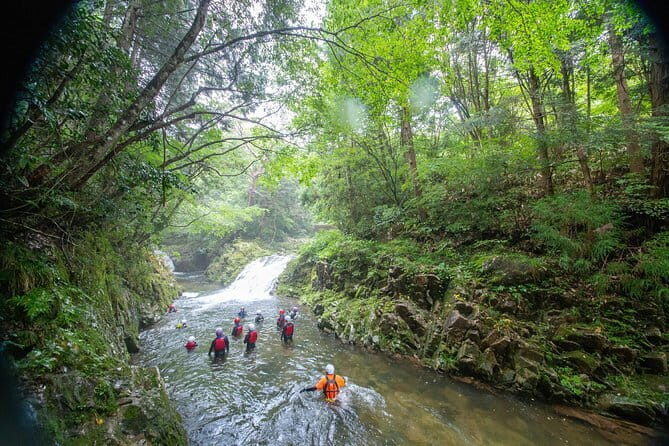
Next: Momijidani Park, about 30 minutes and free. The point here is nature with structure—maples, streams, and traditional red bridges.
The big seasonal feature is maple color. In spring, the park highlights its seasonal splendor, and you can see why locals and visitors like to come here for photos that look less like tourism and more like a moment you could stumble on in a Japanese storybook.
Practical note: it’s a stroll, not a hike. If you want fresh air without a heavy climb, this is the right slot in the day.
Mt. Misen Ropeway: a comfortable way up into prime view territory
Now the plan starts climbing, literally. You’ll take the Mt. Misen Ropeway, and admission is included. This portion is about 30 minutes.
I like ropeways on travel days like this because they reduce fatigue and let you spend energy where it pays off—at the viewpoint. Instead of turning Mt. Misen into a workout for the sake of it, the ropeway helps you reach the sacred summit area in time for the views.
When the air shifts and you start seeing more of Miyajima from above, the day changes tone. You go from coastal shrine atmosphere to forest-and-overlook Miyajima, which is exactly why this tour includes both.
Mt. Misen summit and Reikado Pavilion: the moment at the top
At the top, you’ll reach the Mt. Misen Summit & Reikado Pavilion area. This stop lasts about 1 hour, and admission is included.
From here, the Shishiwa observation deck offers one of Miyajima’s celebrated views. On clear days, you can see the Seto Inland Sea with scattered islands stretching out below. This is a “stand still for a minute” kind of stop. Give yourself time for the view and the details—temple area sights, viewpoints, and the feeling of being up in the sacred space rather than just looking at it from sea level.
If you’re traveling with anyone who gets motion-sick, ropeway rides are usually easier than steep buses or constant steps, but you’ll want to judge based on your group’s comfort.
Five-Storied Pagoda: a skyline symbol from 1407
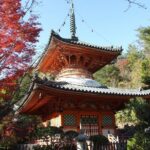
Back down the mountain mood comes with a visual anchor: the Five-Storied Pagoda, located with Mt. Misen in the background. This stop is about 30 minutes, and admission is free.
This pagoda has been around since 1407, so it’s one of those structures that feels like it belongs to the island’s long timeline. The red color against the mountain setting makes it easy to frame a photo that looks like it was made for postcards, even if you’re just holding your phone.
More importantly, it’s a strong “wrap-up” sight before you head into the more everyday parts of Miyajima again.
Omotesandō shopping street: souvenirs and everyday Miyajima snacks
After the sacred and scenic parts, you’ll spend about 1 hour on Miyajima Omotesandō Shopping Street. Admission is free.
This is where the island becomes real in a different way. You’ll find traditional storefronts, easy browsing, and places to pick up small gifts without turning your day into a shopping marathon. The tour is built so you don’t lose the time you need for the scenic parts, but you still get enough time to wander and find something that feels local.
It’s also where I’d expect you to pick up snacks. The day planning includes food moments, and there are vegetarian-friendly options noted for the tour experience.
Food and vegetarian options: where the day stays practical
The tour’s food approach is simple: you get time to sample local culinary traditions, and the schedule includes room for breaks. On a hot day, the guide’s pacing includes sit-down time and water breaks, which can be the difference between a great day and a tired one.
Vegetarian travelers should have an easier time than on a day-trip built only around meat-based meals. The tour description explicitly notes vegetarian options, and the guide also helps point you toward good places along the walk and shopping street.
If you have any dietary requirements beyond vegetarian (like allergies), the tour data doesn’t specify details. Still, you’ll likely have a better experience if you mention it early to your guide so they can steer you toward the right stops.
Price and value: what $234.55 covers on a full 7 to 8 hour day
The price is $234.55 per person, and the tour is a private tour/activity—only your group participates. That matters, because Miyajima is popular and transportation plus timing are half the battle.
Here’s the value math that’s supported by the tour info:
- You’re getting transport assistance across train + ferry with guidance
- Several key admissions are included (notably Itsukushima Jinja, Mt. Misen Ropeway, and Mt. Misen Summit & Reikado Pavilion)
- Many other stops have free admission, which keeps the day predictable
- A guide is handling the order of stops and helping you make the most of your limited hours
So you’re not paying purely for sightseeing. You’re paying for reduced decision fatigue and a route that hits the biggest “this is Miyajima” moments without you piecing it together from scratch.
The one thing to consider is that private tours cost more than group buses. If you’re traveling with just two people and you want flexibility, private can still be excellent value. If you’re cost-sensitive and happy with DIY, you might find cheaper ways to get there. But if you want a guided day that handles timing and admissions in one go, this pricing fits the service level.
Pacing, comfort, and that one possible downside
The itinerary is structured with short stop times—many around 30 minutes, plus an hour at the summit and an hour in Omotesandō. That works well for first-timers who want a lot packed into one day.
Still, there is a realistic consideration: the pace can feel a little fast if you love lingering at every shrine photo spot. The tour includes stops and time markers, and it sounds like the guide focuses on keeping the day running smoothly so you don’t miss the key sights.
My practical advice: think of this as a “see the highlights with meaning” day. If you want an unhurried, slow travel pace, you may prefer staying longer on Miyajima instead of compressing it into one long outing.
Who this tour is best for
This tour is a strong fit if:
- You want Miyajima’s sacred sites plus Mt. Misen in one day
- You care about timing and don’t want to manage train and ferry connections alone
- You like having a guide help you understand what you’re seeing
- You’re looking for a private experience with a bit of flexibility for your interests
It’s also a good option if your group values practical help on a day trip—especially for the ferry ride and transitions between areas.
If you’re someone who hates group pacing and prefers long, empty minutes for exploring, you might find the stop timing a bit structured.
Should you book this Miyajima Sacred Sites and Mt. Misen tour?
Book it if you want a guided, handled day that covers the essential Miyajima sights from sea level to the summit. The best reason is simple: you get both the iconic shrine world and the mountain viewpoint world without turning your trip into logistics math.
Skip or rethink it if you know you want a very slow pace, or if your group prefers to plan transportation and ticketing independently. In those cases, DIY can work, but it will take more effort—and you’ll trade away some of the timing help that makes this kind of day run well.
If you’re unsure, this is exactly the kind of day tour I’d recommend for a first visit to Hiroshima and Miyajima. You’ll come away with a full picture of the island’s spiritual geography, not just one famous photo.
FAQ
How long is the Miyajima Island day tour?
The tour runs about 7 to 8 hours.
What time does the tour start?
It starts at 9:00 am.
Where do we meet in Hiroshima?
The meeting point is Hiroshima Station, 1-2-37 Matsubarachō, Minami Ward, Hiroshima.
Is pickup available?
Pickup is offered.
Is this tour private?
Yes. Only your group will participate.
What about tickets—are any admissions included?
Admission is included for Itsukushima Jinja, Mt. Misen Ropeway, and the Mt. Misen Summit & Reikado Pavilion. Other stops listed have free admission.
Do we use a mobile ticket?
Yes, the tour includes mobile tickets.
Is there time for shopping on Miyajima?
Yes. You’ll have about 1 hour on Miyajima Omotesandō Shopping Street.
Are vegetarian options available?
The tour description notes vegetarian options.
Can I cancel for a full refund?
Yes. You can cancel up to 24 hours in advance for a full refund. After that, the amount paid isn’t refunded.