REVIEW · OSAKA
Okonomiyaki or Ramen&Gyoza Class with Local Shop Tour
Book on GetYourGuide →Operated by Osaka Cooking Base · Bookable on GetYourGuide
Osaka street food, taught step by step. This small-group class pairs a local shop tour with a hands-on kitchen session, so you get more than a meal—you learn how the flavors are built and what the ingredients actually mean in daily life. I love that the teaching is organized for real technique, not just quick instructions, and I also like that you can ask questions as you go, with translation help when needed.
One thing to consider: the cooking menu centers on Okonomiyaki & Yakisoba or Takoyaki, so if you were hoping for a full ramen-and-gyoza focus, you’ll want to double-check your specific booking before you go.
In This Review
- Key Highlights at a Glance
- Starting at Osaka Tenmangu Shrine (And Finding the Right Gate)
- Local Shop Tour: Learning What You’re Buying (Not Just Eating It)
- Two Menu Paths in the Kitchen: Okonomiyaki & Yakisoba or Takoyaki
- Okonomiyaki & Yakisoba: Pancake logic you can repeat
- Takoyaki: Skill in small form
- How You Learn to Recreate It at Home (Where Many Classes Fail)
- Cultural Exchange That Feels Like Real Talk
- Who this conversation style is for
- Practical Details That Affect Your Day
- Price and Value: Is $83 Worth It?
- Who Should Book This Osaka Cooking Base Class
- Should You Book This Osaka Tenmangu Cooking Class?
- FAQ
- FAQ
- Where do we meet for the class?
- How long is the cooking session?
- What dishes do you cook?
- Is the class taught in English?
- How big is the group?
- What’s included in the price?
- Do I need to book in advance?
- Is there free cancellation?
Key Highlights at a Glance
- Osaka Tenmangu Shrine meeting point sets a historical tone before you touch ingredients
- Local shops (a few stops) where you learn what to buy and why
- English instruction with translation support, so you’re not left guessing
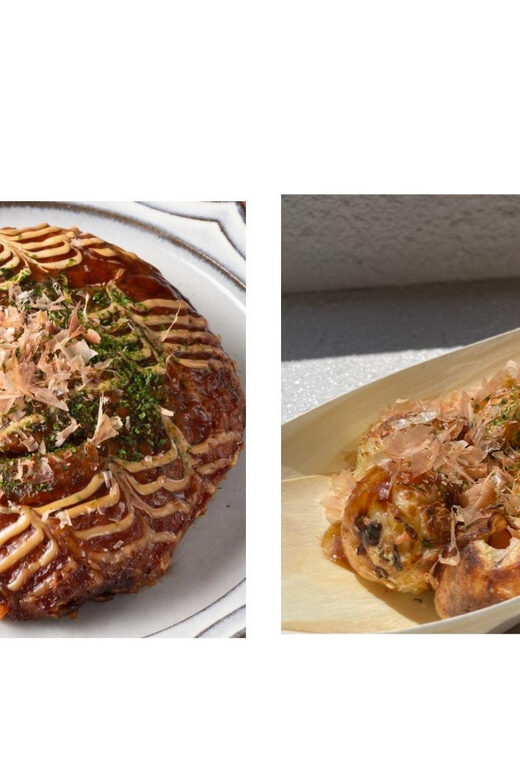
- Hands-on cooking: choose Okonomiyaki & Yakisoba or Takoyaki with step-by-step guidance
- Guides like Yuki/Yumi/Rie/Tomo share both cooking tips and Osaka/regional food context
- Small group (up to 8) keeps the conversation going and makes Q&A easy
Starting at Osaka Tenmangu Shrine (And Finding the Right Gate)
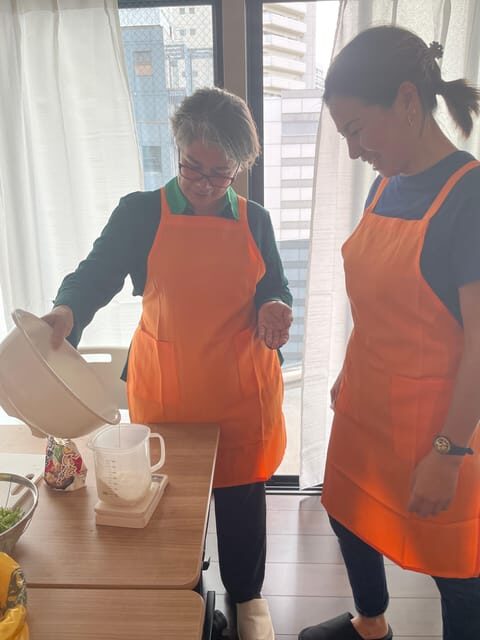
The experience begins where a lot of local life gathers: Osaka Tenmangu Shrine. You meet in front of the large main gate, not a smaller back entrance. That detail matters more than it sounds. Hit the wrong gate and you’ll waste time figuring out where everyone is.
Why this matters for your day: the shrine area puts you in an Osaka mindset fast. It also helps you get oriented before you start shopping. Once you’re moving with the guide, you’ll see the rhythm of the neighborhood and pick up on how food connects to everyday shopping—not just to tourist areas.
A helpful tip from the way the class is run: expect a steady pace. You’ll transition from cultural context to ingredient learning, then into cooking, so you’re not scrambling between tasks. If you’re the type who likes to understand how a dish is assembled before you eat it, this order will feel natural.
A few more Osaka tours and experiences worth a look
Local Shop Tour: Learning What You’re Buying (Not Just Eating It)
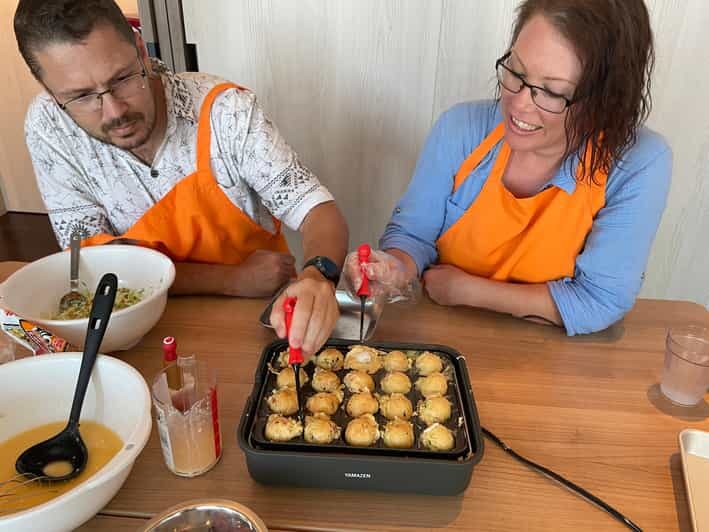
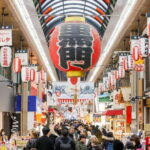
After you meet at the shrine, you head out for a local shop tour—described as “a few shops.” In plain terms, you’re going to stores where you can actually recognize the ingredients used in Osaka-style home cooking.
This part is the secret sauce. Most cooking classes teach recipes. This one teaches shopping logic: what items matter, what to look for, and how regional preferences shape the final flavor.
You’ll get translation assistance, which means you’re not stuck staring at packages. You should be able to ask what certain products are used for and how locals choose them. One of the strongest themes from past participants is how guides explain Osaka-region products and point you toward shops where you can try what you’re learning about. That makes the trip feel practical, not staged.
Here’s what you should pay attention to while you’re walking and browsing:
- Ingredient purpose: if the guide explains what each item contributes, write it down mentally. That’s what lets you recreate the dish at home.
- Texture and consistency cues: many Japanese cooking outcomes depend on small differences. Watching those cues once is far more useful than only reading a recipe later.
- Taste testing opportunities: if the group is sampling items, take them seriously. One bite can clarify what you were worried about from the written recipe stage.
In this market segment, the experience is designed as cultural exchange. If you’re curious about Japan beyond food—daily habits, restaurant culture, where to eat—this is when you’ll get those answers. The tone is friendly and interactive, and the group stays small enough for real conversation.
Two Menu Paths in the Kitchen: Okonomiyaki & Yakisoba or Takoyaki
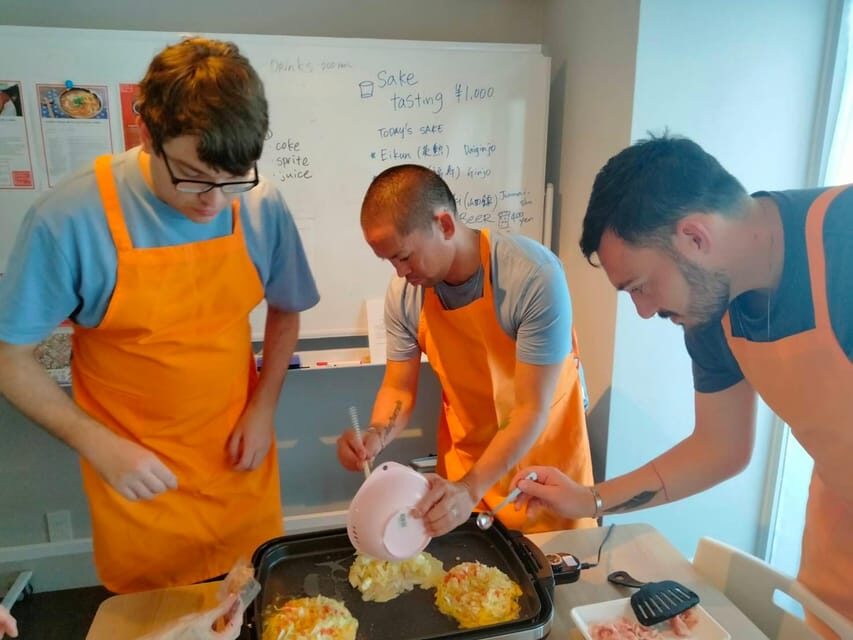
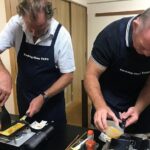
Once you reach the kitchen, the class becomes hands-on and very focused. The main cooking options are:
- Okonomiyaki & Yakisoba
- Takoyaki
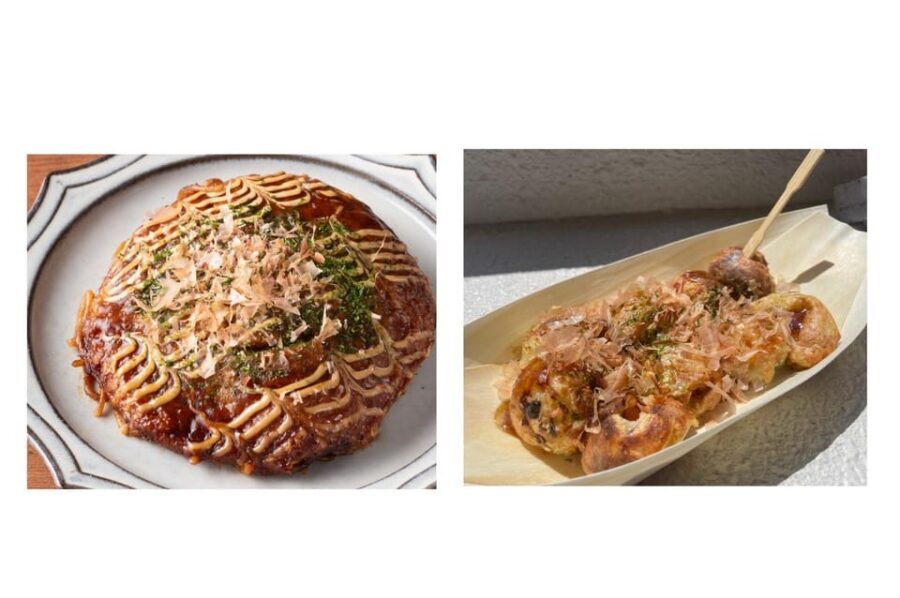
Both options are classic Japanese comfort food. The difference is that okonomiyaki is about assembling a savory pancake layered with toppings, while takoyaki is about forming small batter balls—where timing and technique really matter.
Okonomiyaki & Yakisoba: Pancake logic you can repeat
When you cook okonomiyaki, you’re learning how batter, toppings, and heat work together. The guidance is step-by-step, so you can follow the process instead of improvising. Participants have specifically highlighted that the result is delicious and that the technique feels doable afterward.
If your goal is to recreate at home, the most valuable thing you’ll learn isn’t the final look—it’s the order of operations:
- how you build the base,
- how toppings get added,
- and how you manage heat to avoid undercooked or uneven results.
Even if you already like eating okonomiyaki, this is where you start understanding why certain flavors show up and others don’t.
Takoyaki: Skill in small form
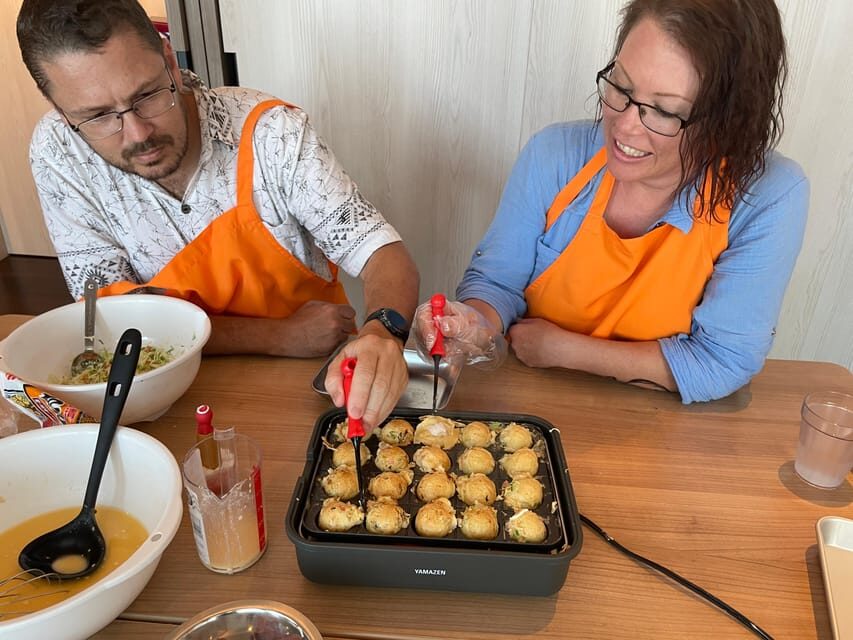
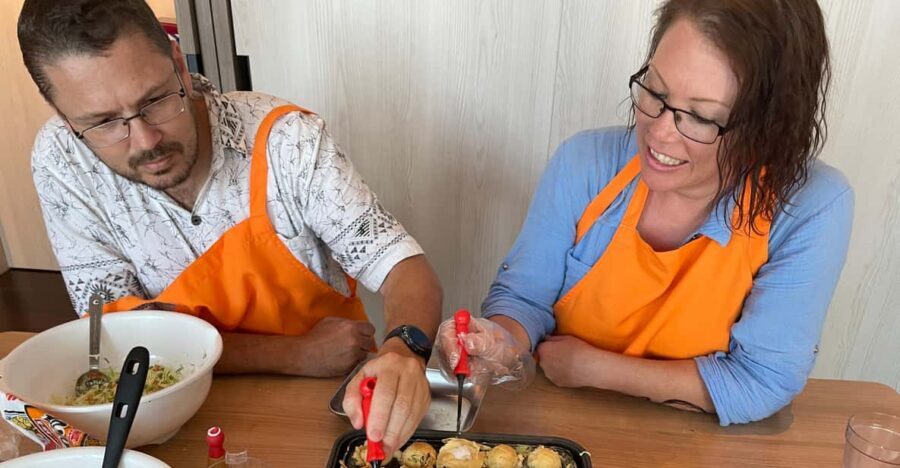
Takoyaki looks simple until you try it. The skill is in forming consistent balls and managing the flip and cook cycle. The class teaches this method in a way that doesn’t assume you’ve done it before.
A big plus: you get to ask questions while cooking, so if something feels off—too thick batter, uneven cooking, or trouble with flipping—you can correct it in real time. Small group size helps here too; you’re less likely to be waiting while the instructor handles someone else’s question.



How You Learn to Recreate It at Home (Where Many Classes Fail)
A lot of cooking classes end with a great meal and a vague feeling of, I hope I can do this later. This one is built to reduce that gap.
The teaching approach has a clear goal: by the end, you should feel confident enough to cook the dish again at home. That comes from a few things you’ll notice during the session:
Step-by-step instruction with technique context
You’re not only told what to do. You get explanations for what each stage is trying to accomplish. That makes substitutions easier later, because you’ll understand the role of an ingredient.
Emphasis on everyday Japanese home-meal thinking
Even though the two cooking menus are focused, the experience also frames Japanese cuisine as something locals cook and share routinely. You’ll hear about traditional dish patterns and ingredient significance, not just trendy snack culture.
Conversation while you cook
The class is described as lively and conversational throughout the cooking process. That matters for learning. If you’re unsure about a sauce, a topping balance, or how much heat to use, you can ask. Getting those answers while your hands are in the game makes the lesson stick.
If you care about value, this is where the price makes sense. You’re paying for time, guidance, and the kind of coaching that turns cooking from guesswork into a repeatable routine.
Cultural Exchange That Feels Like Real Talk
The cooking part is fun, but what makes this experience feel different is the human side. The guide encourages questions about Japan and everyday culture. Translation assistance helps, so you’re not forced into silence if your Japanese is limited.
You’ll also get local perspective beyond the recipe. Previous participants noted that hosts shared advice on good places to eat around Osaka, Kyoto, and Nara. That’s useful because it supports what you’ll do the rest of your trip: you’ll spend your time in restaurants that match what you learned, not just wherever the biggest sign is.
Who this conversation style is for
- If you love asking why certain flavors work, you’ll feel comfortable.
- If you’re traveling with family or mixed ages, the structure supports different energy levels. The class is designed for all ages.
- If you want a more social activity than a sit-and-watch tour, the Q&A and chat during cooking will keep it moving.
And because the group is limited to 8, it stays personal. Even if it’s not just you and the instructor, you’ll usually have enough room to ask follow-ups without feeling rushed.
Practical Details That Affect Your Day
This is a 1-day experience with a small group (up to 8 participants). The cooking session is described as 2.5 hours, plus time for the shop tour and the transition between locations.
Here are the practical things that will shape your comfort:
Meeting point matters
Go to the large main gate of Osaka Tenmangu Shrine. The instructions specifically warn about not heading to the small back gate.
English support
The instructor is English, and translation assistance is included during the shop portion. That combination is helpful if you want to understand the product info instead of just tasting food.
Reservation timing
You need to reserve at least 24 hours in advance, so don’t treat it like a last-minute walk-in plan.
What’s included
You’ll have the food you cook—specifically the okonomiyaki & yakisoba or takoyaki portion—and the local shop tour is included.
If you’re the kind of traveler who hates feeling late or rushed, this structure actually helps. You start in one clear location, move methodically, and finish with a meal you helped make.
Price and Value: Is $83 Worth It?
At $83 per person for a one-day, small-group activity, you’re paying for more than ingredients. You’re paying for:
- a guided shop walk that explains what to buy and why,
- English instruction with translation support,
- and hands-on coaching to help you cook correctly.
For me, the value hinges on the learning outcome. The class is explicitly designed to get you cooking skills you can recreate at home, and the overall reputation supports that focus on technique and ease.
Also, small-group size matters. An up-to-8 group keeps the instructor’s attention more spread across participants. That usually means you get better answers and fewer moments stuck waiting.
If you want a pure sightseeing experience, this may feel too food-and-cooking heavy. But if you want a realistic way to bring Osaka flavors home, it’s a strong deal.
Who Should Book This Osaka Cooking Base Class
You’ll likely love it if:
- you’re excited by Japanese comfort food and want hands-on technique,
- you want ingredient education, not just cooking steps,
- you enjoy cultural exchange and Q&A,
- you prefer small groups over big tours.
It may be less ideal if:
- you want a cooking class that focuses heavily on ramen and gyoza specifically,
- you dislike market-style browsing and prefer a straightforward classroom setup.
Given the formats offered here, it’s especially good for people who’ve eaten okonomiyaki or takoyaki in Osaka and now want to understand how those dishes are built.
Should You Book This Osaka Tenmangu Cooking Class?
If your goal is to leave Osaka with a skill—not just a photo—then yes, this is the kind of class that delivers. Start at the shrine, learn ingredients in a real shop setting, and then cook with step-by-step coaching for okonomiyaki & yakisoba or takoyaki. The English support plus translation help makes it work even if you’re not fluent.
Book it if you’ll appreciate the method: ingredient explanations, cooking technique, and the chance to ask questions while you’re learning. Skip it if you want a ramen-and-gyoza-centered experience without the okonomiyaki/takoyaki focus.
FAQ
FAQ
Where do we meet for the class?
You meet in front of the large main gate of Osaka Tenmangu Shrine. Be careful not to go to the small back gate.
How long is the cooking session?
The session is described as 2.5 hours, along with additional time for the local shop tour.
What dishes do you cook?
The hands-on cooking portion is either Okonomiyaki & Yakisoba or Takoyaki, depending on the option you choose for your session.
Is the class taught in English?
Yes. The instructor is English, and translation assistance is provided during the experience.
How big is the group?
The group is limited to a small size, with up to 8 participants.
What’s included in the price?
You get the local shop tour (a few shops) and the food you cook during the class.
Do I need to book in advance?
Yes. You’re asked to make your reservation at least 24 hours in advance.
Is there free cancellation?
Yes. Free cancellation is available up to 24 hours in advance for a full refund.
If you tell me your travel dates and whether you’re more excited about okonomiyaki or takoyaki, I can help you decide which option fits your trip best.