REVIEW · HIROSHIMA
Origami Peace Experience in Hiroshima: Fold and Dedicate a Crane
Book on Viator →Operated by Nippon Journey · Bookable on Viator
A crane made of paper can feel heavy. I like starting with simple animal folds and then getting the meaning of the paper crane as a peace wish, before you walk as a group to the Children’s Peace Monument to dedicate it. One thing to plan for: the workshop happens on the 4th floor with no elevator.
In about 90 minutes total (including the walk), you’re not just learning a craft. You also get a guided stroll through Hiroshima streets, with context and stories that make the peace site hit differently. If you’re looking for a long, big-sightseeing day, this is focused and intentionally short.
In This Review
- Key highlights you’ll feel right away
- A 90-minute Hiroshima walk that starts with a crane
- Step-by-step folding: from animal origami to Sadako Sasaki
- What to watch for while you fold
- Making it meaningful: turning a paper wish into a real dedication
- The 20-minute walk to Peace Memorial Park (and why the route matters)
- A practical tip for the walk
- Dedicate your crane at the Children’s Peace Monument, then keep exploring
- Price and time: is $52.02 good value?
- Meeting point basics (so you don’t lose time)
- Who this is best for (and who should rethink it)
- Should you book this Hiroshima paper crane experience?
- FAQ
- How long does the origami peace experience take?
- Where do I meet the tour group?
- Do I need hotel pickup?
- What’s included in the price?
- Is there a take-home item?
- Is this a group tour or private?
- Can children participate?
- Is the ticket mobile?
- Are food and drinks included?
- What’s the cancellation policy?
Key highlights you’ll feel right away
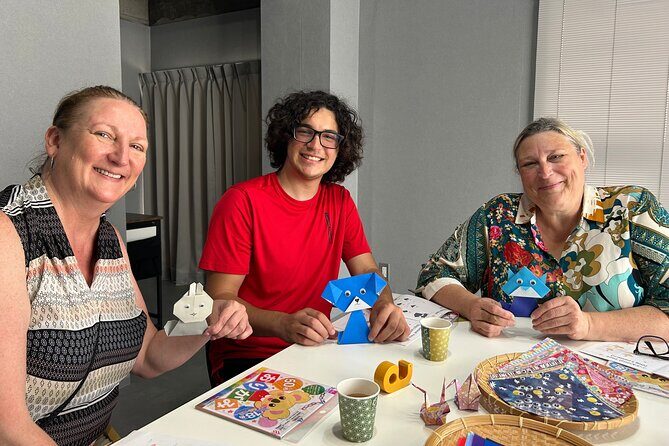
- Easy warm-up origami: you begin with Fun Animal Origami to loosen up fast.
- Sadako Sasaki explained with a manga: the story is shared through an illustrated manga, not a lecture.
- Your crane becomes a personal peace wish: every fold is tied to the dedication.
- A guided walk to the monument: about a 20-minute stroll while your guide points out local streets and shops.
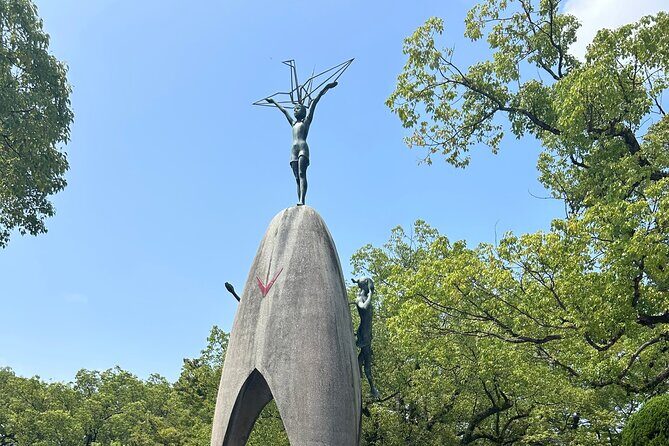
- Dedicate at the Children’s Peace Monument: you offer your handmade crane where daily prayers arrive from around the world.
- Take-home origami set: you leave with more than memories and photos.
A 90-minute Hiroshima walk that starts with a crane
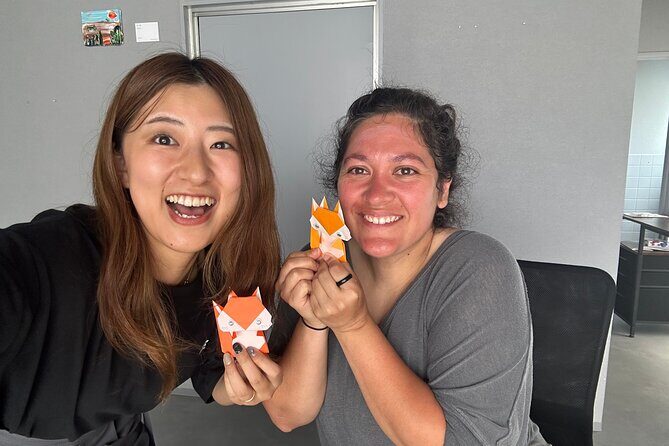
This experience works because it combines three things that don’t always fit together: hands-on craft time, a short guided story, and then a real-world destination tied to peace.
The structure is simple. You fold, you learn the story behind the crane, and then you physically carry that crane to the Children’s Peace Monument. That order matters. By the time you reach the site, the crane isn’t just something you made. It’s something you dedicated.
Timing is also part of the design. The workshop itself runs about 1 hour 30 minutes, and then there’s an additional walk component. Including the walk to Peace Memorial Park, you’re looking at about 90 minutes total. It’s not an all-day plan, which is great if you want your Hiroshima Peace Memorial Park time to feel intentional rather than rushed.
You can also read our reviews of more tours and experiences in Hiroshima.


Step-by-step folding: from animal origami to Sadako Sasaki
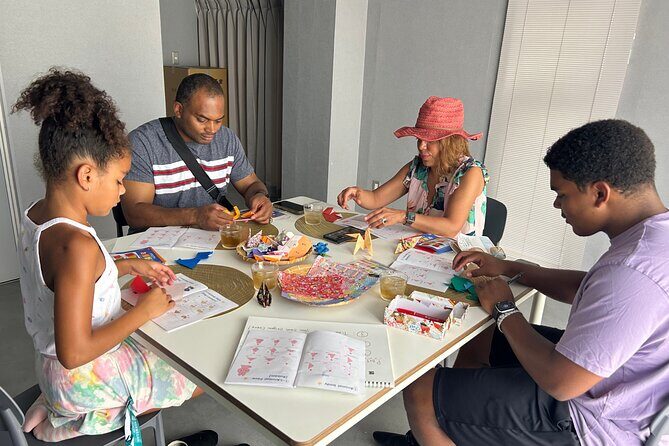
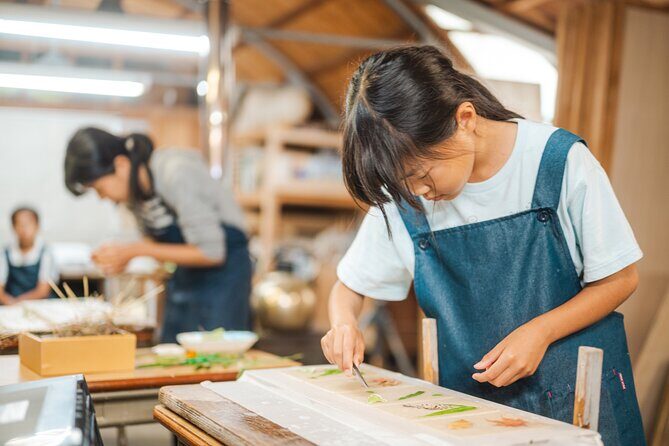
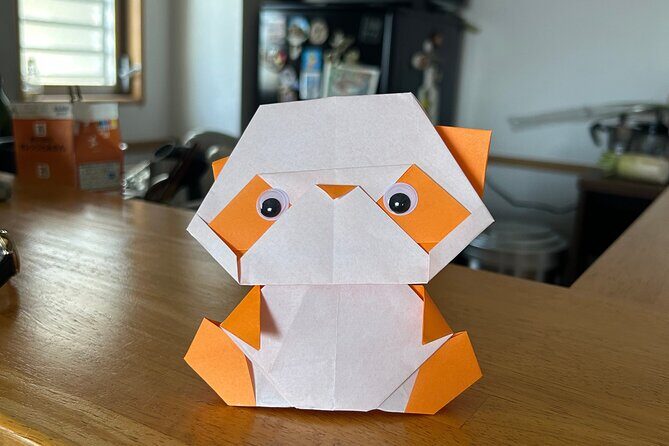
You start with Fun Animal Origami. It’s not filler. It’s a smart way to get your hands used to folding paper before the more meaningful steps. If you’ve never folded origami (or you last tried in elementary school), this warm-up helps you build confidence quickly.
After that, you shift into the story part. Sadako Sasaki’s story is shared through an illustrated manga. That choice is practical. Manga pacing makes the story easier to follow while you’re still in a calm, doing mode. You’re not expected to sit through a long talk. You’re absorbing the meaning while your paper is literally in your hands.
Then comes the core activity: folding your paper crane with the idea that you’re placing your wish for peace into every fold. You’ll likely find that concentrating on symmetry and careful creases slows your mind down. That’s the point.
What to watch for while you fold
Origami is hands-on, but not all steps feel equally hard. Plan to take your time on the early folds. Once you’re past the first shaping stages, small misalignments can make the crane harder to finish. If you get stuck, ask right away. The guidance is part of the value here.
Also, your crane will be your message. Take a moment to treat the final shape like it matters, because the next phase is dedication at a peace monument.
Making it meaningful: turning a paper wish into a real dedication
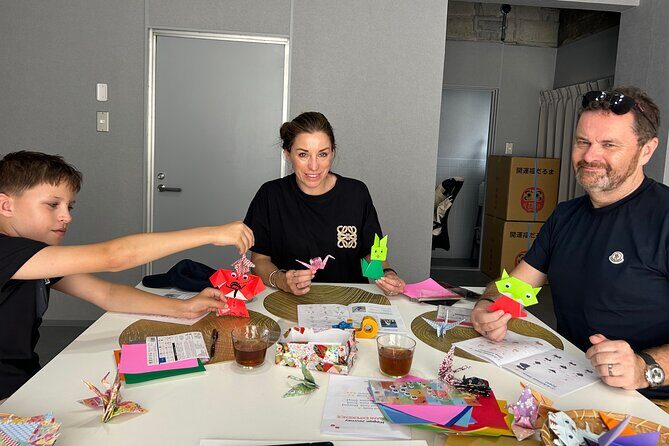
A paper crane can sound symbolic in the abstract. Here, it’s more concrete because you’ll offer it at the Children’s Peace Monument.
That’s important: every day, cranes filled with prayers for peace arrive there from around the world. So when you dedicate your own, you’re joining a practice with continuity. You’re not just creating a souvenir. You’re adding to a daily ritual.
The experience also frames your folding with reflection. The whole workshop is built around the idea that creativity and peace can work together, not separately. You’ll feel that shift most clearly when you move from sitting and folding to standing at the monument with your crane in hand.
And yes, it’s emotional for many people. But it’s not presented as heavy theater. It’s more like quiet focus plus a respectful place to place your wish.
The 20-minute walk to Peace Memorial Park (and why the route matters)
After you fold and learn, you walk to Peace Memorial Park—about a 20-minute walk to the Children’s Peace Monument. This isn’t just transit time.
Your local guide introduces local shops and streets along the way. That matters because it breaks the day into two moods: Hiroshima as a living city, then Hiroshima as a place of remembrance. You’ll get better context for what you’re seeing, and you won’t feel like you’re dropping into the park from a different world.

A practical tip for the walk
Bring your “comfortable strolling” mindset. Even with good walking shoes, a 20-minute walk plus standing time can feel long if you’re carrying bags or if you’re already tired. If you can, travel light that day so the pace stays calm.
Also, you’re walking as part of the experience with a guide. Keep the group together so you don’t miss the street-level stories that help connect the craft to the place.
Dedicate your crane at the Children’s Peace Monument, then keep exploring
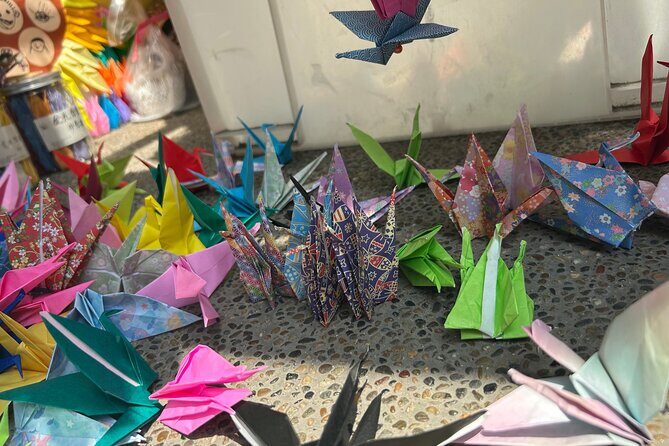
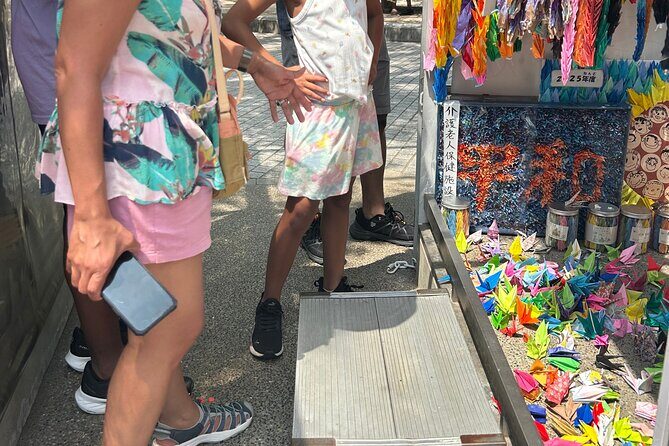
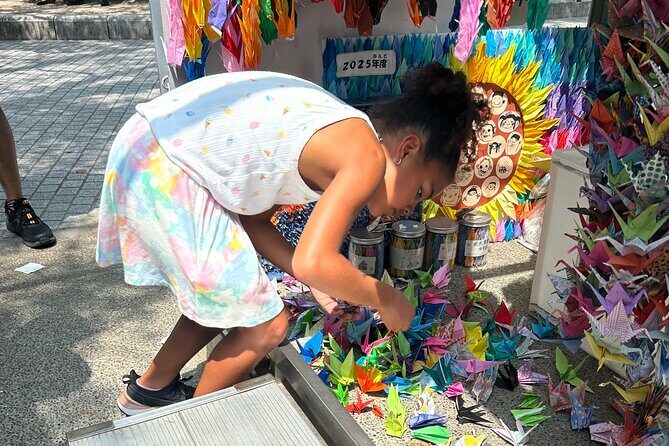
The dedication is the centerpiece. You’ll offer your handmade crane at the Children’s Peace Monument. This is where the craft becomes an action: you place your wish where other cranes, made by people around the world, carry prayers for peace.
After that, you’re dismissed to explore Hiroshima Peace Memorial Park on your own.
That free-exploring stretch is useful. It gives you the space to pause where you want—without feeling like the guide is rushing you through. Some people will spend their time reading and looking slowly. Others will focus on taking photos and then stepping back to just absorb the atmosphere.
If you tend to move fast, use this time to slow down on purpose. This is one of those places where rushing can flatten the meaning.
Price and time: is $52.02 good value?
At $52.02 per person, you’re paying for more than a paper workshop. You’re getting:
- guided instruction throughout the folding process
- materials (colorful origami paper) and all necessary fees and taxes
- a story component centered on Sadako Sasaki via illustrated manga
- the guided walk portion (about 20 minutes)
- your crane dedication at the Children’s Peace Monument
You also get a special gift: an origami set to take home. That’s a real add-on. It means you can keep practicing after the trip instead of finishing the session and never folding again.
What’s not included is also worth noting: there’s no hotel pickup/drop-off and no food or drinks. Plan to eat before or after.
If you like “one guided activity that creates an emotional anchor” for a destination, this price usually feels fair. If you’re mainly after sightseeing and you’re comfortable folding without instruction, you might feel it’s a bit pricey. But if you want the peace dedication tied to the folding, the guided structure is the point.
Booking wise, this experience is often booked about 26 days in advance on average. If you’re traveling during a popular window, don’t wait until the last week to decide.
Meeting point basics (so you don’t lose time)
You meet at Nippon Journey, located in Hiroshima, Naka Ward, Komachi, 913 4F (730-0041). It’s near public transportation, and it uses a mobile ticket.
One logistics detail that matters: the activity takes place on the 4th floor of a building without an elevator. So give yourself a little buffer when you arrive, especially if you’re traveling with a backpack or rolling luggage.
It’s also a private tour/activity. That means only your group participates, which often makes the pace feel easier—especially during the hands-on folding parts.
Who this is best for (and who should rethink it)
This works well for:
- couples, friends, or solo travelers who want something hands-on and reflective
- families with kids who are old enough to handle a craft session (it’s not suitable for children under 6)
- people who like guided context, not just a self-guided visit
If you’re traveling with a child under 6, the experience isn’t suitable for them, though they may accompany for free. That may help you keep the group together, but you should still plan on the main folding time being focused on participants who can comfortably participate.
Also, this is best for people who want a structured experience without heavy walking. The walk is about 20 minutes, and overall time is about 90 minutes including the walk.
Should you book this Hiroshima paper crane experience?
Book it if you want your Hiroshima Peace visit to feel personal and not just observational. The combination of folding, a clear story about Sadako Sasaki through an illustrated manga, and then dedicating your crane at the Children’s Peace Monument is a direct path to meaning. I also like that you leave with a take-home origami set, so the activity doesn’t end when the tour ends.
Skip it if you dislike crafts or you need a day packed with lots of separate sights. This is a focused experience with a specific destination and a specific emotional rhythm. If you match that style, you’ll get a lot out of it.
FAQ
How long does the origami peace experience take?
The experience runs about 1 hour 30 minutes (approx.). Including the walk to Peace Memorial Park, total duration is about 90 minutes.
Where do I meet the tour group?
You meet at Nippon Journey, 730-0041 Hiroshima, Naka Ward, Komachi, 913 4F.
Do I need hotel pickup?
No. Hotel pickup and drop-off are not included.
What’s included in the price?
All fees and taxes are included, along with all necessary materials such as colorful origami paper.
Is there a take-home item?
Yes. You receive an origami set as a special gift to take home.
Is this a group tour or private?
It’s a private tour/activity. Only your group participates.
Can children participate?
It’s not suitable for children under 6 years old. They may accompany for free.
Is the ticket mobile?
Yes, the experience uses a mobile ticket.
Are food and drinks included?
No. Food and drinks are not included.
What’s the cancellation policy?
You can cancel for free up to 24 hours in advance for a full refund. If you cancel less than 24 hours before the experience starts, the amount paid will not be refunded.