REVIEW · OSAKA
Osaka: Private Tea Ceremony Experience
Book on GetYourGuide →Operated by Japanese Culture Experience WA NO MA · Bookable on GetYourGuide
The calm starts before you even sit down. This private Osaka tea ceremony in Namba gives you a slow, guided matcha experience with lots of room for your pace and photos. I like that you get to make your own matcha (not just watch), and I also love the twice-served Japanese sweets that make the session feel like a full mini treat. One consideration: it’s not set up for wheelchair users, so plan accordingly if mobility is an issue.
You’ll meet the instructor in a convenient tourist hub, then settle into a quiet lesson with a friendly, English-capable guide. I especially appreciate the flexibility built into the experience, where you can request things like taking photos as you go or moving slower for a child. The only drawback is that it’s a focused 1-hour block, so if you’re hoping for extra add-ons like calligraphy, you’ll need a separate plan.
In This Review
- Key things you’ll notice fast
- Why Namba’s private tea ceremony feels calmer than group tours
- The 1-hour structure: learn, make, sip, and choose your bowl
- Choosing your tea bowl based on your mood
- Matcha making: what you actually do during your turn
- Japanese sweets twice: why that timing works
- Private, guided, and photo-friendly: what that means for your day
- Where you meet in Osaka: Namba location and simple directions
- Price and value: why $38 can make sense here
- Who this Osaka tea ceremony suits best
- What’s not included: calligraphy is separate
- Small practical notes so your session goes smoothly
- Should you book this private Osaka tea ceremony?
- FAQ
- Where does the Osaka private tea ceremony take place?
- When should I arrive for the meeting point?
- How long is the experience?
- How much does it cost?
- What is included in the price?
- What should I bring?
- Is smoking allowed during the experience?
- Is this activity wheelchair accessible?
- Does this include Japanese calligraphy?
Key things you’ll notice fast
- True private group time, with close attention from the instructor
- Hands-on matcha making, after learning the basics
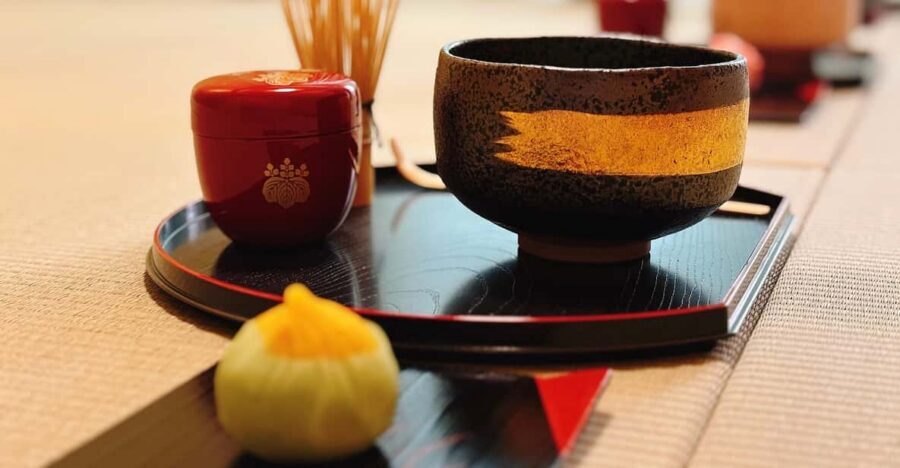
- Japanese sweets twice, served during the ceremony
- Tea bowl choice based on how you feel that day
- Photo-friendly pacing, with time allocated for your requests
Why Namba’s private tea ceremony feels calmer than group tours
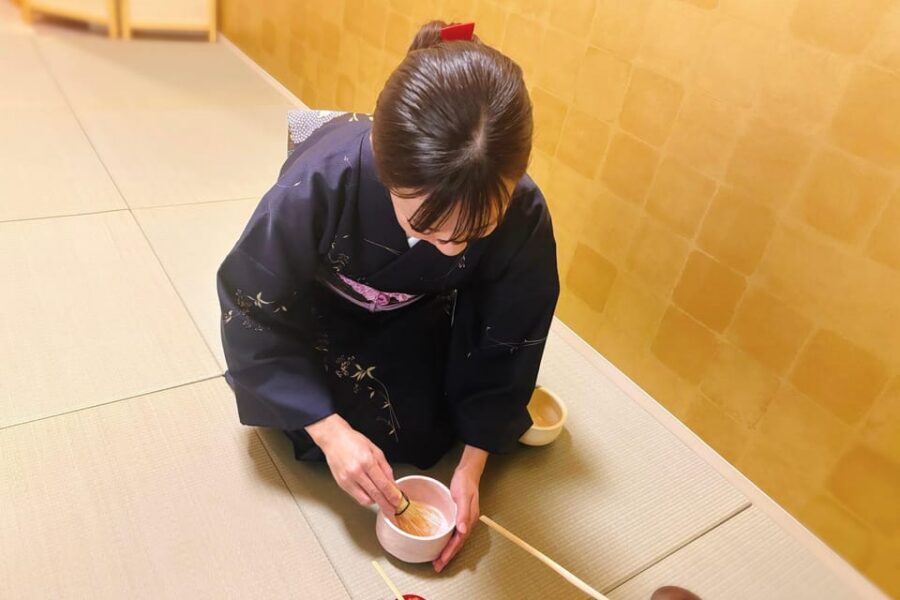
Osaka can move fast, especially around Namba and Shinsaibashi. This experience is built for the opposite feeling: a quieter moment where the instructor guides you step by step and the pace stays yours. Because it’s private, you’re not squeezed between strangers or rushed to keep the line moving.
I like how the format turns tea into something you do, not just something you watch. You learn the steps, then you try making it yourself in the same session. That difference matters, because the real satisfaction of a tea ceremony comes from practicing the motion and timing, even for a beginner.
One more thing I like: you’re given permission to bring your needs into the lesson. If you want lots of photos, or you want to slow down for a child, the experience is designed to handle that kind of request. For many people, that turns a cultural activity into a memory that actually fits their day.
You can also read our reviews of more private tours in Osaka

The 1-hour structure: learn, make, sip, and choose your bowl
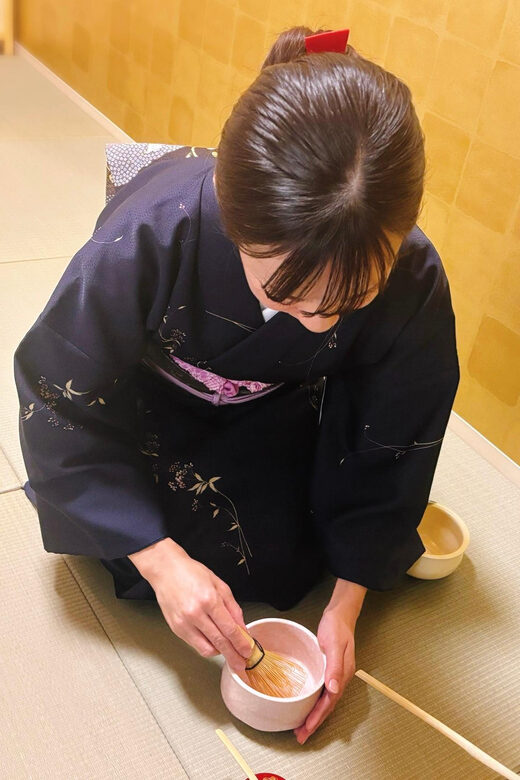
The experience runs for about 1 hour, and it follows a simple rhythm that’s easy to follow. First comes the lesson portion: you learn how to make tea properly, including the core movements and the mindset behind them. Then you switch roles and make matcha yourself.
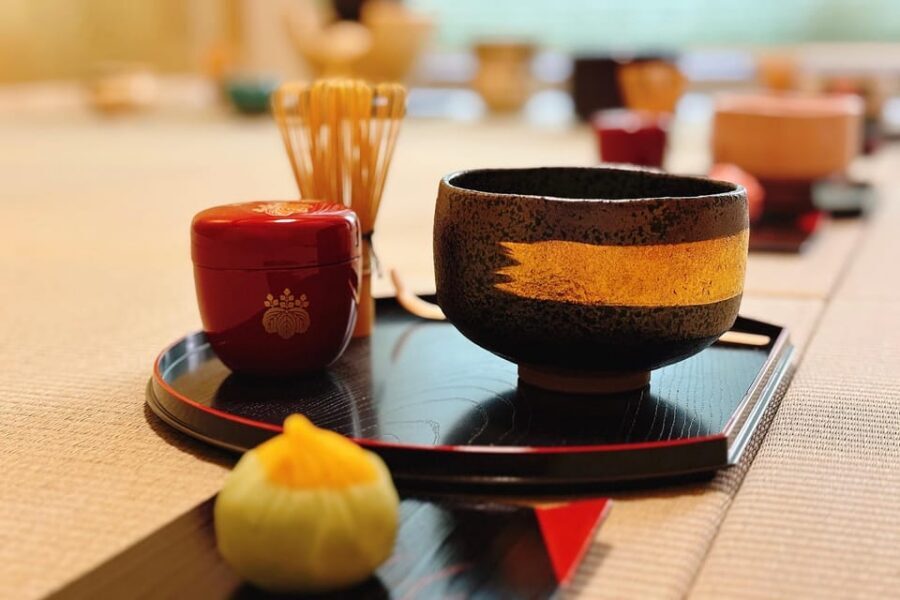
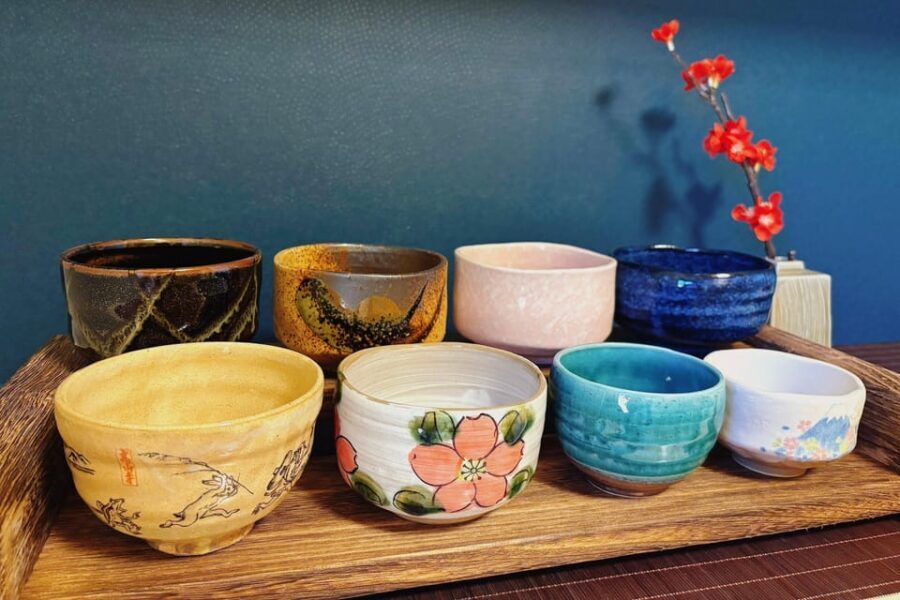
There’s also a built-in “today’s feeling” moment. During the tea lesson, you choose a tea bowl from several options that match how you feel at that time. It’s a small ritual, but it adds personality to the ceremony. You’re not just doing a fixed routine; you’re participating with a choice that makes the lesson feel personal.
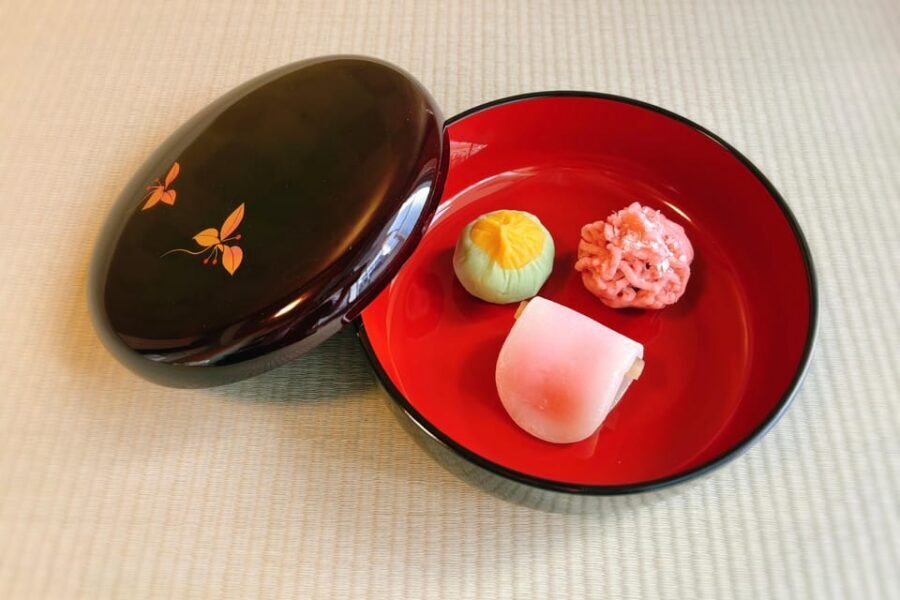
What you’ll taste is not just matcha on repeat. You also get Japanese sweets twice during the ceremony. That pacing helps the session feel balanced: you get a tea moment, then a sweet moment, then another tea moment. If you tend to find long tastings tiring, the breaks built into this format help.
Typical flow
- Instruction on making tea
- Your turn to make matcha
- Tea and sweets served during the ceremony (twice)
- Photo opportunities timed into the experience
Choosing your tea bowl based on your mood
The tea bowl choice is one of those details that sounds decorative until you feel it in practice. Your guide offers multiple attractive bowls, and you pick the one that expresses how you feel that day. That helps you connect the ceremony to your own emotional weather rather than treating it like a museum display.
For you, this can be a great way to break the “I don’t know what I’m doing” feeling. Beginners often worry they need expertise to enjoy tea culture. A mood-based bowl choice gives you an easy entry point. Even before you taste or pour, you’re making a decision and participating.
It also makes the photos more interesting. If you’re someone who likes documenting travel experiences, a bowl choice gives you a natural moment to capture: the moment you decide, then the moment you use it. Since the experience is private and photo-friendly, you won’t feel like you’re taking time away from anyone else.
Matcha making: what you actually do during your turn
This is a hands-on experience, so you won’t be stuck watching. After the instructor explains the fundamentals, you try making the matcha yourself. You’ll learn the process and then practice the steps with guidance.
That’s a big value point for first-timers. A tea ceremony lesson can sometimes feel like a performance you can’t affect. Here, you get a real attempt. Even if you don’t get it perfect, you’ll leave understanding the sequence and what makes good matcha preparation feel different.
Also, because your group gets dedicated time, you can ask for slower pacing. The experience specifically supports adjustments to match your comfort level, whether that means taking things slowly or moving at a calmer rhythm for a child.
One practical note: you’ll want to come prepared with socks. That’s the footwear expectation listed for the experience, and it helps things feel smoother once you arrive.
Japanese sweets twice: why that timing works
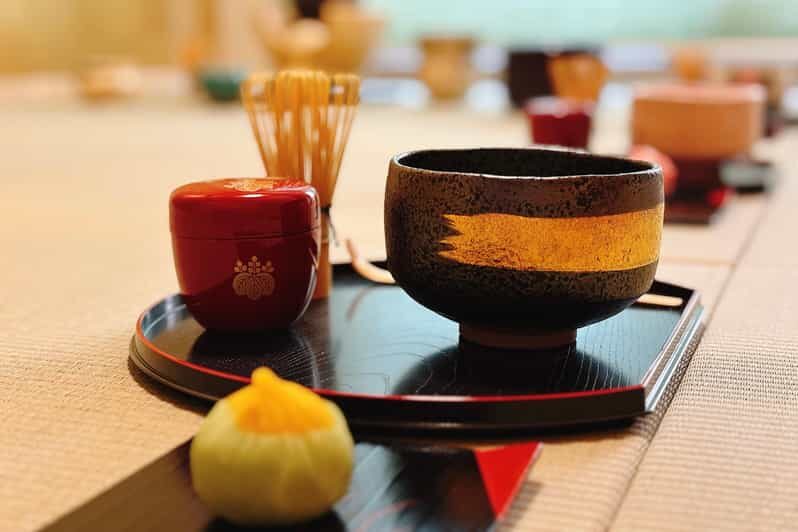
Tea ceremonies often include sweets, but the timing can make them feel like a sideshow or like an intentional part of the experience. In this one, you enjoy Japanese sweets twice during the ceremony. That means you get a sweet pause without interrupting the flow for too long.
If you’re traveling with kids, this can be a lifesaver. A short 1-hour activity can be easier when there’s an enjoyable moment built into the rhythm. And since you’re tasting sweets during the same session as your matcha lesson, it feels like part of the ritual rather than an unrelated snack.
Even for adults, I like that the lesson doesn’t ignore comfort. Tea culture can feel strict from the outside, but adding sweets twice helps create a friendlier atmosphere. It makes the experience feel more like a guided welcome into Japanese tea culture than a high-pressure etiquette lesson.


Private, guided, and photo-friendly: what that means for your day
This is a completely private experience, which changes the entire vibe. Your instructor closely attends to your group, so you’re not working around other schedules or other people’s questions. For most visitors, that translates into better explanations and fewer awkward moments.
It’s also built to be adjustable. You can request photo time, slow pacing, or other adjustments toward your satisfaction. That matters because tea ceremonies can involve small movements and quiet attention. When someone is constantly rushing, the calm can vanish. When you’re allowed to move at your pace, the experience feels more like you’re joining the ceremony instead of being processed through it.
The instructor is described as friendly and guiding, with Japanese and English support. So if you don’t speak Japanese, you still have a clear path to understanding what’s happening. That’s one reason this type of activity works well for couples, families, and solo travelers who want culture without a language hurdle.
Where you meet in Osaka: Namba location and simple directions
The meeting point is in Namba, which is convenient because you’re in the center of Osaka tourism. You’ll meet at the entrance of New Osaka Hotel Shinsaibashi, then walk west for about 30 seconds.
Look for a blue vending machine near the entrance. You’ll know you’re at the right place because the team waits outside the building about five minutes before your booking time, and they’ll be wearing kimonos.
From the Shinsaibashi-suji shopping street area, it’s straightforward to reach. In practical terms, this means you can pair it with a shopping walk before or after. You don’t need complicated transport planning just to find the start.
Price and value: why $38 can make sense here
At $38 per person for a 1-hour private session, the best question is: what’s included, and what does private time buy you?
You’re paying for more than tea. The experience includes:
- Instructor guidance
- Matcha making experience
- Matcha and Japanese sweets
- All fees and taxes
That’s the part that often makes the price feel fair. Many tea experiences add “extras” later, or they paywall tasting and hands-on practice. Here, the basics that matter for value are included up front.
The “private group” part is also where the money can pay off. In a private setting, the instructor can slow down, explain more clearly, and tailor pacing to kids or first-timers. If you’ve ever done a class where you can’t ask questions because you’re blending into the crowd, you’ll understand why that dedicated attention changes the worth of the experience.
Finally, it’s only one hour. That’s not a criticism; it’s a feature. You can fit it into a day of Osaka sightseeing without losing half the morning or afternoon.
Who this Osaka tea ceremony suits best
This tea ceremony is a strong fit if you want a calm cultural activity that’s still hands-on. It’s especially good for:
- Families who want a soothing break in the middle of a sightseeing day
- Couples who like quieter experiences and good photo moments
- First-timers who want to learn matcha without worrying about doing it wrong
It also makes sense if you’re planning around Namba and Shinsaibashi. The location means you can keep your day simple.
If you’re bringing someone who needs wheelchair access, note that it’s listed as not suitable for wheelchair users. For everyone else, it’s an approachable introduction to Japanese tea practice.
What’s not included: calligraphy is separate
You get matcha and sweets as part of the tea ceremony. Japanese calligraphy is not included in this plan. If calligraphy matters to you, you’d need to reserve the “Osaka: Private Tea Ceremony and Calligraphy Experiences” option instead.
This is a practical point for planning your time. Don’t assume you’ll automatically get an extra cultural craft. Decide what you care about most: matcha making alone, or matcha plus calligraphy.
Small practical notes so your session goes smoothly
A few details can make the experience feel effortless.
- Bring socks, since that’s what you’re asked to have.
- No smoking during the activity.
- The experience is guided by an instructor in Japanese and English, so you can rely on clear support even if your Japanese is limited.
- It’s described as a private group, so you can request pacing adjustments like taking photos and moving slowly.
Those small points add up. They’re the difference between “We tried it” and “We enjoyed it.”
Should you book this private Osaka tea ceremony?
If you’re in Osaka and want a quiet, guided, private cultural experience where you taste and make matcha yourself, I think this is a smart booking. The value is strongest when you care about hands-on learning, photo time, and a calm atmosphere that fits your family’s rhythm.
Book it if:
- You want matcha making, not just a demonstration
- You like that sweets are included twice during the ceremony
- You appreciate a guide who can slow down and explain patiently
Skip it (or plan a backup) if:
- Wheelchair access is required
- You want calligraphy included in the same session
Overall, this is the kind of experience that works especially well on a day when you want something meaningful, not exhausting. One hour, private attention, matcha you make yourself, and sweets timed right for a relaxed reset in Namba.
FAQ
Where does the Osaka private tea ceremony take place?
You meet at the entrance of New Osaka Hotel Shinsaibashi. Walk west for about 30 seconds and look for a blue vending machine near the entrance.
When should I arrive for the meeting point?
The team waits outside about 5 minutes before your scheduled booking time, and you should plan to arrive right around that window.
How long is the experience?
The tea ceremony experience lasts about 1 hour.
How much does it cost?
The price is $38 per person.
What is included in the price?
Included are all fees and taxes, the instructor, matcha and Japanese sweets, and the matcha making experience.
What should I bring?
You should bring socks.
Is smoking allowed during the experience?
Smoking is not allowed.
Is this activity wheelchair accessible?
No, it is not suitable for wheelchair users.
Does this include Japanese calligraphy?
No. Japanese calligraphy experience is not included in this plan. If you want calligraphy too, you’d need to book the separate tea ceremony and calligraphy plan.