REVIEW · FUKUOKA
Fukuoka: Nanzoin Temple and Reclining Buddha Guided Tour
Book on GetYourGuide →Operated by DeepExperience, Inc. · Bookable on GetYourGuide
The reclining Buddha changes your scale of things. A guided walk through Nanzoin Temple in Fukuoka puts the world-famous Nehanzo reclining Buddha front and center, and the route is paced so you actually understand what you’re seeing. I especially like how guides such as Morry can coach you through simple temple etiquette like washing your hands and bowing and praying the right way as you move through the grounds.
You’ll also get a satisfying sweep of quieter, more specific stops—Fudo Myo-o, the Okunoin sanctuary, a waterfall inside the temple grounds, and the rows of Mizuko Jizo statues. One possible consideration: English ability can vary by guide, so if you want a very detailed lecture in English, it’s worth choosing the option that best fits your comfort level.
In This Review
- Key moments you should care about
- Nanzoin Temple’s Nehanzo: the reclining Buddha you can’t ignore
- What the guided walk covers in 2–210 minutes
- Hakata vs Kido Nanzoinmae: choose the meeting point that matches your day
- The temple approach: etiquette first, photos second
- Main hall views and temple architecture that reward slow looking
- Fudo Myo-o and Okunoin: when the mood turns quieter
- The waterfall inside the grounds: a peaceful reset
- Mizuko Jizo rows: the emotional stop people remember
- Price and value: what $65 really includes
- Etiquette and practical tips that make the day smoother
- Who should book this tour (and who should consider DIY)
- Should you book this Nanzoin Temple guided tour?
- FAQ
- How long is the Nanzoin Temple guided tour?
- Where are the meeting points?
- Is the train included?
- What’s included in the price?
- What languages do the guides speak?
- Can I take photos?
- Is the tour wheelchair accessible?
- Is free cancellation available?
Key moments you should care about
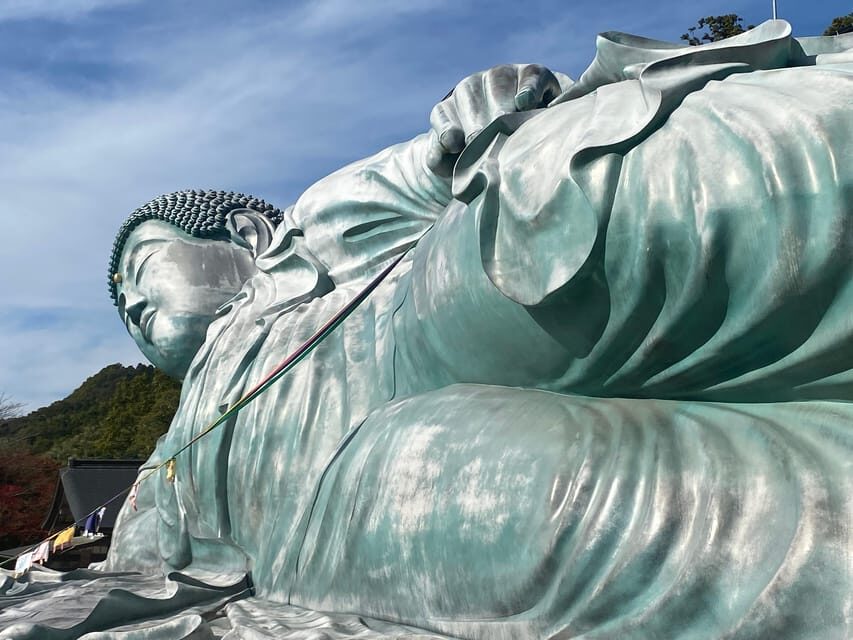
- Nehanzo reclining Buddha up close: One of the world’s largest, plus time for photos and even exploring its interior
- Ritual basics that feel practical: Hand-washing, bowing, and praying guidance that helps you participate respectfully
- Fudo Myo-o and Okunoin: Sacred stops that shift the mood from sightseeing to quiet focus
- Waterfall inside the temple grounds: A calm reset point during the walk
- Mizuko Jizo rows: A reflective stop connected to prayers for children
Nanzoin Temple’s Nehanzo: the reclining Buddha you can’t ignore
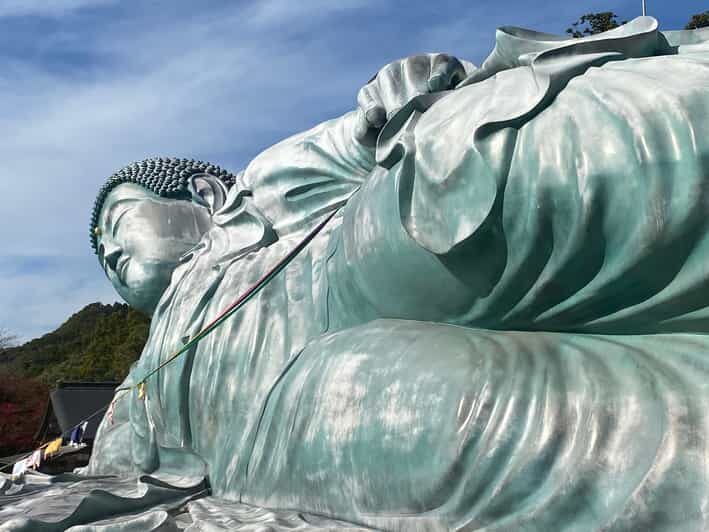
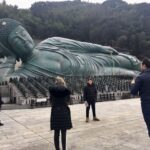
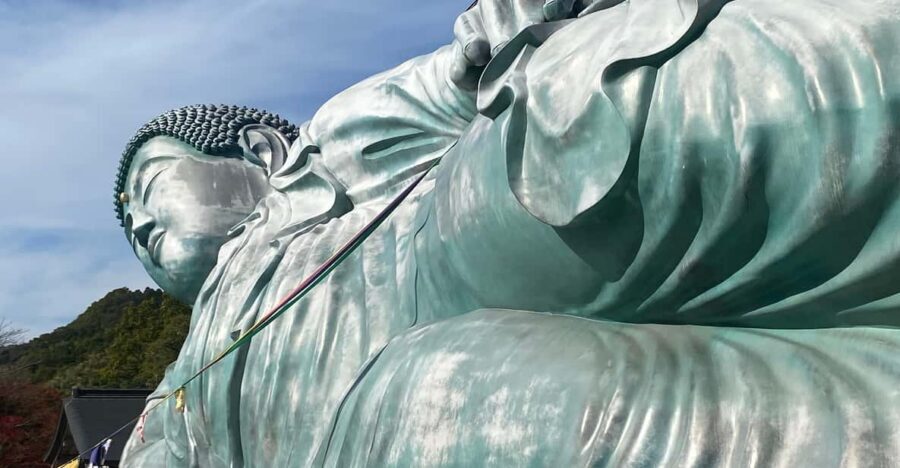
Nanzoin Temple in Fukuoka is famous for one thing you can’t properly appreciate from a photo: the reclining Buddha (Nehanzō). This is one of the largest reclining Buddhas in the world, and being there in person instantly gives you that rare feeling of scale—your brain has to adjust.
I love that the guided tour doesn’t treat the Buddha like a quick checkbox. You get time to stop, look at details, and take photos thoughtfully. Even better, you’re not only looking at the exterior. The experience includes a chance to explore the Buddha’s interior, which changes how you view it. From inside, the structure and craftsmanship feel less like a monument and more like a living sacred space.
The main hall is part of the payoff too. The route leads you through the temple grounds to the hall with stunning views, so you get a break from the “single subject” feeling. You’re seeing how the architecture, open spaces, and sightlines work together—exactly the kind of setting where temples stop being background scenery and become the main event.
You can also read our reviews of more guided tours in Fukuoka

What the guided walk covers in 2–210 minutes
This tour is built around one simple idea: get you from the entrance to the key sacred sites without rushing. You spend about 1.5 hours inside the temple area with a live guide, then add train time before and after.
The basic flow is:
- Start at your chosen meeting point
- Train ride for about 25 minutes
- Guided visit at Nanzoin Temple (about 1.5 hours)
- Return by train for about 25 minutes
- Drop-off at one of the two options
Because it’s a private group experience, the pace can feel more human than a big group tour. The guide can also slow down when it matters—especially during ritual moments like hand-washing and bowing.
Also, expect walking. The route includes multiple stops—main hall, Nehanzo area, Fudo Myo-o, Okunoin sanctuary, a nearby waterfall, and the Mizuko Jizo statues. The grounds can be uneven, so the tour is best when you show up with steady shoes and patience for a gentle climb of attention rather than speed.
Hakata vs Kido Nanzoinmae: choose the meeting point that matches your day
You have two starting options:
- 城戸南蔵院前駅 (Kido Nanzoinmae Station area)
- 福岡市観光案内所・博多駅 (Fukuoka City Tourist Information / Hakata Station area)
Here’s the practical difference that affects your cost: the tour includes the train transport only when you meet at Hakata Station. If you meet at JR Kido Nanzoinmae Station, the additional train cost is not included for getting to/from that station.
So I’d choose based on your plans that day:
- If you’re already in Hakata and want the simplest plan, meeting at Hakata tends to be easier.
- If you’re already near Kido Nanzoinmae, meeting there can save hassle.
Either way, you’re keeping the trip short and manageable. You’re not signing up for a full-day out-and-back—just enough time to see the reclining Buddha and then follow the spiritual route that ties everything together.
The temple approach: etiquette first, photos second
The tour begins at the entrance and moves along a guided path into the temple grounds. What makes this feel worth it is that the guide helps you get the basics right, not just what to look at.
I like this because temples are one of those places where etiquette is part of the experience. A guide such as Morry (from the Fukuoka area) can help you understand how to handle small but meaningful actions—like washing your hands, bowing, and praying as you pass through sacred spaces. When you understand the routine, you feel less like you’re watching from the outside.
Photography is allowed, but there are rules:
- Flash photography is not allowed
- Be mindful of worshippers and sacred areas
If you’re the type who likes to take photos, this still works—you just need to keep it respectful. The guide will likely help you spot where you can stop, where you should move along, and what not to do.
Main hall views and temple architecture that reward slow looking
After the initial walk, you reach the main hall area where the views open up. This is where Nanzoin Temple earns its reputation beyond the Buddha statue.
Instead of treating the main hall like a distant backdrop, the tour points you toward what to actually notice:
- how the space frames the Buddha and other sacred areas
- how the hall relates to the surrounding grounds
- how the architecture guides your eye
This matters because, without guidance, it’s easy to walk through and think you saw it all in a quick photo cycle. With a guide, you learn what to pause for. You start noticing details you’d probably miss on a DIY visit—like which viewpoints feel intended, and how the route connects the stops into one clear spiritual sequence.
Fudo Myo-o and Okunoin: when the mood turns quieter
One of the best parts of this tour is the shift from big spectacle to focused spirituality. The route includes the Fudo Myo-o statue and then the Okunoin sanctuary, which adds a different emotional tone.
Fudo Myo-o is the kind of figure you can spot even if you don’t know the exact symbolism. The guide helps you understand what that statue represents in a practical way: what you should do around it, how to treat it as a sacred object, and how it connects to the larger Shingon Buddhist practices you’ll hear about during the walk.
Okunoin sanctuary is where you start to feel the temple’s slower rhythm. Even if you’re not fluent in the language, the physical experience is clear: fewer distractions, more intentional stillness, and a sense that the space asks for quiet attention.
If you end up with a guide like Chiyako or Erika, you may also find the tone blends respectful explanations with warmth—enough to keep it interesting without turning sacred spaces into a classroom.
The waterfall inside the grounds: a peaceful reset
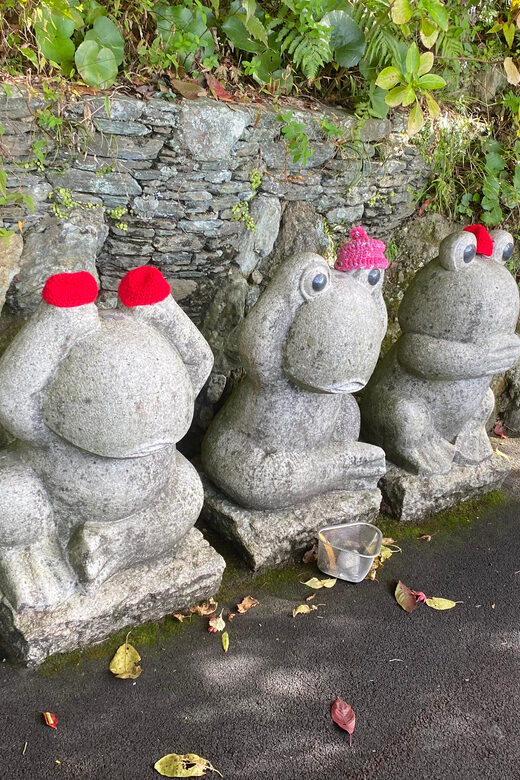
Most temple tours spend all their time on statues and halls. This one adds something simple and human: a waterfall inside the temple grounds.
It’s a small stop, but it’s a big deal for the feel of the tour. Water changes the tempo. It gives your eyes a break from carvings and statues and helps you slow down without being told to. If you’re the kind of traveler who gets “museum-tired,” this is your breathing moment.
Bring your camera, but do it with care. Flash is out, and you’ll want to be mindful near worshippers. Still, it’s absolutely the kind of scene you’ll be glad to have time for.
Mizuko Jizo rows: the emotional stop people remember
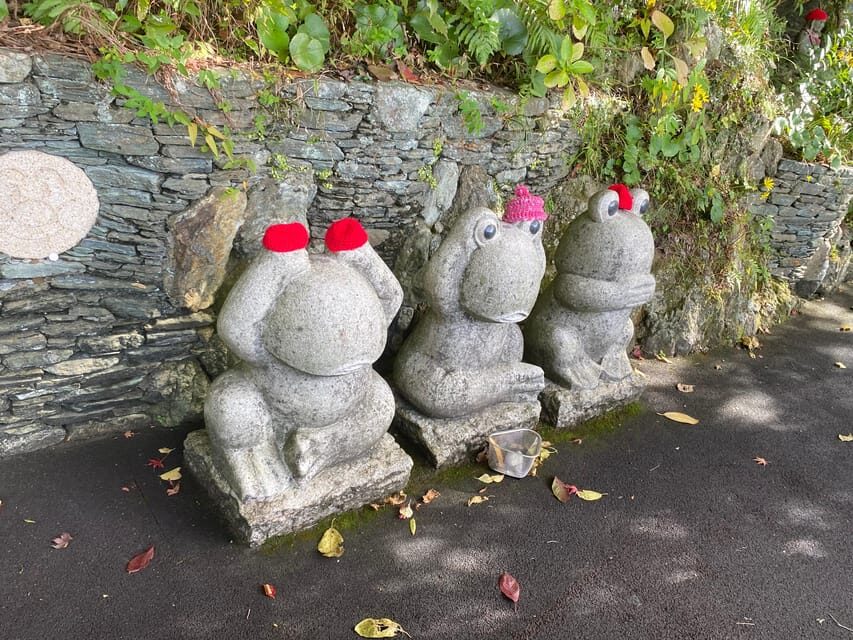
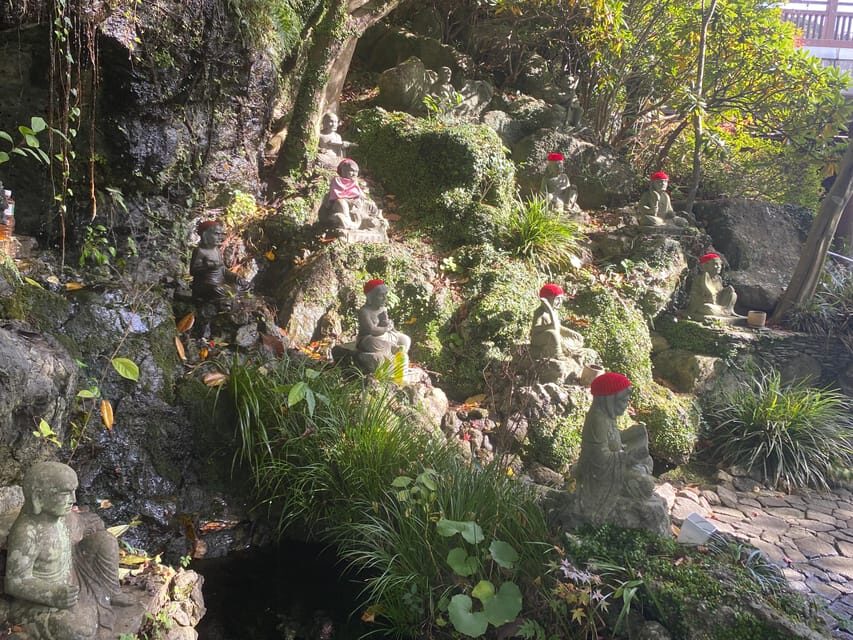
Near the end of the walk, you pass by rows of Mizuko Jizo statues. This is one of the most memorable parts of the route because it’s where the tour becomes more than architecture and iconography. It becomes personal.
Mizuko Jizo are dedicated to prayers connected to the protection of children. You don’t need a full religious background to understand why the moment lands. Standing in front of many small statues arranged in lines gives you that instant sense of collective intention—people coming to pray, reflect, and ask for protection.
I recommend you spend at least a minute without taking photos. Let your eyes adjust. Let yourself notice how the statues feel in repetition. Then, when you do take photos, you’ll likely frame them differently—less like a souvenir shot and more like a moment of respect.
Price and value: what $65 really includes
At $65 per person, this tour sits in the category of “guided experience” pricing rather than a cheap DIY ticket. The good news is that your money goes toward real value items:
What’s included:
- Guided tour of Nanzoin Temple
- Admission fee for the reclining Buddha
- Train transport fee by train to/from JR Kidonanzoinmae Station only when your meeting point is Hakata Station
What’s not included:
- Transportation to/from JR Kidonanzoinmae Station when your meeting point is that station
So the question isn’t only what you pay—it’s what you avoid. A guided route saves you from:
- figuring out the temple flow on your own
- missing etiquette details (hand-washing, bowing, praying)
- spending time guessing where to pause for the best moments
Could you DIY Nanzoin Temple? Yes, you might. But if your goal is to understand what you’re doing—how to participate correctly and what each sacred stop means—this tour makes that easier.
One more practical value check: if you’re hoping the tour price covers every possible form of transport, read the meeting-point options carefully. The train cost is included only with the Hakata meeting point option. If you want maximum clarity on logistics, pick the meeting point that matches how you’re already moving around Fukuoka.
Etiquette and practical tips that make the day smoother
This is a temple visit first. Treat it that way, and you’ll enjoy it more.
Bring:
- Comfortable shoes (the grounds can be uneven)
- Camera
- Water
Know the rules:
- No smoking
- No flash photography
- No littering
And remember the simple human advice:
- Keep your voice down.
- Move slowly near worshippers.
- If you’re unsure what to do, watch the guide’s timing. When guides show you the exact order—hands, bow, prayer—it saves you from second-guessing.
Who should book this tour (and who should consider DIY)
This is a great fit if you:
- want a short, structured temple experience in Fukuoka
- value guidance for correct rituals and respectful temple behavior
- enjoy seeing multiple sacred stops, not just a single statue
It’s less ideal if you:
- need wheelchair-friendly access, since it’s not suitable for wheelchair users and people with mobility impairments
- prefer totally self-directed sightseeing and don’t care about explanations
If you’re traveling with kids, the Mizuko Jizo stop may be a heavy-but-important cultural moment, especially because it connects to prayers for children. The key is bringing the right mindset: this isn’t about entertainment. It’s about meaning.
Should you book this Nanzoin Temple guided tour?
I’d book it if you want the Nehanzo reclining Buddha experience to come with context, not just photos. The tour’s strongest value is the way it stitches together the main hall views, the reclining Buddha (including time to explore the interior), and the more quiet spiritual stops like Fudo Myo-o, Okunoin, the waterfall, and Mizuko Jizo.
One final decision tip: if your priority is detailed English explanations, think twice if you’re sensitive to guide language comfort. The structure is consistent, but the storytelling can vary. If you’re okay with that, you’ll likely leave feeling that the temple was not just seen, but understood.
FAQ
How long is the Nanzoin Temple guided tour?
The tour duration is listed as 2 hours to 210 minutes, depending on the starting time you choose.
Where are the meeting points?
You can meet either at 城戸南蔵院前駅 or at 福岡市観光案内所・博多駅. The exact meeting point depends on the option you book.
Is the train included?
The tour includes the train transportation fee by train to/from JR Kidonanzoinmae Station only for the option where the meeting point is Hakata Station. If you meet at JR Kidonanzoinmae Station, that transport cost is not included.
What’s included in the price?
Your price includes a guided tour of Nanzoin Temple and the admission fee for the Reclining Buddha. Train transport is included only for the Hakata meeting point option.
What languages do the guides speak?
The live guide speaks Japanese and English.
Can I take photos?
Yes, photography is allowed, but you must be mindful of worshippers and sacred areas. Flash photography is not allowed.
Is the tour wheelchair accessible?
No. It is not suitable for people with mobility impairments and wheelchair users.
Is free cancellation available?
Yes. You can cancel up to 24 hours in advance for a full refund.