REVIEW · OSAKA
Osaka: Sushi Making Class and Dotonbori Food Tour
Book on GetYourGuide →Operated by TripGuru Japan · Bookable on GetYourGuide
Neon signs and fresh sushi rice can share a day. This Osaka experience pairs a hands-on sushi-making class with an easy guided walk through Dotonbori so you get both skill and street-level flavor. I especially like the fact that you’re not just watching. You shape, roll, and learn while an English guide keeps things clear.
The second big win is the guide-led stroll through Osaka’s best-known food area, where you get the stories and help choosing what to eat next. One consideration: food and drinks in Dotonbori are not included, so your total spend depends on how hungry you are and what catches your eye.
In This Review
- Key takeaways before you book
- Why Osaka Sushi Making and Dotonbori go together so well
- Meeting at Metro Namba Station Exit 24: easy to find, easy to start
- The 90-minute sushi class: from ingredients to your own rolls
- A note on the guide’s style (what to expect)
- What you’ll actually learn (and how to make it stick)
- Tasting your sushi: useful feedback, not just a snack
- Dotonbori walking food tour: guided choices, on your own budget
- How to eat smarter in Dotonbori with a guide
- Price and value: is $112 worth it?
- Who should book, and who should skip
- Best fit
- Not ideal if
- Practical tips that make the day smoother
- The best parts to lean into (based on real feedback)
- Should you book this Osaka sushi class and Dotonbori tour?
- FAQ
- FAQ
- How long is the Osaka Sushi Making Class and Dotonbori Food Tour?
- Where do I meet the guide?
- Is the tour guide English-speaking?
- What is included in the price?
- Are foods and drinks included during the Dotonbori part?
- Do I need cash?
- What should I wear?
- Is the tour private?
- Who is this experience not suitable for?
Key takeaways before you book
- Hands-on sushi making in a structured 90-minute class with ingredients and tasting
- English-speaking guide who explains the culture, not just the steps
- Meet at Metro Namba Station (Exit 24), a simple start point for Osaka first-timers
- Dotonbori walk with local guidance where you decide what to buy and drink
- Private group format (so you’re not lost in a crowd of strangers)
Why Osaka Sushi Making and Dotonbori go together so well
Osaka is a city where food isn’t an afterthought. It’s the plan. This tour fits that mindset: you learn a core skill in a real kitchen, then you walk into Dotonbori to see how street food culture feels in motion.
You’ll get two different kinds of value. The sushi class teaches technique and timing. The Dotonbori portion helps you interpret what you’re seeing—signs, stalls, and the snack logic locals use when choosing what to eat.
If you like experiences that feel practical (not just photo stops), this one has that tone. You’ll leave with both a full stomach and a clearer idea of how Japanese food culture works day to day.
You can also read our reviews of more food & drink experiences in Osaka
Meeting at Metro Namba Station Exit 24: easy to find, easy to start
Your day begins at Metro Namba Station (Exit 24). That’s a good choice because Namba is a major hub, and it’s easier to regroup there than at a random side street.
Look for a guide wearing a TripGuru shirt or holding a TripGuru sign. It’s a small detail, but it saves time when you’re traveling in a new city and trying not to wander in the wrong direction.
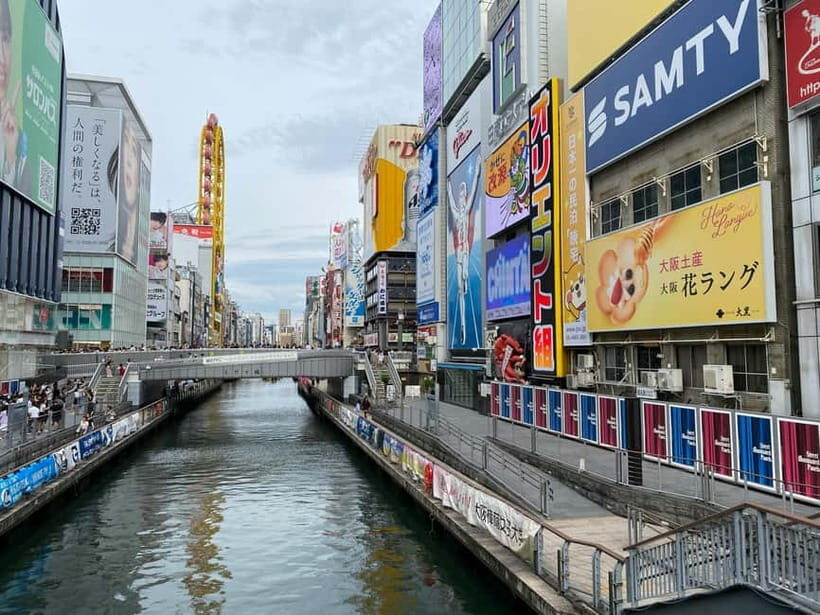
Wear comfortable shoes. The Dotonbori part is a walking tour, and you’ll want your feet to stay happy. Bring your camera too, since the area is famous for its eye-catching street scene.
The 90-minute sushi class: from ingredients to your own rolls
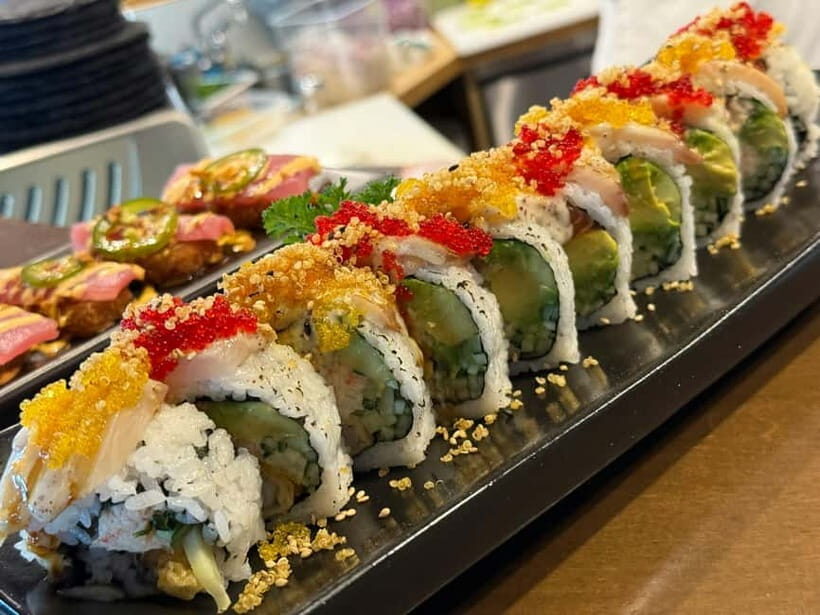
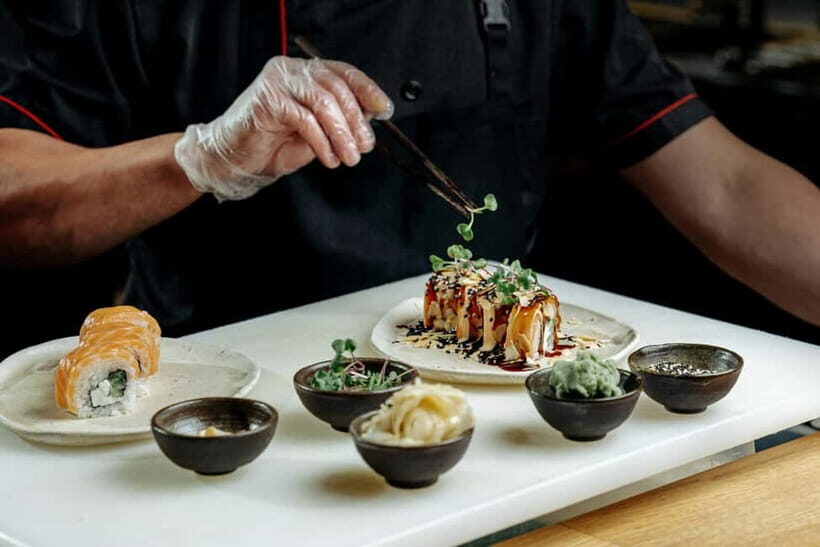
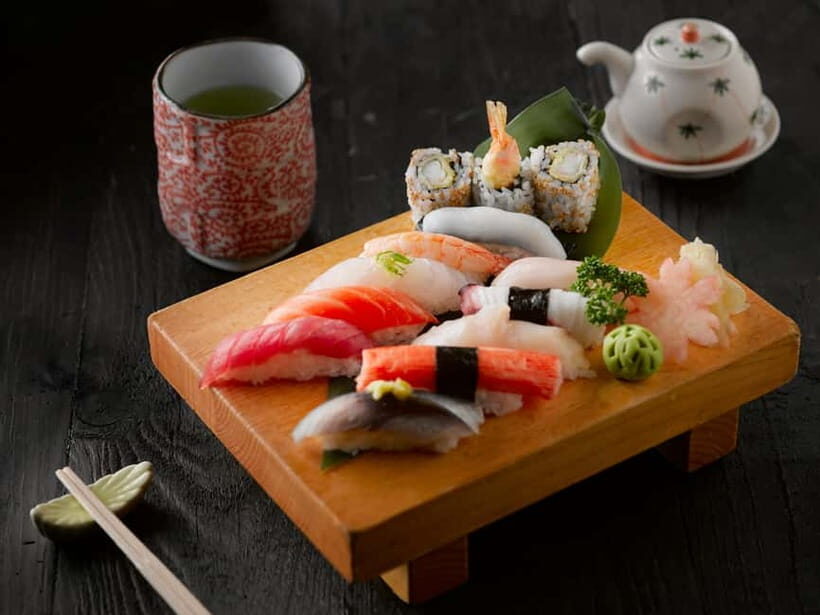
The heart of this experience is the 90-minute sushi-making class. You’re in a local kitchen setting, working with fresh ingredients, and learning traditional techniques under an English-speaking instructor.
This is not a sit-and-watch performance. You make sushi from scratch. That usually means a lot of small tasks that add up: prepping, shaping, rolling, and tasting as you go.
I like classes like this because they turn sushi into something less mysterious. Once you handle the rice and get a feel for the way sushi pieces should come together, you stop thinking of sushi as a restaurant trick and start seeing it as a skill with steps.
Also, the format includes tasting. So even if you don’t know what you’re aiming for yet, you’ll have a real reference point while you learn.
A note on the guide’s style (what to expect)
From one verified booking, the guide Leo was praised for being informative about local culture, and the walking portion was especially enjoyable with him. Another booking described the class as friendly.
So the tone you can hope for is: clear explanations, friendly pace, and enough context that your sushi effort feels connected to the food culture around it.
What you’ll actually learn (and how to make it stick)
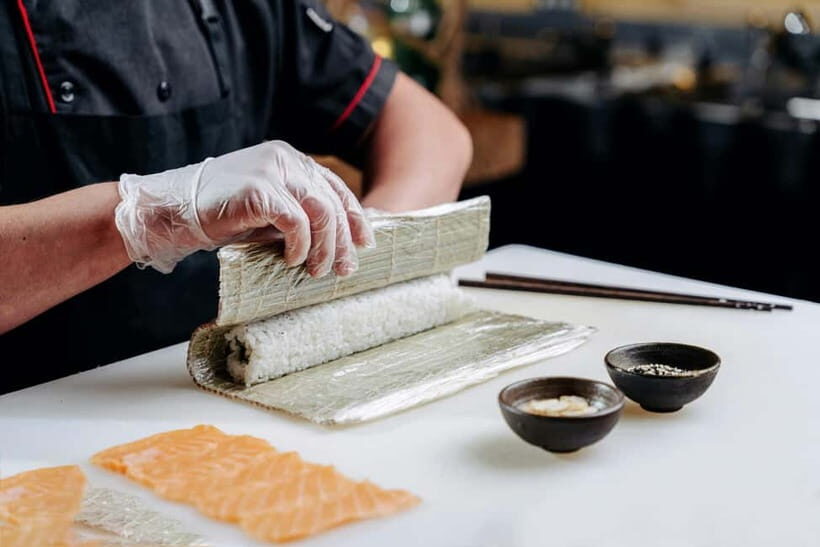
Even though the exact sushi styles can vary, the training logic stays the same. You’ll learn how to work the main components into something that holds together and tastes right.
Here’s what you should pay attention to during the class:
- Rice and texture: sushi is about the balance of stickiness and bite
- Rolling/assembly: keep your hands steady and avoid rushing the shaping
- Flavor balance: taste along the way, not only at the end
If you want to remember the key steps later, ask quick questions during pauses. Things like how the instructor checks consistency, or what to adjust if the rice feels too sticky or too loose. You’ll get better results when you understand the reasoning, not just the motion.
And since ingredients are included, you can focus on learning instead of worrying about what’s missing.
A few more Osaka tours and experiences worth a look

Tasting your sushi: useful feedback, not just a snack
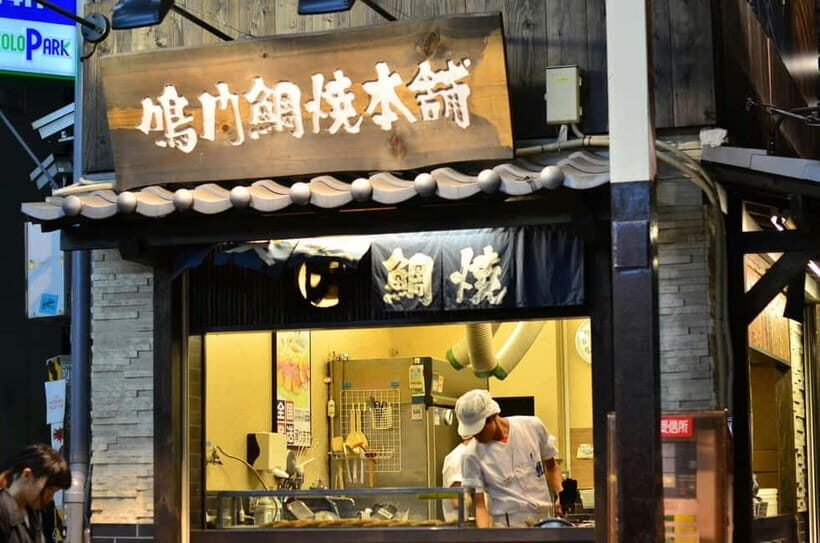
Tasting is included, and that matters more than you might think. In food classes, the tasting moment is where learning becomes real.
As you taste, you’ll start to connect technique with outcome:
- Does the roll hold together the way it should?
- Does the rice feel balanced rather than bland or overpowering?
- Do the flavors sit together instead of fighting?
This is also your chance to compare your expectations with what good sushi actually tastes like. If something feels off, the guide can usually explain what causes that difference.
It’s a small window of feedback, but it’s the kind that helps you improve next time you eat or make sushi on your own.
Dotonbori walking food tour: guided choices, on your own budget
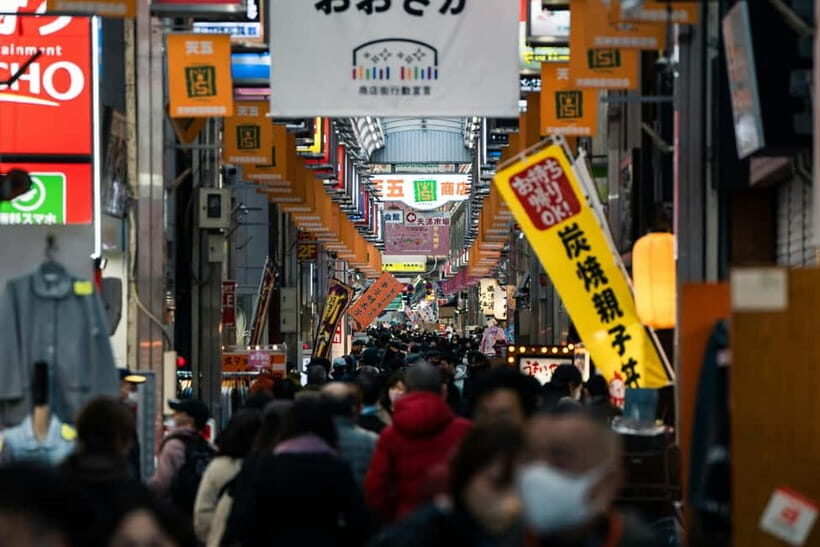
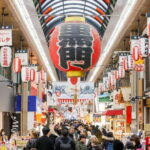
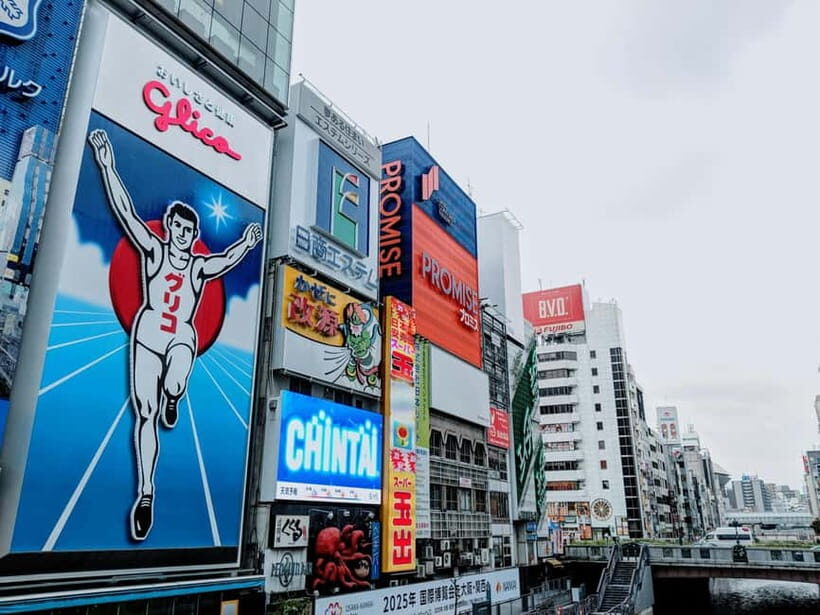
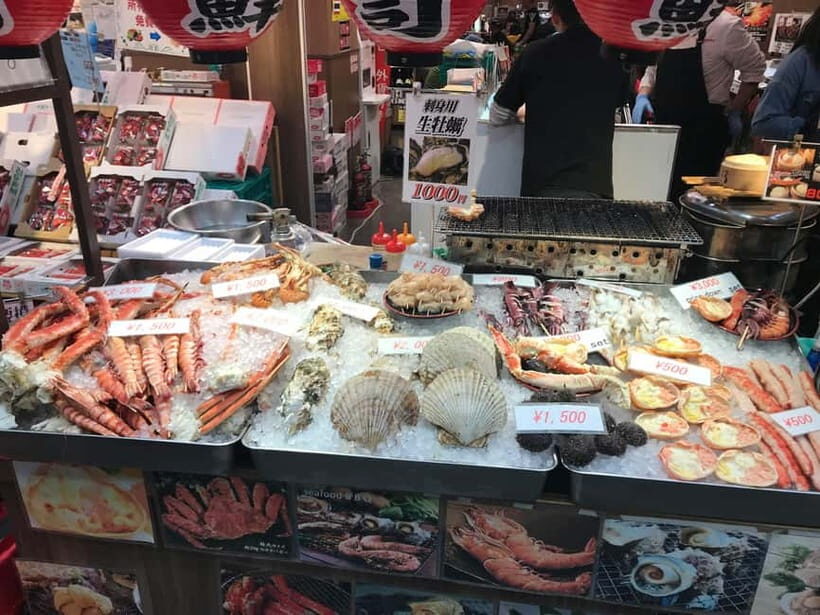
After sushi, you’ll head to Dotonbori, Osaka’s famous entertainment and street food district. Expect glowing signs and plenty of choices, plus a guide who helps you make sense of it all.
The guided walking tour includes a stroll and recommendations, but foods and drinks are at your own expense. That’s not a downside—it’s a trade-off that lets you match what you buy to your tastes.
In the tour description, you’ll sample a few must-try snacks with your guide. Practically, that usually means you’ll still pay for what you eat and drink, while the guide handles the decision-making and keeps you moving to good options.
How to eat smarter in Dotonbori with a guide
A good street food guide can save you money and disappointment. Here’s how to get the most out of the walk:
- Let the guide steer the first couple picks, especially if you’re new to the area
- Don’t be afraid to ask what’s popular and what’s easiest to enjoy on the street
- If a stall line looks intense, ask if there’s another option nearby that’s just as worthwhile
You’ll end your tour in Dotonbori, and you’re welcome to stay after for photos and extra exploring. That’s handy if you want to turn the guided portion into a longer evening.
Price and value: is $112 worth it?
At $112 per person for about 150 minutes, you’re paying for two things: structured sushi instruction and guided street food orientation. On paper, that looks straightforward. In real life, the value depends on how you like to travel.
You’re getting:
- an English-speaking guide
- 90 minutes of sushi-making with ingredients and tasting
- a guided walking tour in Dotonbori
What’s not included:
- food and drinks during the Dotonbori portion
So where does the money go? Mostly into the class component. Sushi instruction with ingredients included is the expensive part. The Dotonbori walk then adds context and reduces your guesswork once you’re in one of Osaka’s busiest food zones.
If you’re someone who learns best by doing, this price feels more fair. If you only want to taste street food and aren’t into hands-on classes, you might prefer a pure food tour. But for many visitors, the combo is a strong deal because you end up with both skill and local direction.
Who should book, and who should skip
This experience is clearly aimed at people who are comfortable walking and participating in a hands-on activity.
It is not suitable for:
- pregnant women
- people with mobility impairments
- people with respiratory issues
- people with high blood pressure
If you fall into any of those categories, it’s best to choose a different style of tour.
Best fit
You’ll likely enjoy this most if you:
- are visiting Osaka for the first time
- want an activity that feels interactive, not passive
- like food culture explanations while you eat
- want an English guide to handle the navigation and cultural context
Not ideal if
If you don’t want to spend extra on food and drinks, remember Dotonbori eats are at your own expense. Also, if walking is a pain point for you, wear shoes that can take a beating.
Practical tips that make the day smoother
A few small things can prevent common travel-day headaches.
Bring cash. The tour instructions call that out, and it’s smart to have it ready for Dotonbori snacks and any other purchases you decide to make on the street.
Plan for comfort. You’ll be doing hands-on work in the class and then walking afterward. Comfortable shoes matter more than you think when you’re on your feet in a neon-lit district.
Bring your camera for photos. The meeting point is fixed, and you’ll end in Dotonbori, so you’ll have lots of chances to capture the street scene without rushing.
Finally, if you like learning, prepare one or two questions before you arrive. It helps you turn a fun class into something you remember.
The best parts to lean into (based on real feedback)
The most praised aspects are clear.
First, the guide quality. One verified booking highlighted Leo as great—informative about local culture, and a pleasure to walk with. Another booking described the sushi cooking as nice and friendly. That combo matters: it usually means you feel guided instead of rushed.
Second, the overall experience flow. The pairing of sushi-making plus Dotonbori walking gives you a complete arc. You don’t just learn how sushi is put together; you also get the context of where food culture lives outside the classroom.
If there’s any drawback, it’s the cost flexibility on the food side. Since foods and drinks in Dotonbori are not included, you can end up spending more than you planned if you go snack-happy. Go in with a rough budget and you’ll feel in control.
Should you book this Osaka sushi class and Dotonbori tour?
I’d book it if you want a food-focused afternoon that teaches a skill and then shows you how that skill connects to the street.
It’s especially worth it if:
- you enjoy hands-on cooking classes
- you want an English guide to explain what you’re seeing
- you like the idea of ending in Dotonbori with time to keep exploring
Skip it if:
- you need everything food-related to be fully included in the price
- walking is tough for you
- you fall into the listed unsuitability categories
If you’re an average first-time visitor who wants to leave Osaka feeling like you actually learned something about food culture, this is one of those rare tours that has both fun and payoff.
FAQ
FAQ
How long is the Osaka Sushi Making Class and Dotonbori Food Tour?
The total duration is 150 minutes.
Where do I meet the guide?
Meet at Metro Namba Station, Exit 24.
Is the tour guide English-speaking?
Yes, the guide is English-speaking.
What is included in the price?
Included are the English-speaking guide, a 90-minute sushi-making class with ingredients and tasting, and a guided walking tour in Dotonbori.
Are foods and drinks included during the Dotonbori part?
No. Foods and drinks in Dotonbori are at your own expense.
Do I need cash?
Yes. You should bring cash as noted in the tour information.
What should I wear?
Wear comfortable shoes for walking.
Is the tour private?
Yes, it is listed as a private group.
Who is this experience not suitable for?
It is not suitable for pregnant women, people with mobility impairments, people with respiratory issues, and people with high blood pressure.