REVIEW · FUKUOKA
Private shore excursions in Kyushu, Japan
Book on Viator →Operated by Shannon Lefebvre · Bookable on Viator
Kyushu in one day? Yes, and it works. This private Fukuoka shore excursion strings together temples, coastal sights, Nagasaki history, and hot-spring-style oddities with real flexibility—you decide how long you want to linger at each stop. I especially liked the native English-speaking guide Shannon Lefebvre, who keeps the day flowing with stories that make each place click. The other standout: everything is built for cruise-day sanity, with pickup, a/c comfort, lunch, drinks, WiFi, and bottled water. The one drawback to plan for: it is a full 10–12 hour day packed with many stops, so you will feel the travel time even though you can adjust how long you stay.
What makes this feel different from big group tours is the vehicle choice and the pace philosophy. You ride in spacious Toyota vans (Grand Hiace for 8, Commuter Hiace for 10, or Microbus for 15), with easy entry/exit and a professional driver. Most visits start as short stops, then you can extend or shorten at the venues to match your energy and interests, which is great if your group wants photos first or explanations first.
And this route is a strong mix of light and heavy. You’ll see learning-focused shrines, hands-on food moments, dramatic volcanic-era sites, and emotional memorial spaces—plus fun detours like an observation deck and even a sand-bath experience. Just keep your expectations honest: this is not a slow, single-area day.
In This Review
- Key highlights that make this Kyushu shore day worth it
- Private van logistics: how this shore excursion stays comfortable
- Morning temple and shrine route: Nanzoin Temple to Dazaifu Tenmangu
- Ichiran no Mori and Suginoya Brewery: food culture without the museum vibe
- Yusentei Park and Hakata Port Tower: culture and city scale
- Megane Bridge to Shimabara Castle: classic scenery with a story behind it
- Unzen’s buried houses and hellscape views: balancing awe and respect
- Hot Foot 105 plus Nagasaki memorial stops: a heavy day, paced for real people
- Beppu and Oita hot springs mood: Chinoike Jigoku, observation deck, and Yufuin
- Hita brewery, Mamedamachi shopping street, and Shiroyama views
- Kagoshima-style stops: Shirakane Ishigura, Saraku sand bath, and Chiran Peace Museum
- What you really get each day: lunch, drinks, WiFi, and Shannon’s day-to-day tailoring
- Price and value: what $1,759.12 per group buys you
- Who should book this private Kyushu shore excursion
- Should you book this Kyushu shore excursion?
- FAQ
- How long is the Kyushu private shore excursion?
- What’s the group size and vehicle type?
- What’s included in the tour price?
- Are tickets and admissions included?
- What happens if the weather is poor?
- What is the cancellation policy?
Key highlights that make this Kyushu shore day worth it
- Private, flexible timing so you can stay shorter or longer at each venue instead of marching in lockstep
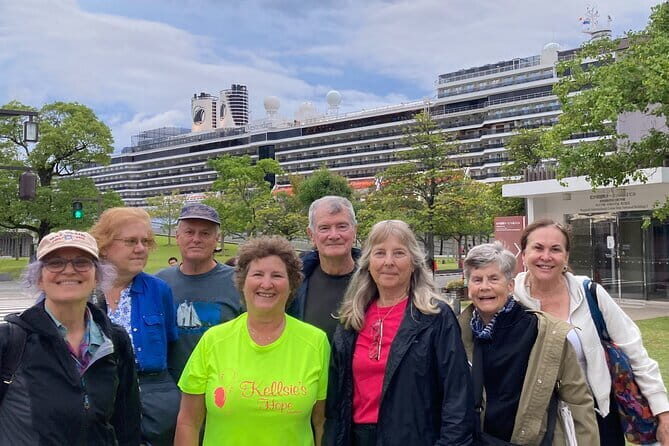
- Shannon Lefebvre guiding in fluent English, with cultural context and humor that keeps the mood up
- All-in-one comfort: air-conditioned Toyota van, WiFi on board, bottled water, lunch, and alcoholic beverages
- A wide spread of Kyushu: Fukuoka, Dazaifu, Itoshima, Nagasaki area, Beppu/Oita, Hita, and Kagoshima-style stops
- Admission coverage for key stops (some entries are free, others are included), so you’re not stuck budgeting minute by minute
Private van logistics: how this shore excursion stays comfortable
When you’re doing a port-based day trip, logistics can quietly ruin your day. Here, the basics are handled. Pickup is offered, and you ride with a professional driver plus a native English-speaking guide. You also get WiFi on board and bottled water, which sounds small until you’ve been on a ship all day and your phone battery is tired.
The vehicle layout matters on a long day. The Toyota Grand Hiace fits 8 passengers, the Toyota Commuter Hiace fits 10, and a Toyota Microbus can seat 15. All are described as spacious with easy entry/exit, which helps when you keep getting in and out for quick photo breaks.
One more thing: this is a private activity. Only your group participates. That means you’re not balancing different interests like a classroom. If your group wants history, you can lean into it. If you want food and viewpoints, you can do that too.
You can also read our reviews of more private tours in Fukuoka
Morning temple and shrine route: Nanzoin Temple to Dazaifu Tenmangu
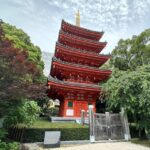
The day starts with a calm, culturally grounded pace. The first stop is Nanzo-in Temple, set out in remote countryside on the outskirts of Fukuoka City. Even if you’ve seen a lot of Japanese temples, this one is framed as “remarkable” and quieter than the most crowded city spots. Admission is listed as free, which is a nice win early on.
Then you head to Dazaifu Tenmangu Shrine, about 30 minutes from central Fukuoka City. It’s dedicated to the God of Learning, so it naturally connects to school themes, exams, and the kind of hope people attach to writing and study. If your group enjoys shrines where the atmosphere matters more than big ticket attractions, this stop often feels like a good gear shift from cruise noise.
Practical tip: mornings are usually when you get the best photo light and the least crowd stress. If your group likes temple paths and shrine grounds, arrive ready to walk a little and take your time. And because the tour philosophy allows flexibility, you can extend if the place grabs you.
Ichiran no Mori and Suginoya Brewery: food culture without the museum vibe
Next, you get a more playful food stop: Ichiran no Mori in Itoshima. The big hook here is that you can see a viewing-window look at the manufacturing process of the noodle components. There’s also mention of the soup recipe and process, which makes it more than just a storefront. Admission is listed as included.
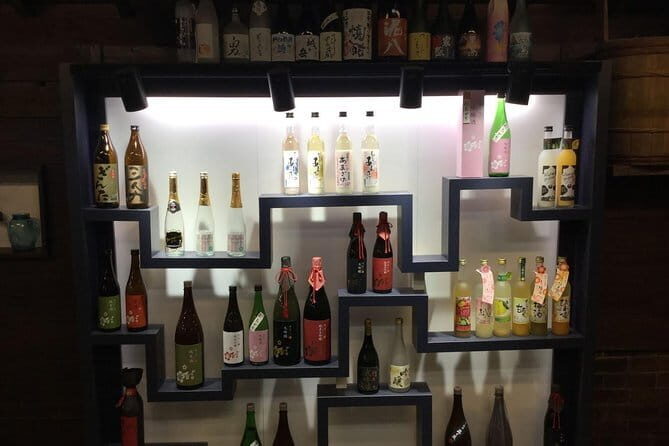
Then comes Suginoya Brewery, one of the popular stops on their Itoshima Peninsula tours. The focus is the traditional sake brewing process and exploring the older, visually appealing side of how it’s made. Admission is listed as free.
Here’s why I like this pairing for a shore day: temples and shrines are great, but food stops keep the brain fresh. You learn by watching how things are made, and it breaks up the day so you don’t feel like you’re on a checklist.
Yusentei Park and Hakata Port Tower: culture and city scale
A very “Fukuoka-feeling” stop follows at Yusentei Park, located in the middle of the city. Admission is listed as included. The description points to it as a rare find that hits Japanese cultural expectations—exactly the sort of stop that makes a port day feel more local instead of touristy.
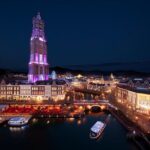
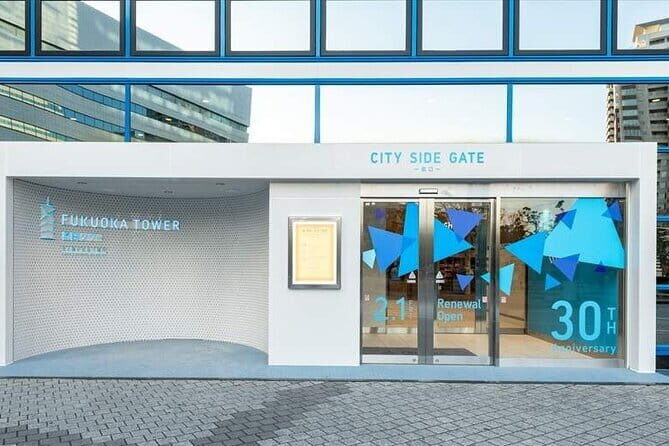
After that, you get the harbor perspective at Hakata Port Tower, in the bayside district. It’s described as a beacon of hope that life and travel are back closer to pre-pandemic levels. Admission is free.
This part of the route is useful even if you don’t care about towers. Views help you mentally reset. When you’re doing a 10–12 hour day, those visual pauses stop you from feeling like you’re stuck in transit.
Megane Bridge to Shimabara Castle: classic scenery with a story behind it

Next is Megane Bridge, also known as the Spectacle Bridge, in Isahaya Park. It’s a double arch stone bridge spanning a pond. It’s described as twice the size of the famous Spectacle Bridge. Admission is free, and this is one of those places where you can get quick photos without a huge time commitment.
Then you move to the Shimabara Castle area on the Shimabara Peninsula, between Ariake Bay and Mount Unzen. The descriptions highlight the moat and its measurements, including depth and width, plus the extended outer moat distance. Admission is listed as included.
After the castle, you’ll see Samurai Houses, also called Samurai Street, which commemorates the old samurai section of Shimabara City. The street is lined with stone walls and a spring water canal through the center. Admission is free.
Why this works for a shore day: you get architecture, scenery, and a sense of how power and daily life overlapped in older Japan. And if your group likes history that is visible and walkable, you can slow down right there.
Unzen’s buried houses and hellscape views: balancing awe and respect
Now the route turns more serious. First, there are the Buried Houses of Mt. Unzen Eruption Preservation Park. The damaged houses are described as a direct result of the Unzen volcano explosion, with eruptions including the 1990–1995 period and the devastation that followed.
Then you continue to Unzen Jigoku (Unzen Hell). It’s within Unzen Town and designated as a National Park. The descriptions call out wild birds, alpine plants, and features including frothy or bubbling elements.
Admission is listed as free for both stops.
This section is worth approaching with a simple mindset: look closely, but keep your tone respectful. Volcanic disaster sites can feel surreal—almost like nature took an old building and redrew reality. If your group is sensitive to heavy topics, it can help to take a short pause at the beginning of these stops so everyone is ready.
A practical advantage: the tour’s pacing flexibility helps here. If you want a quick walk-through, do that. If you want more time reading what’s in front of you, stay longer.
Hot Foot 105 plus Nagasaki memorial stops: a heavy day, paced for real people
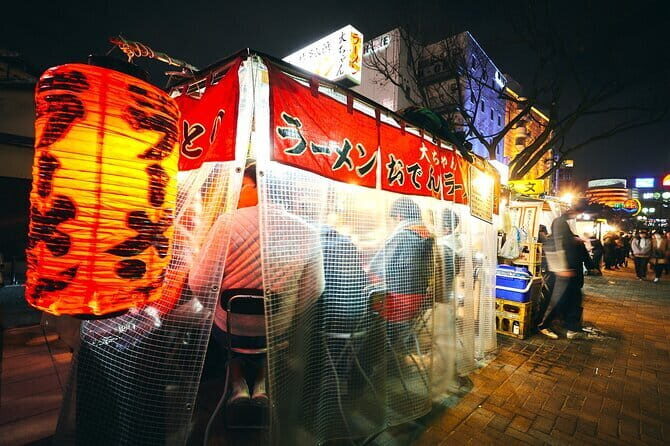
After volcanic-era sites, the route brings you to coastal “warm and practical” food culture at Hot Foot 105. It’s right on the water edge. The description highlights steamed vegetables, snacks, alcoholic and non-alcoholic beverages, and a foot-on-water-edge onsen-style idea. Admission is listed as free.
From there, you shift into Nagasaki history and peace education.
You’ll visit the Nagasaki Atomic Bomb Museum, located above the epicenter. Admission is listed as included. The exhibits are described as showing overwhelming destruction caused by the bombing and explaining the importance of world peace.
Then you go to Nagasaki Peace Park, where admission is listed as free. The description includes the death toll of 74,000 and another 75,000 suffering injuries.
This is not a quick photo stop. Give it time. I like that the tour includes both the museum and the peace park, because they complement each other: one tends to focus on artifacts and testimony, while the park anchors you in space and reflection.
If your group tends to move fast, I’d still recommend slowing down at least at the museum. You’ll get more out of it, and your brain will have time to absorb what you’re seeing.
Beppu and Oita hot springs mood: Chinoike Jigoku, observation deck, and Yufuin
Next is Chinoike Jigoku (Blood Hell Ponds) in Beppu, Oita Prefecture. Admission is listed as included. The key detail here is the blood-red color, said to be linked to the ponds’ mineral properties, and the claim that it’s existed for over 1,300 years.
Then comes Jumonjibaru Observation Deck, described as a great lookout. Admission is free.
Finally, you reach Yufuin Onsen, one of the best-known onsen areas in Oita. Admission is listed as free.
This part of Kyushu shifts the emotion in a good way. After memorials and disaster sites, a hell-pond and viewpoint give your day a different energy. You’ll probably enjoy it more if you treat it as variety, not as more “serious learning.”
Practical advice for hot-spring-adjacent stops: wear comfortable shoes and keep an eye on your group’s pace. You’ll be moving in and out of different areas through the day.
Hita brewery, Mamedamachi shopping street, and Shiroyama views
Now you get to a more relaxed rhythm.
You’ll stop at Sapporo Beer Kyushu Hita Brewery. Admission is listed as included, and it’s framed as a beer lovers paradise. After that you’ll visit Mamedamachi Shopping Street, described as a great shopping street, with admission listed as free.
Then you move to Shiroyama Observatory, described as a lookout of epic proportions, and admission is listed as free.
For many people, this is where the day stops feeling like pure sightseeing and starts feeling like travel. Shopping streets and breweries are the places where you pick up small gifts, snack ideas, and things that remind you of the day later.
If you want souvenirs, set a simple plan before you arrive. Decide how much time you’ll spend shopping so you don’t lose your group to decision fatigue.
Kagoshima-style stops: Shirakane Ishigura, Saraku sand bath, and Chiran Peace Museum
Kyushu’s southern edge shows up in the last stretch.
First is Shirakane Ishigura Museum, described as a brewery especially for spirits of Kagoshima. Admission is free.
Next is Saraku Sand Bath Hall, described as a once-in-a-lifetime experience, with admission listed as included. This is one of the most memorable “activity” style stops on the route. The point isn’t just to watch. You’re meant to try it in some form, so plan your energy for a physical experience.
Finally, you visit Chiran Peace Museum, described as sad and sombre. Admission is listed as included.
This last cluster is emotionally uneven in a good way: you get craft and a hands-on ritual, then you end with reflection. If your group enjoys ending the day with something meaningful, this sequence can land well.
If you’re traveling with kids or anyone who doesn’t handle solemn spaces well, talk to your guide at the start of the day. The tour is designed to be flexible, so you can adjust how your group approaches the heavier stops.
What you really get each day: lunch, drinks, WiFi, and Shannon’s day-to-day tailoring
On paper, the included items are straightforward: lunch, alcoholic beverages, bottled water, and WiFi on board, plus air-conditioned transport and a professional driver with a native English-speaking guide.
In practice, the day-to-day difference comes from how Shannon runs the timeline. In reviews, people mention he arranged a surprise market stop so they could buy food for a picnic lunch. That kind of touch changes the feel of a shore excursion from an organized drive into a more personal day.
You should also know what this means for comfort. An air-conditioned vehicle plus bottled water and onboard WiFi is a real help when you’re doing repeated quick stops. You won’t spend the day rationing phone power or wishing you had grabbed water back at the ship.
And because the tour is private, Shannon can adapt to your group’s interest during the ride, not only after you arrive. That matters when the weather or your mood shifts.
Price and value: what $1,759.12 per group buys you
The price is listed as $1,759.12 per group (up to 8) for 10 to 12 hours. That can sound steep until you compare what’s included.
If you’re filling the full 8 seats, the rough math is about $220 per person. Even then, you’re paying more than many group tours, but you’re also buying:
- a private Toyota vehicle for your group
- a professional driver and a native English-speaking guide
- lunch and alcoholic beverages
- bottled water and WiFi
- admissions for several stops (others are free)
The value shows up most when you want flexibility. Big group tours can’t easily let you linger at the places that grab you. Here, the philosophy is built around staying as short or long as you like at a venue, within the day’s flow.
One caution for value: this tour requires good weather. If cancellation happens because of poor weather, you’ll be offered a different date or a full refund. Outside of weather-related scenarios, the experience is non-refundable and cannot be changed.
So if you’re booking for a port day that’s on the edge of forecast uncertainty, I’d still book with optimism, but plan emotionally for the possibility of rescheduling.
Who should book this private Kyushu shore excursion
This is a strong match if you:
- want a private day with an English-speaking guide named Shannon Lefebvre
- like variety in one trip: shrines, volcanic sites, coastal views, hot spring-style places, and peace museums
- prefer not to manage multiple tickets and timing on your own
- enjoy learning through conversation rather than only reading signs
- don’t mind a packed schedule as long as you can adjust at each stop
It may be less ideal if you want a slow, deeply paced day with lots of free time, or if your group dislikes long drives between stops. Also, if solemn history sites might overwhelm your group, you can still do this tour, but set expectations early so the pacing feels right.
Should you book this Kyushu shore excursion?
Yes—if you want one of the more complete Kyushu-style days out of Fukuoka, with a private van, a fluent English guide, and a route that mixes food, views, and meaningful history. The best reason to book is the flexibility: you’re not locked into a single pace, and you get to decide how long each place stays in your day.
Skip it if your budget is tight or if your group prefers fewer stops and more downtime. This is for people who want to make the most of limited port time while still keeping the day personal.
FAQ
How long is the Kyushu private shore excursion?
It runs about 10 to 12 hours.
What’s the group size and vehicle type?
It’s a private tour for your group. You may ride in a Toyota Grand Hiace (8 seats), a Toyota Commuter Hiace (10 seats), or a Toyota Microbus (15 seats), depending on the group.
What’s included in the tour price?
Included items are private transportation, lunch, alcoholic beverages, WiFi on board, an air-conditioned vehicle, bottled water, and a professional driver plus a native English-speaking guide.
Are tickets and admissions included?
You’ll have a mobile ticket. Admissions are listed as free for many stops, while several stops have admission included (for example Ichiran no Mori Itoshima, Yusentei Park, Unzen Hell, Nagasaki Atomic Bomb Museum, Chinoike Jigoku, Sapporo Beer Kyushu Hita Brewery, Saraku Sand Bath Hall, and others).
What happens if the weather is poor?
The experience requires good weather. If it’s canceled due to poor weather, you’ll be offered a different date or a full refund.
What is the cancellation policy?
The experience is non-refundable and cannot be changed for any reason. If you cancel or ask for an amendment, the amount you paid will not be refunded.