REVIEW · OSAKA
Sake “Omakase” in Osaka : Guided Tasting by a Active Sake brewer
Book on Viator →Operated by Sake Pairing Bar ぽたん · Bookable on Viator
Sake feels like a puzzle until you see how it’s made. This Osaka guided omakase tasting is hosted by the owner, Yuki, an active brewer with hands-on brewing training in Osaka.
I like two things a lot: learning directly from an active brewer (not just someone pouring and explaining) and then doing a structured comparison of 7 different sakes so your tastes actually get clearer. The session is also small and relaxed, which helps the host keep things conversational.
One thing to consider: it’s only about 1.5 hours and includes snacks, not a full dinner. If you want a long, meal-heavy night, you may need to eat before or after.
In This Review
- Quick hits: what you’ll remember after 90 minutes
- A masterclass in a calm Fukushima setting
- Meet Yuki: an active brewer, not a substitute guide
- The 1.5-hour plan: from brewing basics to 7-sake comparisons
- The 7-sake tasting method that actually teaches you what to order
- 1) Style comparisons train your “category sense”
- 2) Rice comparisons connect flavor to ingredient choice
- 3) Temperature comparisons show that serving matters
- 4) Your tasting sheet turns taste into a future plan
- Food pairing: 3 seasonal bites that don’t overpower the sake
- Price and value: $71.54 makes sense for a brewer-led tasting
- Where it is and how to fit it into an Osaka day
- Who this is best for (and who should skip it)
- Practical tips so you get the most out of the tasting
- Should you book Sake Pairing Bar Potan’s guided omakase tasting?
- FAQ
- What is included in the tasting?
- How many sakes will I taste?
- How long is the experience?
- How many people are in the group?
- Who hosts the experience?
- Where does the experience start?
- What kind of sake comparisons are included?
- Is there time for questions?
- Do I need to bring cash for tips?
- Is there free cancellation?
Quick hits: what you’ll remember after 90 minutes
- Hosted by Yuki, an active sake brewer and former brewer who trained for a year in Osaka
- 7-sake guided tasting, built to compare style, rice variety, and temperature
- Sake Preference Diagnosis from a tasting sheet, so ordering later gets easier
- Traditional bar setting at Sake Pairing Bar Potan in Fukushima Ward
- Small group size (max 10) for real back-and-forth questions
- 3 seasonal Japanese pairing dishes to balance each pour
A masterclass in a calm Fukushima setting
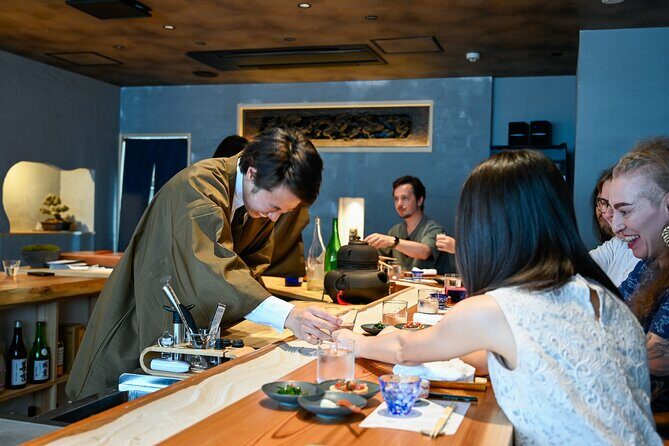
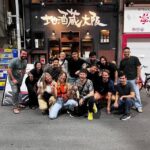
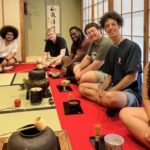
This isn’t a loud, neon sake bar experience. The tasting happens at Sake Pairing Bar Potan, in Fukushima Ward, a few minutes from central Osaka. The space is designed with traditional Japanese architecture, and that matters because sake is all about subtle changes in aroma and flavor.
You’ll start with a real-world explanation of how sake begins—rice, water, and koji—and then you’ll taste your way through those differences. The vibe stays relaxed, but the session has structure, so you’re not just sipping randomly and hoping it makes sense later.
You can also read our reviews of more food & drink experiences in Osaka
Meet Yuki: an active brewer, not a substitute guide
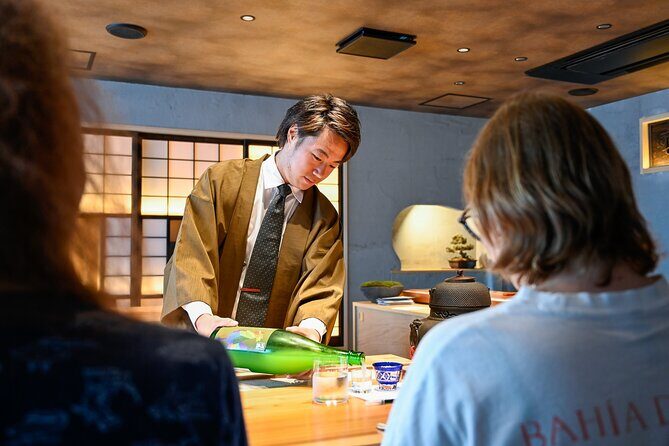
The host is the owner, Yuki. He’s not only running the bar—he’s an active sake brewer. He also trained for a year at a sake brewery in Osaka, which shows in the way he explains the process.
From what you’ll experience, this is the key advantage: Yuki can connect what you taste to what happens during brewing materials, and he can answer practical questions because he lives in the subject. English is also strong in this setup, and the explanations are clear enough for first-timers without making it feel dumbed down.
The 1.5-hour plan: from brewing basics to 7-sake comparisons
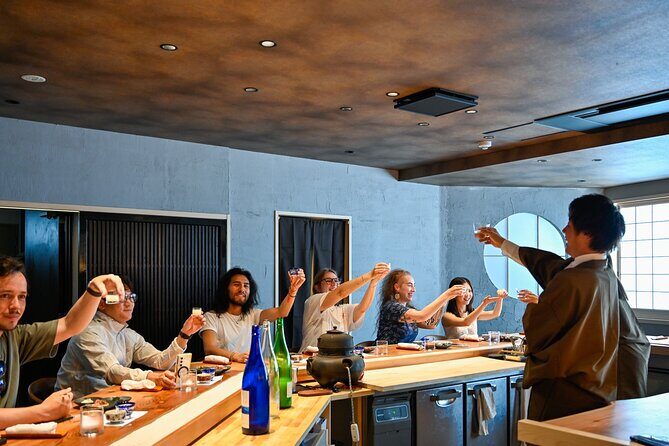
The schedule is tight, about 1 hour 30 minutes total, and it moves like a good lesson plan. You get a short introduction, then three tasting sections that build on each other.
13:00 – Introduction to sake brewing
You’ll learn the basic timeline and the building blocks: sake history, rice varieties, polishing ratios, and simple sake etiquette. This part isn’t meant to turn you into a brewery scientist. It’s meant to give your brain a map before you start tasting. You also get to see actual brewing materials up close, which helps the terms feel real instead of abstract.
13:30 – Style-based tasting (3 sakes)
Next comes a comparison of three different sake styles. This is where you learn that “sake” isn’t one flavor. You’re tasting categories, and the goal is to notice how aroma and mouthfeel shift with style. Expect Yuki to guide you with prompts that help you describe what you’re sensing rather than just saying good or not.
14:00 – Rice variety comparison (2 sakes)
Then you’ll taste two sakes made from different rice varieties. Rice is one of the biggest levers in sake character, so this segment teaches you to connect flavor to ingredient choice. If you’ve ever wondered why one bottle tastes cleaner or more structured than another, this is where that question gets answered.
14:20 – Temperature comparison (2 sakes)
Finally, you’ll taste the same sake served at two temperatures. This is one of the most eye-opening comparisons on the menu. Temperature doesn’t just change comfort level—it can shift how aroma shows up and how the finish lands. If you like to order based on whether a drink feels light or mellow, this segment trains you to recognize what’s causing that feeling.
14:40 – Q&A and open conversation
There’s time for questions and a broader chat about Japanese culture and travel. This is useful because the host can translate sake concepts into everyday comparisons you’ll actually remember in a store later.
14:55 – Sake Preference Diagnosis and closing
You’ll fill out a tasting sheet and receive a personal Sake Preference Diagnosis. I like this because it turns the experience into a tool. Instead of walking away with a fuzzy memory, you leave with a way to choose your next bottle.
The 7-sake tasting method that actually teaches you what to order
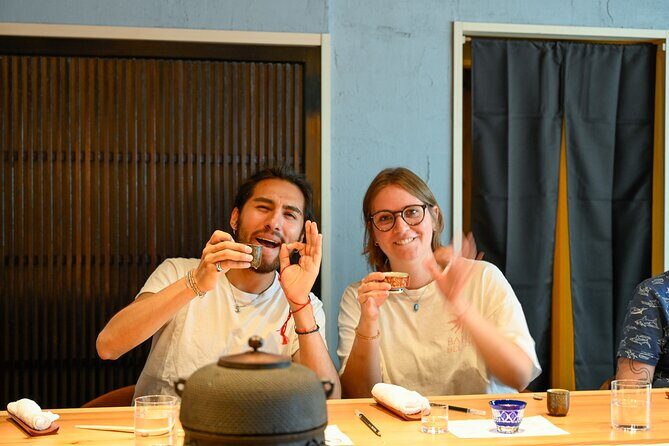
Most tastings do one of two things: either they just pour a bunch of sakes, or they teach with heavy lecture. This one uses a smarter format—each tasting step is designed to isolate one variable.
Here’s how the comparisons work in your favor:
1) Style comparisons train your “category sense”
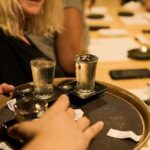
When you taste three styles back-to-back, you start to recognize patterns. Maybe one style feels more aromatic. Another might feel drier or more crisp. The point isn’t to memorize labels. It’s to build instincts.
You can also read our reviews of more guided tours in Osaka




2) Rice comparisons connect flavor to ingredient choice
Two sakes with different rice varieties can taste like they belong to different worlds. This segment helps you separate what comes from the rice from what comes from brewing choices. Later, when you see rice variety listed on bottles, you’ll understand why that line matters.
3) Temperature comparisons show that serving matters
Same sake, different temperature, different experience. This gives you a practical takeaway for ordering in bars and restaurants. If you’ve ever ordered sake and wondered why one version tasted very different from another, temperature is often part of the story.
4) Your tasting sheet turns taste into a future plan
The Sake Preference Diagnosis is what makes this more than a one-night event. You’ll mark what you liked and how it felt, then use that to choose what to look for next. For many people, this is the moment where sake stops being intimidating.
Food pairing: 3 seasonal bites that don’t overpower the sake
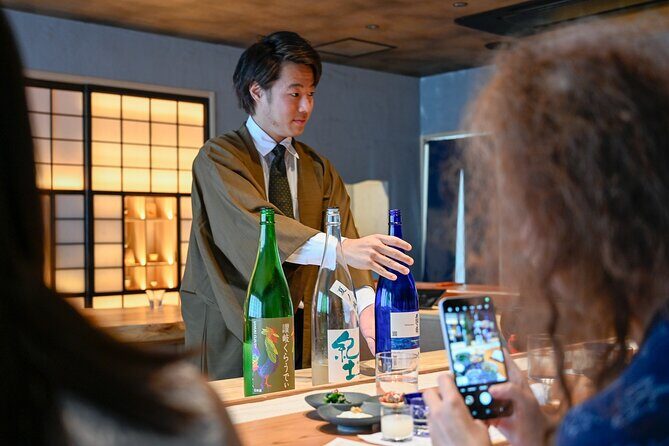
You’ll get 3 seasonal Japanese pairing dishes along with the sake. The important part here is balance. Sake can be subtle, and food can either support those flavors or bury them. The pacing and pairing in a short masterclass format usually keeps the tasting moving while still giving your palate something to reset.
This setup also means you can keep the session comfortable without feeling stuffed. Since it’s not a full dinner, you may want a light meal plan around it—eat earlier if you’re hungry, and then let these pairings act like taste companions.
Price and value: $71.54 makes sense for a brewer-led tasting
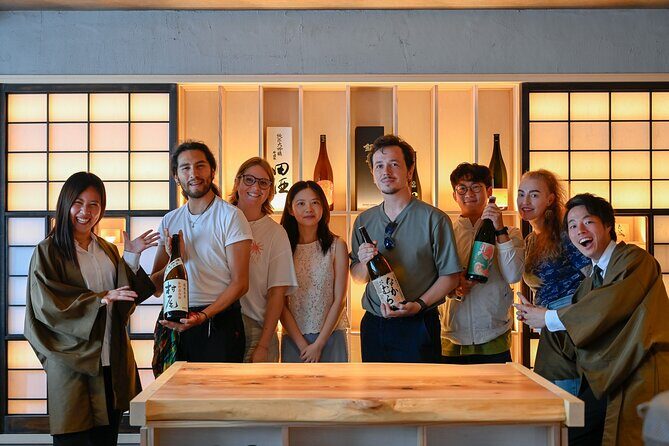
At $71.54 per person, you’re paying for three things at once: guided learning, multiple sake pours, and a small-group host who’s actively brewing. This isn’t just a tasting flight. It’s a structured session with comparison logic built in.
What improves the value is that you’re not only tasting alcohol. You’re learning how sake gets made, which turns your later bottle-buying from guesswork into educated choice. The included sake and 3 pairing dishes also matter—without that, tastings like this often feel overpriced.
If you’re the type who likes food-and-drink experiences with actual instruction, this price can feel fair. If you only want a casual drink with no learning, you might find a simpler bar tasting offers more flexibility.
Where it is and how to fit it into an Osaka day
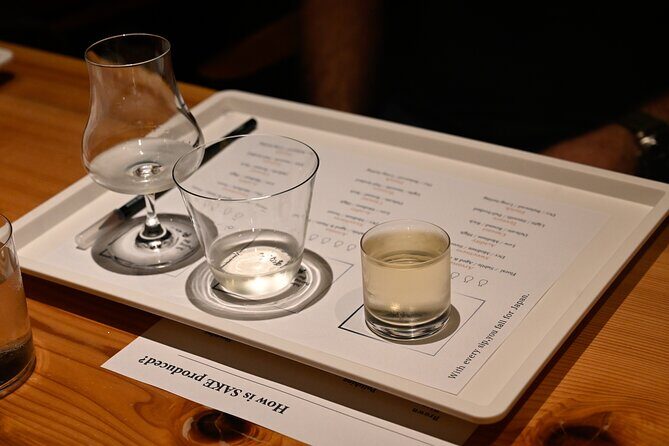
The meeting point is Japanese Sake Pairing Bar Potan, address listed as Osaka, Fukushima Ward, Fukushima, 2-chōme 7-24 Nanei Fukushima Building 4F (553-0003). It’s in Fukushima Ward, and it’s described as minutes from central Osaka, so it’s practical even if you’re basing yourself around major areas.
The session runs about 1 hour 30 minutes, which makes it easy to slot between sightseeing blocks. Since it ends back at the meeting point, you won’t have to figure out a second transit step as part of the tour.
Also worth noting: it’s near public transportation, and there’s a mobile ticket. If you like planning, you’ll appreciate how low-friction the setup is.
Who this is best for (and who should skip it)
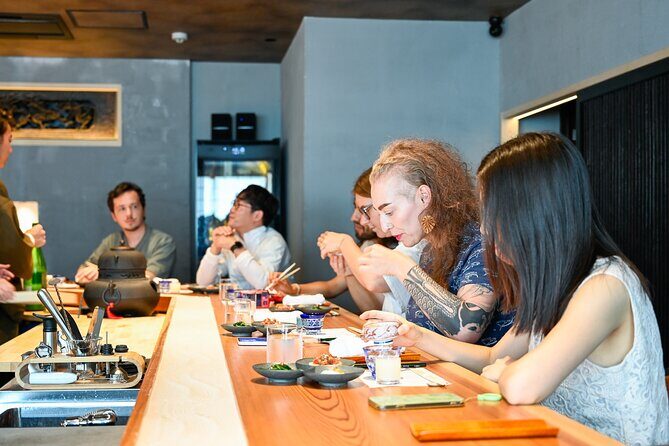
This experience fits especially well if you:
- want to learn from an active sake brewer and ask real process questions
- enjoy structured food-and-drink comparisons, not random sips
- like small-group settings where conversation flows
- plan to order sake later and want an actual way to choose
You might not be the best match if you:
- want a full meal experience rather than snacks
- prefer purely unguided drinking time
- dislike tasting flights and comparisons (the whole session is built around them)
Practical tips so you get the most out of the tasting
A few small moves can make a big difference:
- Go with curiosity, not pressure. The goal is learning what changes when style, rice, or temperature changes. You don’t need a “perfect palate.”
- Pay attention to temperature. When you compare warm vs cooler pours, notice aroma and finish. That’s the easiest way to build future ordering instincts.
- Fill out the tasting sheet seriously. The Sake Preference Diagnosis only helps if you mark what you actually liked and how it felt.
- Plan food timing. Because it includes only three seasonal pairings, eat something earlier if you’re used to big dinners.
Should you book Sake Pairing Bar Potan’s guided omakase tasting?
If you’re in Osaka and want a sake experience that feels real—brewer-led, structured, and genuinely informative—this is a strong choice. You’re not just buying drinks; you’re buying a clear path through sake styles, rice variety, and serving temperature, then leaving with a personalized way to choose what to order next.
I’d book it if you like hands-on explanations and you want to walk away confident. I’d skip it if you’re only looking for a quick drink and don’t care about learning how sake works.
If you do book: go ready to ask questions, take a moment with each pour, and treat the tasting sheet like your future shopping list.
FAQ
What is included in the tasting?
The experience includes sake (alcoholic beverages) and snacks: 3 seasonal Japanese pairing dishes.
How many sakes will I taste?
You’ll taste seven sakes during the guided comparison.
How long is the experience?
It lasts about 1 hour 30 minutes.
How many people are in the group?
The session has a maximum of 10 travelers.
Who hosts the experience?
The owner, Yuki, hosts the session. He is an active sake brewer and trained for a year at a sake brewery in Osaka.
Where does the experience start?
It starts at Japanese Sake Pairing Bar Potan in Fukushima Ward, Osaka (553-0003), and ends back at the meeting point.
What kind of sake comparisons are included?
The tasting includes comparisons of sake styles, rice varieties, and the same sake served at two different temperatures.
Is there time for questions?
Yes. The schedule includes Q&A and open conversation.
Do I need to bring cash for tips?
Tips are not included.
Is there free cancellation?
Yes, you can cancel up to 24 hours in advance for a full refund.