REVIEW · YOKOHAMA
Yokohama Half Day Tour with a Local Expert Guide
Book on GetYourGuide →Operated by Jewel Tours Japan · Bookable on GetYourGuide
Yokohama is better with a local plan. This half-day outing strings together the city’s postcard stops—plus quieter streets—so you get context, not just photos. I like that the guide is local, and you’re set up to walk at your pace while still hitting the key sights like Yamashita Park and Chinatown.
Two things I really value: you get real, street-level context for everyday Japanese life, and you’re steered toward food moments where possible (like ramen and sushi) without feeling rushed. I also like the idea of a bespoke route based on what you care about, so the day can fit your interests instead of feeling generic.
One consideration: pickup can affect the schedule, especially for cruise ship arrivals. One guide situation specifically flagged that being picked up at Daikoku Pier can seriously impact time, where using a rail-friendly stop like Sakuragicho tends to be more workable.
In This Review
- Key highlights to look for
- Getting Oriented in Yokohama: Pickup, Walking, and a Local Rhythm
- Sakuragicho First Impression: The Starting Point That Makes the Day Click
- Yamashita Park Stroll: Views and Breathing Room in the Middle of the City
- Chinatown by Senses: What to Notice (and What to Skip)
- Red Brick Warehouse: A Photo Stop with Real Context
- The Part That’s Hard to Fake: Off-the-Main-Path Stops
- Price and Value: Is $87 a Smart Move for 4 Hours?
- Pace, Rain, and Transport: How to Keep the Day Comfortable
- Who Should Book This Yokohama Half Day Tour?
- Should You Book It? My Practical Take
- FAQ
- How long is the Yokohama half-day tour?
- How much does the tour cost?
- Is hotel pickup included?
- Where does pickup happen?
- Does the tour include food or drinks?
- Are transportation costs included?
- Are entry fees included?
- What language is the guide?
- Is the tour wheelchair accessible?
Key highlights to look for
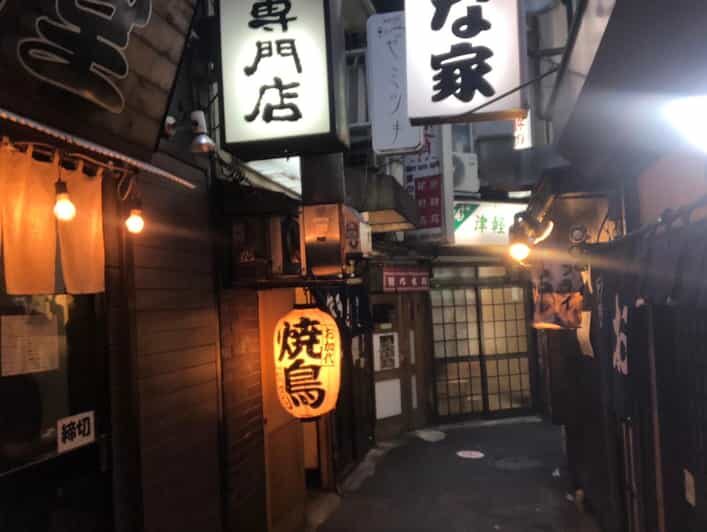
- Yamashita Park walk for sea breezes, skyline views, and an easy start that sets the tone
- Chinatown as a full-sensory area: sights, sounds, smells, and optional bites along the way
- Red Brick Warehouse for a classic waterfront photo stop with real atmosphere
- English local guide who adjusts the route based on your interests and walking comfort
- Off-the-main-path stops chosen by a local, not a checklist template
Getting Oriented in Yokohama: Pickup, Walking, and a Local Rhythm
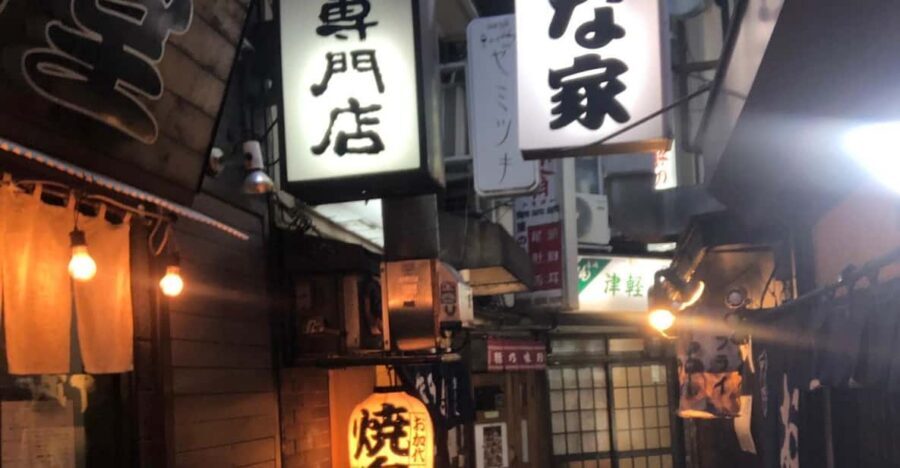
This is a half-day tour designed for a smart “see + understand” mix. The tour runs about 4 hours, with a local expert guide who can work at your pace and combine walking with public transport or taxis if needed.
Pickup is offered from either Tokyo or Yokohama, depending on what you select. One important practical note: this is not a private-car tour. Hotel pickup is described as on foot, so you’ll likely be meeting the guide in a walkable area near your lodging or chosen meeting point rather than being dropped at every corner by van.
If you’re arriving via cruise, pay special attention to where you’re starting. A guide was reported to be caught late about how Daikoku Pier pickup can shorten or complicate the tour, with a suggestion that Sakuragicho station is typically the smoother option for timing.
You can also read our reviews of more guided tours in Yokohama
Sakuragicho First Impression: The Starting Point That Makes the Day Click
A good Yokohama day needs a starting “spine,” and this tour uses that idea. The route references Sakuragicho as one of the core areas you’ll pass through, which matters because it’s a rail hub that helps you move efficiently without burning time.
I like this approach because it keeps the day from turning into transit chaos. When your first stop anchors near rail access, the guide has more flexibility to adjust the order—especially if it’s rainy, you’re tired, or you want more photo time.
Also, this is where you’ll start getting a feel for Yokohama’s mix: modern convenience, port-city energy, and neighborhoods that feel distinct from Tokyo. Even on a short tour, that first orientation helps the rest of the walk make sense.
Yamashita Park Stroll: Views and Breathing Room in the Middle of the City
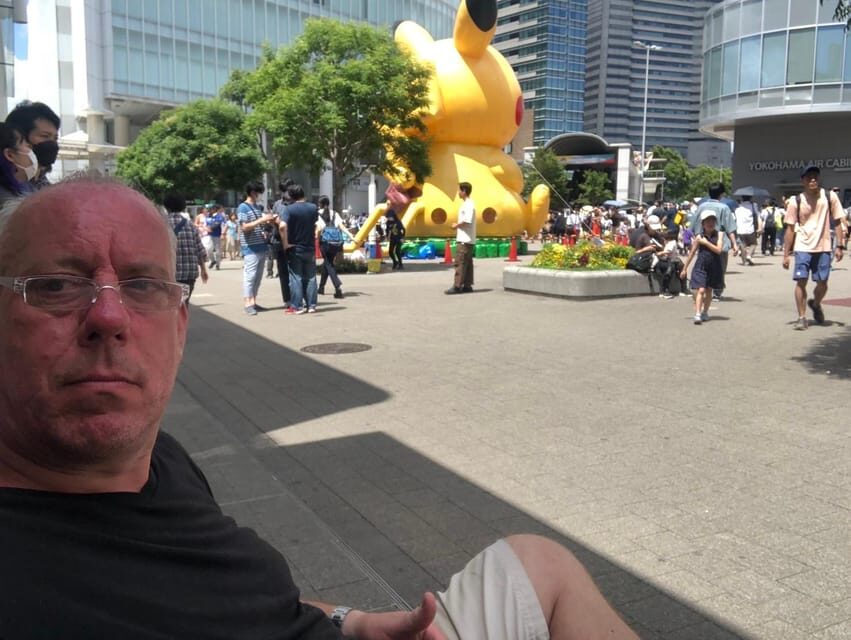
Yamashita Park is one of the highlights for a reason. It’s a relatively easy, scenic space where you can shift gears from street life into something calmer—without giving up the “Yokohama waterfront” feeling.
What I like about starting (or stopping) here is how the park acts like a reset button. You get open-air walking, photo opportunities, and a chance to notice details you might otherwise miss—like how the city’s coastal identity shows up in everyday angles and street layouts.
A rainy day doesn’t automatically ruin your plan either. One review described exploring on a wet day with guide Mika, and that’s a hint that the guide’s job is to keep the day moving sensibly, not force you into a strict script regardless of weather.
Practical tip: if you want great photos, ask the guide where the best angles are before you wander. Park views can change quickly as you move, and having a local point out where the light and sight lines work saves time.
Chinatown by Senses: What to Notice (and What to Skip)
Chinatown is the kind of place where you learn faster if someone helps you read it. This tour is set up to guide you through the area’s sights, sounds, smells, and tastes—meaning it’s not just a walk through streets; it’s a guided orientation to what you’re seeing and why it’s there.
I like Chinatown as a half-day highlight because it’s layered. You’ll see a concentration of signage, food stalls, specialty shops, and cultural cues that feel far more “there” than in generic shopping streets. With a guide, you can spot what’s worth lingering over and what’s better to pass quickly if you’re pressed for time.
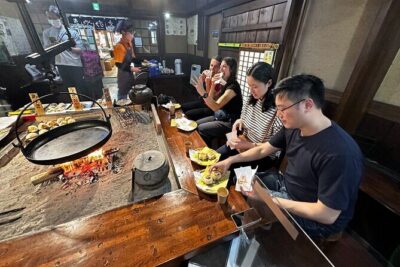
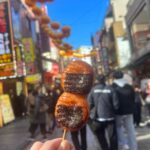
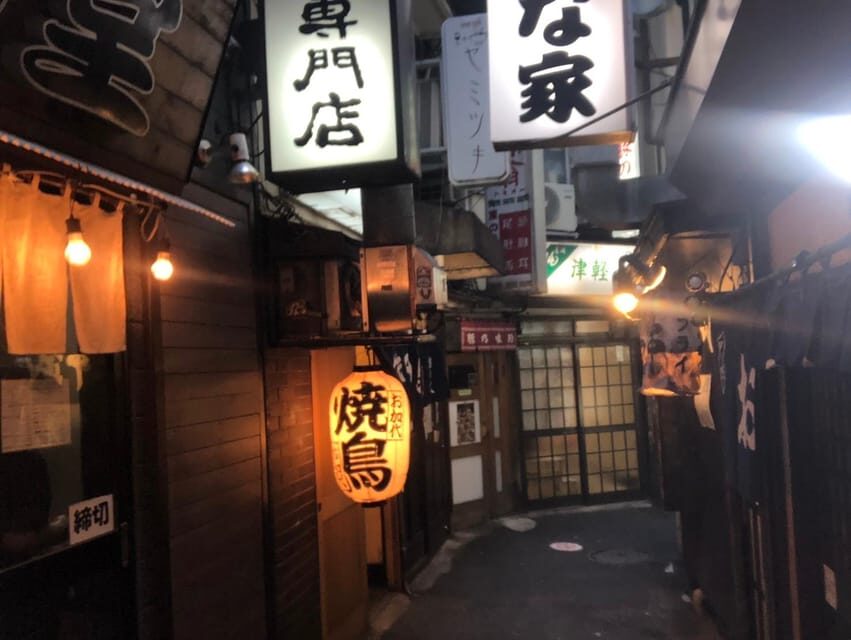
Food is the big factor here. The tour does not include food, but guides may bring you toward popular local eats. One guide experience mentioned ramen and sushi during the tour, and another described stopping into an izakaya area to sample snacks. You’re not being asked to buy everything—just to know where to look and how to order once you decide.
My advice for Chinatown: have one or two “treat targets” in mind (something you genuinely want), then let the guide steer you. That way you don’t end up sample-shopping for an hour when you could be enjoying the sights.
Red Brick Warehouse: A Photo Stop with Real Context
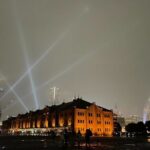
The Red Brick Warehouse stop is a classic Yokohama anchor, and it works well in a half-day plan. It’s scenic enough for pictures, but it’s also a useful point to understand Yokohama’s port and trading roots.
Even if you’re not a history buff, this kind of setting adds meaning to the day. The guide can help you connect what you see here to the city’s identity—how old commercial spaces coexist with modern development around the waterfront.
Timing matters: try not to sprint through it. Give yourself a few minutes to walk the perimeter or change angles, because warehouse waterfront areas can look very different from one step to the next. If you’re doing photos, ask the guide where people tend to stand and where the “clean lines” are for less clutter.
One more reason this stop is valuable: it’s a natural break in a walking-heavy day. You can regroup, check your energy, and decide whether you want to extend your time around the waterfront feel or move on quickly to the next neighborhood.




The Part That’s Hard to Fake: Off-the-Main-Path Stops
The headline list is great, but the real reason this tour can feel worth doing is the “off the beaten track” promise. The tour explicitly includes on and off the beaten track moments, picked with a local’s sense of what’s practical and interesting.
This is where the guide’s personality shows up. In one positive experience, guide Francesco tailored the tour to the group’s interests, and that’s exactly what makes a short tour feel personalized instead of chopped up. Another guide, John, was described as punctual and friendly, which sounds basic—until you realize it’s what keeps the tour smooth when you’re walking between spots.
I recommend leaning into this. If the guide offers a detour, ask one simple question: What should I look for here that I’d miss on my own? You’ll get a better explanation than you’d get from just following along, and you’ll end up with stronger memories from the day.
Also, keep expectations realistic. You’re in 4 hours, so the “local picks” tend to mean smarter stops and side streets, not long museum-style detours.
Price and Value: Is $87 a Smart Move for 4 Hours?
$87 per person for a 4-hour local-guided walk can be a good value, but only if the tour matches your travel style. Here’s how I’d judge it.
You’re paying for:
- a local guide who can explain what you’re seeing in plain terms
- efficient movement between key areas like Yamashita Park, Chinatown, and Red Brick Warehouse
- flexible pacing and a route that can be shaped around your interests
- the chance to hit “lesser-known” stops without spending your time mapping it all
What you’re not paying for:
- food and drinks
- transportation costs
- entry fees
That last part matters. If you plan to buy snacks, ramen, sushi, or drinks (often part of the fun), your final day cost will rise. But because the tour doesn’t lock you into expensive add-ons, you control your spending.
In my view, this price is most justified when:
- you want context fast (first-time Yokohama or port-city newbie)
- you don’t want to figure out routes and timing for only one afternoon
- you value a guide who adapts, like experiences described with Jibril and Francesco
If you prefer total independence and already know exactly what you want to see in Yokohama, you might not need a guided half day. But if you want your walk to feel efficient and meaningful, this one is built for that.
Pace, Rain, and Transport: How to Keep the Day Comfortable
This tour is designed to be walkable at your pace. The guide can combine public transport and taxis to meet your needs, and you can also expect the tour to flex if conditions change.
A rainy day doesn’t automatically ruin plans. One experience specifically called out exploring during rain with Mika, suggesting the guide can adjust rather than forcing you into a “no matter what” route.
Here’s what you can do to make it smoother:
- Wear shoes that handle wet sidewalks and uneven pavement
- Bring a small umbrella or rain layer
- Decide in advance how far you want to walk, then tell the guide early
And remember: since it’s not a private-car tour, you’ll benefit most if you’re comfortable using transit or short taxi rides when needed. If you don’t want any taxis, say that upfront so the guide can plan around it.
Who Should Book This Yokohama Half Day Tour?
This tour fits best if you’re:
- short on time but want multiple major Yokohama highlights
- interested in food-area culture and how to navigate Chinatown
- the kind of traveler who likes questions answered as you walk
- okay paying separately for food, drinks, and any entry fees
It’s especially nice for people who don’t want a rigid itinerary. The tour is described as bespoke, meaning the guide plans around your requirements and every day can be different. In short: if you like having a plan with room to breathe, this works well.
Wheelchair accessibility is stated, and the tour says they can walk at your pace while combining transport as needed. If you have mobility concerns, tell the guide what pace and transport you need so you don’t get stuck fighting the route.
Should You Book It? My Practical Take
If you want a smart half day in Yokohama with a local expert, I’d lean yes—especially if it’s your first time in the port city or you’re short on time. The combination of Yamashita Park, Chinatown, and Red Brick Warehouse covers a lot of “Yokohama feel” in four hours, and the guide component is what turns those stops from scenery into understanding.
Book it if:
- you value guidance more than DIY map work
- you like the idea of off-the-main-path stops chosen for you
- you’re comfortable paying for your own food and any entry fees
Be cautious if:
- you’re dealing with tricky cruise ship pickup logistics and can’t choose a rail-friendly meeting point
- you expect food or entry fees to be included
- you want a car-based, stop-everywhere route (this isn’t that)
If you do book, send a note early about your walking pace and (if relevant) the exact pickup situation you’re coming from. Guides like Jibril and Jack were described as organized and focused on planning, and that’s exactly what you want: a smoother start, better timing, and less stress.
FAQ
How long is the Yokohama half-day tour?
It lasts about 4 hours.
How much does the tour cost?
The price is listed as $87 per person.
Is hotel pickup included?
Yes. Pickup is included, and it’s described as on foot rather than arriving by private car.
Where does pickup happen?
You can choose pickup from Tokyo or Yokohama.
Does the tour include food or drinks?
No. Food and drinks are not included, though your guide may help point you toward places to eat.
Are transportation costs included?
No. Transportation is not included, but the guide can use public transit or taxis as needed to meet your needs.
Are entry fees included?
No. Entry fees are not included.
What language is the guide?
The tour guide is listed as English.
Is the tour wheelchair accessible?
Yes, wheelchair accessibility is stated.