REVIEW · YOKOHAMA
Best of Tokyo Private Tour for Yokohama Cruise Passengers
Book on Viator →Operated by ISHIDA · Bookable on Viator
Tokyo hits fast when you have a plan. This private day tour from Yokohama is built to get you to the big-name areas (Shibuya, Ginza, Imperial Palace gardens) plus the fun middle stops like Ameyoko and Akihabara, without wasting time guessing trains. I especially like the flexible format—your guide, Ishida, can steer the day around what you want most—and the add-on payoff of riding the Shinkansen for the return to Yokohama.
The one thing to think about is that it is primarily a walking tour using Tokyo’s excellent public transport. If you have trouble walking long distances (or you’re dragging bulky luggage), this could feel like too much, even with occasional taxi suggestions to save time at your expense.
In This Review
- Key highlights you’ll feel immediately
- Meeting Ishida and building your own Tokyo day
- How the tour handles Tokyo transit (and why that’s the real value)
- Stop 1: Shibuya Crossing, where Tokyo moves to a different tempo
- Stop 2: Ameyoko Shopping Street for street life, snacks, and bargains
- Stop 3: Akihabara, from electronics roots to pop culture gravity
- Stop 4: Ginza for the classy contrast
- Stop 5: Kokyo Gaien National Garden and the Imperial Palace grounds
- Stop 6: Tokyo Central Railway Station and the Shinkansen back to Yokohama
- Lunch: casual by design, not a fancy set-piece
- Price and value: what you’re really paying for
- The walking reality: who will love this and who should think twice
- Weather and timing: simple ways to protect your day
- Should you book this Yokohama-to-Tokyo private tour?
- FAQ
- How long is the Yokohama-to-Tokyo private tour?
- What Tokyo stops are included, and how many can we cover?
- Is the tour mostly walking or mostly sitting?
- What is included in the price?
- What costs are not included?
- Is this a private tour?
Key highlights you’ll feel immediately
- Private, cruise-friendly flow: You start in Yokohama and spend about 8 hours in Tokyo, then you’re back by the designated time.
- Ishida’s train-station know-how: Getting through lines, transfers, and stations is a skill, and the English-speaking guidance helps.
- A tight mix of Tokyo “moods”: Shibuya and Ginza for contrast, with Akihabara and Ameyoko for the fun side streets.
- Imperial Palace area with local context: Kokyo Gaien National Garden adds a calmer beat to the day.
- Shinkansen return to Yokohama: Make the last leg part of the trip, not just logistics.
- Realistic pace (but still lots of steps): You’ll cover 3 to 4 landmark areas, plus the neighborhood stops between them.
Meeting Ishida and building your own Tokyo day
The whole point of this tour is control. You’re not stuck with a rigid script. Instead, you meet Ishida in Yokohama and plan your Tokyo lineup from the major options, with the day designed to realistically cover 3 to 4 landmark areas within the roughly 8-hour window. That matters if you’re on a cruise schedule, because time in Japan can evaporate quickly when you’re trying to coordinate trains, walking, and entry lines on your own.
Ishida is the kind of guide who helps you move, not just look. In the reviews, people praised how he arrived early, explained the itinerary up front, and stayed accommodating as the day unfolded. That’s exactly what you want when you’re juggling a first-time Tokyo transit system plus multiple stops in a single day.
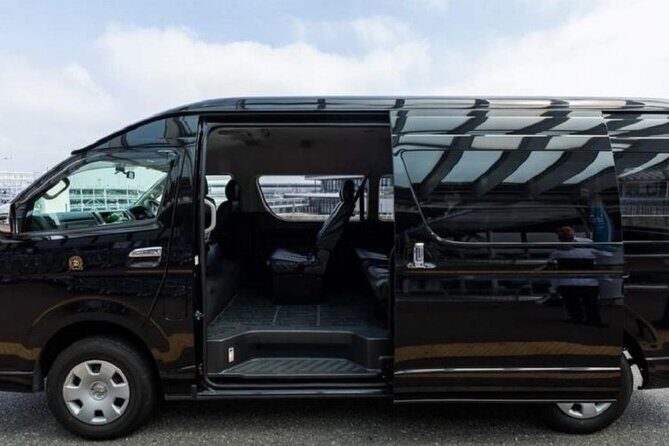
You also get pickup offered at either a hotel or the cruise ship terminal. That reduces the most stressful part of the day: getting everyone together and moving toward the first station without wasting your best hours.
You can also read our reviews of more boat tours in Yokohama

How the tour handles Tokyo transit (and why that’s the real value)

Tokyo public transport is world-class. It’s also confusing when you’re tired, jet-lagged, or working against a cruise timetable. The value here isn’t just that you ride trains. It’s that you ride the right trains, in the right order, with someone who understands station flow and timing.
This tour leans on walking plus trains. Expect you’ll use Japan’s transit network throughout the day, then you’ll return to Yokohama via the train station for the Shinkansen option. One practical tip from the tour approach: to maximize time and minimize walking, Ishida may suggest taxis during the day, but at your expense. That’s a sensible trade-off. If you want the most sightseeing per hour, using taxis strategically can keep the itinerary from turning into an exhaustion contest.
Also, plan for day-of spending beyond the base price. The tour price includes the guide fee and pickup, but it does not cover lunch, transportation fare, or the actual costs related to the day (the tour notes indicate approximate totals for things like train fare, admissions, and lunch). You’ll want to treat the posted price as the guide + planning portion, then budget extra for transit and whatever entries and meals land on your route.
Stop 1: Shibuya Crossing, where Tokyo moves to a different tempo
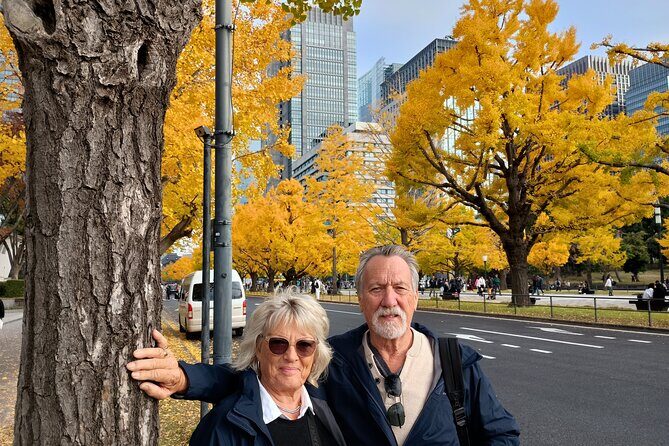
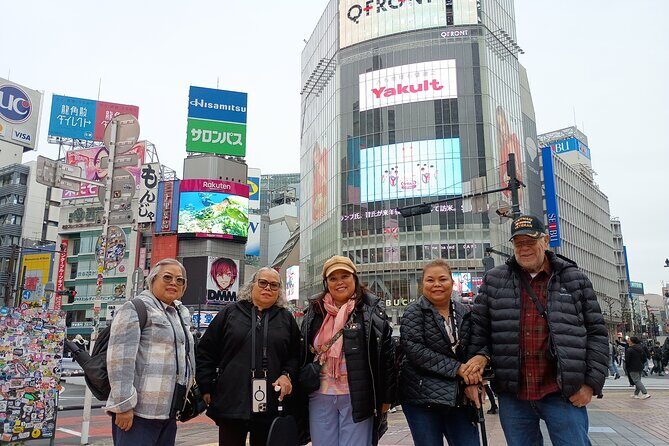
Shibuya Crossing is one of those places that looks better on foot than it does on a screen. You get an hour to stand in the flow and feel the scale of the moment: thousands of pedestrians crossing from multiple directions at once. It’s loud, busy, and oddly mesmerizing.
What I like about starting here is energy. It kicks off the day while you’re fresh. You also get something visually clear early on—once you’ve seen Shibuya’s rhythm, the rest of Tokyo feels easier to read as a series of neighborhoods rather than one overwhelming blur.
A small consideration: this stop can mean crowds and lots of standing. If you’re the type who gets impatient in dense pedestrian zones, plan to slow down and focus on what’s around you: the layers of storefronts, the signage, and the way people stream through the crossing from different streets.
Stop 2: Ameyoko Shopping Street for street life, snacks, and bargains
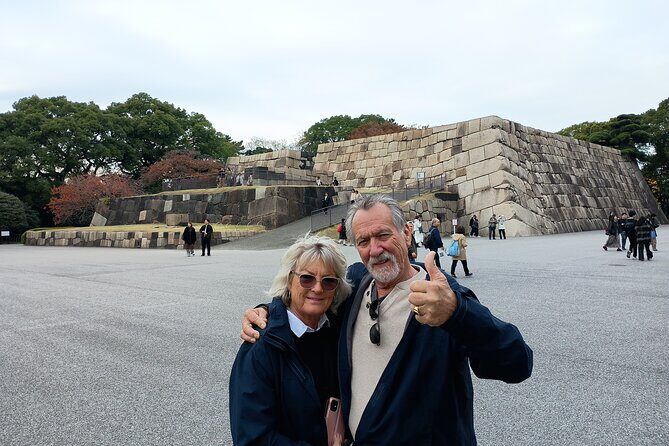
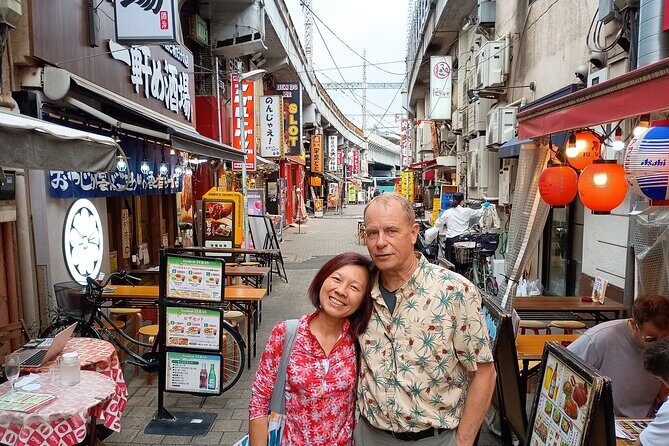
Then you shift from a landmark intersection to a market street. Ameyoko (often written as Ameyoko Shopping Street) is lively and messy in the best way. You’ll have about an hour to wander among vendors and the mix of everyday Tokyo shopping—snacks, seafood, souvenirs, and fashion items that often feel more playful (and price-friendly) than the polished malls.
This is where you learn the difference between Tokyo as an image and Tokyo as a daily routine. Shibuya can feel like a theme. Ameyoko feels like people live here.
One caution: street markets mean uneven sidewalks and a lot of foot traffic. If you’re traveling with big luggage, this is the kind of place where you’ll feel it. Light bags and comfortable shoes help a lot.
Stop 3: Akihabara, from electronics roots to pop culture gravity
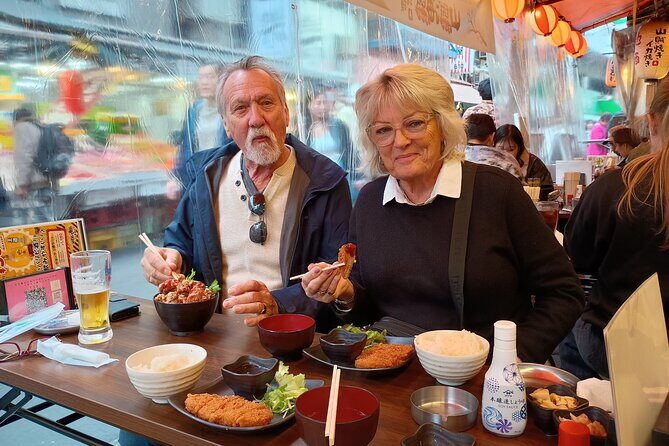
Akihabara is the Tokyo stop for people who love gadgets, gaming culture, anime, and anything where fandom spills into storefronts. You’ll get about an hour here, which is just enough to walk the main area, pop into a shop or two, and understand why the neighborhood became the identity it has today.
Even if you’re not shopping for anything specific, Akihabara is still fun because it’s so legible: the storefront energy, the displays, and the contrast with the more upscale vibe later in the day.
The trade-off is time. An hour can fly by in Akihabara. If you’re a hardcore collector type, you’ll probably want a longer stop than the tour allows. But for a cruise-day overview that still hits multiple major neighborhoods, the timing works.
You can also read our reviews of more private tours in Yokohama



Stop 4: Ginza for the classy contrast
Next comes Ginza, and the tonal shift is real. Ginza is where you see department stores, luxury boutiques, and the kind of shopping that feels curated and polished compared with Ameyoko and Akihabara.
You’ll have about an hour here. That’s enough time to stroll, window-shop, and get a feel for how Tokyo can look both flashy and refined depending on which block you’re on. It’s also a good break point if you need a calmer pace—wide sidewalks, cleaner sightlines, and lots of places to pause.
One practical note: if Ginza is your priority, you might want your guide to lean into it a bit more when customizing the itinerary. The tour is designed to cover 3 to 4 landmark areas plus the in-between neighborhoods, so your “must-see” list should guide the trade-offs.
Stop 5: Kokyo Gaien National Garden and the Imperial Palace grounds

After the shopping districts, you get a more reflective stop: Kokyo Gaien National Garden, with time to explore the Imperial Palace area’s grounds under guided context. You’ll have about 45 minutes for this part.
This is a smart rhythm for a one-day itinerary. The earlier stops are about momentum and crowd energy. The garden area is about slowing down and understanding Japan’s history through space—wide grounds, formal landscaping, and the sense of separation between everyday Tokyo and the ceremonial core.
You might notice that the tour keeps this portion shorter than the commercial districts. That’s not a bad thing. With an 8-hour day, you need a variety that doesn’t eat your whole afternoon. The garden stop gives you a meaningful taste of the Imperial Palace area without turning the day into one long walk.
Stop 6: Tokyo Central Railway Station and the Shinkansen back to Yokohama
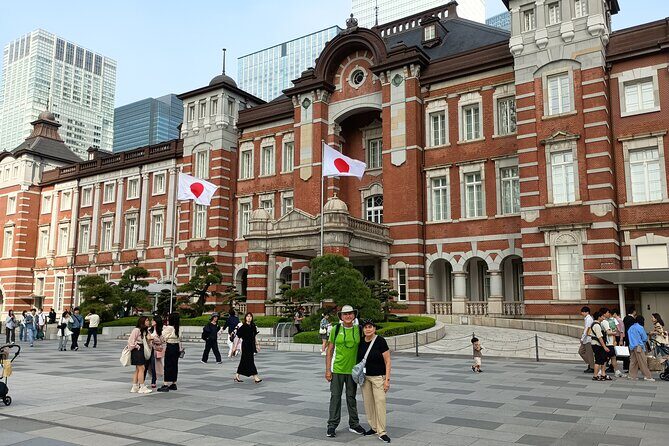
The final act is transit with style. You end at Tokyo Central Railway Station for the return ride to Yokohama by train, with the option to use the Shinkansen.
The itinerary notes this last segment takes about 20 minutes, and Shinkansen tickets are mentioned as roughly ¥1,500 per person (not included). If you’ve ever wanted to ride Japan’s famous bullet train but didn’t want to figure out tickets on your own under cruise time pressure, this is the kind of add-on that makes the whole day feel like an event, not just a checklist.
One review specifically called the bullet train experience great, and that matches the vibe of the plan: you’re not just leaving Tokyo when the clock runs out. You’re closing the trip with a signature moment.
Two things to keep in mind:
- This is not the same as “fast travel” where you barely notice it. The Shinkansen leg is short, but it’s memorable.
- It adds another cost line you’ll pay for directly (since the return ticket isn’t included).
Lunch: casual by design, not a fancy set-piece
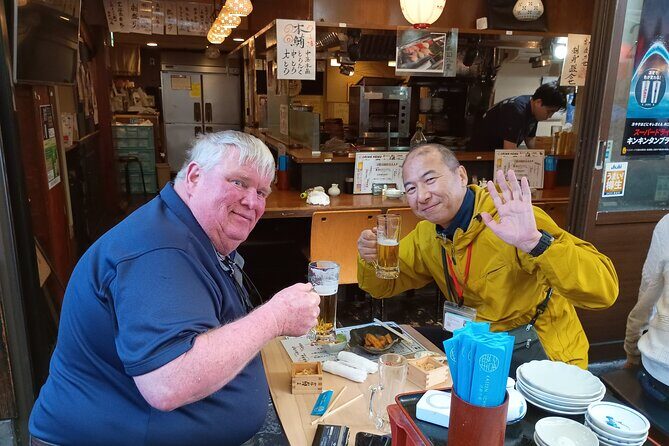
Lunch is kept casual. The tour information says lunch isn’t included, and the overall plan is designed to keep the day moving. In one review, a couple mentioned they had a delicious sashimi lunch, which tells me the guide is willing to steer you toward something fitting for the day and easy to work into the route.
If you’re picky about food, don’t assume you’ll end up at your favorite category of restaurant. But do trust that Ishida is coordinating with timing and location, and that’s what keeps a one-day cruise day from collapsing into chaos.
Practical move: if you have dietary needs, bring them up early so Ishida can adjust the plan.
Price and value: what you’re really paying for
At $130.31 per person for a private tour, the base price can look simple—until you notice what’s not included. You’ll still pay for lunch, transportation fare, and the actual day-of costs that cover things like train fare (the guide’s costs are noted as approximately ¥2,000), admissions, and lunch-related items.
So is it worth it?
I think yes, mainly because you’re buying three things that are hard to DIY on a time-limited cruise day:
- A guide to stitch together transit + walking so your schedule doesn’t drift.
- Customizing so you can choose the landmark mix rather than accepting a fixed template.
- A calm, private experience where you’re not herded with strangers through a day that already has limited hours.
If you and your group are confident navigating Tokyo trains and you’re comfortable paying for your own ticket planning, you could do this independently. But if your biggest goal is to reduce stress and maximize “see Tokyo” time, this type of private planning tends to pay for itself in saved time and avoided mistakes.
Also, the “mobile ticket” and pickup help reduce friction. That’s value even before you step into Japan.
The walking reality: who will love this and who should think twice
This is not a sit-and-watch tour. It’s primarily a walking tour with public transportation support. The duration is around 8 hours, with multiple neighborhood moves and several landmark areas.
One review mentioned the group walked around nine miles by the end—and that feels about right for this kind of itinerary even without overestimating. If you’re okay with long walking days (and you have good shoes), you’ll probably find the pace manageable and the variety worth the steps.
If any of these sound like you, I’d reconsider:
- You can’t walk long distances comfortably.
- You’re traveling with large luggage and don’t want to drag it across crowded areas.
- You get worn down quickly in dense pedestrian zones like Shibuya.
The good news: Ishida may suggest taxis at your expense to minimize walking when time matters. That can help if your energy is the limiting factor, even if it adds cost.
Weather and timing: simple ways to protect your day
The tour requires good weather, which makes sense for a route that includes significant walking and outdoor areas like the garden grounds. If weather cancels the tour due to poor conditions, you’ll be offered another date or a full refund.
Because you’re departing from a cruise context, it also pays to think ahead about day-of realities: hydration, snacks, and wearing layers. Japan’s weather can shift quickly, and walking for hours means you’ll feel every change.
Should you book this Yokohama-to-Tokyo private tour?
Book it if you want:
- A private day with an English-speaking guide (Ishida) who makes transit feel manageable.
- A mix of Tokyo icons and neighborhood character: Shibuya, Ameyoko, Akihabara, Ginza, and the Imperial Palace garden area.
- The fun, signature close of a Shinkansen ride back to Yokohama.
Skip it (or choose another format) if:
- You don’t handle long walking days well.
- Your group includes people who struggle with crowds and station navigation.
- You’d rather spend the day moving slowly on your own than following a guided route.
If you’re on a cruise, this style of tour often hits the sweet spot: you get structure without feeling over-scripted, and you still end up in the places that make Tokyo feel like Tokyo. Just go in with the expectation of steps, and budget a bit extra for lunch and transit day-of costs.
FAQ
How long is the Yokohama-to-Tokyo private tour?
The tour runs about 8 hours.
What Tokyo stops are included, and how many can we cover?
The route includes Shibuya Crossing, Ameyoko Shopping Street, Akihabara, Ginza, and Kokyo Gaien National Garden. The tour is designed so you can cover about 3 to 4 landmark destinations (like Imperial Palace, Ginza, or Shibuya) within the 8-hour schedule, plus the listed neighborhood stops.
Is the tour mostly walking or mostly sitting?
It’s primarily a walking tour, using Tokyo’s public transportation system. It’s not recommended if you can’t walk for long periods or if you have big luggage.
What is included in the price?
The price includes the guide fee, pickup at a hotel or the cruise ship terminal, and customization to your interests. You’ll also receive a mobile ticket.
What costs are not included?
Lunch and transportation fare are not included. You’ll also pay the actual costs for the guide on the day, including items like transportation (noted as approximately ¥2,000), admissions, and lunch-related costs. Shinkansen tickets for the Tokyo to Yokohama return are also noted as not included, with an approximate cost of ¥1,500 per person.
Is this a private tour?
Yes. It’s private, so only your group participates.