REVIEW · TOKYO
Cook Favorite Japanese Dishes with a Tokyo Mom
Book on Viator →Operated by Tokyo Mom's Kitchen · Bookable on Viator
That first whiff of homemade dashi tells the story. This class is a real-kitchen look at washoku—not a stage show—guided by Aki, an English-speaking host who teaches in plain, step-by-step fashion. I especially liked how you make core basics from scratch, and you end up with dishes Japanese families actually eat at home; the only real drawback is you’ll need to handle getting to the venue on your own.
One big plus: you’re not just learning recipes, you’re learning technique—especially dashi from scratch with no additives. Another: you choose your main side dish (from teriyaki chicken to miso-marinated fish to gyoza), and you can even swap the norimaki for onigiri if you prefer. If you’re expecting a fast, hands-off experience, this won’t be that—it’s cooking, so come ready to work your hands.
In This Review
- Key Points at a Glance
- A Tokyo Mom’s Kitchen: What Makes This Class Feel Like Real Japan
- Choosing Your Menu: Norimaki or Onigiri Plus Your Side Dish
- Dashi From Scratch: The Skill That Changes How You Taste Everything
- Handmade Washoku in 2.5 Hours: From Roll to Dumplings (and Miso Soup)
- How Aki Teaches: Clear Steps, Pictures, and Cooking That Looks Good
- Price and Value: What $120 Buys You in Shinjuku
- Getting There in Shinjuku: A Mobile Ticket and a Real Address
- Who Should Book This Class (and Who Might Want a Different Option)
- Should You Book Cook Favorite Japanese Dishes with a Tokyo Mom?
- FAQ
- What dishes do I make in the class?
- Can I substitute norimaki with something else?
- What side dishes can I choose from?
- Is there a vegetarian option?
- How long is the experience?
- Is the host English-speaking?
- What’s included in the price?
- Do I need to bring my own transportation?
- Where is the meeting point?
- When will I get confirmation after booking?
- Can I cancel for a refund?
Key Points at a Glance
- Dashi from scratch first: homemade soup stock is the foundation for everything that follows.
- Norimaki or onigiri: you choose your style for the sushi roll centerpiece.
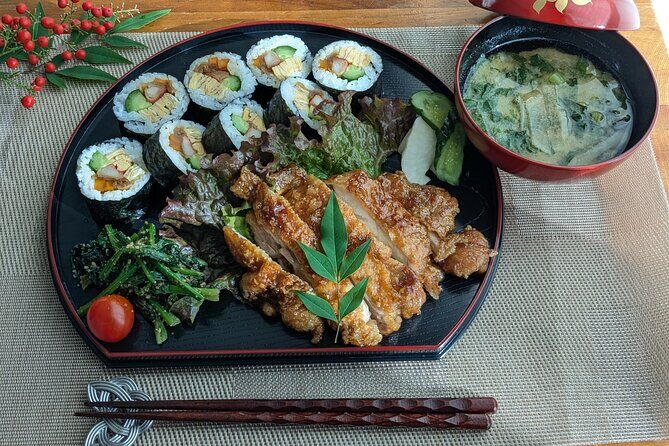
- Pick your side dish: teriyaki chicken, saikyo yaki, or gyoza—plus a seasonal vegetable dish and miso soup.
- Aki teaches step-by-step: reviews highlight clear instruction, pictures, and helpful context while you cook.
- Real home-cooking vibe: it’s described as a kitchen experience, not a touristy performance.
- Full value included: ingredients, tools, apron rental, and a digital PDF recipe sheet.
A Tokyo Mom’s Kitchen: What Makes This Class Feel Like Real Japan
Tokyo food classes often fall into two buckets: the performance with a tiny taste at the end, or the “here’s a recipe, good luck” vibe. This one sits in the better middle—hands-on home cooking with a host who clearly cares about how things turn out.
What makes it feel authentic is the focus on meals Japanese people actually cook for their families. You’ll use natural ingredients and seasonal vegetables, and you’ll learn washoku fundamentals in a kitchen that feels like it has a rhythm—rather than a demo timeline.
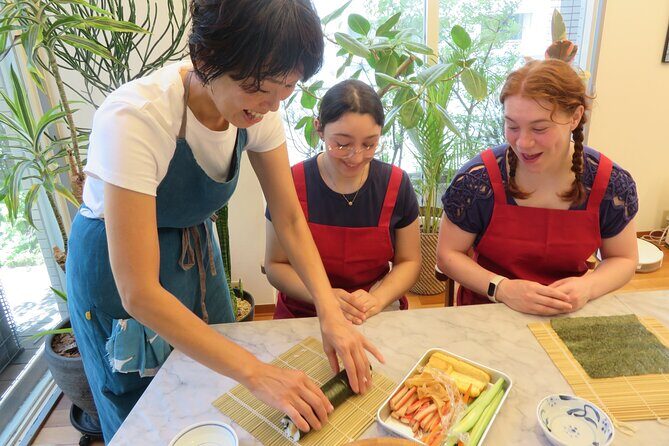
The tone from the reviews also points to why people love it: Aki guides both first-timers and more experienced cooks. The pace feels supportive, with teaching that helps you understand what you’re aiming for. The only caution I’d flag is simple: you’ll cook for real in a real kitchen—bring curiosity and a willingness to get a little messy.
You can also read our reviews of more tours and experiences in Tokyo.



Choosing Your Menu: Norimaki or Onigiri Plus Your Side Dish
The class menu is built around a few fixed stars, with choices that let you shape the experience around your tastes.
You’ll learn to prepare:
- A traditional Japanese norimaki (sushi roll) as the centerpiece
- A comforting bowl of miso soup (included for all menus)
- A seasonal vegetable dish (included for all menus)
Then comes the part you can customize. The norimaki can be substituted with onigiri (rice ball) if you’d rather keep it simpler or prefer the handheld style.
For the main side dish, you choose one option:
- Teriyaki Chicken: tender chicken glazed in a sweet and savory soy-based sauce
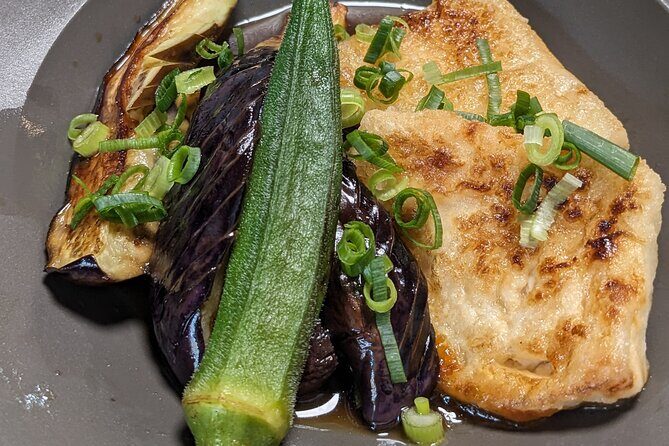
- Saikyo Yaki: miso-marinated fish grilled for a delicate, rich flavor
- Gyoza: pan-fried dumplings filled with ground pork and vegetables
If you’re traveling with different food needs, there’s also a vegetarian option available upon request. That’s a big deal for a class like this, because it means the meal isn’t just an afterthought.
Dashi From Scratch: The Skill That Changes How You Taste Everything
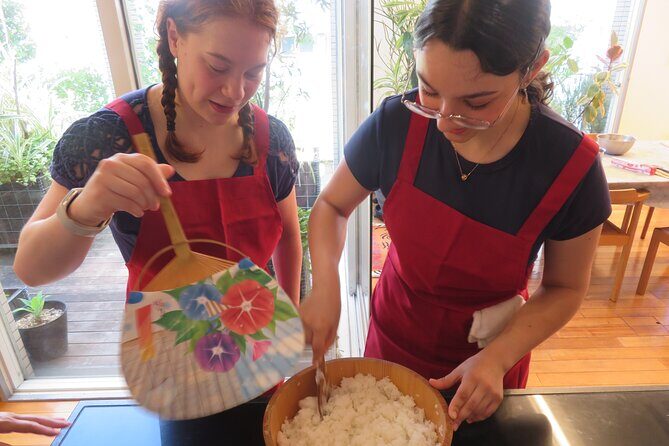
If you want one takeaway that pays off long after Tokyo, it’s dashi from scratch. Dashi is the backbone of a lot of washoku—miso soup, noodle broths, simmered dishes, and more. The class specifically emphasizes making it without additives.
The practical value here is huge: once you understand how the stock is built, you can stop relying on shortcuts for flavor depth. It’s not about memorizing a recipe. It’s about learning how Japanese home cooks get that steady, savory backbone that makes simple ingredients taste like a full meal.
You’ll start with dashi in the session, and that sets up the rest of your cooking. Even if you don’t plan to become a dashi expert overnight, you’ll leave with a better sense of what to look for—balance, aroma, and the way the kitchen fills with that warm, savory smell.
Handmade Washoku in 2.5 Hours: From Roll to Dumplings (and Miso Soup)
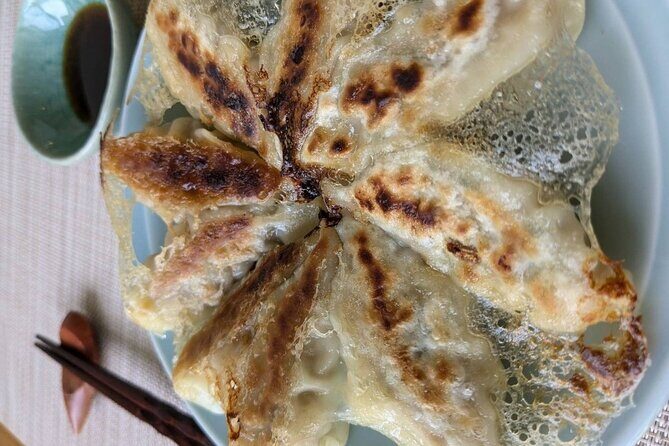
This is a 2 hours 30 minutes class, so it’s designed to be efficient without feeling rushed. You’ll be making multiple dishes from scratch—norimaki (or onigiri), miso soup, a seasonal veggie dish, and your chosen side dish.
Here’s how to think about the flow, and why it works:
First, dashi gets you into the right flavor mode. Since it’s made from scratch, it helps you understand how much the final dishes depend on the base. It also means you’re not just following steps—you’re learning why the dish tastes the way it does.
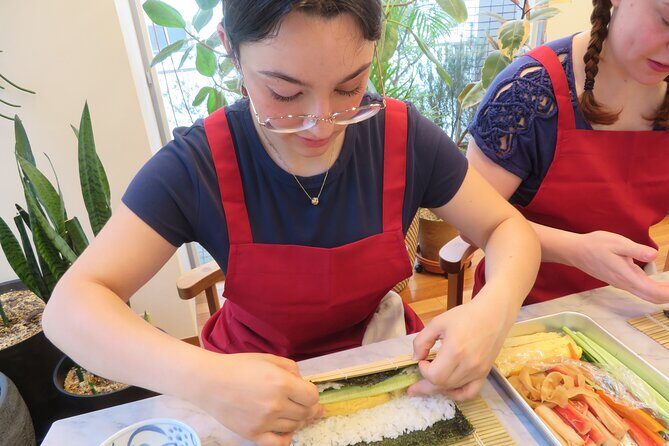
Next, you move into the centerpiece: either the norimaki roll or onigiri. Reviews mention that Aki teaches the process clearly and supports both novice and more experienced cooks. That matters because rolling techniques and rice handling can feel intimidating. In a good class, you don’t just get told what to do—you get coached on how to fix things as you go.
Then you’ll tackle your side dish choice:
- If you go teriyaki chicken, you’re learning how a soy-based sauce becomes glossy and balanced—sweet, savory, and not cloying.
- If you go saikyo yaki, you’re working with the idea of marination plus grilling, aiming for a flavor that stays delicate instead of heavy.
- If you go gyoza, you get the satisfying, hands-on experience of forming dumplings and cooking them until they’re properly browned and cooked through.
Finally, the meal is completed with miso soup and the seasonal vegetable dish. This is where the class feels like a real household meal: you’re not just making one showy plate. You’re building a Japanese set-style rhythm—something with warmth, texture, and balance.
How Aki Teaches: Clear Steps, Pictures, and Cooking That Looks Good

Cooking classes that feel great usually have one trait: the teacher knows exactly where beginners get stuck. Aki’s teaching style, based on the feedback, hits that mark.
People praised:
- step-by-step guidance that keeps you moving
- an environment that supports both novices and experienced cooks
- instruction that includes pictures and brief food background
- attention to how food should look, not only taste
That last point surprised me in a good way. In a Tokyo kitchen, presentation isn’t about being fancy. It’s about respecting the ingredients and the meal. Reviews specifically mention learning the secret to making things beautiful and shared, and that fits how Japanese cooking often works: if you handle the basics carefully, the dish naturally looks right.
The atmosphere also sounds flexible. One review notes that Aki adapted the menu to the guests’ tastes. That’s a smart sign: it means the class isn’t rigid to the point of ignoring preferences.






Price and Value: What $120 Buys You in Shinjuku
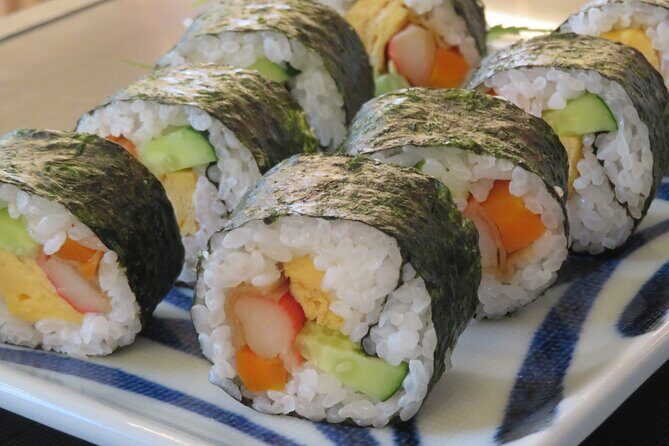
At $120 per person, you’re not paying for a light snack and a few bites. This cost is tied to a real cooking session where you use kitchen tools and make a multi-part Japanese meal.
Here’s what’s included:
- All ingredients
- Full use of kitchen tools
- Apron rental
- An English-speaking Japanese host
- A digital recipe sheet (PDF)
And you should consider what that changes for your trip. If you’re in Tokyo for a few days, $120 can feel like a lot on paper. But when you compare it to the price of multiple meals plus the value of learning a technique you can repeat at home, it starts to make sense.
This is also one of those experiences where your money mostly goes to labor and ingredients—not to a venue cost or a guide’s narration. You’re buying a kitchen session where you walk out with both dinner and repeatable skills.
If you want the most value, pick the side dish you’re actually excited to eat—because the class is designed around those choices.
Getting There in Shinjuku: A Mobile Ticket and a Real Address
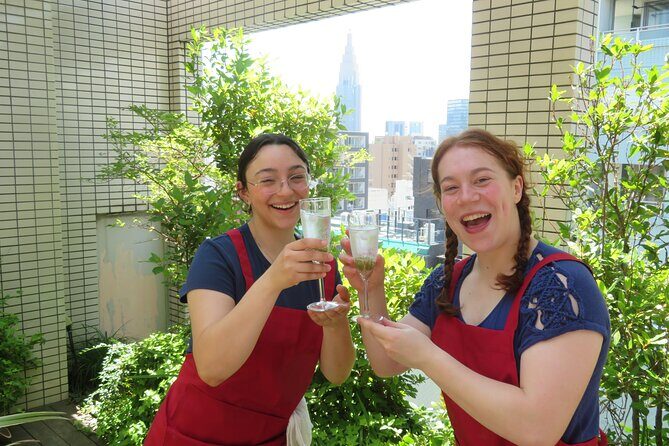
The meeting point is アイ・ディール株式会社 1-chōme-24-7 Shinjuku, Shinjuku City, Tokyo 160-0022. The activity ends back at the meeting point.
A couple practical notes that matter:
- Transportation is not included, so you’ll need to plan your own way to Shinjuku.
- It’s near public transportation, which helps a lot in a city where trains are your best friend.
- You’ll use a mobile ticket, so have your confirmation ready on your phone.
Since this is a private tour/activity and only your group participates, you’re not stuck sharing prep space with strangers. That’s a big comfort factor in a cooking class—less waiting, more hands-on time, fewer bottlenecks at the station.
If you’re scheduling the rest of your day, treat this like a meal slot. You’ll likely want to arrive hungry and ready to cook, then let the class handle dinner.
Who Should Book This Class (and Who Might Want a Different Option)
This experience fits best if you want:
- hands-on Japanese cooking, not just tasting
- washoku fundamentals with real technique (especially dashi)
- a meal that feels like a home-cooked set—roll + soup + side dishes
- a host who can guide both beginners and more confident cooks
You might consider something else if:
- you’re looking for a purely sightseeing-oriented activity
- you don’t want to cook for 2.5 hours
- you’re uncomfortable with hands-on food prep in a real kitchen setting
Also, if you’re the type who likes repeatable skills, this class is a strong match. Dashi is the kind of skill that quietly levels up your everyday meals.
Should You Book Cook Favorite Japanese Dishes with a Tokyo Mom?
I think you should book it if you want an authentic, practical cooking experience where the emphasis is on technique and real home flavor. The combination of dashi from scratch, a choice-based main side dish, and a meal built out like a Japanese family set makes this feel worth the money.
It’s also a good choice if you value teaching style. Reviews highlight that Aki’s instruction is clear, visual, and supportive—so you’re not stuck guessing what “good” looks like. And if you’re picky about format, you’ll like having options: norimaki vs onigiri and multiple side dishes, plus a vegetarian option upon request.
Book it especially if you’re the person who will cook again at home. If you’d rather just watch and sample, you might find this too hands-on. But if you want to leave Tokyo with skills you’ll actually use, this is one of the smarter food experiences to add to your itinerary.
FAQ
What dishes do I make in the class?
You’ll make traditional norimaki (or onigiri instead), one main side dish of your choice, a seasonal vegetable dish, and miso soup.
Can I substitute norimaki with something else?
Yes. The norimaki can be substituted with onigiri if you prefer.
What side dishes can I choose from?
You can choose one: teriyaki chicken, saikyo yaki, or gyoza.
Is there a vegetarian option?
A vegetarian option is available upon request.
How long is the experience?
The class lasts about 2 hours 30 minutes.
Is the host English-speaking?
Yes. The host is an English-speaking Japanese guide.
What’s included in the price?
The price includes all ingredients, full use of kitchen tools, apron rental, a digital PDF recipe sheet, and the English-speaking host.
Do I need to bring my own transportation?
Transportation is not included. You’re required to come directly to the venue.
Where is the meeting point?
The class starts at アイ・ディール株式会社 1-chōme-24-7 Shinjuku, Shinjuku City, Tokyo 160-0022, Japan, and ends back at the same meeting point.
When will I get confirmation after booking?
You receive confirmation at the time of booking, unless you book within 2 days of travel, in which case confirmation is received within 48 hours subject to availability.
Can I cancel for a refund?
Yes. Free cancellation is available up to 24 hours in advance for a full refund.