REVIEW · TOKYO
Exclusive Pearl Jewelry Making Activity in Tokyo
Book on Viator →Operated by PICOLABO · Bookable on Viator
A pearl workshop with real calm. This private class in Ueno helps you choose a real Akoya pearl from its shell, then you get one-to-one guidance to shape it into jewelry you’ll actually want to wear. It’s hands-on, not a lecture, and it turns a souvenir into something personal.
I like the control you get over your final piece. You choose the type of jewelry—think ring or necklace—so it feels custom, not generic. I also like that the pearl is the star and is included with the shell, sourced from southern Japan, which makes the whole experience feel grounded in real materials.
One thing to consider: the base price includes the pearl, but you’ll pay separately for the fitting parts (up to $50). So check your expectations on what the final total will look like before you go.
In This Review
- Quick Reasons This Pearl Class Is Worth Your Time
- Ueno Pearl Workshop: A Calm Start That Feels Like Your Own Studio
- Picking Your Akoya Pearl: The Moment You Actually Remember
- Choosing Your Jewelry: Ring, Necklace, and Your Personal Taste
- Tokyo Factory Parts: How the Building Block Really Works
- Price and Value: Getting the Pearl Included Changes the Math
- How to Fit It Into Your Tokyo Day Without Stress
- Who This Is Best For (and Who Might Skip It)
- Your Finished Keepsake: A Pearl Souvenir You’ll Actually Use
- Should You Book This Pearl Jewelry Class in Tokyo?
- FAQ
- How long is the pearl jewelry making experience?
- Is this a private tour or shared activity?
- What is included in the $19.55 price?
- Do I have to pay extra to finish the jewelry?
- Where do I meet for the activity?
- What happens if I cancel?
Quick Reasons This Pearl Class Is Worth Your Time
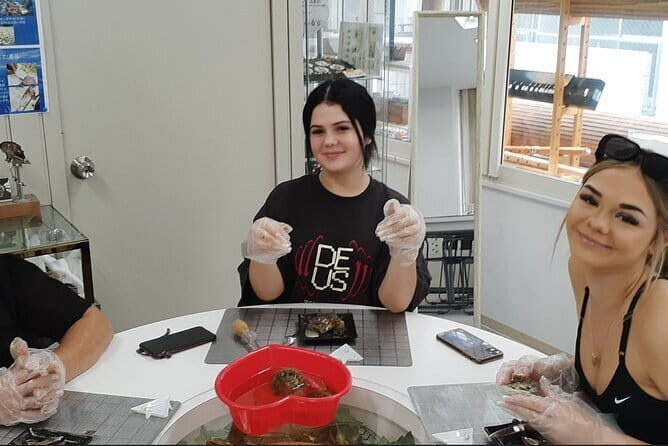
- Pick your own Akoya pearl from its shell rather than receiving a predetermined one
- One-to-one attention so you’re not waiting your turn
- You choose your jewelry style (examples include ring or necklace)
- Materials come from two places: pearls are sourced in southern Japan, parts are handled at the Tokyo factory
- You leave with a finished Japanese pearl keepsake—not just a craft you set aside
Ueno Pearl Workshop: A Calm Start That Feels Like Your Own Studio
This activity is based in Ueno, Tokyo, and it has that rare small-class vibe: you’re not shuffled through stations with a big group. Your start point is PICOLABO, 5-chōme-4-1 Ueno, Taito City, Tokyo 110-0005. It’s near public transportation, so you can treat it like a quick add-on to a day that already includes Ueno sights.
The setting matters here. Pearl jewelry sounds fancy, but the tone is practical. You’re guided step by step, and because it’s private, the process can move at your pace. That one-to-one setup is a big deal for first-timers. If you’re the kind of person who needs to ask one extra question to feel confident, this format helps.
Also, the session is short—about 1 hour. That’s enough time to do something meaningful without turning your day into a production. In Tokyo, where schedules can get crowded, that timing is a real plus.
You can also read our reviews of more tours and experiences in Tokyo.



Picking Your Akoya Pearl: The Moment You Actually Remember
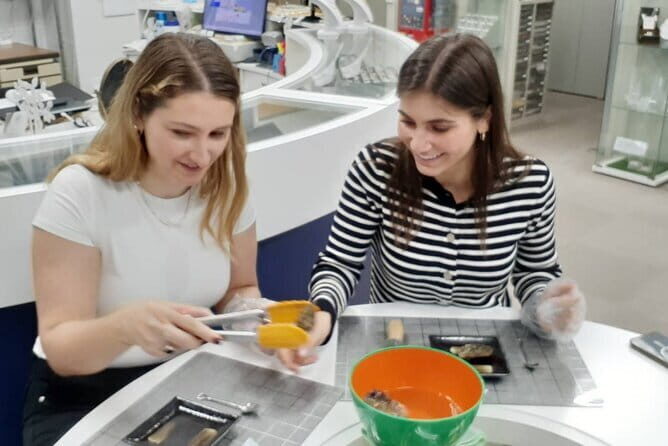
The heart of the experience is simple: you pick a pearl from its shell. You’re not just choosing between ready-made items. You’re selecting an actual Akoya pearl, then using it as the centerpiece for your jewelry.
Why that matters: pearls are famously individual. Their size, shape, and surface look can differ, even when you’re working with the same general type. Choosing your own pearl turns the class from a souvenir transaction into a decision you make. That shift is what makes your finished piece feel like it’s yours.
You’ll also learn something along the way—at least, that’s the vibe the experience is built on. People come away liking two things at once: the facts about pearls and the satisfaction of matching the pearl to a final design. One family-style highlight is that the environment stays calm and welcoming, even as everyone looks for the pearl they connect with.
If you’re traveling with kids or teens, this kind of “pick-and-choose” activity can work better than you’d expect, because it’s visual and tactile. Just know it’s still a private class, so you’ll be interacting with the staff during the process rather than watching from the sidelines.
Choosing Your Jewelry: Ring, Necklace, and Your Personal Taste
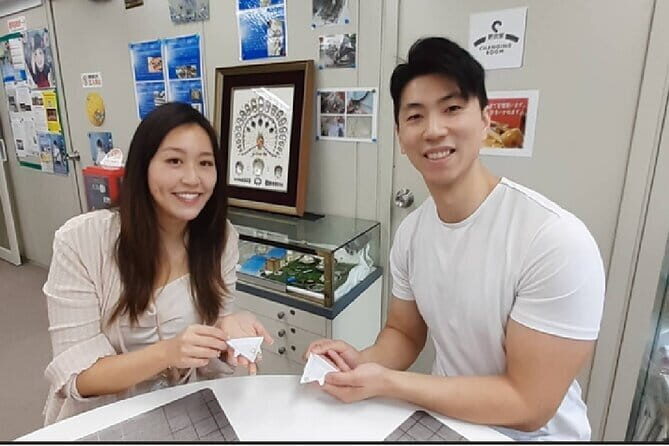
Once you’ve selected your Akoya pearl, you choose what jewelry you want to make. The class explicitly mentions options like a ring or a necklace, and the key point is flexibility: you’re not stuck with a single design.
This is where the experience feels modern. A lot of craft tours hand you a plan and call it personalization. Here, you’re picking the type of item and then fitting the parts around your chosen pearl. That’s a clearer path to a meaningful result.
You should also think about what you’ll realistically use later. If you want something you’ll wear often, a ring can be great but it depends on sizing needs and your style comfort. A necklace often works as a simple, wearable form. You’ll have the chance to decide based on what appeals to you in the moment—right when the pearl is in front of you.
And yes, the workshop frames the finished result as a one-of-a-kind keepsake. Even if the broader process is similar for each person, the combination of pearl choice plus your jewelry type makes it feel unique in a way mass-market souvenirs don’t.
Tokyo Factory Parts: How the Building Block Really Works
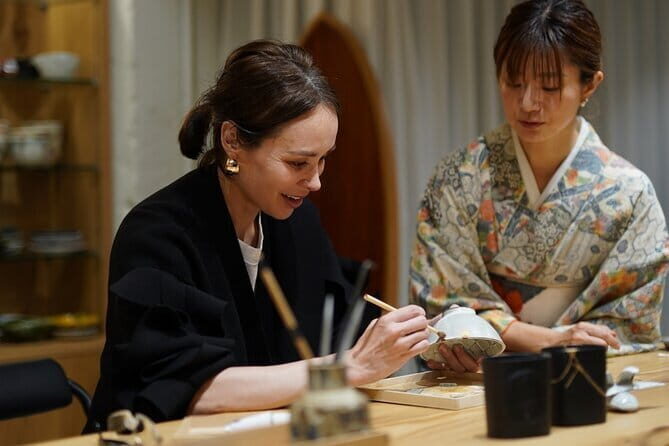
After the pearl selection, the experience focuses on pairing that pearl with fitting parts accessory. The information you’re given is straightforward: you pick the Akoya pearl from its shell, then fit it with parts sourced from the Tokyo factory.
In other words, you’re not doing everything from raw materials. You’re doing the important part: selecting the pearl and then assembling your jewelry from the components. That keeps the experience beginner-friendly while still giving you real ownership.
Here’s what to plan for: the fitting parts accessory are not included in the base price. They cost up to $50 USD. That “up to” detail is useful because it tells you the workshop isn’t trying to upsell wildly—it’s setting a ceiling for the accessory cost.
So treat the class like two-stage buying:
1) the pearl selection and guidance are included in the $19.55 base price
2) the finishing hardware is an additional choice tied to what you make
If you walk in with a realistic accessories budget, you’ll feel in control instead of surprised.
Price and Value: Getting the Pearl Included Changes the Math
At $19.55 per person for about one hour, this class is priced as an affordable craft experience—especially in Tokyo, where “unique” often comes with a high bill. The value here isn’t just the labor. It’s what you receive.
The base price includes an Akoya pearl with shell. That’s a significant part of what you’re buying, because the pearl is the centerpiece. A lot of souvenir crafts would charge you for a workshop while you still pay separately for the final materials. Here, the pearl is part of what’s included.
Then, separately, you add fitting parts accessory up to $50 USD. That’s the part that determines how your jewelry looks and what form it takes. For me, this structure is more transparent than a single all-in price that hides the cost of materials inside the tour fee.
So the real way to think about value is: you’re paying for (1) a real pearl keepsake and (2) personal guidance to put it together. If you want a “made-by-me” souvenir that doesn’t feel like a paperweight later, this pricing model is sensible.






How to Fit It Into Your Tokyo Day Without Stress
The class is private and ends back at the meeting point. That simplicity is underrated. You’re not dealing with a complicated route or a drop-off that leaves you guessing where to go next.
Because it’s near public transportation, you can plan it around other Ueno plans. Ueno is a solid hub area, and a 1-hour activity fits naturally between museum time and dinner.
Also, you’ll get a confirmation at booking time, and the ticket is mobile. That matters if you’re traveling light. Bring your phone, keep the ticket handy, and arrive a few minutes early so you don’t feel rushed when you meet the staff.
One practical note: since the accessory parts cost can add up to $50, it’s smart to have some extra cash or card space ready. Even if you don’t know exactly what you’ll choose yet, you’ll be glad you planned for it.
Who This Is Best For (and Who Might Skip It)
This is best for you if you:
- want a hands-on souvenir that’s not just a picture
- like the idea of selecting your own pearl, not receiving a random one
- enjoy learning while you work, with real one-to-one attention
- want a custom feel, even if the class lasts only about an hour
It may be less ideal if you:
- want an all-in, no-extra-cost craft with no choices afterward
- are looking for a longer storytelling experience with lots of history and no assembling
- prefer group tours where you can blend into the crowd
Because it’s private, the pace can be comfortable. If you like structure, this format gives you a plan. If you like flexibility, you’re choosing the jewelry type and selecting the pearl.
Your Finished Keepsake: A Pearl Souvenir You’ll Actually Use
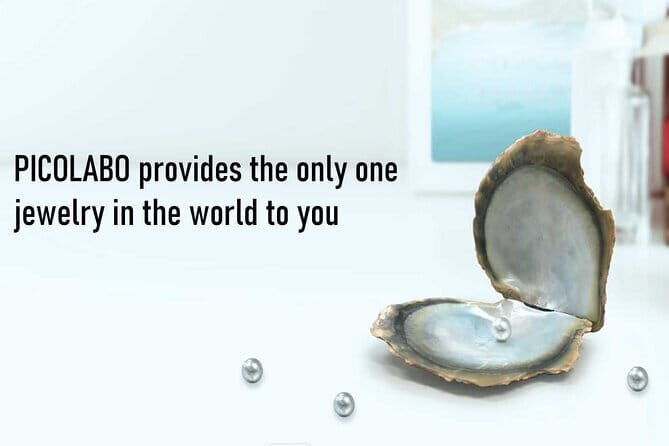
Most Tokyo souvenirs are designed to be looked at, not worn. This one is different. You end with pearl jewelry you’ve made yourself, and the pearl you selected is an Akoya pearl with shell—so it starts with a real object, not a decorative imitation.
That matters for emotional value. A finished piece becomes a memory you can wear. It also makes gifting easier if you’re traveling with family, because it’s inherently personal: the pearl is the choice you made, and the jewelry style is the decision you requested.
And the experience is built around an authentic Japanese pearl connection—pearls sourced in southern Japan, assembled in Tokyo. It’s a nice mix of local craft and real material story, without requiring you to sit through a long explanation.
Should You Book This Pearl Jewelry Class in Tokyo?
Book it if you want a short, meaningful, one-to-one craft where you leave with something real. The base price includes the Akoya pearl with shell, and the personal guidance plus your own pearl choice is what makes the experience feel worth the money.
I’d skip it only if you hate choices or you want zero extra spending. Because accessory parts are added separately (up to $50), your final total will depend on what you decide to make.
If you’re in Tokyo and you want a souvenir that feels crafted, personal, and actually wearable, this is a solid bet.
FAQ
How long is the pearl jewelry making experience?
The class runs for about 1 hour.
Is this a private tour or shared activity?
It’s private. Only your group participates.
What is included in the $19.55 price?
The price includes an Akoya pearl with shell.
Do I have to pay extra to finish the jewelry?
Yes. The fitting parts accessory for the Akoya pearl are not included, and they cost up to $50 USD.
Where do I meet for the activity?
You meet at PICOLABO, 5-chōme-4-1 Ueno, Taito City, Tokyo 110-0005, Japan. The activity ends back at the meeting point.
What happens if I cancel?
This experience is non-refundable and cannot be changed for any reason. If you cancel or request an amendment, the amount you paid will not be refunded.