REVIEW · KAGOSHIMA
Experience about the blessings of the earth in Sakurajima.
Book on GetYourGuide →Operated by Step., Inc · Bookable on GetYourGuide
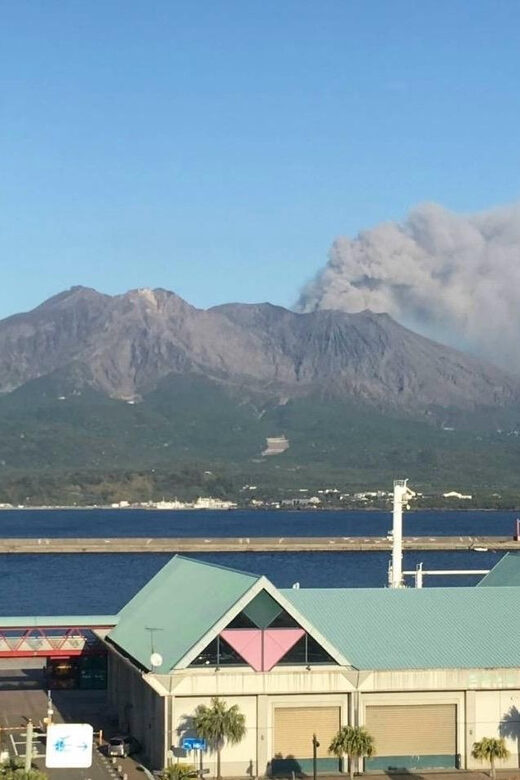
Sakurajima is right next door, breathing fire. This six-hour private tour in Kagoshima brings you from the ferry into the active volcano area, with guided stops at the visitor center and observation deck. I love how close you get, and how the guide works hard to capture great photos of the views.
After the lava viewpoints, you head to hot springs where you can soak your feet in the volcanic warmth you help set up, then fuel up with fish dishes—especially fresh amberjack. It’s a hands-on, family-friendly payoff that turns volcanic power into something you can actually feel. Just know the price doesn’t cover the ferry fee or your meals, so you’ll budget extra on top of the $193.
In This Review
- Key things that make this Sakurajima tour worth your time
- Sakurajima from Kagoshima: the ferry ride sets the tone
- Visitor Center grounding: understand Sakurajima before you stare at it
- Close-up volcano photo stops at Sakurajima and Arimura
- What if weather changes things?
- Lunch that matches the coast: amberjack and fish-forward comfort
- The hot spring payoff: soak your feet in warmth you helped create
- Why this matters
- Timing: one hour of breathing room
- Photo help and guide energy: Mako, Koko/Coco, and the group vibe
- Private-group value: what you pay for (and what you should expect to pay extra)
- Practical tips so your Sakurajima day goes smoothly
- Who this Sakurajima tour is best for
- Should you book the Sakurajima blessings of the earth tour?
- FAQ
- How long is the Sakurajima tour?
- What languages are available for the guide?
- Is lunch included in the price?
- Is the ferry included?
- Can I cancel for a full refund?
- Is the tour wheelchair accessible?
- What should I bring?
Key things that make this Sakurajima tour worth your time
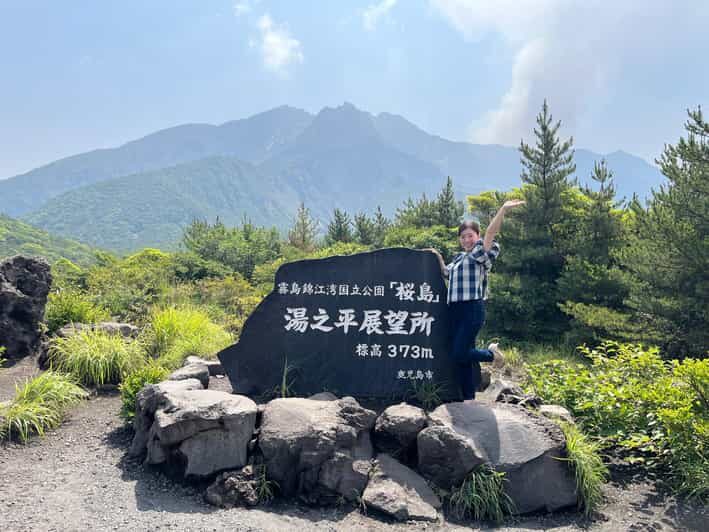
- Majesty next to a living volcano: visitor-center context plus close photo stops at key viewpoints
- Dig-your-own foot soak: you don’t just watch the hot spring—you participate
- Fresh amberjack focus: you’re guided to fish food that matches Sakurajima’s aquaculture reputation
- A guide who photographs and adapts: schedules can flex if weather changes your volcano plans
- Private group comfort: easier pace for families, older travelers, and anyone who hates rushing
- Hot springs plus coastal energy: the day balances big geological scale with local daily life
Sakurajima from Kagoshima: the ferry ride sets the tone
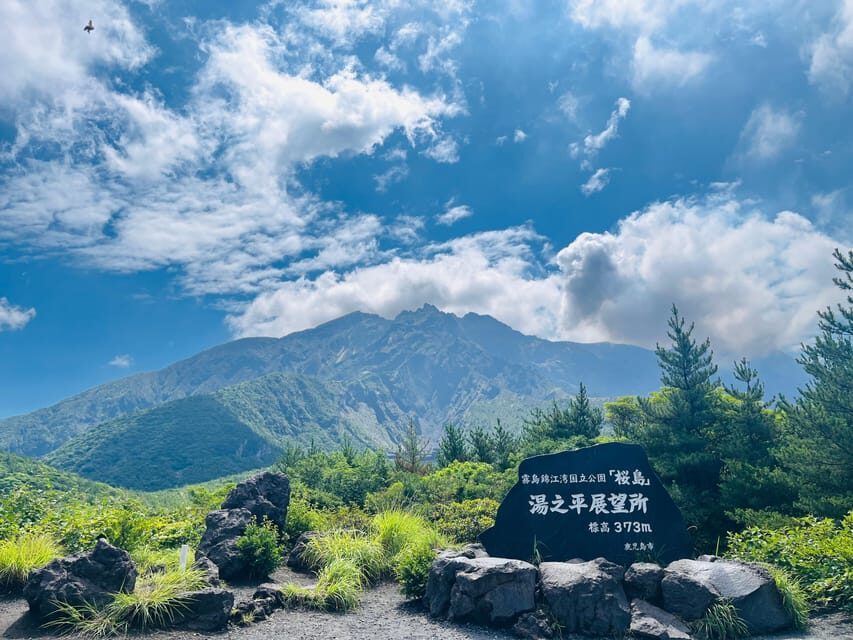
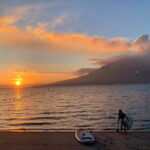
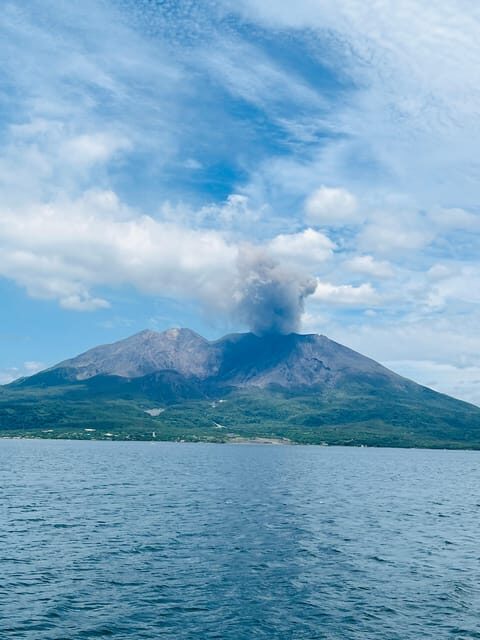
Kagoshima to Sakurajima starts with water. You take the ferry (about 30 minutes), and that timing matters because it gives you a clean, scenic transition from the city mood into volcanic territory. The bay views also help you “read” what you’ll see later: thick stone, steam, and the sense that the island is always active in the background.
This is a private-group tour, so you’re not stuck in a one-size-fits-all rhythm. Pickup options make it easier, too. You can meet the group at Marine Port Kagoshima Square, Kagoshima Central Station East Exit area, or CenTerrace TENMONKAN, depending on where you’re staying.
A small but smart detail: the tour includes transfer support to Kagoshima Chuo Station or a nearby hotel within about a 15-minute drive. That reduces the stress of getting to the port on time, especially if you’re traveling with kids or you’d rather not fight train-to-walk timing.
You can also read our reviews of more tours and experiences in Kagoshima.

Visitor Center grounding: understand Sakurajima before you stare at it
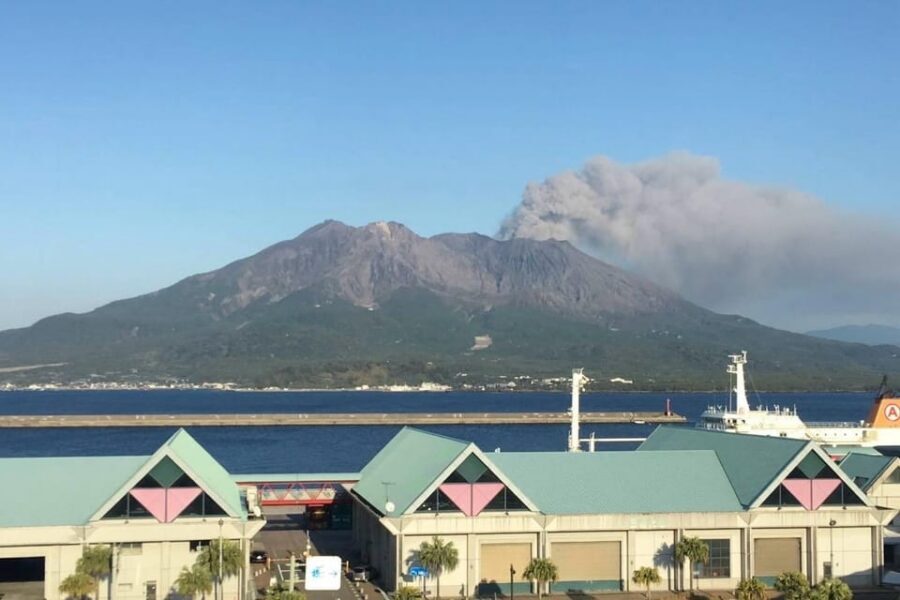
The day moves quickly after the ferry. First comes the Sakurajima Visitor Center (about 30 minutes) with a guided visit. This is where you get the “what you’re looking at” part, and that changes the whole experience.
Without context, an observation stop can feel like just another view. With context, you start noticing the patterns—how Sakurajima’s activity shapes the area, why the island matters, and what the major viewpoints are designed to show. Even if you don’t consider yourself a volcano person, this is the section that helps your photos turn into real memories instead of random scenery.
Then you get moving again, because the tour keeps you close to the action.
Close-up volcano photo stops at Sakurajima and Arimura
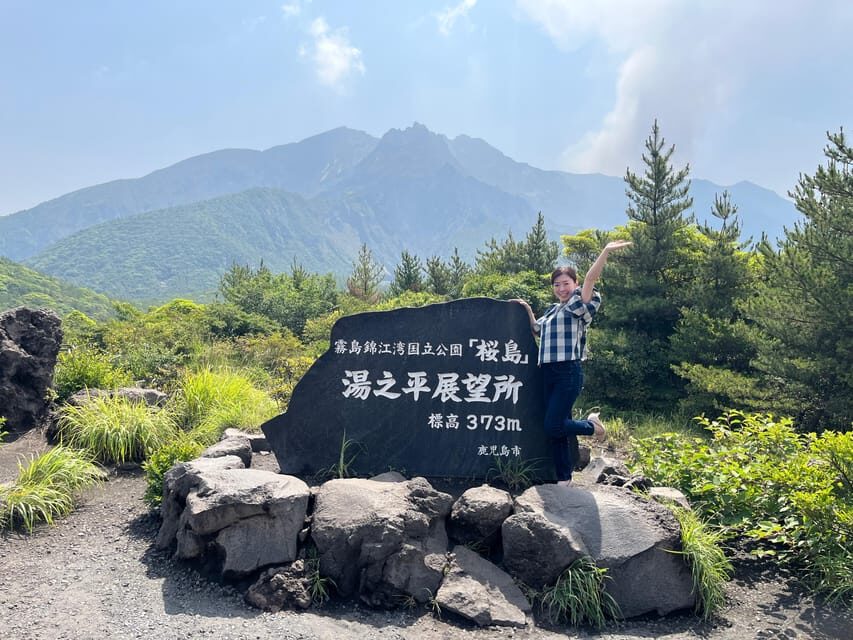
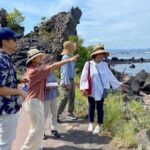
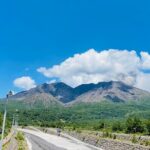
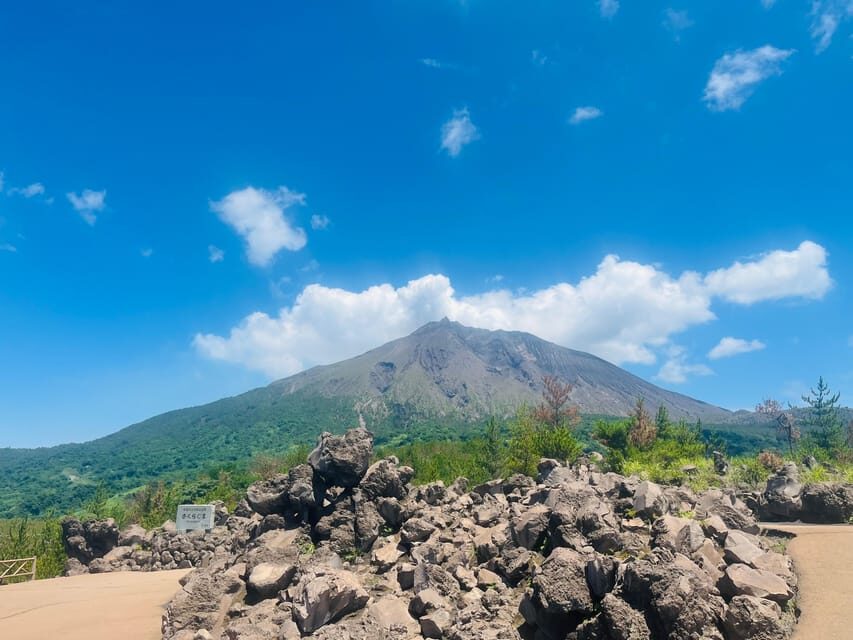
You’ll have two main viewpoint moments: a photo stop and sightseeing time at Sakurajima, followed by another photo stop at the Arimura Lava Observation Deck.
These stops are short on paper (around 20 minutes each), but they’re paced so you can do the important things:
- Look for the steam and rock lines
- Get photos without feeling time-crunched
- Ask your guide what’s safe, what’s worth focusing on, and what the volcanic activity means in plain terms
The big win here is proximity. The tour is designed so you’re not far away, behind layers of “tourist distance.” You’re right there in the volcanic zone, absorbing scale. That’s the whole point of choosing a Sakurajima trip in the first place.
What if weather changes things?
Volcano tours live or die by weather. In past experiences, guides have had solid alternative plans ready—like swapping in a pottery making demonstration, trying pottery yourself, and even adding a green tea garden stop for tasting. The practical message for you: if clouds roll in or conditions aren’t great, don’t assume your day is ruined. A good guide can reroute so you still get a fun, meaningful experience.
Lunch that matches the coast: amberjack and fish-forward comfort
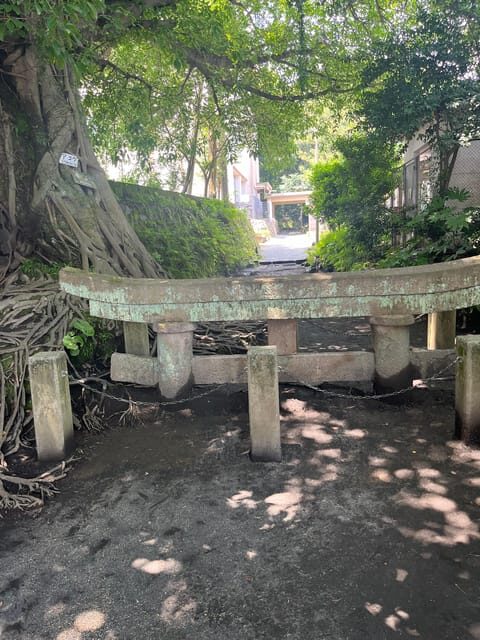
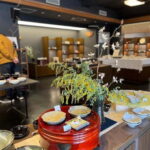
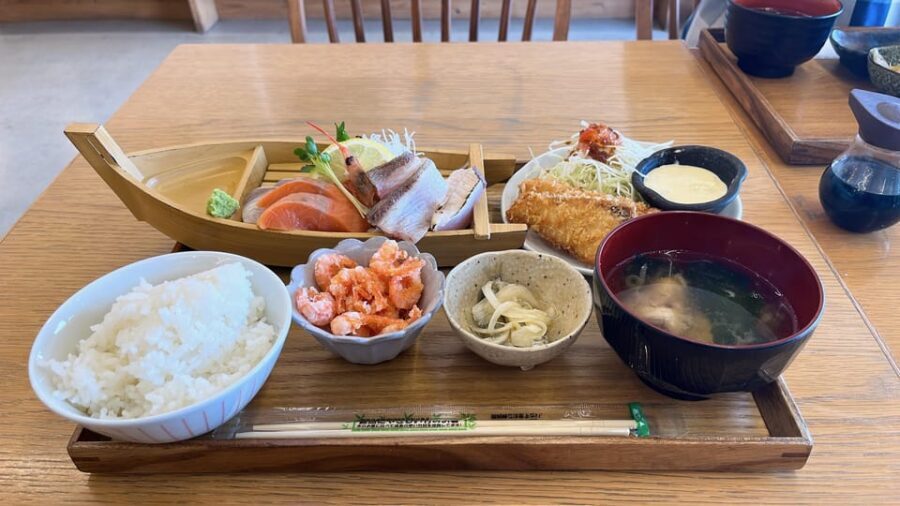
After the viewpoint portion, the tour heads to lunch (about 1 hour). The guide takes you to a fish restaurant, which matters because it connects your volcano day to local food tied to the coast and nearby aquaculture.
Sakurajima’s area is known for amberjack aquaculture, and you’re strongly steered toward fresh amberjack dishes. If you like simple, honest seafood—grilled, served as set meals, or prepared in ways that actually taste like the ocean—this is the section you’ll probably remember.
A key budgeting note: meal cost isn’t included. The tour sets up the restaurant and guides you there, but you pay for what you eat. Still, I see this as value rather than a trick: a guided choice reduces the chance you end up in a random place that doesn’t fit the day’s theme.

The hot spring payoff: soak your feet in warmth you helped create
This is the moment that turns the whole tour from viewing into feeling.
The itinerary includes a stop at the coast where hot springs gush out. You’ll have time to soak your feet in hot water, and here’s the memorable twist: you soak in hot spring water that you helped create—described as something you dug yourself. That hands-on action is what makes it different from a typical onsen stop where you just show up, sit, and leave.
Why this matters
Volcano tourism can sometimes be all “look at the rocks.” This experience flips it. You’re letting geothermal heat do something practical—warm your feet, calm you down after walking and ferry time, and make the volcanic story physical.
If you’re traveling with kids, it’s a rare chance to do something interactive without needing fancy gear. If you’re traveling with older relatives, the foot-soak style is often easier to manage than longer full-body baths, especially when you’re on a schedule.
Timing: one hour of breathing room
You’ll also have about an hour of free time later in the route. Based on how the day has played out, that window commonly supports the hot spring experience and actual relax time—so you’re not rushing back out to the next stop the second you feel warm.
One more practical note: wear sports shoes. Even if you’re just walking a bit, you want footwear that handles uneven coastal conditions comfortably.
Photo help and guide energy: Mako, Koko/Coco, and the group vibe
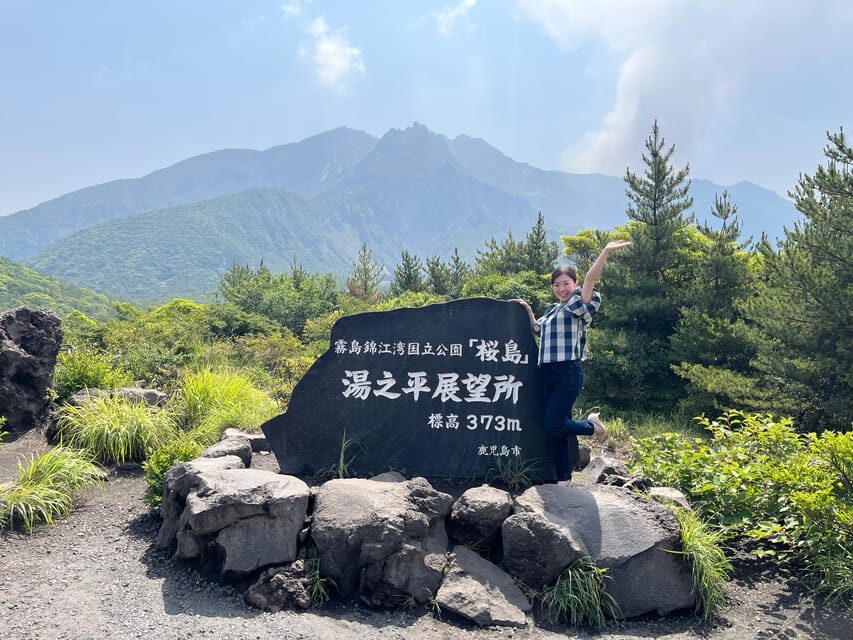
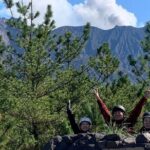
One of the most consistently praised parts is the guide experience. Guides have shown up as energetic, professional, and unusually good at making the day feel smooth—especially with photo-taking. That sounds minor until you realize how hard it is to capture the right angles when you’re also trying to understand what you’re seeing.
You may work with a guide like Mako, often paired with a co-guide such as Koko or Coco (names can vary by day and group). In either case, the pattern is the same: they help with timing, give recommendations, and keep things moving without making you feel pushed.
There’s also a flexibility element. If the volcano viewing route isn’t working due to weather, the guide can pivot—like the pottery and tea-garden alternative mentioned earlier. That flexibility is worth real money. It’s the difference between a day that feels planned and a day that feels resilient.
And yes, there can be thoughtful touches like welcome gifts depending on the group and schedule. Those details don’t change the volcano, but they do change your first hour.
Private-group value: what you pay for (and what you should expect to pay extra)
Let’s talk about the price in a way that helps you decide.
At about $193 per person for a 6-hour private experience, you’re paying for:
- Pickup and transfer support near Kagoshima Chuo Station
- An English-speaking guided tour around Sakurajima areas
- Photo help from the guide
- Guidance to a fish restaurant that fits the day
- A structured pace that keeps the volcano + hot spring elements connected
What’s not included is also important:
- Round trip ferry fee
- Meal cost
- Personal expenses
So when you budget, think of the tour fee as paying for the guide, the routing, and the hot spring/volcano experience structure—not for the ferry ticket and your lunch choices.
For the right kind of traveler, that can be a great deal. Private-group pricing often makes more sense when:
- You have kids and want fewer hassles
- You want a calm pace and more direct Q&A
- You don’t want to juggle multiple tickets and transfers by yourself
If you’re the kind of traveler who loves DIY and already knows how to get to Sakurajima on your own, you might skip a guided experience. But if you want the volcano day to feel coherent—context, viewpoints, and a geothermal soak without stress—this setup is built for you.
Practical tips so your Sakurajima day goes smoothly
A few small things can prevent big headaches:
Wear sports shoes. The tour expects comfortable walking footwear, especially around ports and coastal areas.
Plan for extra costs. Ferry and meals are separate, so keep some cash or card space for those.
Keep your camera ready, but don’t rush. The guided photo stops are short by design. Let the guide explain what to notice first, then shoot.
Go with a flexible mindset. Weather can affect volcano conditions, and it’s not rare. The advantage of using a guide is that the day can adapt rather than stall.
If you’re with family, this is a good fit. The experience is framed as suitable for people of all ages, with a hands-on hot spring element and a pace that avoids constant long climbs.
Who this Sakurajima tour is best for
I’d put this tour near the top of the list if you’re:
- Curious about active volcanoes and want to see Sakurajima up close
- Interested in a hot spring experience tied directly to volcanic geography
- Food-focused and eager to try local fish, with strong amberjack suggestions
- Traveling with kids or mixed ages and want a day that stays manageable
- Someone who values a guide who can explain what’s happening and help with photos
It’s also a solid choice if you want a day that feels like Kagoshima culture, not just a checklist. The ferry, visitor context, lava viewpoint stops, fish lunch, and geothermal foot soak combine into one theme—earth in action.
Should you book the Sakurajima blessings of the earth tour?
Book it if you want a guided Sakurajima day that balances big geological drama with a hands-on hot spring experience. The hot spring foot soak you help set up is the sort of memory that sticks, and the guide’s flexibility can save your day if weather makes volcano viewing tricky.
I’d think twice if you’re traveling on a tight budget and want to control every cost yourself, because ferry and meals aren’t included. Also consider whether you’re comfortable with the physical parts of the experience—mainly walking and participating in the hot spring setup—so wear good shoes and go in with the right expectations.
If your goal is a coherent, special Sakurajima day without logistical stress, this tour earns its place.
FAQ
How long is the Sakurajima tour?
The tour lasts about 6 hours.
What languages are available for the guide?
The live tour guide is available in English and Japanese.
Is lunch included in the price?
Meal cost is not included. The guide will take you to a fish restaurant, and you pay for what you order.
Is the ferry included?
Round trip ferry fee is not included.
Can I cancel for a full refund?
Yes. You can cancel up to 24 hours in advance for a full refund.
Is the tour wheelchair accessible?
Yes, the tour is wheelchair accessible.
What should I bring?
Bring sports shoes.