REVIEW · TAKAYAMA
From Takayama: Foodie Adventure, Showa Era, & the Old Town
Book on Viator →Operated by Snow Monkey Resorts Tours (Machinovate Japan Ltd.) · Bookable on Viator
Your stomach leads the way in Takayama.
This 4-hour food and culture walk pairs Morning Market street snacks with a stroll through the old town streets, then adds a detour that most food tours skip: the Showa-Kan museum, so you get a sense of everyday Japan beyond the plates.
I especially like how the day is built around Takayama’s food rhythms, starting at the market and ending with something sweet. I also like that the guide experience is a big part of it—past groups have named guides like Hino and Hemi for friendly banter, clear explanations, and even practical help beyond the tour.
One possible drawback: you are on your feet for a good chunk of the morning, including a short walk from Takayama Station and time inside small streets where you’ll want comfortable shoes. Also, the tour includes specific snacks and lunch, not every street food item you may spot along the way.
In This Review
- Key highlights you’ll care about
- Starting at Takayama Station: a morning you can actually plan
- Hida-Takayama Miyagawa Morning Market: snacks, smells, and local timing
- Sanmachi Suji old town lanes: Edo architecture plus food instincts
- Lunch around 11:45: Takayama ramen with less stress
- Takayama Showa-Kan museum: a pause that adds meaning
- Purin dessert finish: a gentle way to end the morning
- Price and value: what you’re really paying for
- Who should book this Takayama foodie walk
- Should you book From Takayama: Foodie Adventure, Showa Era, & the Old Town?
- FAQ
- How long is the Takayama foodie tour?
- What’s included in the price?
- Where does the tour start and end?
- What time does the tour begin?
- Are there admission fees at the market, old town streets, or dessert stop?
- How many people are in the group?
- What is the cancellation policy?
Key highlights you’ll care about
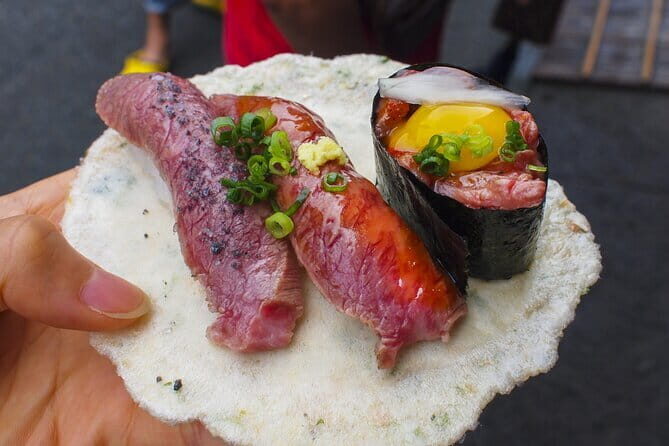
- Morning Market first: a fast start that sets you up to taste Takayama the right way.
- Sanmachi Suji old-town lanes: Edo-era streets without needing a map obsession.
- Ramen lunch at the right moment: you eat before the heat and crowds build.
- Takayama Showa-Kan museum stop: everyday-life Japan from 1926 to 1989.
- Purin dessert finish: a creamy custard-style treat that’s easy to share.
- Small group size (up to 10 people): better pacing at food stops.
Starting at Takayama Station: a morning you can actually plan
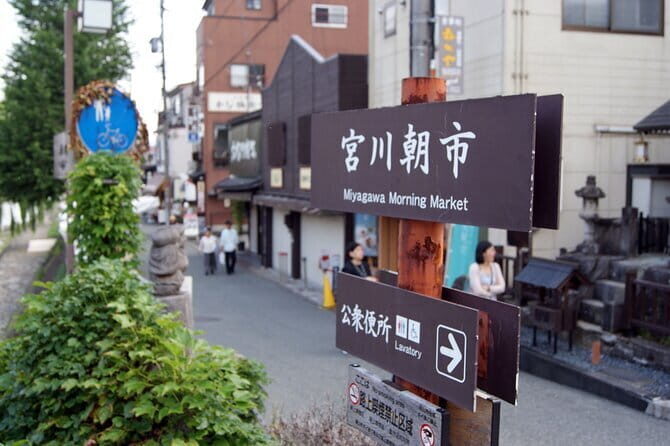
The meeting point is Takayama Station, and the tour starts at 10:00 am. Expect about 4 hours 15 minutes total, ending back at the same spot. The walking is modest but real: you’ll do roughly a 15-minute walk to the first stop, then there’s an optional 15-minute walk back.
That structure matters more than you think. Takayama’s old town can be compact, but it’s easy to waste time hunting for the right stall, the right shop, or the right meal. This tour takes the guesswork out of the flow. You show up, you start tasting, and the day moves with purpose.
There’s also a practical advantage to the group size: it’s capped at 10 people. That usually means less waiting, more chances to ask questions at each stop, and smoother transitions between lanes, shops, and the museum.
Finally, it’s a mobile ticket format, which is handy if you don’t want to juggle paper.
A few more Takayama tours and experiences worth a look

Hida-Takayama Miyagawa Morning Market: snacks, smells, and local timing
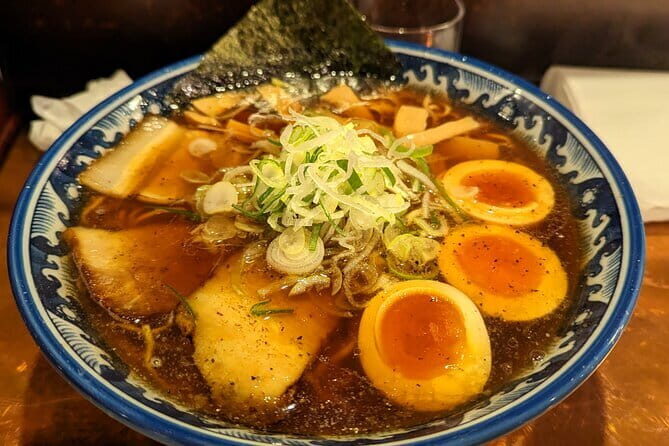
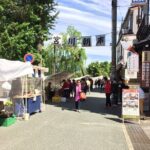
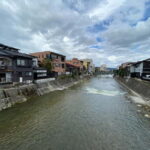
Your first big hit of Takayama flavor comes at the Miyagawa Morning Market. This is where the city’s food culture is most visible—vendors, customers, and the kind of fast-moving atmosphere that helps you understand what people actually buy on a normal day.
The tour uses the market as a tasting opener. You sample local treats early, with admission free for the market itself. In other words: you’re paying for guidance and food stops, not entrance fees.
What I like about starting here is the “context effect.” When you taste first, the rest of the day makes more sense. Later, when you walk through Sanmachi Suji and talk about regional specialties, you’re not just collecting snapshots—you’re connecting flavors to places.
Tip if you have a sensitive stomach or you’re picky about texture: eat slowly at the stalls. Market snacks are small by nature, but you’ll still cover enough variety to fill you up. If you’re worried about getting too full before lunch, pace yourself and leave room for ramen.
Sanmachi Suji old town lanes: Edo architecture plus food instincts
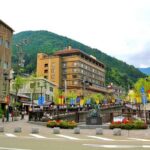
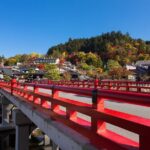
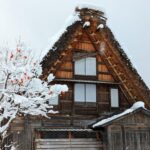
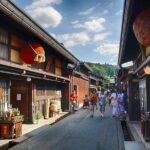
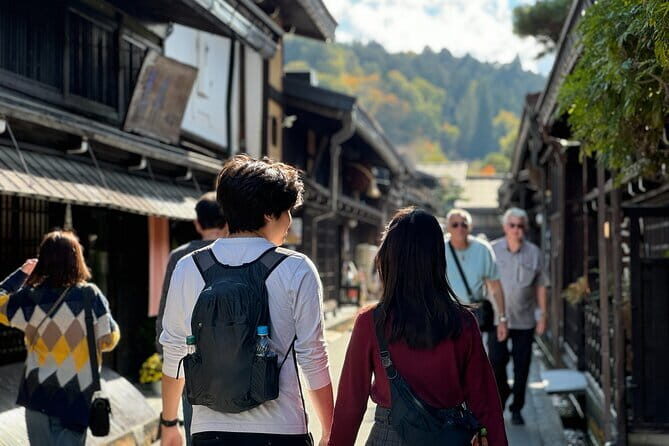
After the market, you shift into a walking loop through Sanmachi Suji, Takayama’s famous old-town area. This is where you’ll see the preserved street layout that reflects the Edo-period style—traditional wooden storefronts, narrow lanes, and a feel that’s much easier to appreciate when you’re moving with someone who knows what to notice.
Even better: the walking portion has no paid admission. That’s a big part of the value. You’re spending your money on expert direction and the food stops that matter, not on fees for scenery.
Why this stop works well as a pairing with the market: the old town streets help you understand how these foods fit into daily life. It’s not just eating in random places. You’re walking through the kind of town that historically hosted commerce, small trades, and the movement of local products.
In practical terms, this is also the part of the tour where comfortable shoes pay off. The lanes are narrow and uneven in places, and you’ll be walking between short clusters of shops. It’s not a strenuous hike, but it’s not a sit-down meal either.
Lunch around 11:45: Takayama ramen with less stress
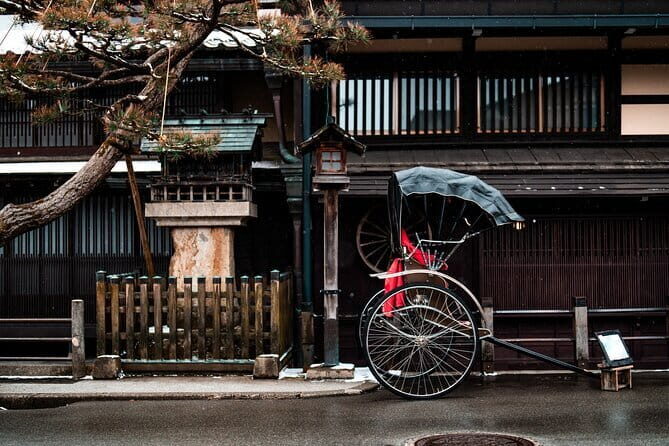
By the time you reach lunch, it’s around 11:45 am. That timing is smart. It’s late enough that you’re hungry after the morning market, but early enough that you’re not stuck in the heaviest lunchtime surge.
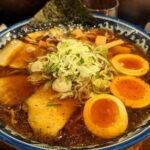
Lunch is included, and the featured dish is Takayama ramen. If you’ve had ramen before, you’ll still want to pay attention to the details—this is a regional specialty, and the point here is to taste what makes Takayama distinct rather than ordering the most familiar bowl on any menu.
From a value standpoint, this is one of the biggest reasons the tour works. One guided market tasting plus ramen plus another museum ticket would already take chunks out of your sightseeing budget if you planned it yourself. Bundling them into a single morning keeps the day efficient.
If you have dietary restrictions, the data you gave doesn’t specify options. So it’s worth messaging your booking platform ahead of time with your needs. The tour includes lunch, but the exact restaurant choices and substitutions aren’t listed in your details.
Takayama Showa-Kan museum: a pause that adds meaning
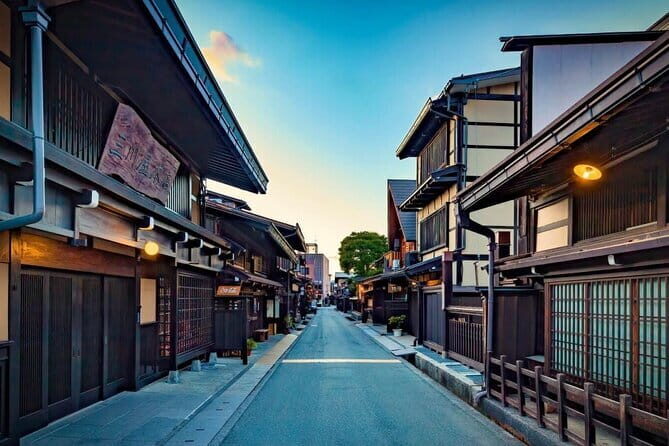
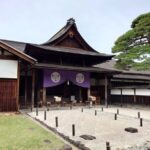
After lunch, you go to Takayama Showa-Kan, and admission is included. This museum focuses on the Showa era, covering a wide span from 1926 to 1989.
This stop is one reason the tour feels different from a straight “eat-only” route. Food connects to culture, but culture isn’t only buildings and street snacks. The Showa-Kan helps you understand how ordinary life worked—what people used, how they lived, and how daily routines looked in the recent past.
It’s also a welcome reset. If you’ve been walking around Japan for days, a museum break gives your legs a breather while keeping the day’s theme going. You’re still learning, just at a slower pace.
Practical note: plan to spend about an hour here. It’s long enough to actually see the exhibits, read a few things, and come out with a clearer picture of what the era meant.

Purin dessert finish: a gentle way to end the morning
After the museum, you get a sweet stop: pudding dessert. The guide offers Japanese purin, which is described as creamy custard similar to flan, with a rich texture and sweet caramel style profile.
The dessert stop is about 30 minutes, and the ticket is listed as free. That matters because it keeps the cost focused on the food and experience rather than stacking entrance fees.
I like desserts like this at the end of a food tour because it doesn’t feel like a second meal. You taste something classic, you relax for a bit, and you’re ready to return to the station without feeling overly stuffed.
If you’re tempted to order extra drinks or add-ons: you’ll likely still have time, but keep an eye on your energy. The tour ends back at the meeting point, and there’s an optional 15-minute walk to the station if you choose it.
Price and value: what you’re really paying for
The price is $165.18 per person. For a 4h15 guided experience that includes market food snacks, a ramen lunch, and entry to the Showa-Kan, the math leans toward solid value—especially if you’re trying to pack a lot into a short time in Takayama.
Here’s how the value tends to work in real life:
- Included lunch: ramen can cost enough that paying separately adds up fast.
- Included museum entry: museums don’t usually come free when you arrange your own day.
- Multiple tasting moments: market snacks plus a dessert stop means you’re sampling across the day instead of doing one heavy meal.
A final value point: booking averages around 52 days in advance. That suggests the operator expects demand. If Takayama is on your schedule, don’t wait until the last week unless you’re flexible about timing.
Who should book this Takayama foodie walk
This tour fits best if you want a guided way to see Takayama’s food and culture without turning your day into a research project.
It’s especially good for you if:
- you enjoy food plus context, like learning what’s behind local specialties
- you like small-group pacing (max 10 people)
- you want a route that covers both old-town streets and a museum stop
It may be less ideal if:
- you hate walking short distances and prefer mostly sit-down activities
- you need very specific dietary accommodations and want full customization (your provided details don’t confirm substitution options)
Also, because the museum is included and the route leans historical and cultural, it’s a nice fit even if you’re not a hardcore “foodie.” The tour is still centered on eating, but it keeps a cultural thread running.
Should you book From Takayama: Foodie Adventure, Showa Era, & the Old Town?
If you’re trying to make your one day in Takayama count, I’d say yes—with one condition: bring comfortable shoes and go in hungry but not reckless.
Book it if you want:
- market snacks + Old Town walking + ramen + Showa-Kan + purin, all organized into one morning
- a guide-led experience where people like Hino and Hemi have been praised for clear explanations and a friendly tone
- a small group format that keeps the tour from feeling rushed
Skip it or consider alternatives if:
- you’d rather do total freedom and choose each stall yourself
- you strongly prefer eating everywhere you point, with no preset lunch or dessert
- you have dietary needs not covered in your planning details
For most visitors, this is an efficient, culturally flavored way to eat like Takayama—plus a museum stop that turns your calories into learning.
FAQ
How long is the Takayama foodie tour?
It runs for about 4 hours 15 minutes.
What’s included in the price?
The price includes snacks from specific street food, lunch, and admission to the Takayama Showa-Kan museum.
Where does the tour start and end?
It starts at Takayama Station (Takayama, Japan) and ends back at the meeting point.
What time does the tour begin?
The start time is 10:00 am.
Are there admission fees at the market, old town streets, or dessert stop?
The Morning Market is listed as free admission, Sanmachi Suji is free, and the pudding dessert stop is also listed as free admission. The Showa-Kan museum admission is included.
How many people are in the group?
The group is limited to a maximum of 10 travelers.
What is the cancellation policy?
You can cancel for a full refund up to 24 hours before the experience’s start time. Canceling less than 24 hours before start time does not get refunded.