REVIEW · TAKAYAMA
From Takayama: Foodie Adventure, Showa Era, & the Old Town
Book on GetYourGuide →Operated by Machinovate Japan Ltd. · Bookable on GetYourGuide
Takayama on a schedule feels like a cheat code. This one-day walk-and-eat tour pairs Miyagawa Morning Market snacks with a smart, story-led glide through the Takayama Shōwa-kan museum, then ends with dessert and sake. I love the way the day gives you both street-level food and a real look at everyday Japan. I also love the small-group feel and English guidance that keeps the stops making sense. One possible drawback: you’ll be on your feet a lot and sampling foods along the way, so if you prefer a slow, sit-down pace, this may feel packed.
You start at Takayama Station at 10:00, get moving quickly, and spend most of the day in the Old Town area. That means less time thinking about transport and more time noshing and wandering. The price is $150 per person, which is fair when you add in lunch, guided tastings, and museum entry, but it’s best value if you truly like trying multiple local bites rather than just one big meal.
If you’ve got a short stay in Takayama and want more than souvenir browsing, this tour is built for you. The overall vibe is practical and friendly: eat first, learn as you go, and finish with two food-adjacent moments that tie the theme together.
In This Review
- Key highlights worth planning for
- A One-Day Mix of Takayama Food and Showa Nostalgia
- 10:00 AM Meet-Up at JR Takayama Station: Easy Starting Point
- Miyagawa Morning Market: Eat Before You Browse
- Old Town Walk: Edo-Period Streets and Classic Hida Flavors
- Lunch Break for Takayama Ramen and a Breather
- Takayama Shōwa-kan Museum: Everyday Japan from 1926 to 1989
- Purin Dessert: The Sweet Finale After Showa Scenes
- Sake Tasting at 02:10: Traditional Brewing Stories
- Price and Logistics: Is $150 Worth It?
- Who This Tour Fits Best
- Should You Book This Foodie Adventure?
- FAQ
- Where is the meetup point for the tour?
- What time does the tour start?
- How long is the tour?
- Is lunch included?
- Is the Showa-era museum entrance included?
- What language is the tour guide?
Key highlights worth planning for
- 10:00 AM start at JR Takayama Station so you can still have the rest of the day free.
- Morning Market sampling before the crowds fully set in, with local produce and handmade goods around you.
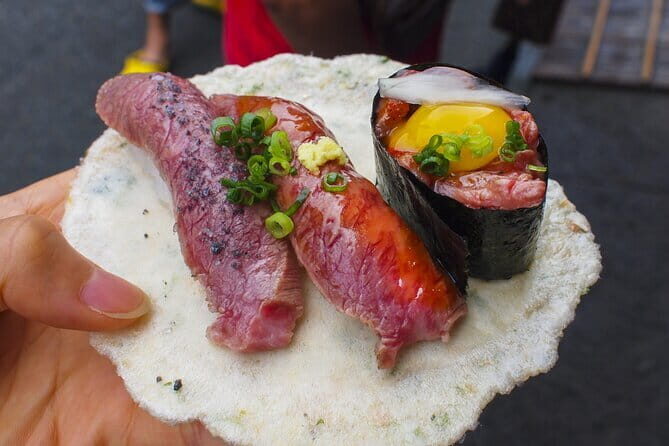
- Old Town street-food lineup featuring Hida Beef Stick, bun, sushi, and Gohei Mochi.
- Takayama Shōwa-kan museum showing daily life in Japan from 1926 to 1989.
- Purin dessert and sake tasting that finish the day with sweet and traditional flavors.
- Small group size (max 10) for a calmer pace and easier questions.
A One-Day Mix of Takayama Food and Showa Nostalgia
This is the kind of day trip that works well when you want two different kinds of memories from one place. First, you get Takayama’s food culture in a guided format: quick, specific bites that you can actually remember. Second, you get context for what Japan felt like in the Showa era, not just generic photos.
What makes the tour click is its structure. You’re not just dropped into a market and left to figure it out. You get an order to the day—market, Old Town, lunch break, museum, then dessert and sake—so the whole thing feels like one story rather than five separate activities.
And yes, you’ll walk. But the walking isn’t random. The Old Town streets are part of why the food tastes better. You’re moving through preserved streets while a guide explains what you’re seeing, which is exactly how sightseeing should feel.
A few more Takayama tours and experiences worth a look
10:00 AM Meet-Up at JR Takayama Station: Easy Starting Point
Meeting is outside the ticket gates at JR Takayama Station. Once you leave the gates, look to your left for a walkway with a carving depicting an ornate wagon. Wait nearby until the 10:00 AM start time.
Tip: if you arrive early, there’s a waiting area with benches nearby. Just make sure you’re at the official meetup spot by 10:00. You’ll also be looking for a guide wearing a SNOW MONKEY RESORTS tour tag.
The good news is that the meetup is clear and fixed, which matters on a travel day. No confusing “find us near the something-or-other shrine” instructions.
Miyagawa Morning Market: Eat Before You Browse
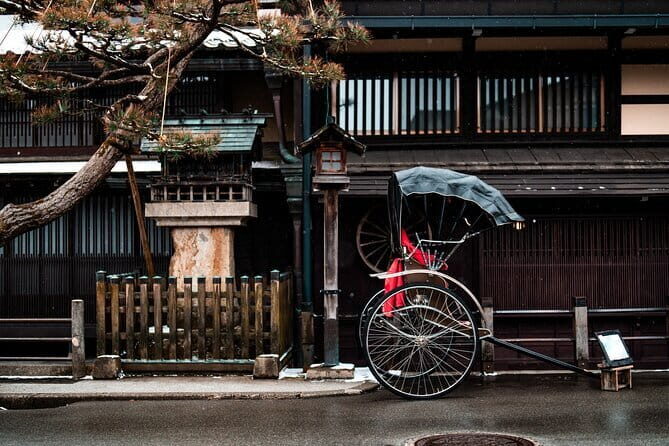
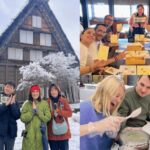
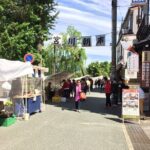
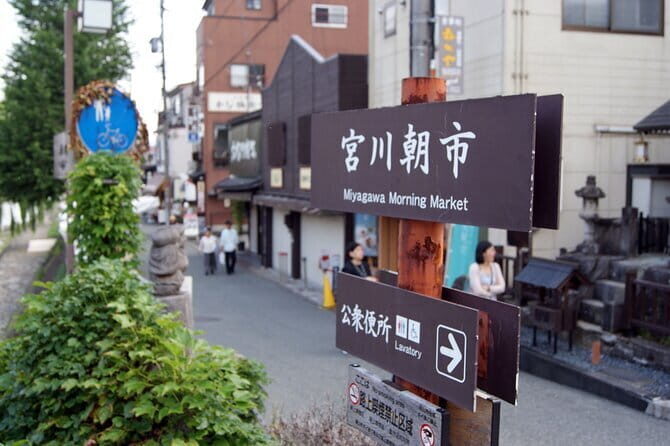
After a brief greeting and overview from your guide, you head straight to Miyagawa Morning Market. You’re there for about 30 minutes, and the focus is practical: sample local treats while the market’s energy is right in front of you.
You can also expect the market to be more than food. It offers local produce and handmade goods, so even if you’re full after tastings, you’ll still have things to look at. This is the moment to treat your stomach like a travel tool: eat a little, keep moving, and let the rest of the day build from that.
What I like about starting here is that it sets your taste expectations. If you’re trying Hida Beef and regional sweets later, the market gives you a sense of what locals care about.
Old Town Walk: Edo-Period Streets and Classic Hida Flavors
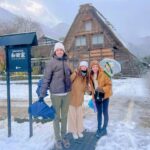
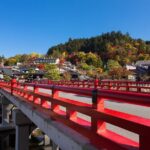
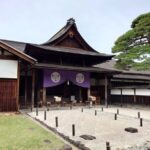
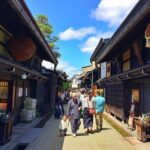
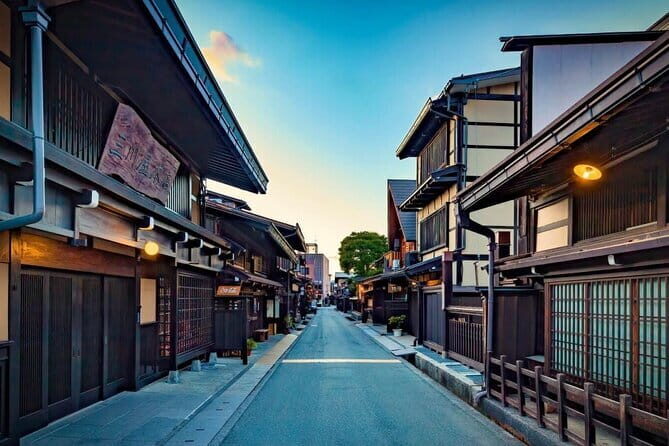
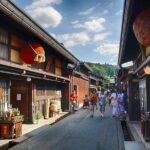
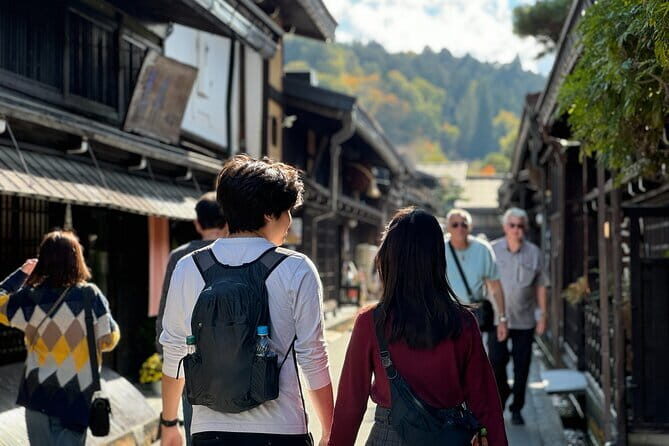
Next comes the guided stroll through Takayama’s Old Town, known for well-preserved Edo-period architecture. This is where the day feels most like Takayama and least like a checklist.
As you walk, the guide shares stories and context about the area’s history and traditions. You’re not just reading plaques. You’re hearing why certain things are still there and how the town functioned before modern life took over.
Then it’s food time, and the tastings are specific. In the Old Town you’ll try:
- Hida Beef Stick (local wagyu beef in stick form)
- Bun (a local-style sandwich/bun pairing for the beef)
- Sushi featuring the local beef theme
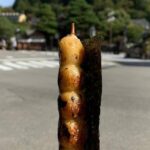
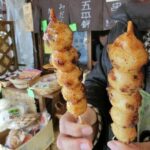
- Gohei Mochi: pounded rice shaped onto a stick, grilled and brushed with savory-sweet miso sauce
This combo is smart because it gives you different textures and cooking styles, all tied to local ingredients. You’re likely to notice how the miso sweetness works against the savory beef, and how the grilled rice has a different chew than something pan-fried or served chilled.
Practical note: with multiple tastings in a relatively short span, you should wear comfortable shoes and expect to nibble rather than sit. If you have food allergies, you’ll want to check with the guide during the tasting moments, since only some foods are explicitly listed.
Lunch Break for Takayama Ramen and a Breather
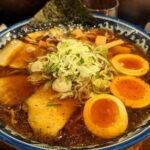
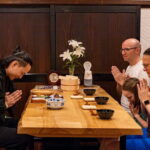
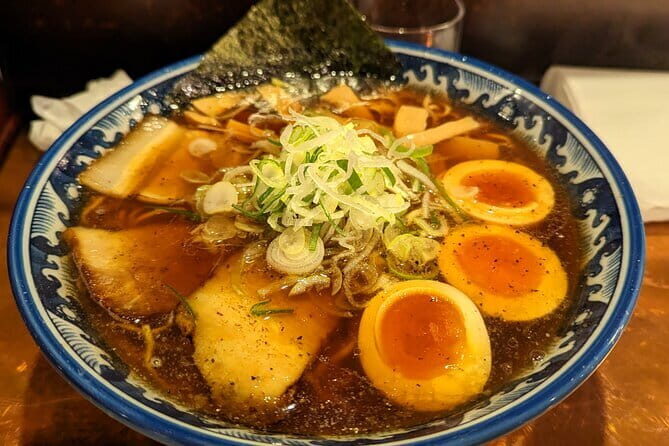
Around 11:45 AM, you pause for lunch at a local restaurant. You’ll have Takayama Ramen, usually with thin, curly noodles in a soy sauce-based broth, often made with chicken or pork. The bowl typically includes chashu pork, green onions, and bamboo shoots.
This lunch is more than a reset. It’s a regional anchor. Even if you love street food, ramen gives you a fuller, warmer meal that helps you keep energy for the museum.
The tour also includes a break/free time block after lunch, so you’re not forced to move nonstop right after ramen. Use that window to rest your feet, find water, and do a little personal wandering if you want.
Takayama Shōwa-kan Museum: Everyday Japan from 1926 to 1989
After lunch, you head to Takayama Shōwa-kan, a museum dedicated to Japan’s Showa era (1926 to 1989). The visit runs about 65 minutes, guided.
This stop is the tour’s “time machine” component, and it’s one of the best ways to make cultural tourism feel real. Instead of only big-picture history, you get everyday life: household items, school supplies, vintage toys, and recreated scenes of living rooms, kitchens, and shops.
Why this matters: when you walk old streets in Takayama, you’re seeing the results of older lifestyles. The Showa-kan museum helps you connect that past to a more recent, still recognizable Japan. It makes the architecture and traditions you saw earlier feel less like background and more like a living chain of everyday habits.
If you like history but hate long lectures, this is the sweet spot: visual scenes, a guided explanation, and enough time to look carefully.
Purin Dessert: The Sweet Finale After Showa Scenes
After the museum, you’ll have a pudding dessert stop. The described specialty is Japanese purin, a custard similar to flan, served with caramel sauce.
This matters because it’s not just a random dessert pick. It fits the theme of a nostalgic day: familiar comfort food with that Japanese style of texture and presentation. It’s a good way to keep your energy up before the last activity.
If you’re someone who usually skips dessert because you already ate too much, make an exception here. Purin is light enough to still enjoy after tastings and ramen.
Sake Tasting at 02:10: Traditional Brewing Stories
The day ends with a sake tasting session around 02:10 PM, hosted at a local bar. You’ll learn about traditional brewing methods and taste distinct flavors of Takayama sake.
Sake works well at the end of a food-forward tour because it ties together the idea of regional specialties. The guide’s explanation helps you taste with intention rather than just sipping and hoping you like it.
A practical word: you’ll have been eating for much of the day, so go at a relaxed pace during the tasting. If you don’t drink much, this is still a great cultural moment because you can focus on aromas and differences rather than pushing volume.
Price and Logistics: Is $150 Worth It?
$150 per person for a 1-day, small-group tour is a decent value when you look at what’s included. You’re getting:
- Lunch
- Specific street foods (not just vague “snacks”)
- Entrance to the Showa-era museum
That means your money goes toward curated food stops plus the museum entry cost, and the guide does the heavy lifting of explaining what you’re seeing and tasting. With a max group size of 10, you also get a better shot at asking questions without feeling like you’re sprinting between people.
Could you do the same things on your own? Sure. But it would take more planning and more decision-making in the moment—especially for knowing what to try and how to connect the Old Town walking with the Showa museum theme.
So here’s the real value test: if you like organized food tastings, prefer an English guide, and want an itinerary that keeps you moving without chaos, $150 is fair.
If you’d rather wander freely and pick only one food stop, you might feel this is more structured than you want.
Who This Tour Fits Best
This tour is ideal if you fall into one (or more) of these categories:
- You want Takayama’s Old Town with context, not just photos.
- You’re a foodie who enjoys trying multiple styles of food in one day, especially Hida Beef and grilled sweets.
- You like history, but you want it shown through rooms, objects, and everyday scenes rather than only textbooks.
- You prefer a small group (up to 10) and an English-speaking guide.
It’s also a strong option for a short Takayama stay. You’ll cover the market area, Old Town walking, a museum, and a tasting without having to piece together a full day yourself.
Should You Book This Foodie Adventure?
Book it if you want a tight one-day plan that mixes street food, a classic ramen lunch, a Showa-era museum visit, and a final sweet-and-sake finish. The tastings are specific and the day is paced to keep you fed and oriented.
Skip it or think twice if you hate walking, dislike eating multiple items back-to-back, or only want one main meal and no structured tastings. This is built for people who like momentum.
Given the overall guest reaction—especially praise for the guide, the food quality, and the enjoyable walking through Takayama—it’s the kind of tour that usually makes sense for first-timers.
FAQ
Where is the meetup point for the tour?
You meet outside the ticket gates at JR Takayama Station. Leave the gates and look left for a walkway with an ornate wagon carving. The guide will wear a SNOW MONKEY RESORTS tour tag.
What time does the tour start?
The tour starts at 10:00 AM.
How long is the tour?
It’s a one-day tour with a full-day schedule starting at 10:00 AM.
Is lunch included?
Yes. Lunch is included.
Is the Showa-era museum entrance included?
Yes. Entrance to the Takayama Shōwa-kan museum is included.
What language is the tour guide?
The tour is guided in English, and it runs as a live small-group tour with a maximum of 10 participants.