REVIEW · KYOTO
Kyoto and Nara: Private Customized Tour with Guide & vehicle
Book on GetYourGuide →Operated by Kyoto Charm Tours · Bookable on GetYourGuide
Kyoto and Nara can feel like a greatest-hits album. This private day tour turns those highlights into a walkable, guided route without forcing you onto a packed group schedule. You get a vehicle, an English-speaking guide (also Hindi), and enough time to see big icons plus calmer spots you might miss on your own.
I especially like two things about this kind of private setup: first, Fushimi Inari’s 10,000 vermilion torii gates feel way more meaningful when someone explains what you are looking at. Second, you also get the Nara side of the story, including deer in Nara Park and the scale of Todai-ji, home to the Great Buddha.
One drawback to keep in mind: the tour quality depends heavily on your guide’s ability and willingness to talk. One booking noted a guide who barely spoke and didn’t offer much context, which turned the day into more of a shuffle than a guided experience.
In This Review
- Key points before you book
- Private Kyoto and Nara: what $465 buys for up to 6
- First, plan the route: Kyoto order vs Nara order
- Fushimi Inari’s torii tunnels: photos, stories, and sane pacing
- Golden Pavilion, Bamboo Grove, and calm Zen stops
- Arashiyama Bridge and Iwatayama Monkey Park timing
- Kiyomizu-dera and Gion’s lantern streets
- Nara Park deer time and Todai-ji’s Great Buddha
- Kasuga Taisha and other stops worth confirming
- How the guide style can make or break the day
- Practical notes: tickets, shoes, cash, and a full 10 hours
- Should you book Kyoto Charm Tours for Kyoto and Nara?
- FAQ
- What is the duration of the tour?
- Where are the pickup and drop-off locations?
- How many people can be in the group?
- What language is the tour guide?
- Is transportation included?
- Are entry tickets included?
- Are meals included?
- Is the tour wheelchair accessible?
- What should I bring with me?
- How much does the tour cost?
Key points before you book
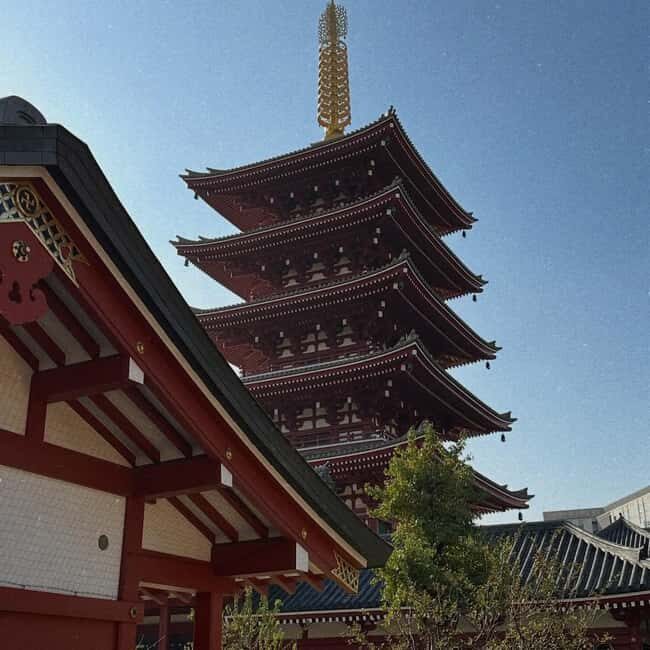
- Private guide + vehicle for a full 10 hours, with pickup and drop-off in Kyoto or Osaka
- Fushimi Inari with guided stops plus shopping/free time baked into the plan
- Arashiyama time that includes Bamboo Grove and the Togetsukyo Bridge area
- Nara Park deer + Todai-ji for UNESCO-level wow moments in one day
- Itinerary flexibility, including the ability to make last-minute changes
- Double-check your must-see list, since some classic Kyoto stops appear in the description but aren’t always listed in the fixed itinerary
Private Kyoto and Nara: what $465 buys for up to 6
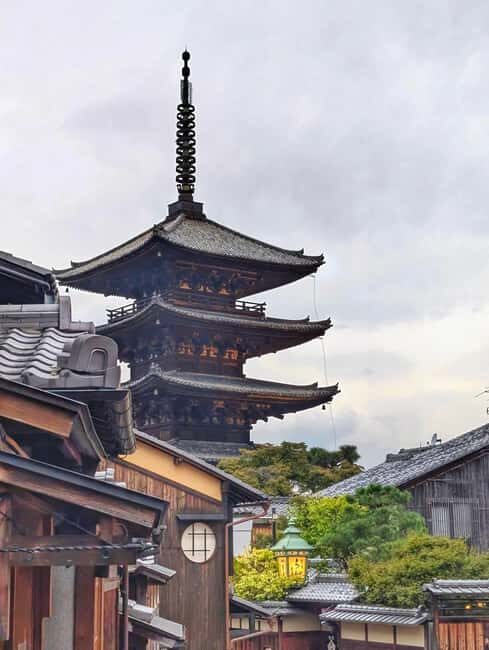
At $465 per group (up to 6 people) for 10 hours, this can be a very workable value—especially if you’re traveling with family or friends and you can fill the vehicle. The price includes the big logistics: transport, tolls, gasoline, and parking. It also includes an English-speaking guide and a customized approach, meaning you are not stuck with one rigid script.
What you should budget separately is simple: meals and entry tickets aren’t included. Also plan on bringing some cash for small purchases during the shopping-focused stops. That means you can keep your day moving without stopping to figure out payments and logistics mid-walk.
For first-time Japan visitors, the real value is not just the sights. It is the order, pacing, and on-the-ground guidance. Kyoto and Nara are easy to get around on paper, but they are harder when you want to actually enjoy the day instead of sprinting between stations.
You can also read our reviews of more guided tours in Kyoto
First, plan the route: Kyoto order vs Nara order
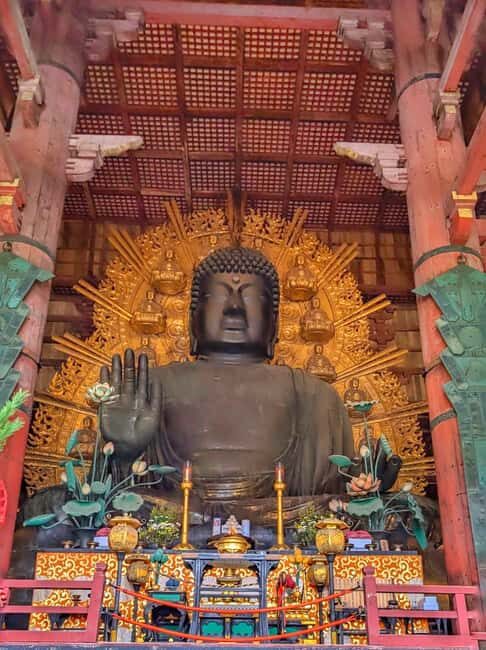
The tour is designed to combine Kyoto’s temples and shrines with Nara’s deer and major landmarks. The provided expectation is that your day starts in Kyoto, with Fushimi Inari early. But the day’s flow can vary based on pickup location and what your guide recommends in real time.
Here is the practical way to think about it: you are going to cover both cities in one long day. You should plan your priorities like this:
- Kyoto icons you want to see most (for many people, that’s Fushimi Inari and something like Kinkaku-ji / Golden Pavilion)
- One major Nara stop for scale (Todai-ji)
- One “fun” element (deer time at Nara Park)
- One atmosphere stop in Kyoto for evening vibes (Gion’s lantern-lit streets)
If Kinkaku-ji (Golden Pavilion) and Tenryu-ji are on your must-see list, mention them early to your guide. The narrative description includes them, but the fixed stop list you receive may not show them the same way every time on the day. A private tour works best when you treat it like a conversation, not a drop-in bus route.
Fushimi Inari’s torii tunnels: photos, stories, and sane pacing
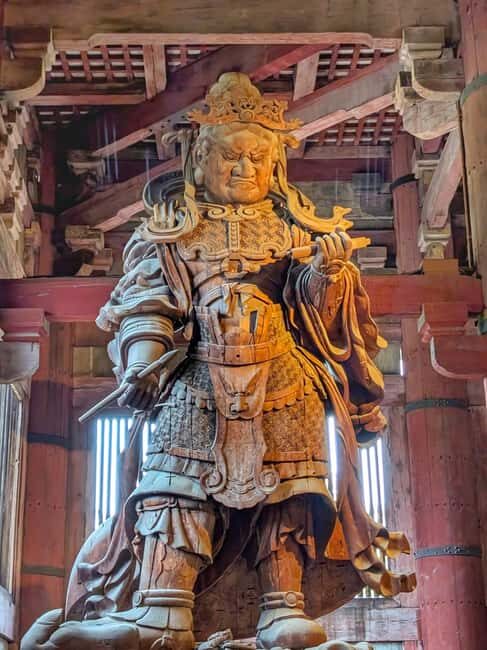
Fushimi Inari Taisha is the headline for a reason: thousands of vermilion gates march into the forest. The visual payoff is obvious, but the guided part is what makes it worth your time.
What I like here is that you typically get a mix of:
- guided walk time,
- a bit of free time,
- and shopping moments along the way.
That blend matters. If you only do it as a fast photo stop, you miss the small details that give the place its feel. If you only do it as a slow hike, you may run out of energy for Nara and Gion. A good guide helps you land in the middle.
Practical tips for your own comfort:
- Wear shoes you can walk in for an hour or more.
- Bring your camera, but also plan a few short pauses where you just look. The tunnel effect is the point.
- If crowds spike, ask your guide how they plan to manage the timing. That is where private pacing can save your day.
Golden Pavilion, Bamboo Grove, and calm Zen stops
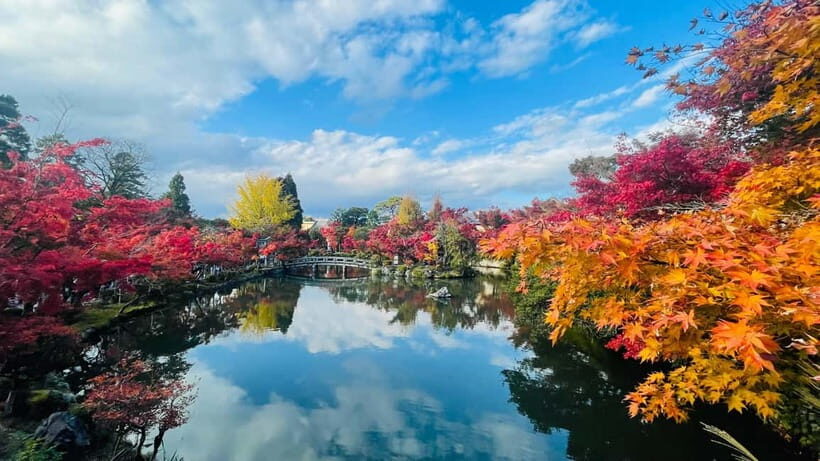
The tour description points to a classic Kyoto trio: Kinkaku-ji (Golden Pavilion), then the Arashiyama area with the bamboo grove and a UNESCO-linked temple garden (Tenryu-ji). Even if your exact stops vary slightly, the idea stays the same: one “wow” temple, then one scenic zone, then one quieter garden to balance the noise.
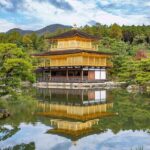
Kinkaku-ji is described as gold leaf-covered and reflecting over a pond. That’s a big, visual moment. On a private tour, you do not just stand there snapping pictures. You can also ask what makes the architecture and setting work. It turns a postcard temple into something you understand.
Then you shift to Arashiyama Bamboo Grove. Walking among towering stalks can feel like you stepped into a different soundscape. Your guide can help you find viewpoints that work better than the obvious front-of-the-bamboo photo spots.
If you want a day that does not feel like nonstop motion, this is the value. You get contrast: bright iconic temples, then a scenic walking experience, then back to temple culture.
Arashiyama Bridge and Iwatayama Monkey Park timing
After bamboo, the itinerary includes Togetsukyo Bridge and time around the Arashiyama area, plus a stop at Iwatayama Monkey Park. Even without going deep into details you might learn on your own, the practical benefit is time management.
A 1 to 1.5 hour window at these stops can either feel perfect or feel rushed, depending on your energy level and the season. With a private guide, you can usually adjust:
- stay a bit longer for photos,
- move faster if you are sensitive to crowds,
- or shorten the shopping moments if you want to keep momentum.
I like that the plan builds in “photo stop” time. In Kyoto, you can lose 20 minutes to one wrong vantage point. A guide helps you get your bearings fast and keeps the day from turning into guesswork.
You can also read our reviews of more private tours in Kyoto

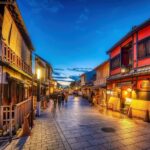
Kiyomizu-dera and Gion’s lantern streets
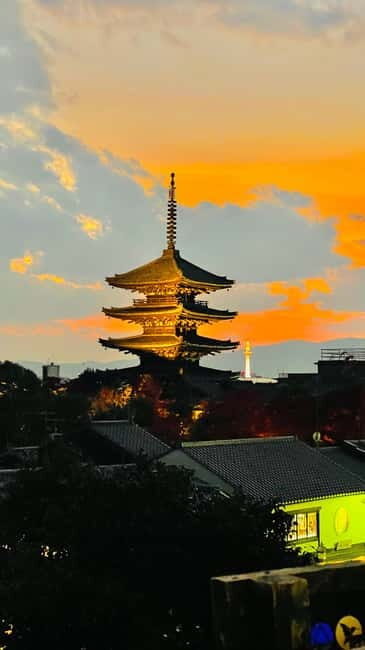
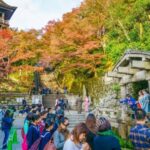
Next comes Kiyomizu-dera and then Gion, with lantern-lit atmosphere in the mix. This part of the day is often where people either feel the magic—or feel tired and cranky.
On a private tour, you can keep it enjoyable by treating Kiyomizu-dera as a guided learning moment and Gion as a wandering moment. The itinerary-style timing (over an hour for Kiyomizu-dera and about 1.5 hours for Gion) gives you room to slow down at least once.
Here’s what you’ll appreciate if the guide is doing their job well:
- you know what to look for at Kiyomizu-dera,
- and then in Gion you can simply enjoy the historic feel without needing to decode every street sign.
If you’re the type who loves atmospheric neighborhoods more than checklist temples, spend the Gion time casually. Walk, pause, and take in the lantern-lit streets without turning it into a sprint for the next photo.
Nara Park deer time and Todai-ji’s Great Buddha
Now the day changes pace. Nara is described as Japan’s first permanent capital with spiritual treasures, and the tour builds around two big anchors: Nara Park and Todai-ji.
Nara Park is famous for deer, and this tour includes guided time with them. The description says you can feed and interact with the sacred deer. That’s one of the most memorable parts of a Nara visit because it feels spontaneous and human-scale. It is also the kind of activity that is worth having a guide for, since they can steer the flow and help you avoid awkward moments.
Then comes Todai-ji, home to the Great Buddha. The description emphasizes the colossal wooden temple and the fact that it houses the largest bronze statue of Buddha Vairocana in the world. Even if you have seen photos, being there changes your sense of scale fast.
What makes Todai-ji work on a private day trip is the pairing. Nara Park gives you a lively, emotional start. Todai-ji gives you a serious, awe-heavy finish. Together, they cover both sides of what people want from Nara: charm plus gravity.
Kasuga Taisha and other stops worth confirming
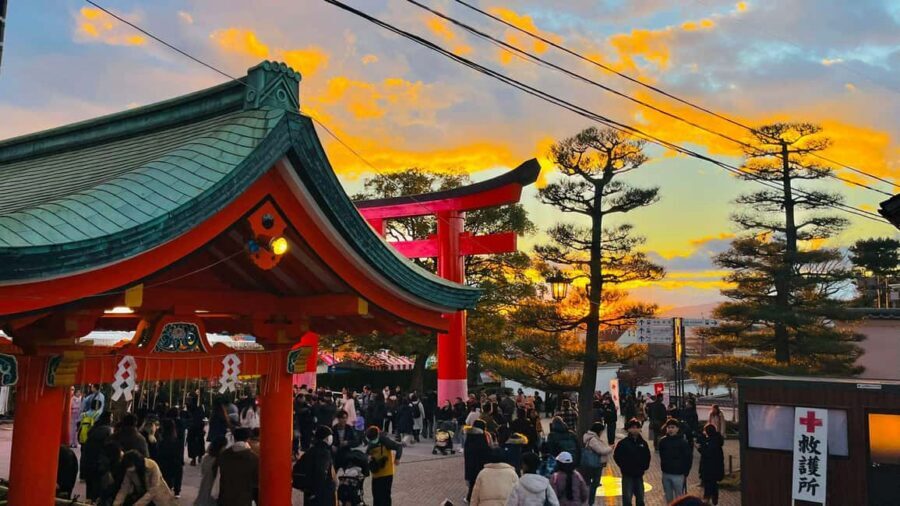
The tour description also mentions Kasuga Taisha Shrine, famous for stone lantern pathways. If this is one of your must-dos, make sure it is actually in your day plan when you meet your guide. The stop list provided is not always identical to the written tour description, and private tours can shift.
This is the key point: your guide can customize. That does not mean you should walk in with no plan. Come with:
- 2 must-sees in Kyoto,
- 1 must-see in Nara,
- and 1 “nice if we have time” item.
Then your guide can build the day around what fits your pace.
How the guide style can make or break the day
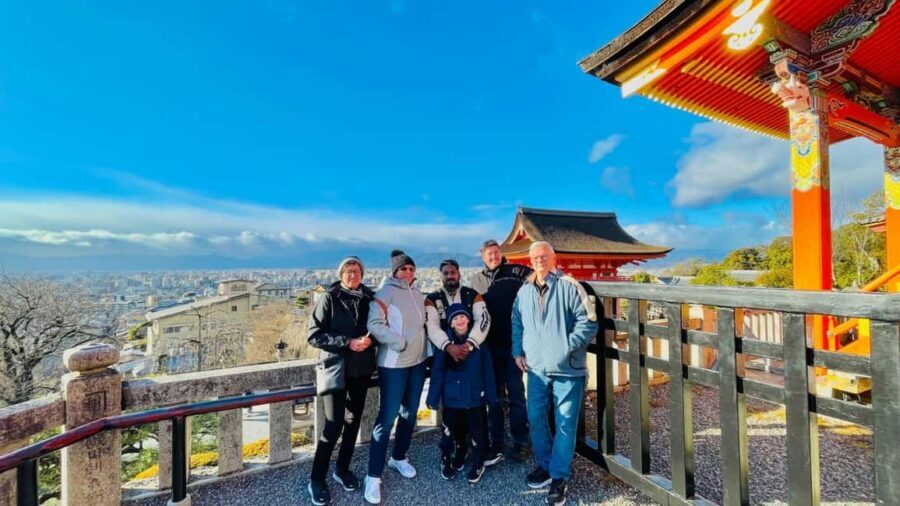
This is the only part of the experience that is truly variable. One booking described the guide as barely speaking and offering little information, forcing the traveler to look everything up on their own. That is a deal-breaker for people who want a narrative tour.
On the flip side, other bookings highlighted friendly, helpful guidance, and at least one experience mentioned that last-minute itinerary changes were possible. That kind of flexibility can save you if the weather turns or if you realize one stop is more important than you thought.
So what should you do?
- Start your day with questions early, not later. Ask what the best order is for your interests.
- If you want deeper context, say so plainly: you want more stories, not just directions.
- If the guide’s English level is lower than you expect, switch to an interactive style: ask shorter questions and confirm the plan at each transfer.
A private tour is still a human experience. You are the best customer to advocate for yourself.
Practical notes: tickets, shoes, cash, and a full 10 hours
This is a long day. Ten hours sounds fine until you stack walking time, temple timing, and transit. The itinerary includes multiple walks of 45 minutes, 1 hour, and up to around 1.5 hours, plus travel between neighborhoods and cities.
Bring what you will actually use:
- Comfortable shoes (you will want them)
- Camera (yes, you will take photos)
- Cash for smaller purchases and shopping stops
Plan for entry tickets not being included. That means you should keep some buffer in your day if you need time to buy tickets at each location. Also plan for meals not being included—so you may need to eat either before the tour or during designated breaks if your guide builds that in.
One more smart move: tell your guide your walking tolerance on day one. If you cannot do stairs or long outdoor sections, you want that known before you hit the busiest shrine areas.
Should you book Kyoto Charm Tours for Kyoto and Nara?
I’d book this if you want:
- a private vehicle and English-speaking guide,
- a single-day blend of Kyoto and Nara,
- and the freedom to adjust the plan if something changes.
I’d hesitate if you are the type who expects constant storytelling and deep commentary. The experience can range depending on guide communication style. If you book, go in ready to steer the conversation. Ask early. Confirm your must-sees (especially Kinkaku-ji / Golden Pavilion and any additional shrines like Kasuga Taisha if they matter to you).
If you have a group and can fill up to 6 people, the math gets friendlier. If you’re traveling solo, it may feel pricey because you are paying for the entire private vehicle and guide time.
If your goal is a day that hits the big emotional buttons—torii gates, lantern streets, deer, and the Great Buddha—this can deliver a very satisfying, well-paced tour day when the guide is engaged.
FAQ
What is the duration of the tour?
The tour runs for 10 hours.
Where are the pickup and drop-off locations?
Pickup options are Osaka or Kyoto, and drop-off options are also Osaka or Kyoto.
How many people can be in the group?
This is a private group experience, priced per group up to 6 people.
What language is the tour guide?
The live tour guide speaks English and Hindi.
Is transportation included?
Yes. Transport is included, along with tolls, gasoline, and parking.
Are entry tickets included?
No. Entry tickets are not included.
Are meals included?
No. Meals are not included.
Is the tour wheelchair accessible?
Yes, the tour is listed as wheelchair accessible.
What should I bring with me?
Bring comfortable shoes, a camera, and cash.
How much does the tour cost?
It costs $465 per group (up to 6 people).