REVIEW · TOKYO
From Tokyo: Mount Fuji Sightseeing Full Day Trip
Book on Viator →Operated by F Trip · Bookable on Viator
Cloud cover or clear skies, this day trip matters.
This full-day outing is built around Mount Fuji viewpoints and Lake-area stops near Lake Kawaguchiko, so you get a strong hit of classic Fuji sights without wrestling trains all day. I especially like the way the schedule strings together big-name photo stops (like Chureito Pagoda and the red torii views) with calmer, grounded places that feel more “Japan” than “postcard.” I also like the included structure: a professional English-speaking guide, an air-conditioned vehicle, and admissions handled for you—so you can focus on looking up, not figuring out timetables.
The main consideration: this is a group day, so each place gets a set amount of time. On a cloudy or wet day, visibility drops fast, and that can turn your “Fuji at a glance” moments into “Fuji-shaped disappointment,” plus you’ll feel the cold more.
If you go in with the right expectations, it’s a practical way to see the Fuji region in one shot—especially if this is your only day available from Tokyo.
In This Review
- Key Things to Know Before You Go
- Price and What $59 Really Buys You
- Getting Around: The Tokyo-to-Fuji Day-Trip Pace
- Arakurayama Sengen Park: Chureito Pagoda and the 1,300-Year Shrine Vibe
- Saiko Iyashi-no-Sato Nenba: Thatched Roofs That Feel Time-Stamped
- Oshino Hakkai: Eight Spring Ponds and the Clean Water Story
- Lake Kawaguchiko: Fuji Views With Different Angles
- The Red Torii Photo Moment at Kawaguchiko Natural Living Center
- What You’ll Feel on the Day: Weather, Cold, and the Fuji Visibility Reality
- Group Tour Value: Guides, Comfort, and How to Get the Most
- Lunch Timing and Food Strategy Around a 10-Hour Route
- Who This Tour Fits Best (and Who Might Want Another Option)
- Should You Book This Mount Fuji Full Day Trip?
- FAQ
- How long is the Mount Fuji full day trip from Tokyo?
- How much does the tour cost?
- What’s included in the price?
- Is lunch included?
- How many stops are there and what are some highlights?
- What if I cancel?
Key Things to Know Before You Go
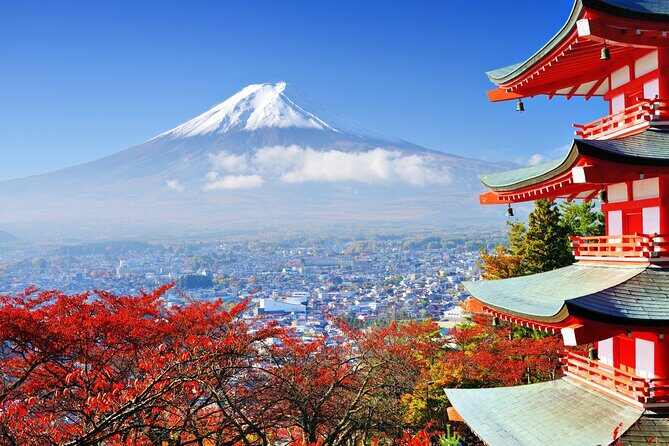
- A tight Fuji circuit: Chureito Pagoda plus shrine views at Arakurayama Sengen Park
- Two traditional stops: Saiko Iyashi-no-Sato Nenba’s thatched-roof houses and Oshino Hakkai’s eight springs
- Multiple shoreline viewpoints: quick hits at Lake Kawaguchiko, Oishi Park, and the Kawaguchiko Natural Living Center red torii photo angle
- Weather changes everything: a clear day is the difference between wow and just cool air
- Small-ish groups for a big day: maximum of 48 travelers, plus a mobile ticket
- Lunch is on you: plan food breaks, because it’s not included
Price and What $59 Really Buys You
At $59 per person for about 10 hours, this tour is trying to give you value through two things: transport and included fees. You’re paying for a full-day day-trip package rather than buying each ticket and paying for your own car back and forth from Tokyo. The listing says all fees and taxes are included, plus an air-conditioned vehicle. That matters because the Fuji area is spread out, and time is the currency on a one-day run.
Lunch is not included, so don’t assume you’ll be fed during the ride. Bring a simple plan: either eat before the tour starts or pack snacks for the gaps. If you’re the type who gets hangry when sightseeing pauses, you’ll want something small in your bag.
A few more Tokyo tours and experiences worth a look

Getting Around: The Tokyo-to-Fuji Day-Trip Pace
This is designed as a full-day loop, not a slow scenic wander. You’ll move by coach in an air-conditioned vehicle, which is a real win if you’re traveling in warmer or colder months. The stops themselves are short and timed—for example, you spend about an hour at Saiko Iyashi-no-Sato Nenba, and about an hour at Oshino Hakkai, while other viewpoints are closer to 15–30 minutes each.
Here’s the practical tradeoff: short visits are great for seeing the “greatest hits,” but you won’t have the luxury of lingering until the light changes. If you want deep reading time, long walks with no schedule pressure, or extra photo rounds, you’ll need to accept that this is a “see and capture” style day.
The good news is that the guides in this tour lineup tend to help you stay oriented. In past tour experiences, guides such as Tim, Joey, Kevin, and Betty have been praised for giving clear meeting point guidance and photo-focused hints about what to look for.
Arakurayama Sengen Park: Chureito Pagoda and the 1,300-Year Shrine Vibe
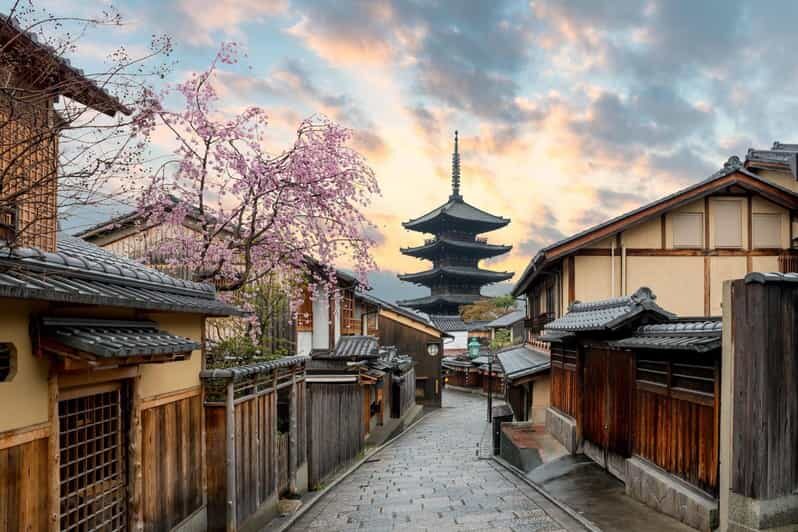
Two of the most recognizable Fuji-area stops are packed into one area: Chureito Pagoda and Arakura Fuji Sengen Shrine at Arakurayama Sengen Park.
Chureito Pagoda is famous because it frames Mount Fuji and the surrounding city in one view. The park layout makes it feel like you’re walking toward a photo set. You’re given about an hour here, which is usually enough to find a solid angle, take a few shots, and then adjust your stance when people shuffle around you. If Fuji is visible that day, this is one of the highest “photo payoff” points.
Then you have a quick stop at Arakura Fuji Sengen Shrine. The shrine has a history going back to 705, and it’s described as the guardian worship site for Arakura Village for over 1,300 years. Even with only about 15 minutes, it helps you shift from postcard views to something with local meaning. It’s brief, but it’s also a nice reminder that Fuji isn’t only a viewpoint—it’s part of a living spiritual landscape (literal meaning intended).
Saiko Iyashi-no-Sato Nenba: Thatched Roofs That Feel Time-Stamped
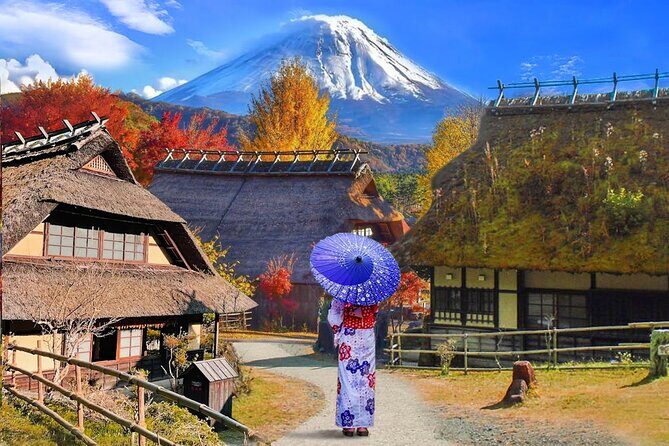
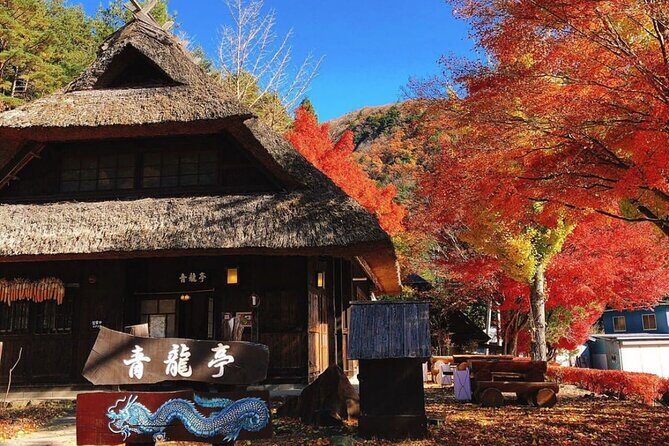
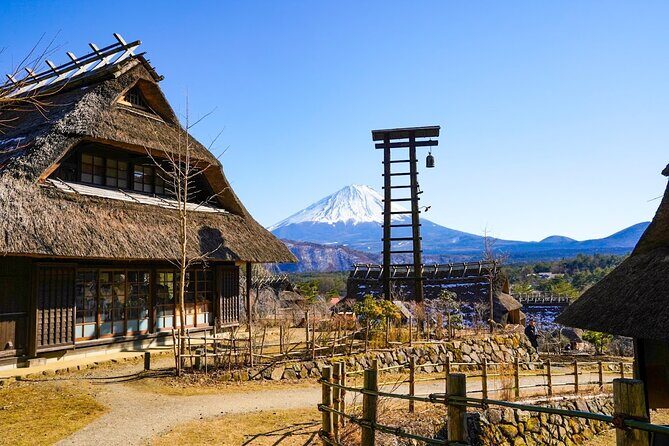
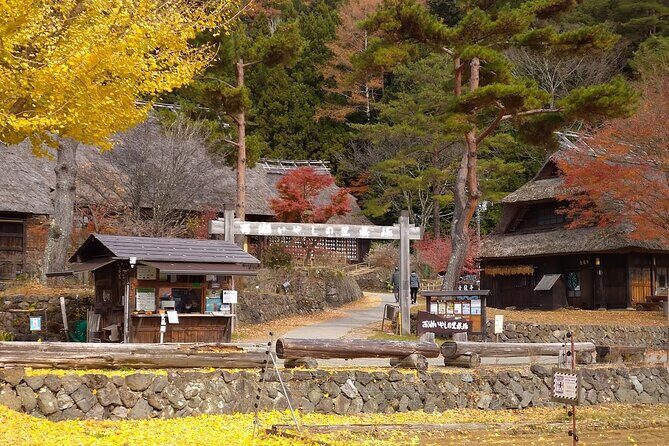
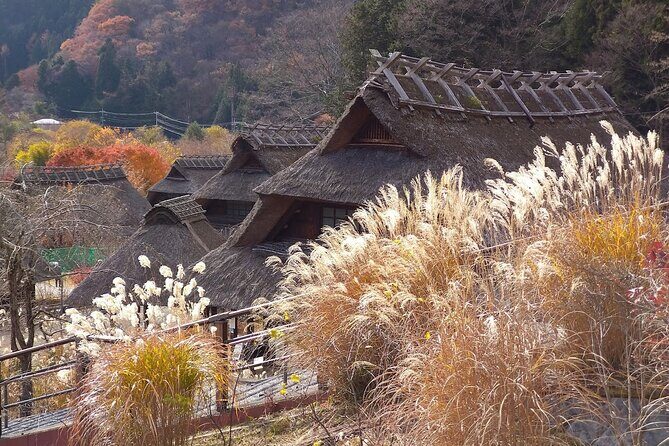
Next up is Saiko Iyashi-no-Sato Nenba, located on the western shores of Lake Saiko. This village is known for thatched-roof houses built in the kabuto-zukuri style—described as samurai helmet-shaped roofs. The tour info calls it the most beautiful village in Japan, and even without leaning on superlatives, you can see why people stop here: the architecture looks designed to make you slow down.
You get about an hour at this stop, including admission. That’s enough time to walk the pathways, spot the traditional building style, and notice how the village setting sits near the lake. It’s not a museum-only stop; it’s a “look and absorb” kind of place where details matter. If you’re tired of pure viewpoints, this is a good counterbalance.
The drawback? Because it’s a curated village, it can feel a bit like a stage set on a crowded day. Still, compared with some other Fuji-area stops, this one tends to offer more of a traditional feel per minute.
Oshino Hakkai: Eight Spring Ponds and the Clean Water Story
Oshino Hakkai is one of the most interesting stops because it’s not about buildings or big views—it’s about water. The tour describes eight clear spring water ponds, recognized as one of the Top 100 Famous Waters of Japan, and it’s classified as a Natural Monument as part of the Mount Fuji World Heritage area.
You get about an hour here, and that’s the right time window. You can walk the area at an unhurried pace, compare pond-to-pond, and take in how the water color changes with angle and weather. If Fuji is hiding behind clouds, Oshino Hakkai can still be worth your attention because the “wow” isn’t dependent on a mountain silhouette.
One more practical note: this is often a place where you might get damp or chilly depending on the weather. If it’s wet outside, wear shoes you don’t mind getting splashed. The sightseeing part stays easy—standing and walking—so you won’t burn energy, but you’ll want comfort.
A few more Tokyo tours and experiences worth a look





Lake Kawaguchiko: Fuji Views With Different Angles
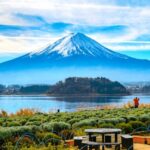
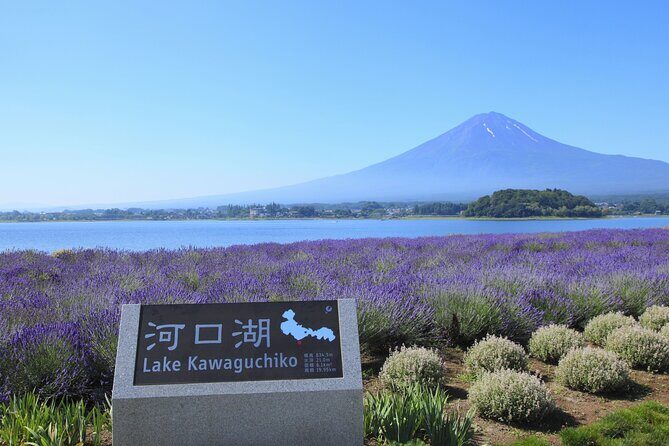
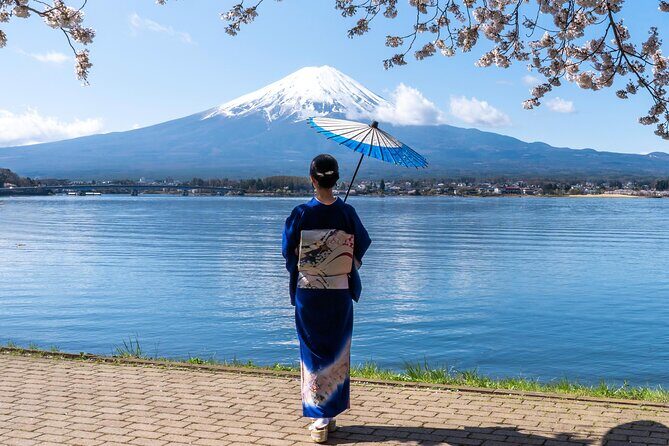
Then the day shifts into the Lake Kawaguchiko zone, which is where most people come for the mountain views. The tour info points out that Lake Kawaguchiko is the most popular of the Fuji Five Lakes and has the longest shoreline among them. That’s why you see so many different view spots.
You get a short visit at Lake Kawaguchiko itself (about 20 minutes), which is basically a quick chance to look out from the shore. It’s fast, so don’t expect a long walk along the water. Still, 20 minutes can be enough to confirm whether Fuji is visible and whether the conditions are worth spending extra time later at the best photo points.
If Fuji is showing itself that day, Oishi Park is the next logical stop. You have about 30 minutes here, and the appeal is that it mixes flowers and lake views with Mt. Fuji. The promenade is set up for viewing from one place while the background does the work. In good conditions, this is a satisfying “one-stop scenic” area.
The Red Torii Photo Moment at Kawaguchiko Natural Living Center
This stop is short but purposeful: Kawaguchiko Natural Living Center. You’re there for about 15 minutes, and the highlight is a second-floor viewpoint where you can capture a red torii blending with Mount Fuji.
This is a classic example of how group tours can still be smart. The time here is short because the photo angle is focused: you don’t need to search for it for long. You just find the spot, frame the shot, and move on.
If your priority is getting one standout Fuji photo that looks like it could be on a postcard, this is one of your best bets on the itinerary.
What You’ll Feel on the Day: Weather, Cold, and the Fuji Visibility Reality
This day trip is heavily dependent on the sky. One of the most common frustrations with Mount Fuji tours is simple: if clouds roll in, you may not see the mountain at all. And even when Fuji is faint behind the mist, the temperature and damp air can make everything feel harder.
So I’d plan for three things:
- Layers: the lake side can feel colder than Tokyo
- Rain-ready gear: even light rain can make walking around uncomfortable
- A flexible mindset: if Fuji doesn’t show, focus on water spots like Oshino Hakkai and architectural stops like Saiko Iyashi-no-Sato Nenba
Also, timing matters. When the day is clear, you’ll feel like the entire tour is working. When it’s not, you’ll still get a full cultural and sightseeing loop—it just won’t deliver the giant mountain silhouette you came for.
Group Tour Value: Guides, Comfort, and How to Get the Most
A big reason this tour works for many people is the guide style. In earlier experiences with this tour format, guides such as Tim, Joey, and Kevin were praised for being punctual and friendly, sharing history and practical photo tips, and helping with meeting point navigation. Betty was noted for strong guidance paired with an effective driver, Yoshi.
For you, the practical takeaway is: don’t be shy about asking where to stand. In view-heavy spots like Chureito Pagoda and the natural living center red torii angle, small changes in position can make the difference between a good shot and a useless one. A good guide helps you avoid wandering for ten minutes while others get the best frame.
Comfort-wise, you’re on an air-conditioned vehicle. That helps you stay sane between stops. And with a maximum group size of 48, it’s not a massive cattle-car situation, though it will still feel like “tour day.”
Lunch Timing and Food Strategy Around a 10-Hour Route
Lunch isn’t included, and the schedule doesn’t promise you a long meal break. With short stops stacked back-to-back, you may end up eating on the go or choosing a nearby option before or after a viewpoint.
My advice: treat food as part of planning. If you’re sensitive to skipping meals, bring snacks (cookies, nuts, fruit, whatever works for you). If you’d rather eat a proper meal, decide in advance where you’ll stop—then don’t waste sightseeing time searching for something once the group is moving again.
Who This Tour Fits Best (and Who Might Want Another Option)
This tour is ideal if you want a one-day solution from Tokyo. It’s also a strong fit if your priorities are:
- Seeing multiple Mount Fuji view locations without planning logistics
- A mix of heritage-style architecture (Saiko Iyashi-no-Sato Nenba)
- Water-focused nature stops (Oshino Hakkai)
- Quick photo-friendly stops that don’t require hours of hiking
It may be less ideal if you:
- Want lots of free time at each spot
- Hate group pacing
- Need deep explanations at every stop (because some time is clearly optimized for viewing, not for long talks)
- Are traveling with weather-sensitive plans and only care about Fuji being fully visible
If you’re flexible and happy with a guided hit list, you’ll probably enjoy how efficiently the day works.
Should You Book This Mount Fuji Full Day Trip?
I’d book it if you’re thinking one clear day from Tokyo and you want the classic Fuji hits: Chureito Pagoda, shrine views at Arakurayama Sengen Park, Oshino Hakkai, and Lake Kawaguchiko viewpoint time that includes a red torii photo angle. The price looks reasonable for a 10-hour coach day with included admissions and fees.
I wouldn’t book it if seeing Mount Fuji is your only goal and you’re easily disappointed by clouds. Even on a cloudy day, you’ll still cover traditional and water attractions, but the emotional payoff will be smaller.
Best decision tip: if you can choose dates, pick a day when the forecast looks better for visibility. And pack for wet-cold conditions, because the lakeside air doesn’t care about your optimism.
FAQ
How long is the Mount Fuji full day trip from Tokyo?
It runs for about 10 hours.
How much does the tour cost?
The price is $59.00 per person.
What’s included in the price?
An air-conditioned vehicle and all fees and taxes are included.
Is lunch included?
No. Lunch is not included.
How many stops are there and what are some highlights?
You’ll visit Saiko Iyashi-no-Sato Nenba, Chureito Pagoda, Arakura Fuji Sengen Shrine, Oshino Hakkai, Lake Kawaguchiko, Oishi Park, and the Kawaguchiko Natural Living Center.
What if I cancel?
You can cancel for a full refund if you cancel up to 24 hours in advance of the experience start time.