REVIEW · TAKAYAMA
Full-Day Tour: Immerse in Takayama’s History and Temples
Book on Viator →Operated by Snow Monkey Resorts Tours (Machinovate Japan Ltd.) · Bookable on Viator
Old Takayama tells stories you can walk through. This full-day guided tour in the mountains gets you from the festival world to temple calm, with real context from your local guide and time to actually look around. I especially love the Matsuri no Mori stop and the close-up feel for Takayama’s festival floats and craft tradition.
I also like the mix of Sanmachi Suji old-town streets and museum time, so you get both atmosphere and explanation instead of just snapping photos. The day balances paid culture stops with a couple of free-walk moments, which keeps the itinerary from feeling like nonstop ticket lines.
One consideration: it’s a solid 7-hour commitment with several transitions between indoor sites and outdoor shrine walking. The group max of 15 helps, but you’ll still want comfortable shoes and a patient mindset for a full day.
In This Review
- Key Highlights You’ll Care About
- Festival Floats at Matsuri no Mori: Why This Comes First
- Sakurayama Hachimangu Shrine: Shinto Calm and Simple Etiquette Wins
- Sanmachi Suji Old Town: How to Enjoy the Streets Without Getting Lost
- The Takayama History and Art Museum: How the Town Evolved
- Hie Shrine at the End: A Quiet Brake Before You Return
- Price, Timing, and Group Size: Getting Value Without Overpaying
- Who This Tour Is Best For (and Who Might Want Something Else)
- The Real Secret Sauce: Your Guide’s Tailoring
- Should You Book This Full-Day Takayama History and Temples Tour?
- FAQ
- How long is the Takayama history and temples full-day tour?
- What time does the tour start?
- Where is the meeting point?
- Where does the tour end?
- How many people are in the group?
- Do I get a mobile ticket?
- Which stops have admission tickets included?
- Is the tour near public transportation?
- What is the cancellation policy?
- What happens if a part of the itinerary isn’t available?
Key Highlights You’ll Care About
- Festival floats first: Matsuri no Mori sets the tone so the rest of Takayama makes more sense.
- Shinto context at Sakurayama Hachimangu: You spend real time at the shrine, not just a quick look.
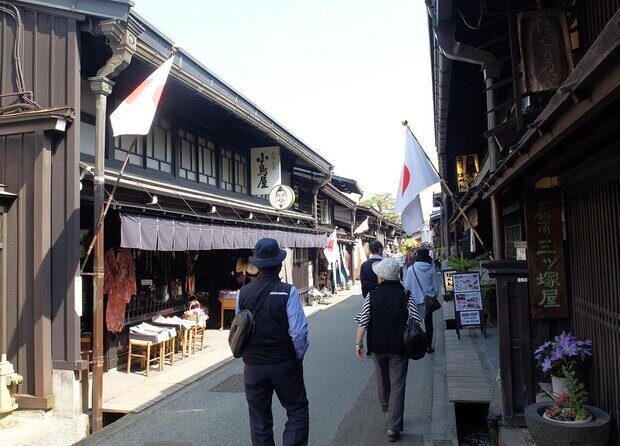
- Sanmachi Suji orientation walk: You’ll stroll the historic streets where architecture and daily life intersect.
- Museum-and-town perspective: The History and Art Museum adds the “how Takayama became Takayama” angle.
- A calm ending at Hie Shrine: The final stop slows things down in green surroundings.
Festival Floats at Matsuri no Mori: Why This Comes First
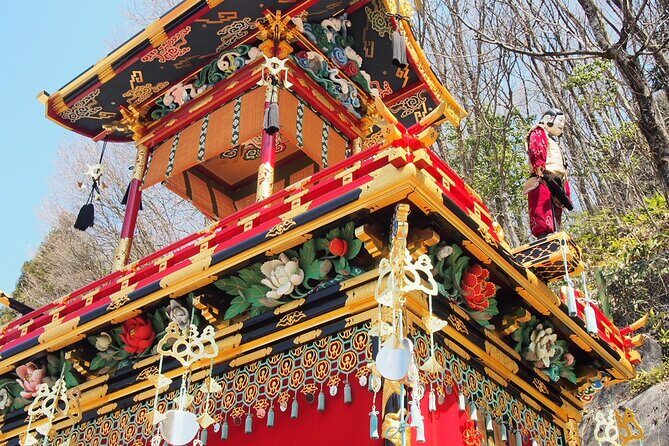
Start your day with the Takayama Festival Floats Exhibition Hall inside Matsuri no Mori. This is the kind of stop that pays off later. When you see the structure, craftsmanship, and festival culture up close, Takayama stops feeling like a place you’re just touring and starts feeling like a place with a living tradition.
You’ll spend about an hour here. That hour matters because it’s not only about viewing. Your guide helps you understand why the floats are so meaningful and how festival culture connects to local identity over generations. In practical terms, that means when you later walk through old streets and shrine spaces, you can read the town with better context.
What I like about leading with this: it gives you a mental checklist. You’re not waiting to be impressed. You’re learning what to notice—materials, design choices, and the role of the festival in community life. Your brain gets a head start, and the rest of the day feels more coherent.
You can also read our reviews of more historical tours in Takayama


Sakurayama Hachimangu Shrine: Shinto Calm and Simple Etiquette Wins
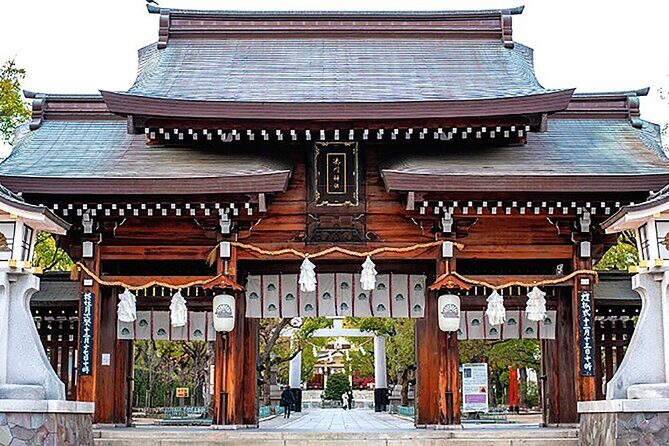
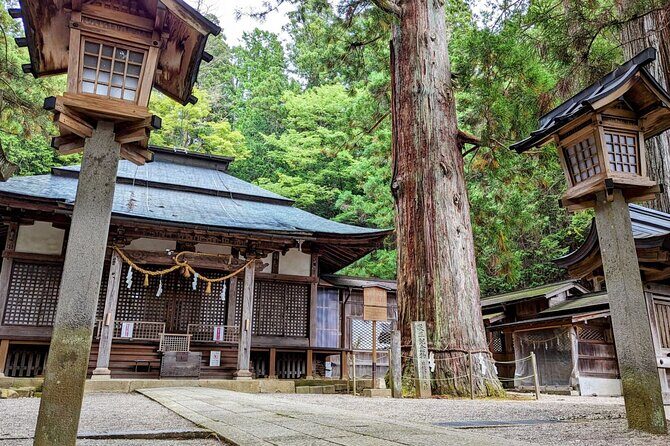
Next up is Sakurayama Hachimangu Shrine, where you’ll have about two hours. This isn’t rushed. Two hours gives you breathing room to move through the grounds, observe ritual space, and ask your guide questions without feeling like you’re speed-walking sacred areas.
The tour description focuses on Shinto rituals and beliefs, and that’s exactly what you’ll come away with: a better sense of how shrine life fits into ordinary community rhythm. Shinto is not just a background “religion setting.” In Japan, it’s woven into daily patterns, festivals, and local respect.
Practical tip: keep your pace steady. Shrines reward slow attention—stone textures, shrine gates, pathways, and how visitors move. If you’re hoping for a quick photo stop, this one will feel longer (in a good way), because the point is understanding the place, not checking a box.
Also, since you’re with a small group, you can learn what to do without guessing. That’s a bigger deal than it sounds. When you feel sure of the basics, you can focus on the atmosphere.
Sanmachi Suji Old Town: How to Enjoy the Streets Without Getting Lost
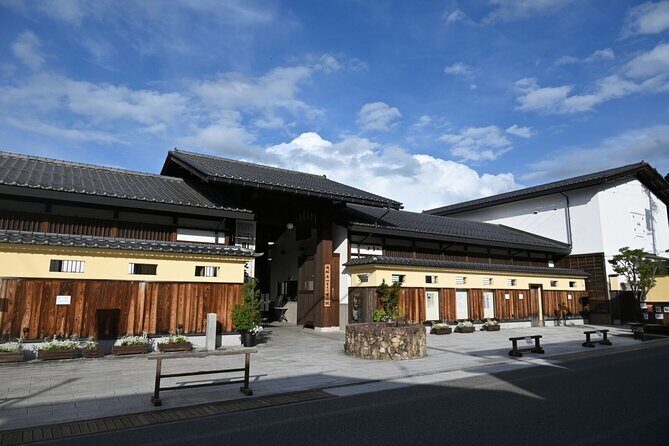
After shrines and exhibitions, you’ll shift to street-level Takayama at Sanmachi Suji. You’ll get about 1 hour 30 minutes here, and it’s listed as admission-free.
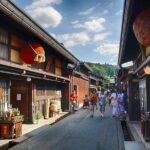
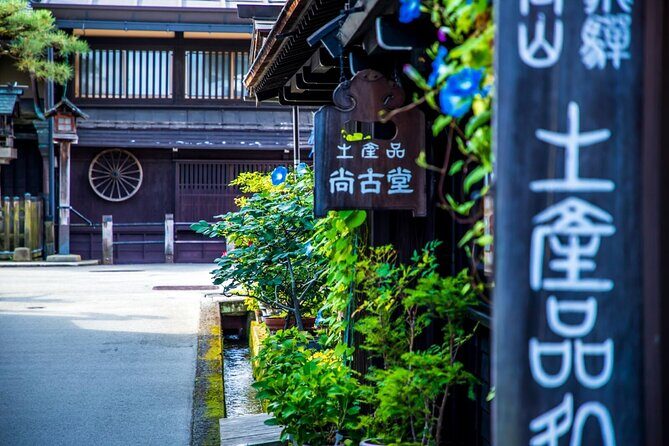
Sanmachi Suji is known for preserved streets and traditional architecture. The best part of walking it with a guide is that you don’t just see old buildings—you learn how the street layout and neighborhood character tell you what this town used to be like and what still carries forward.
During this stretch, you’ll have time to pause at shops and points with cultural significance. You’ll also get a natural rhythm: walk, look, stop, listen. It’s the kind of sightseeing that helps you slow down without feeling stuck.
One thing to keep in mind: Sanmachi Suji is a walking section, so comfort matters. If your itinerary memory includes sore feet, build in a small buffer and take breaks when your guide suggests them. The street experience is about seeing details, and details are easier when your legs aren’t threatening to revolt.
The Takayama History and Art Museum: How the Town Evolved
Midday brings you to the Takayamashi Hidatakayama Town Experience Exchange Center area, where you’ll also visit the Takayama History and Art Museum. Plan for about 1 hour 30 minutes, with admission included.
This stop adds the “why” behind what you’re seeing. If the float exhibition explains culture and the shrine time gives you spiritual context, the museum helps connect the dots about Takayama’s evolution and cultural heritage.
You can expect exhibits that show how the town developed, not just a timeline of facts. Even with limited museum time, the goal is to help you notice patterns: how industries, traditions, and community life shape a town’s look and identity. It’s the difference between seeing old streets and understanding what made them last.
I like that this portion of the day isn’t only visual. Museums train your attention. They help you look at later scenes with questions in mind: What in this town looks preserved on purpose? What changed, and what didn’t?
If you tend to enjoy “explain it to me” stops, this will be a highlight. If you prefer purely outdoor sightseeing, you might find it slower than you hoped—but the museum time is one of the main value drivers because admissions are included and your guide can steer you toward what matters most.
Hie Shrine at the End: A Quiet Brake Before You Return
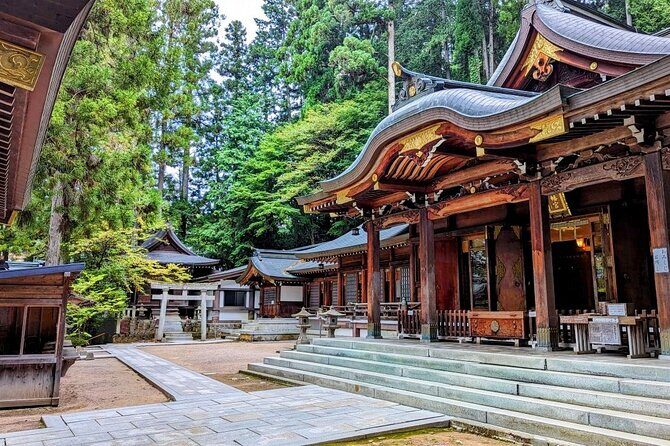
To close the tour, you’ll walk to Hie Shrine for about 1 hour. This one is admission-free, and it’s framed as a peaceful sanctuary in lush greenery.
This last stop works well because it shifts the mood. After museums and street walking, you get a chance to cool down—literally and mentally. It’s a different kind of sightseeing: less “read the town,” more “let the town read you.”
The time here is also a nice contrast to the earlier shrine visit. You’ll see how shrine spaces create different experiences depending on setting, flow, and what you notice first. Your guide will help with the meaning and local significance, but you’ll also get plenty of quiet moments where you don’t need to ask questions to enjoy the atmosphere.
Practical note: because you’ve already walked a lot, keep your pace comfortable. Don’t rush to beat anyone. You’ll enjoy the greenery and the shrine setting more if you let it land.
A few more Takayama tours and experiences worth a look

Price, Timing, and Group Size: Getting Value Without Overpaying
The tour costs $157.67 per person and runs about 7 hours. It includes multiple admission tickets: the floats exhibition hall (Stop 1), Sakurayama Hachimangu Shrine (Stop 2), and the history and art museum (Stop 4). Sanmachi Suji and Hie Shrine are listed as free for admission.
That ticket mix is a big part of the value. When you’re paying for a guided day, it’s nice to avoid stacking extra museum and shrine fees on top. Also, having a local guide matters most when there are cultural layers—like festival meaning and Shinto context—where your curiosity needs someone to translate what you’re seeing.
The tour runs with a small group—maximum of 15 travelers—which usually means questions are easier and the pacing feels more human than mass-group tours. It’s also booked on average 58 days in advance, so if your dates are firm, you’ll feel less stress booking sooner rather than later.
Timing-wise, it starts at 9:00 am at Takayama Station and ends back at the meeting point. That structure helps you build a full day around it without worrying about complicated drop-offs.
One small planning thought: because it’s a full day, you’ll want to eat before and/or plan simple meal stops around the schedule. The itinerary doesn’t list meals, so build your own strategy—carry water, and use the guide’s guidance on where to pause if you want something easy.
Who This Tour Is Best For (and Who Might Want Something Else)
This is a great match if you:
- Like culture you can see and touch, not just read about
- Want festival context alongside temples and old streets
- Enjoy guided explanation that helps your photos turn into memories
It’s also ideal if you’re comparing Takayama to busier bases like Tokyo and Osaka. The whole point here is that Takayama feels different. You’ll slow down, learn the town’s systems, and focus on what lasts.
Who might hesitate? If you mostly want light, casual wandering with zero museum time, the history and art portion plus the festival hall may feel like more structured stops than you prefer. The day is still balanced, but it is built around key cultural sites.
And if you’re picky about pace: the tour is about 7 hours, so you’re committing. Wear comfortable shoes. Bring a layer. Plan to move.
The Real Secret Sauce: Your Guide’s Tailoring
One name came up strongly in feedback: Yoshi. The standout trait isn’t just that he knows local history. It’s that he adjusts the day to your interests and keeps you engaged with stories about life in Japan, not only dates and facts.
That matters because Takayama is full of small details. A guide like Yoshi can point them out at the right time—so you stop feeling like you’re repeating the same photo angle and start noticing the meaningful stuff, like craftsmanship, how festival culture connects to community, and what shrine spaces are signaling.
If you like tours where you’re not just herded from one stop to another, the guide’s style is a reason to feel confident about your day. You’ll get a tour that responds, not a script you must endure.
Should You Book This Full-Day Takayama History and Temples Tour?
I’d book it if you want Takayama to make sense. The combination of the floats hall, two shrine experiences, Sanmachi Suji walking time, and the history/museum stop is a strong way to understand the town’s identity in one day.
It’s also good value for what’s included. Admission tickets are part of the package for several major stops, and the small group size helps the day feel flexible. Add in a guide like Yoshi—who can tailor the pace and explain what you’re seeing—and this becomes more than sightseeing. It turns into real context.
If your travel style is mostly sit-and-chill, you may want to consider a shorter old-town-only option. But if you’re the type who likes history, festivals, and places with meaning, this is a straightforward, satisfying day.
FAQ
How long is the Takayama history and temples full-day tour?
It’s approximately 7 hours.
What time does the tour start?
The tour starts at 9:00 am.
Where is the meeting point?
The meeting point is Takayama Station (506-0053, Gifu, Takayama, Showa-machi 1-22-2).
Where does the tour end?
The tour ends back at the meeting point.
How many people are in the group?
The maximum group size is 15 travelers.
Do I get a mobile ticket?
Yes, the tour uses a mobile ticket.
Which stops have admission tickets included?
Admission is included for the Takayama Festival Floats Exhibition Hall, Sakurayama Hachimangu Shrine, and the Takayama History and Art Museum (at the Takayamashi Hidatakayama Town Experience Exchange Center). Sanmachi Suji and Hie Shrine are listed as admission-free.
Is the tour near public transportation?
Yes, it is near public transportation.
What is the cancellation policy?
Free cancellation is available up to 24 hours before the experience start time for a full refund.
What happens if a part of the itinerary isn’t available?
All activities are subject to availability, and some require direct confirmation. If something can’t be carried out as scheduled, the provider contacts you to discuss alternatives or amendments.