REVIEW · YOKOHAMA
Guided Self Drive Up to 4 JDM Car Tour to Hakone and Daikoku PA
Book on Viator →Operated by Drivers Lounge · Bookable on Viator
Hakone’s twisty roads plus real JDM cars.
This is a guided self-drive day that pairs mountain-pass driving with Japan’s famous Daikoku PA car meet, and it uses a car-rotation system so you can sample multiple dream machines instead of just one. I especially like the way you’re not left guessing: an English-speaking guide (Josh is one example) leads in a pace car and gives instructions over walkie-talkies. The only real drawback to plan around is paperwork and driving skill: you need the right licenses, some cars are manual, and you can’t pass or drive like it’s a race.
You’ll start near Shinjuku (Noborito Station), then work your way up through iconic Hakone routes and scenic stops, ending with a full hour at Daikoku Parking Area to see what else shows up that day. The group stays small (max 4 people), the pace stays safe and legal, and the “rotation” concept is a big reason this feels different from a standard rental drive. Still, routes and car availability can change based on the day’s conditions, so it’s not a guarantee you’ll drive a specific model.
In This Review
- Key highlights worth your attention
- What You’re Really Buying: a Guided Self-Drive With a Car-Rotation Twist
- JDM Lineup: Dream Cars on the Schedule, Real-World Availability on the Day
- Hakone Turnpike to Tsubaki Line: How the Roads Are Built for Speed and Views
- Anest Iwata Turnpike Hakone: Winding Start and a Skylounge Reset
- Lake Ashinoko Sky Line: Touge Rhythm and a Mount Fuji View at Mikuni Parking
- Hakone Skyline: Short Segment, Big Satisfaction
- Tsubaki Line: Final Push on the Mountain Passes
- Daikoku Parking Area: Why the Car Meet Stop Feels Like a Prize
- Price and Value: What $768.80 Covers (and What It Doesn’t)
- Practical Stuff That Keeps the Day Stress-Free
- Who This Tour Is For (and Who Might Be Happier Elsewhere)
- Should You Book the Hakone and Daikoku JDM Day?
- FAQ
- What JDM cars can I drive?
- What driving documents do I need?
- Do I need to know how to drive a manual transmission?
- What’s included in the tour price, and what isn’t?
- How long is the tour, and where do you start?
- What happens if it rains or there’s extreme weather?
- Can I bring a non-driving companion?
Key highlights worth your attention
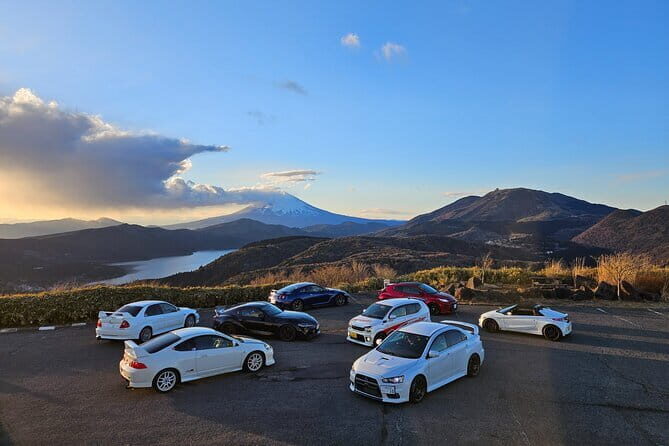
- Car rotation means 2 to 4 different JDM cars in one day, not just one
- English-speaking guide in a pace car, with walkie-talkies for in-the-moment instructions
- Hakone routes built around scenic stops including a Mount Fuji view at Mikuni Parking
- Daikoku PA car meet with a full 1-hour look at what rolls in
- Price covers the heavy basics: rental, fuel, tolls, and rental-car insurance (excess applies)
- Small group size (maximum 4 travelers) keeps the drive feeling controlled and personal
What You’re Really Buying: a Guided Self-Drive With a Car-Rotation Twist
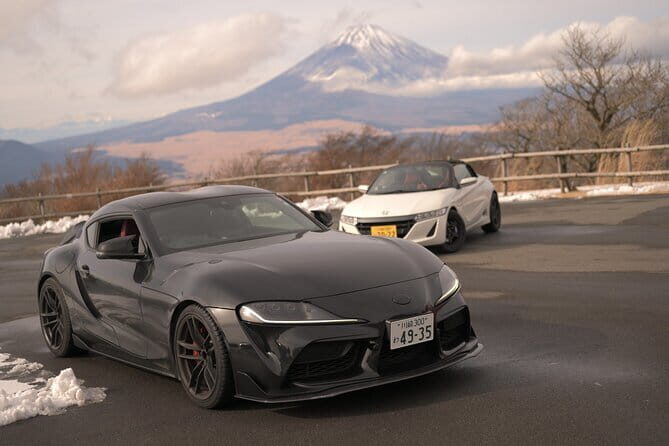
This tour is for people who want the feeling of driving in Japan without the stress of building a perfect route or worrying you’ll miss the right turns. You get a guide who leads in a pace car, and that matters on Hakone’s mountain roads, where signage and traffic flow can change quickly. You’ll follow directions and keep an eye on the group, including using a walkie-talkie system mid-tour.
The standout idea is the car rotation system. Instead of committing to one rental car all day, the setup lets you switch between cars the team selects for your group, aiming for at least two cars and sometimes up to four. That’s a huge value play if you’re serious about comparing how different JDM legends feel—weight, steering feel, throttle response, and even how a manual gearbox changes your rhythm.
One more practical point: you’re not driving freely like a typical self-guided rental. You won’t be allowed to overtake the guide or other participants unless instructed to do so. The upside is safety and smoother logistics; the tradeoff is you’ll need to accept the pace and stay disciplined about lane position and spacing.
You can also read our reviews of more guided tours in Yokohama

JDM Lineup: Dream Cars on the Schedule, Real-World Availability on the Day
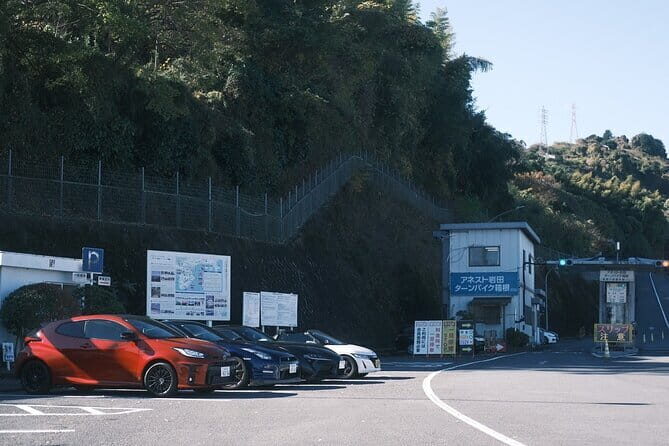
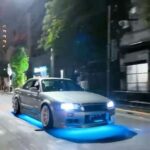
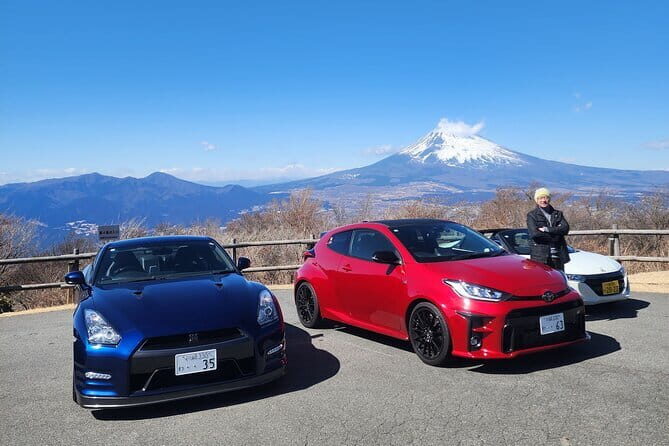
The fleet spans several headline names: R35 GT-R, R32 GT-R, FD3S RX-7, GR Supra, GR Yaris, Lancer Evolution 6, Honda Integra Type R, Honda S660 (Spoon), and Alto Works (Monster). You can request a preferred car, and they’ll try their best to match you, but exact cars depend on what’s available that day.
If you’re imagining a specific car, treat that request as a strong hope—not a promise. This tour also asks you to be ready for manual transmission on some cars. You don’t need to love manuals, but you do need to be familiar enough to drive them confidently. If you’re not, your day will feel stressful, and the guide can only help you so much with a live driving situation.
Also note the structure: this is priced so that each car can handle one driver plus one non-driving companion. If you come as a duo, that companion can ride along, but they won’t be switching into the driver seat unless you’ve arranged separate capacity. For solo drivers, the day still works great—you just get the rotation opportunity without sharing the seat.
Hakone Turnpike to Tsubaki Line: How the Roads Are Built for Speed and Views
This is a mountain-pass day, not a city cruising loop. You’ll rack up driving time across multiple famous routes, with short breaks that keep you fresh for the next stretch.
Anest Iwata Turnpike Hakone: Winding Start and a Skylounge Reset
You begin with about 30 minutes on the Anest Iwata Turnpike Hakone, where the road is famous for tight bends and satisfying elevation changes. This opening stretch is a good warm-up because it gets you into the car feel quickly—grip, steering, and braking—before the day builds into longer scenic roads.
There’s also a stop at the Turnpike Skylounge for a break. That kind of timing is smart: you’re not spending the first hour stuck in long lines, and you’re getting a moment to breathe before the next drive segment.
Lake Ashinoko Sky Line: Touge Rhythm and a Mount Fuji View at Mikuni Parking
Next comes the Lake Ashinoko Sky Line, about 45 minutes with a stop at Mikuni Parking. This is where you get a famous viewpoint of Mount Fuji, assuming visibility that day is kind. Even when Fuji is partially obscured, the lake-and-hills vibe still gives you that classic Hakone feeling.
This segment is often what people mean when they say touge driving. The road lets you practice smooth inputs: set your speed early, turn with confidence, and keep momentum without overthinking it. It’s also a good stretch to pay attention to the guide’s spacing habits, since that’s how you’ll stay comfortable with the group pace.

Hakone Skyline: Short Segment, Big Satisfaction
After Ashi, you’ll drive the Hakone Skyline for about 15 minutes. It’s shorter on paper, but that can be a win: you get more variety without exhausting the whole day in one continuous grind. This is the kind of route segment that keeps you thinking, not just zoning out.
If you’re the type who likes consistency, the short timing helps. You get the fun bits, then you’re on to the next road instead of sitting through the same tempo for too long.
Tsubaki Line: Final Push on the Mountain Passes
The last mountain stretch is the Tsubaki Line, about 45 minutes. This is where the day’s energy usually peaks, because you’ve already learned how the guide drives and you’ve settled into the rhythm of changing roads and stops.
One consideration: by this point, your brain will be tired from focusing—traffic rules, mirrors, spacing, and manual-shift muscle memory if you’re in a manual car. If you’re prone to fatigue while driving, treat the earlier breaks as part of the plan, not optional pauses.
Daikoku Parking Area: Why the Car Meet Stop Feels Like a Prize
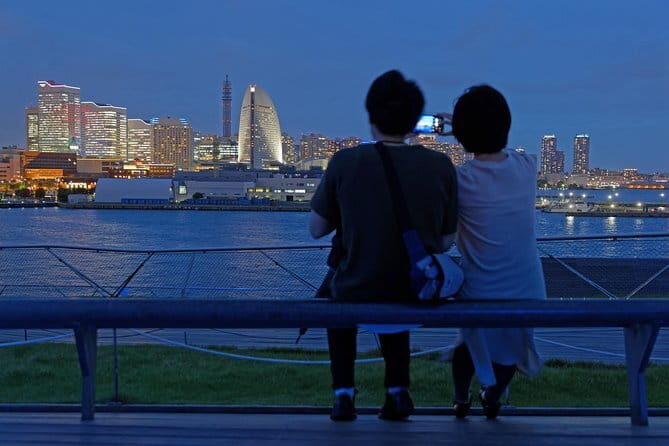
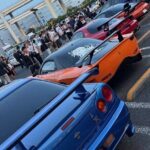
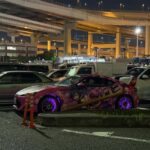
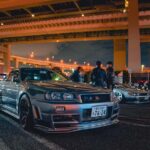
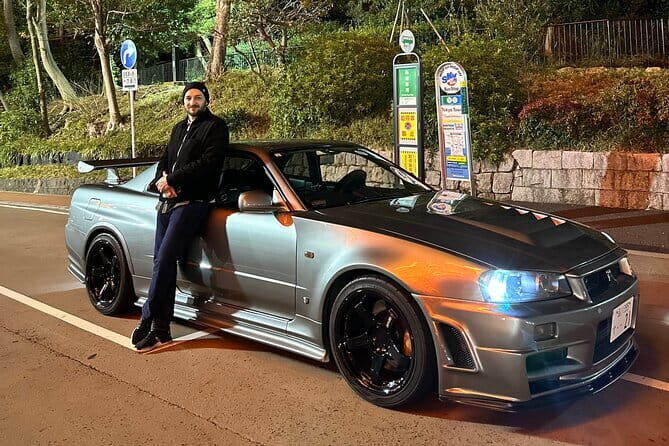
After the mountain passes, you finish with about 1 hour at Daikoku Parking Area, which is known worldwide as a JDM car meet. This is a different kind of moment than the road driving: you’ll slow down, walk around, and take in the variety of cars and the vibe.
This stop is included without an admission ticket, so it’s not an extra cost trap. It also works well after driving—because your body gets to reset, but your eyes still stay on cars. You’ll likely spend your time spotting builds, comparing stock vs modified setups, and just enjoying the culture of a place where car people gather.
Practical note: it’s popular, so expect it to feel busy and dynamic. Keep your schedule flexible, listen to the guide if there are any timing cues, and use the hour wisely if you want photos and a good walk-through.
Price and Value: What $768.80 Covers (and What It Doesn’t)
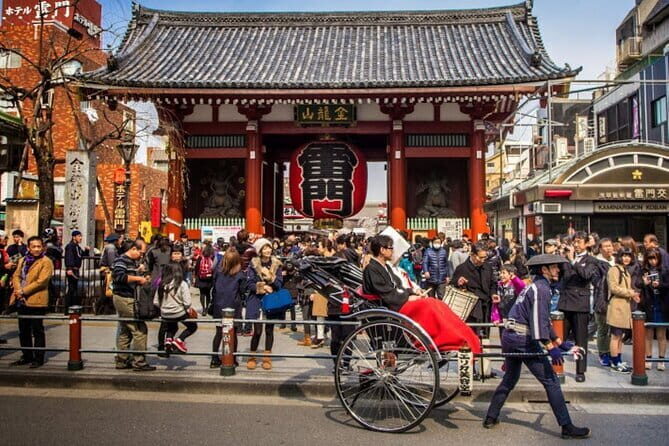
The price is listed at $768.80 per person, but the day is organized around cars: each car supports one driver and one non-driving companion. That’s important because value here comes from what’s included in the car costs, not from cheapness.
Your price includes JDM car rental, fuel, tolls, and rental insurance. Insurance is included for the rental cars, but there’s an excess that could apply in the event of an accident (up to JPY 350,000). You’ll also need a valid Visa, MasterCard, or AMEX credit card on the day for authorization, plus you’ll sign a credit card authorization form before the tour.
What’s not included is lunch. That means you should either plan to buy food somewhere during breaks or accept that you’ll be running on snacks and convenience stores. Since this is a long day (about 11 hours), adding a lunch budget makes the whole experience feel smoother.
In value terms, you’re paying for three things most self-drive rentals don’t include: (1) a guide and controlled route, (2) access to a rotation of different cars, and (3) the friction-free logistics of tolls and fuel under one plan. If you tried to copy this on your own, you’d likely spend a lot more time on planning and would miss the car-sharing concept that lets you drive multiple dreams.
Practical Stuff That Keeps the Day Stress-Free
This is one of those tours where preparation makes the difference between fun and chaos.
You’ll meet at Noborito Station. Pickup is offered from Noborito Station at 8:45am, with the tour starting at 9:00am, and it’s expected to finish around 8:00pm back at Noborito. Noborito is only about 16 minutes from Shinjuku, so getting there is usually manageable even if you’re staying in the Tokyo area.
Bring the documents they require: an original copy of your passport, your local driving license, and an International Driving Permit under the 1949 Geneva Convention. If you show up without the correct paperwork, participation can be denied and no refund is given, so don’t assume your documents will “probably be fine.”
Driving rules are strict in a normal way: no overtaking the guide or other participants unless you’re told otherwise, and you must obey all traffic laws. Alcohol is strictly prohibited before and during the tour. Also, the day continues if it rains, so pack for wet conditions if that’s possible.
Weather cancellations are also a real factor. If snow or extreme weather like a typhoon is forecast, the tour may be cancelled, with a full refund or a reschedule offered. Because of that, it helps to build some buffer in your Hakone plans if your schedule is tight.
Who This Tour Is For (and Who Might Be Happier Elsewhere)
This tour fits best if you want a fun, legitimate driving experience with a guide handling the route and car logistics. It’s ideal for JDM car enthusiasts who want to compare multiple cars in one day rather than committing to just one model.
It also works if you’re the kind of person who likes structure. The pace-car setup, walkie-talkie instructions, and small group size keep everything predictable. If you prefer chaos, racing, and freedom to pass whenever you want, this won’t feel like your style, because overtaking is restricted and it’s explicitly not a racing event.
Manual driving familiarity matters too. Some of the cars in the fleet are manual, and the tour requires you to be familiar with manual transmission in order to drive some of them. If you’re comfortable with manuals, you’ll likely have a smoother day and get more enjoyment from the car variety.
And if you’re travelling with a companion who doesn’t drive, the setup is convenient: you’re allowed up to one non-driving companion per car. They can experience Hakone’s scenery with you and join the Daikoku PA viewing hour without paying for their own seat to drive.
Should You Book the Hakone and Daikoku JDM Day?
Yes, if you want a guided day that mixes serious road driving with a genuine car-meet culture stop, and you care about sampling more than one JDM icon. The included rental basics—car, fuel, tolls, and insurance coverage with excess—make the price feel easier to justify than most DIY attempts.
I’d think twice if you know you’ll struggle with manual driving, don’t have the exact driving documents required for Japan, or you really want free-passing control. This tour trades that kind of freedom for safety, flow, and a rotation that lets you experience more variety in a single day.
If your priority is experiencing Hakone roads in iconic machines, ending at Daikoku to see the JDM world in one place, this is one of the cleaner ways to do it—especially with a small group and an English-speaking guide like Josh helping you keep everything on track.
FAQ
What JDM cars can I drive?
The fleet includes the R35 GT-R, R32 GT-R, FD3S RX-7, GR Supra, GR Yaris, Lancer Evolution 6, Honda Integra Type R, Honda S660 (Spoon), and Alto Works (Monster). The exact cars available on the day can vary, and the rotation system is designed to let you drive at least two and potentially up to four cars.
What driving documents do I need?
You must bring an original copy of your passport, your local driving license, and an International Driving License under the 1949 Geneva Convention.
Do I need to know how to drive a manual transmission?
Yes. You must be familiar with manual transmission in order to drive some of the cars.
What’s included in the tour price, and what isn’t?
Included are JDM sports car rental, fuel, tolls, and insurance for the rental cars (excess applies). Lunch is not included.
How long is the tour, and where do you start?
Pickup is at Noborito Station at 8:45am, and the tour is expected to finish around 8:00pm at Noborito Station. Duration is approximately 11 hours.
What happens if it rains or there’s extreme weather?
The tour continues if it rains. If snow or extreme weather such as a typhoon is forecasted, the tour may be cancelled, and you’ll be offered a full refund or a reschedule.
Can I bring a non-driving companion?
Yes. Up to one non-driving companion is allowed per car.