REVIEW · HIROSHIMA
Hiroshima/Miyajima: UNESCO Highlights Small-Group Day Tour
Book on GetYourGuide →Operated by AIDO · Bookable on GetYourGuide
Peace in Hiroshima, wonder on Miyajima. This UNESCO-style small-group day strings together Hiroshima Peace Memorial Park and the iconic O-torii on Miyajima, with food stops that make the day feel human, not like a checklist. I especially like the guide-led pace at the Peace Memorial Park and the fact that you get real time in the Peace Memorial Museum instead of a quick peek. I also like the food rhythm: sizzling okonomiyaki on a teppan table and a complimentary age-momiji maple cake straight from the fryer. One consideration: the base price does not include transport tickets, lunch, or entry fees for the museum/shrine, so you’ll still need cash for those extras.
The experience starts right at Hiroshima Station, meeting at the Starbucks on the Minamoa building’s 2nd floor, so you’re not hunting for a hidden meeting spot. The tour runs with a bilingual guide (English, Indonesian), and the best part is the personal feel—Kaku and Erna, for example, are praised for adjusting to your pace and interests.
This trip also moves with the weather. It operates rain or shine, and if conditions get rough, there’s an indoor cultural alternative, plus an island plan that can shift between shrine time, sake food stops, and the Daishoin temple stairs depending on what your group wants to do.
In This Review
- Key highlights worth circling on your map
- From Hiroshima Station to Peace Park: meeting point and getting oriented fast
- Walking Peace Memorial Park and seeing the A-Bomb Dome the right way
- Peace Memorial Museum with self-paced time: how to use it well
- Lunch and okonomiyaki on teppan: comfort food with planning brains
- Ferry to Miyajima and the floating O-torii: tide tips that actually help
- Itsukushima Shrine without the stampede: guided context and back-lane wandering
- Age-momiji maple cake and other island tastes: sweet stops that fit the day
- Daishoin temple stairs or a slower pace: how the island tour flexes
- Price and value at $135: what you get and what you’ll still pay
- Who should book this Hiroshima and Miyajima day trip
- Should you book this Hiroshima/Miyajima UNESCO Highlights small-group tour?
- FAQ
- Where does the tour start in Hiroshima?
- How long is the tour?
- What languages are offered for the live guide?
- Is the tour only available on sunny days?
- What is included in the price?
- What is not included?
- Is there food during the tour?
- Is the tour accessible for wheelchair users?
Key highlights worth circling on your map
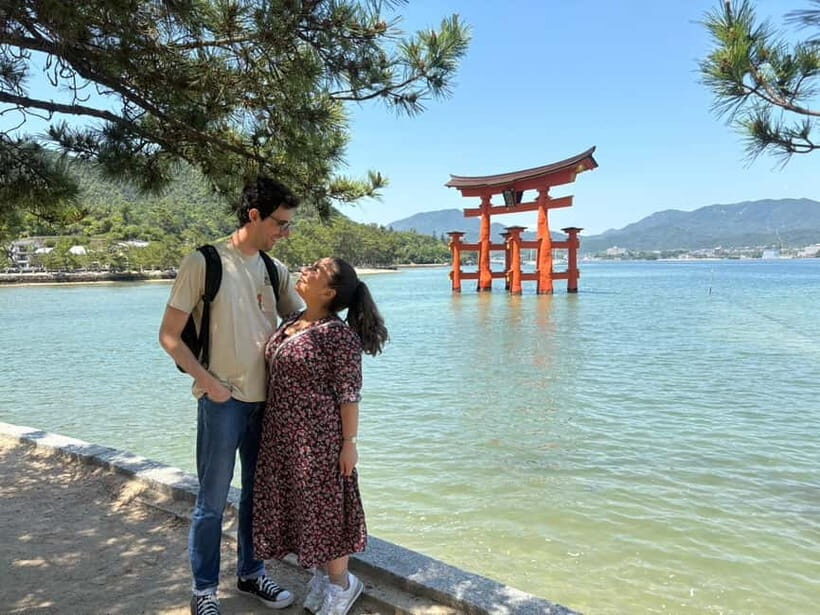
- Peace Memorial Park, A-Bomb Dome, and museum time with a pace that lets you actually absorb what you see
- Hiroshima street-to-sea route using tram and train, then switching to the ferry for Miyajima
- Tide-aware photo help at Itsukushima Shrine so you know where to stand at different times
- Hiroshima okonomiyaki on teppan with vegetarian options (pay on the day)
- Age-momiji maple cake from the fryer plus back-lane wandering away from the biggest crowds
From Hiroshima Station to Peace Park: meeting point and getting oriented fast
You start in a very practical place: Starbucks on the Minamoa Hiroshima building, 2nd floor. The tour meets by the outdoor chairs right outside the café entrance. That matters because Hiroshima Station can be busy, and you don’t want your day to begin with a stress spiral.
Next comes your first local flavor: a ride on the Hiroden tram. It’s a nostalgic way to glide through the city while your guide explains the events that changed Hiroshima so completely. This isn’t just background talk. It’s the kind of orientation that helps later, when you’re standing in places where history is physically present.
You’ll also get a guide who works in at least English and Indonesian. If you’re the type who likes to ask questions on the spot, this helps. One reason the tour gets such strong feedback is the sense that your guide is paying attention to you, not just reading a script.
You can also read our reviews of more tours and experiences in Hiroshima.
Walking Peace Memorial Park and seeing the A-Bomb Dome the right way
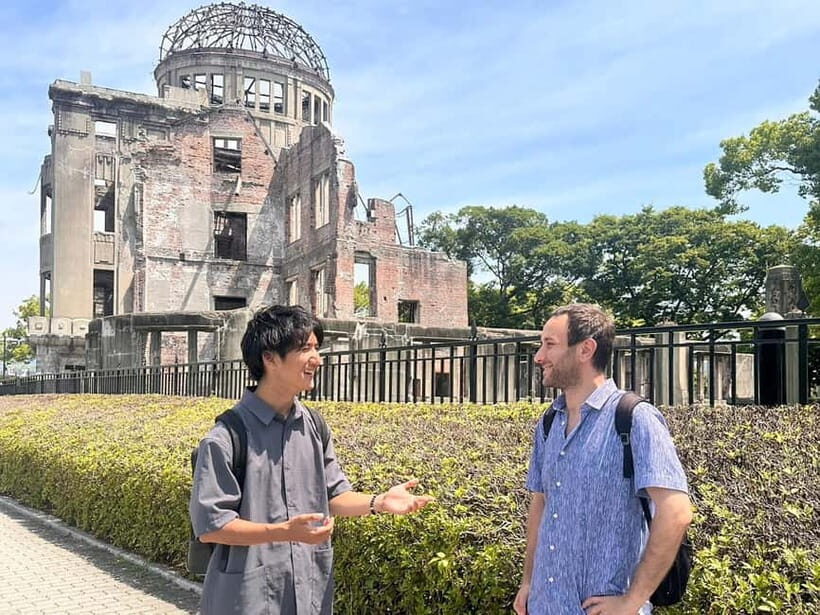
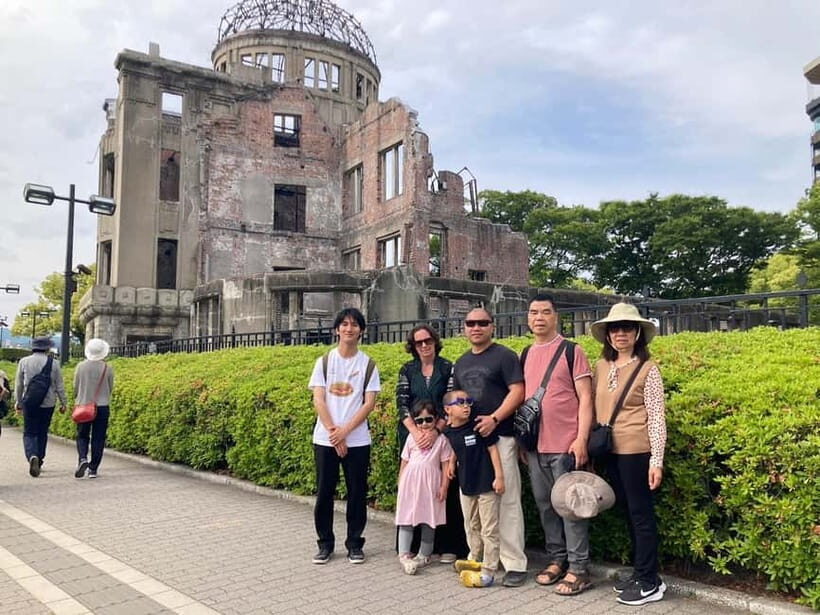
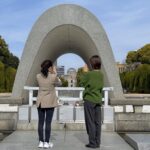
Hiroshima Peace Memorial Park is one of those places where you feel time slow down. The tree-lined paths help, but the real focus is what you choose to notice as you walk.
Expect a photo stop plus time to explore, including views of the A-Bomb Dome. The guide also leads you through the park’s “why it matters” context—how this area became a place for remembrance, and how the layout guides your eyes from memorial to meaning.
Here’s how I’d think about the park while you’re there:
- Move at walking pace, not speed-walking pace. The calm paths are part of the experience.
- Let the guide point out the key markers, then slow down and look again.
- If you’re photographing, think less about getting the perfect frame and more about understanding where the buildings and memorials sit in relation to each other.
A good guide makes the difference here. The tour’s structure gives you that guided start, but you’re not trapped. You’re free to wander and reset your head between stops.
Peace Memorial Museum with self-paced time: how to use it well
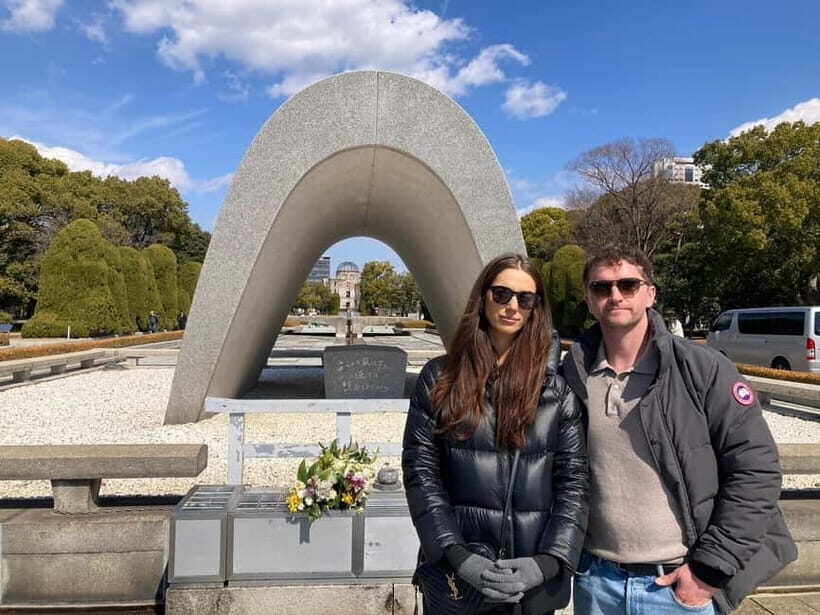
After the outdoor stops, you move into the Peace Memorial Museum. Entry is not included in the tour price, but the itinerary builds in time for a self-paced visit—meaning you’re not pushed through like a museum “check-off.”
This is where you can tailor the experience to your energy level. If you want to read everything carefully, you can. If you need to step aside and recover emotionally, you can do that too without falling behind.
A small but meaningful advantage: the tour doesn’t treat the museum as the only stop. You get a full arc from the park, to the museum, and then onward to food and the sea. That prevents the day from becoming too heavy all at once.
Lunch and okonomiyaki on teppan: comfort food with planning brains
Next is a local restaurant lunch time, built into the day as a sit-down break. Food here is part of how you come back to the present after the Peace Park.
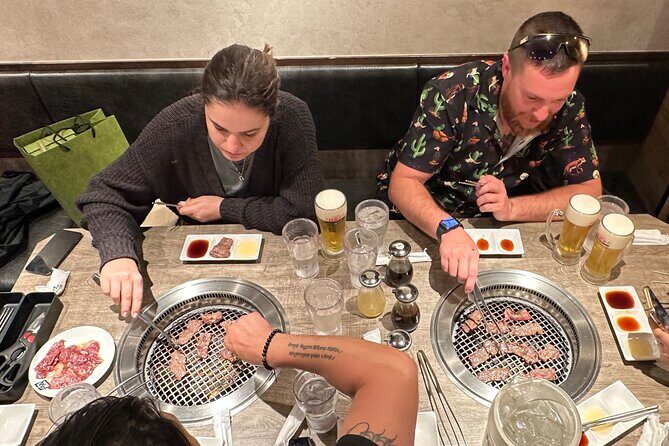
The lunch stop is centered on Hiroshima-style okonomiyaki at a sizzling teppan restaurant. You share a table, which is fun even if you’re traveling solo, because you’re all watching the food come together. Vegetarian options are available.
Important practical point: lunch is not included in the tour price. So you’ll want cash ready (or be prepared for whatever payment the restaurant uses), and you can choose how much you want to add—drinks, extras, and so on. If you have dietary needs, it’s worth telling your guide at the start so they can match you with the right ordering options.
Ferry to Miyajima and the floating O-torii: tide tips that actually help
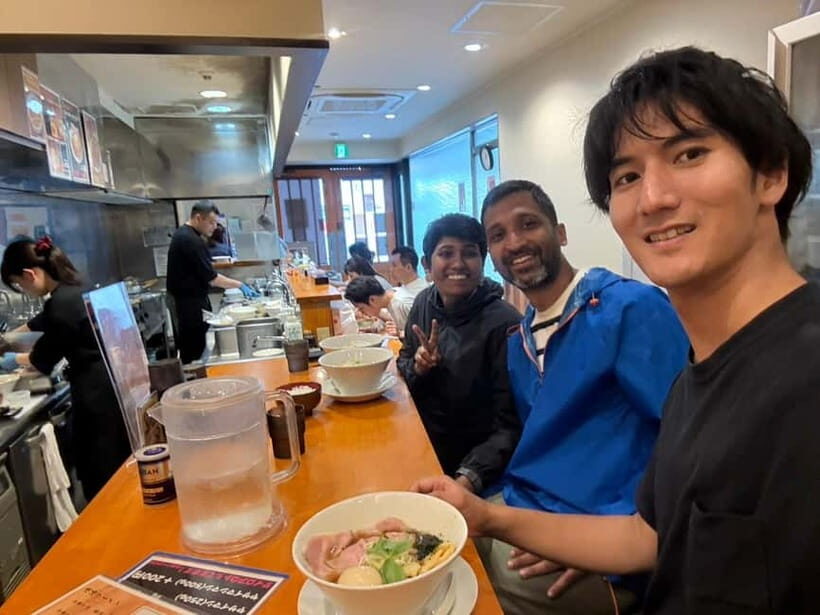
Then you switch from city to island. You’ll ride the tram and JR train to Miyajimaguchi, and then take a ferry across.
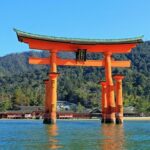
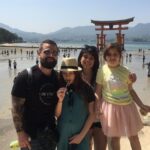
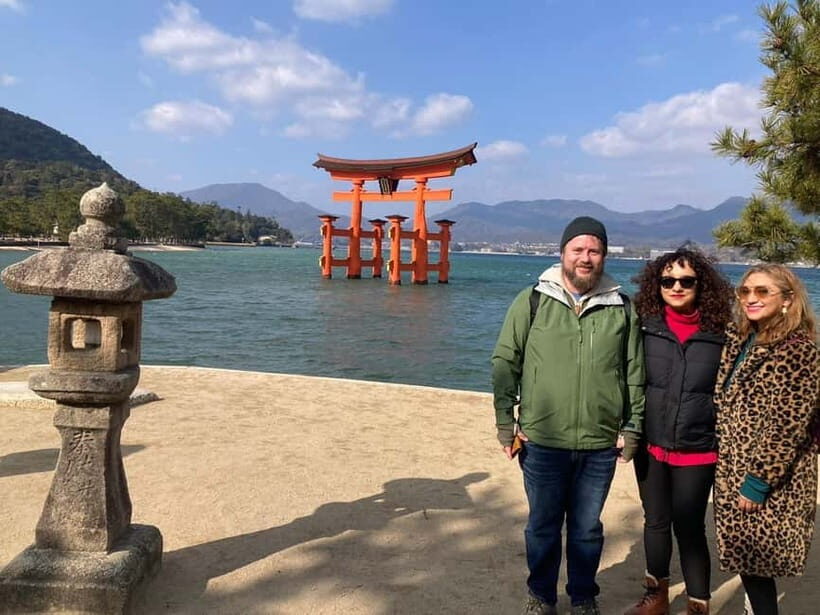
That ferry ride is more than “transport.” It’s your transition into Seto Inland Sea scenery, and it sets you up for the moment you came for: the O-torii gate of Miyajima, the one that looks like it’s floating in the water.
One of the most useful parts of this tour is the photo guidance tied to tide. Your guide points out the best angles at both high and low tide. That’s not just trivia. It helps you avoid the common problem of showing up at the wrong moment and feeling like you missed the icon.
So when you arrive at Miyajima, don’t rush to take one picture and move on. Pause. Find where the guide suggests. Look for how the waterline changes the look of the torii. Then take your photos and let the rest of the island settle in.

Itsukushima Shrine without the stampede: guided context and back-lane wandering
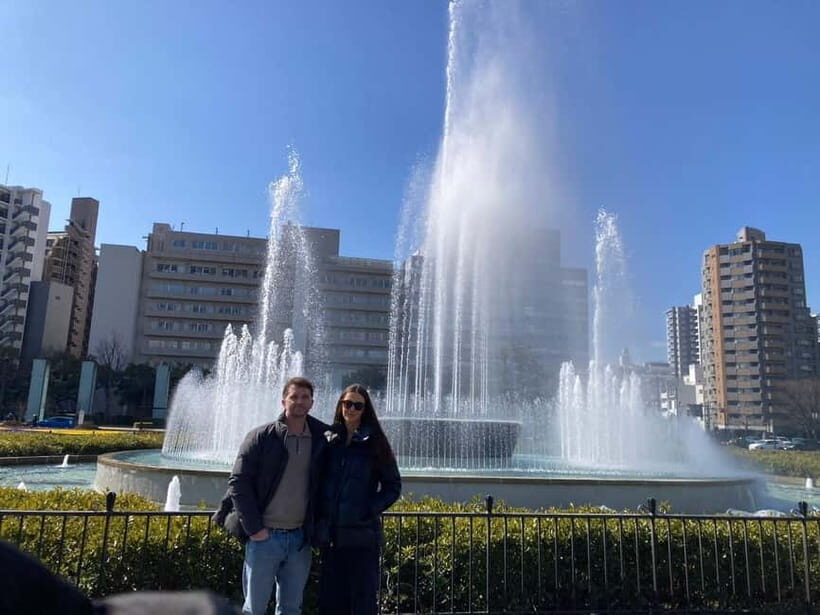
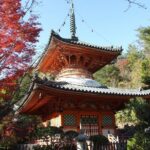
Itsukushima Shrine is the center of the Miyajima experience, and your tour includes a photo stop plus guided time at the shrine. Your guide explains Shinto legends tied to the shrine, and that storytelling turns what could be a quick photo stop into something you understand while you stand there.
Timing also helps. You get some guided structure, but you’re not locked in a single lane. After the big sight moment, the day shifts into back-lane wandering—away from the worst crowd pockets.
This is also where the tour adds small, local texture. You might pass by food stalls, small shops, and quiet streets where the island feels lived-in. One reason people rave about the guides (like Kaku, in particular) is the way they steer you toward the kinds of details you’d miss if you were just following a map.
If you’re traveling with a camera, this is a good moment to slow down. Shrine architecture, lantern-lit streets, and the sea’s reflection all look different with every step.
Age-momiji maple cake and other island tastes: sweet stops that fit the day
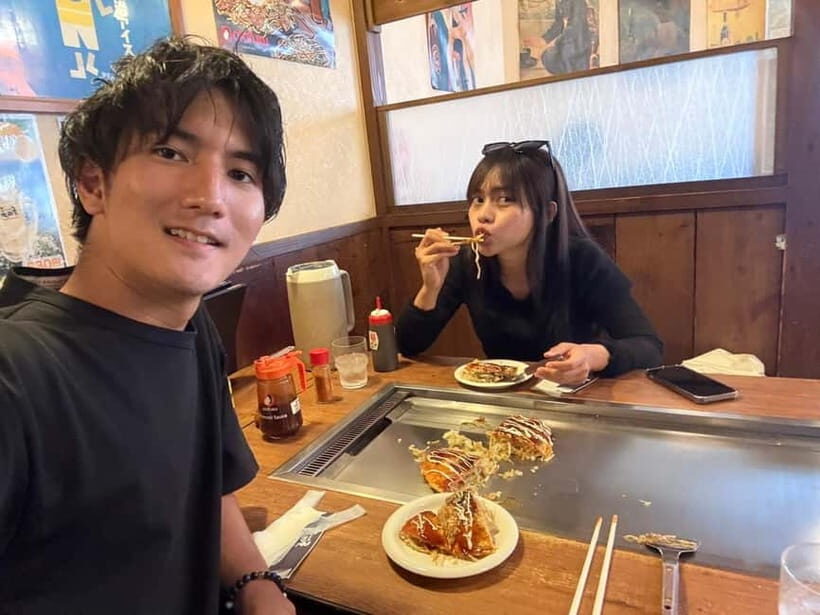
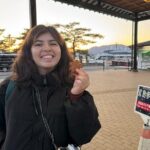
One of the most memorable included moments is the age-momiji maple cake. You get a complimentary one, and it’s straight from the fryer. It’s a small thing, but it’s exactly the kind of practical treat that makes the day feel special without turning it into a high-pressure shopping spree.
Your guide may also point you toward local island tastes. A favorite from past tours has been pairing Miyajima wandering with simple pleasures like lemonade and oyster-focused bites, when available in the day’s route. Even if you don’t go all-in, asking your guide what’s best right then is a smart way to avoid guessing.
The bigger point: this tour doesn’t treat food like a single lunch and a goodbye. It spreads flavor through the day—so the memories stick.
Daishoin temple stairs or a slower pace: how the island tour flexes
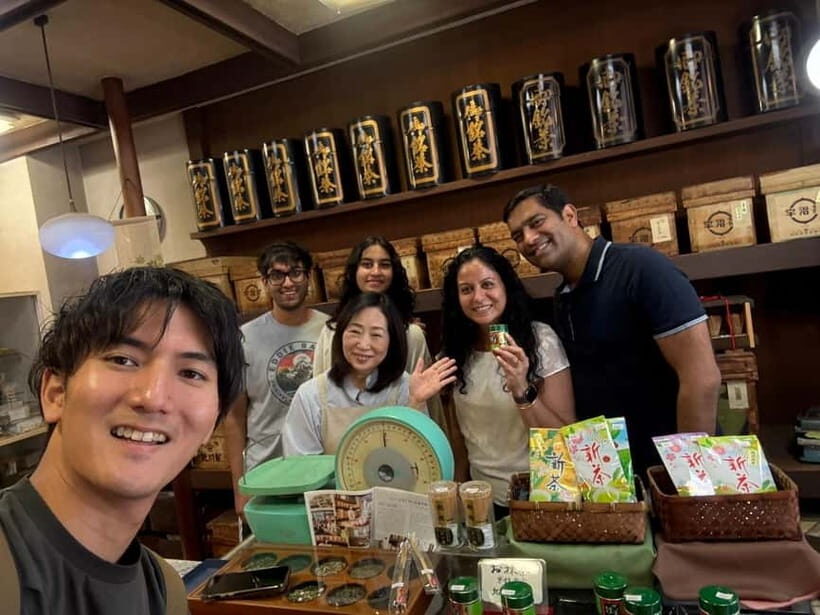
Miyajima isn’t just the torii and shrine. The tour includes a Daishoin option depending on group interest: you can choose to climb the lantern-lit stairway of Daishoin Temple or steer toward other priorities like sake tasting.
This flexibility matters because Miyajima can feel like it has two modes:
- “See everything fast,” which is exhausting
- “Pick what matters and walk steadily,” which is more enjoyable
If your group wants the full temple climb, the lantern-lit stairs are a classic payoff. If you’d rather rest your legs, you can spend more time browsing back lanes and eating small bites.
Either way, your guide helps connect the dots: sea-culture, how samurai-era trade routes shaped regional movement, and what modern island life looks like now.
Price and value at $135: what you get and what you’ll still pay
At $135 per person for a 7-hour small-group day, you’re paying for guided time and the structure that links Hiroshima to Miyajima without you figuring out every step yourself.
What’s included:
- Bilingual guide (English, Indonesian)
- Age-momiji snack
What isn’t included (and you should budget for):
- Transportation tickets (tram, JR train, ferry)
- Museum and shrine entry fees
- Lunch
- Personal drinks
That list is the main “gotcha.” But think of it this way: the tour price covers the human value—someone handling the timing, telling you what matters, and guiding you to the right places with practical photo and pacing advice. Then your cash covers the unavoidable on-site costs.
So for value, the question is simple:
Do you want a guide to help you make sense of Peace Park and time your Miyajima moments?
If yes, this price can feel fair. If you’d rather self-navigate and don’t care about tide-aware photo help or museum context, you might prefer planning on your own.
Who should book this Hiroshima and Miyajima day trip
This tour is a strong fit if you:
- Want a guided Hiroshima Peace Memorial visit that doesn’t rush the museum
- Care about seeing Miyajima’s iconic torii in a tide-aware way
- Like food that’s local and built into the day (okonomiyaki + age-momiji)
- Prefer a small-group vibe with room for questions and minor detours
It’s also a good choice if you want some flexibility. Past participants have praised guides (including Kaku and Erna) for tailoring the day to interests, adding extra side stops when possible, and helping with small personal goals like finding a specific souvenir-style stamp.
Should you book this Hiroshima/Miyajima UNESCO Highlights small-group tour?
I’d book it if you want two iconic places handled by a guide, with enough breathing room to actually pay attention—plus food moments that feel like part of the culture, not just a stop for photos.
Skip it (or plan differently) if you’re hoping the full trip price covers every ticket and meal. You will pay for transport, museum/shrine entry, and lunch separately, so go in with cash and a clear budget.
If you’re the type who likes a day that feels guided but not boxed in, this route is a smart one.
FAQ
Where does the tour start in Hiroshima?
You meet at Starbucks Coffee Minamoa Hiroshima, on the 2nd floor. The meeting point is in front of the café entrance, at the outdoor chairs directly outside the store.
How long is the tour?
The duration is 7 hours.
What languages are offered for the live guide?
The live guide is available in English and Indonesian.
Is the tour only available on sunny days?
No. It operates rain or shine, and an indoor cultural alternative is offered in case of heavy rain.
What is included in the price?
The tour includes a bilingual guide and a complimentary age-momiji maple cake.
What is not included?
Transportation costs (tram, train, ferry), museum and shrine entry, lunch, and personal drinks are not included.
Is there food during the tour?
Yes. Lunch is part of the plan, and Hiroshima-style okonomiyaki is included in the lunch experience. Vegetarian options are available, and you pay on the day.
Is the tour accessible for wheelchair users?
Yes, the tour is wheelchair accessible.