REVIEW · TOKYO
Japanese culture and calligraphy in Tokyo!
Book on Viator →Operated by げんびしょどう · Bookable on Viator
Your name becomes kanji in 90 minutes. In Nakano Broadway, you get a hands-on Japanese calligraphy lesson where the instructor helps turn your name into kanji, so the result feels personal fast. I love the instant payoff, and I love having a hanging scroll to bring home.
I also like how the class keeps things practical: you use real brushes, paper, and ink, and you’re not stuck copying vague examples for the whole session. On top of the main calligraphy, there are fun add-ons like a tattoo sticker or writing on a T-shirt, if you want extra souvenirs.
The one consideration: if you want multiple souvenir upgrades (tattoo sticker, T-shirt, or a kimono purchase), you’ll pay extra. And the setting is a classroom-style space, so it’s more hands-on craft than postcard sightseeing.
In This Review
- Key highlights you’ll care about
- Why Nakano Broadway is a solid choice for Tokyo calligraphy
- Meeting at the Suzuran Shoji area and what the 1.5 hours feels like
- What you actually do: kanji strokes, name conversion, and guided practice
- The souvenir hanging scroll: why it’s the best part
- Optional upgrades: kimono rental, tattoo sticker, and T-shirt brush writing
- Value and pricing: is $45.60 worth it?
- Who this calligraphy lesson is best for
- Practical tips so your calligraphy looks better
- Should you book this Tokyo calligraphy workshop in Nakano?
- FAQ
- How long is the calligraphy experience?
- Where does the activity take place?
- What is included in the calligraphy experience?
- Do I get to write my own characters and kanji?
- Will the instructor help with my name in kanji?
- Is the activity private?
- Can I rent a kimono for this experience?
- Are there extra charges for souvenirs like tattoo stickers or T-shirts?
- What about buying a kimono?
- What is the cancellation policy?
Key highlights you’ll care about
- Name-to-kanji help on the spot makes the lesson feel tailor-made, not guesswork
- Brush, paper, and ink are provided, so you arrive ready to write
- A hanging scroll souvenir comes with the calligraphy experience
- Private group format means your group stays together throughout
- Nakano Broadway location gives you a chance to pair the lesson with shopping nearby
- Optional kimono rental includes kimono and tabi socks, if you want the full photo effect
Why Nakano Broadway is a solid choice for Tokyo calligraphy
Tokyo calligraphy lessons can feel either overly touristy or painfully traditional. This one sits in a sweet spot: you’re learning Japanese brush writing for real, but in a setting that’s built for visitors and designed to help you get a good result quickly.
Nakano Broadway itself is a useful location choice. It’s a shopping area, which means you’re not locked into “one activity only.” After you write, you can wander around and keep your day moving. If you like to build a Tokyo afternoon around small, human-scale experiences, this fits well.
One more thing I like: the focus is on what you can produce and take home. You’re not just watching someone demonstrate calligraphy with perfect, museum-level strokes. You’ll write your chosen characters and kanji, and you’ll also get your name converted into kanji during the lesson. That personal element turns a craft class into something you’ll actually remember.
You can also read our reviews of more tours and experiences in Tokyo.



Meeting at the Suzuran Shoji area and what the 1.5 hours feels like
This experience is centered around a specific meet point in Nakano: すずらん商事 Japan, at the address listed for Nakano City, Nakano, 5-chōme (阿部興産). The tour ends back at the same place, which keeps things simple if you’re trying to plan the rest of your day.
The duration is about 1 hour 30 minutes, and that timing matters. It’s long enough to learn the basics, try your strokes a few times, and produce something you feel proud of. It’s short enough that you can still do other Nakano stops after, without racing across Tokyo.
It’s also a private activity, so it’s designed for only your group. That’s a big deal if you’ve traveled with kids, or if you want your instructor to slow down and adjust explanations. You also get a mobile ticket, which makes check-in easier and keeps you from scrambling for paper confirmations.
The class is described as a classroom setting. That’s not bad, it’s just honest: you’re here to write, not to sit in a temple hall for a ceremonial performance. If you’re okay with that trade, you’ll likely enjoy the hands-on pace.
What you actually do: kanji strokes, name conversion, and guided practice
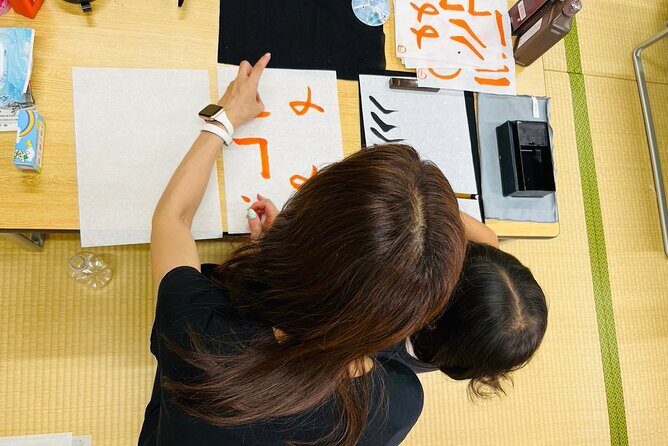
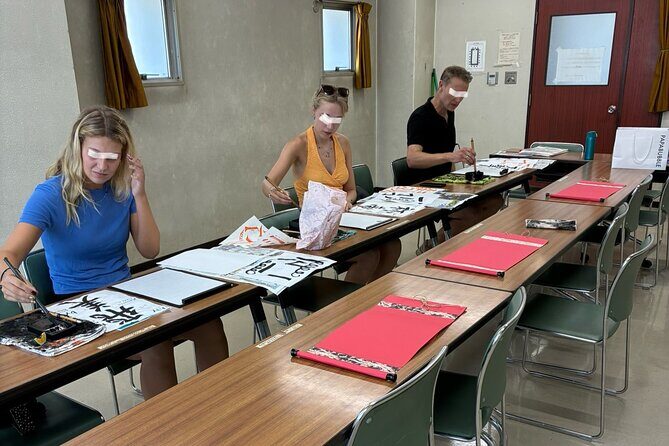
Here’s the core of the experience: you’ll sit down with the instructor and write calligraphy with a brush. The activity is built to be approachable, so you don’t need prior brush-writing skills.
You can choose what you want to write—your favorite characters and kanji—and then the instructor helps with the part that makes it feel uniquely yours: they convert your name into kanji on the spot. That means you’re not waiting for days of processing. You see the result during the session and can react to it immediately.
A nice added layer is that the instructor doesn’t treat it like a mechanical conversion only. In the experience, you may also learn what your western name relates to in kanji terms—more than just how it’s written. That little cultural explanation helps you connect the strokes to meaning, not just shape.
If you’re doing calligraphy with kids, this lesson format tends to work because it’s fast feedback. Your brush moves, you see characters form, and the instructor can guide when things go sideways. One family note you can take seriously: the class is flexible about location, which helps if you’re coordinating arrival in a busy area.
The souvenir hanging scroll: why it’s the best part
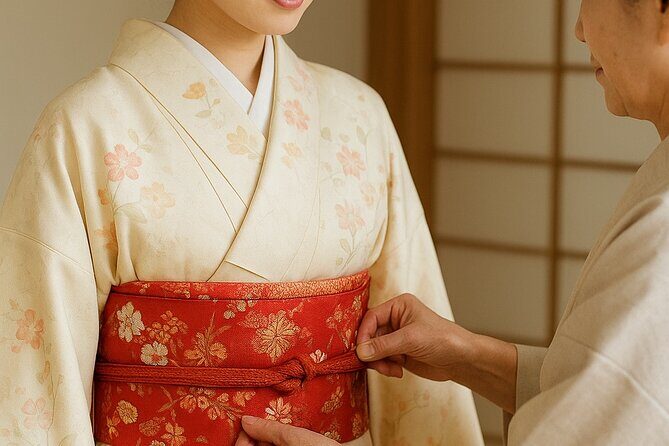
The experience isn’t “just try it and leave.” If you choose the calligraphy experience, you get a souvenir hanging scroll that includes your work. This is the kind of souvenir that earns its space at home.
A hanging scroll is practical in two ways. First, it’s displayable. Unlike small postcards, it doesn’t just live in a drawer. Second, it anchors the whole lesson. You’ll remember the moment you wrote your characters and watched your name become kanji.
Also, because the instructor converts your name into kanji during the session, the scroll feels personal even if you’re not confident about Japanese reading. You can point to it later and know the instructor helped you get it right.
There’s something else to like here: you’re producing a physical piece of art with Japanese brush technique, and you can treat it like a story. When people ask, you can explain what you wrote and why, rather than saying you took a “craft class.”
Optional upgrades: kimono rental, tattoo sticker, and T-shirt brush writing
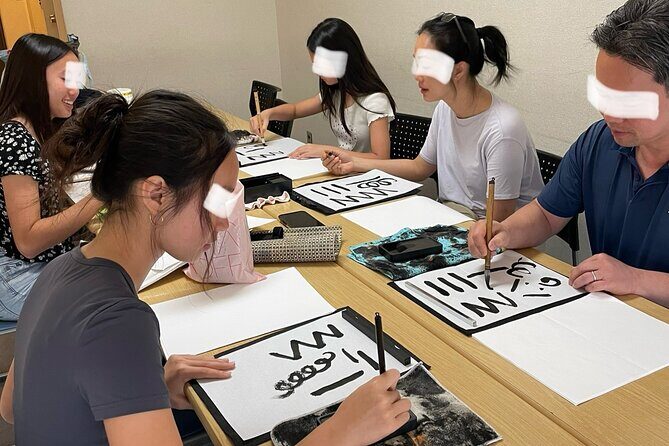
This experience offers extra routes if you want more than the base scroll.
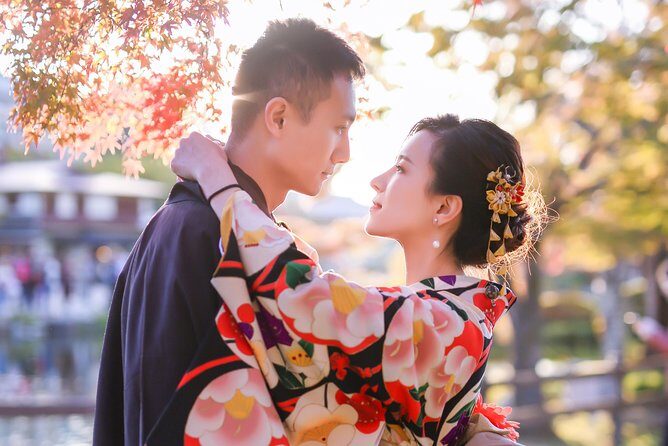
Kimono experience: If you rent a kimono, the kimono and tabi socks are included. That’s a good value add because getting dressed can be expensive in other contexts, and the socks are one less thing you’ll need to buy or track down. The data doesn’t spell out whether kimono time changes the calligraphy length, so if you’re tight on timing, ask at booking how it will be handled within the 1.5 hours.
You can also purchase a kimono, but that’s separate. If you’re already thinking about shopping for clothing in Nakano, you might prefer renting for the lesson photos only.
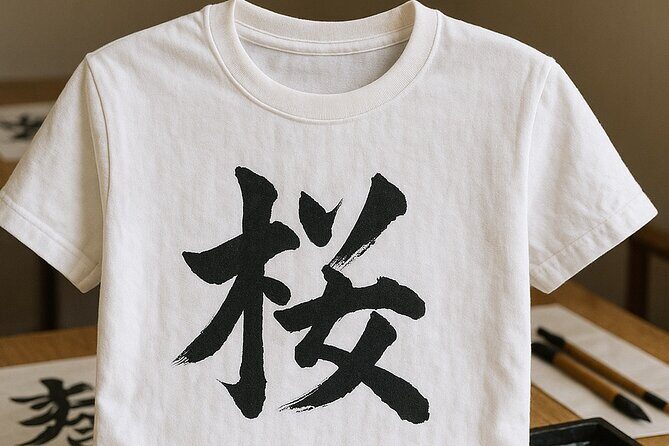
Tattoo sticker and T-shirt writing: If you add text to a tattoo sticker or write on a T-shirt with a brush, there’s an additional charge. This can be fun if you want wearable souvenirs, but it’s also the easiest place for costs to creep up. Decide early what you want most: the scroll is included with the calligraphy option, while the fun extras are optional.
My practical advice: if this is your only “culture craft” stop in Tokyo, keep your budget centered on the hanging scroll. If you’re doing a bigger shopping day in Nakano and want multiple items, add-ons can work well.






Value and pricing: is $45.60 worth it?
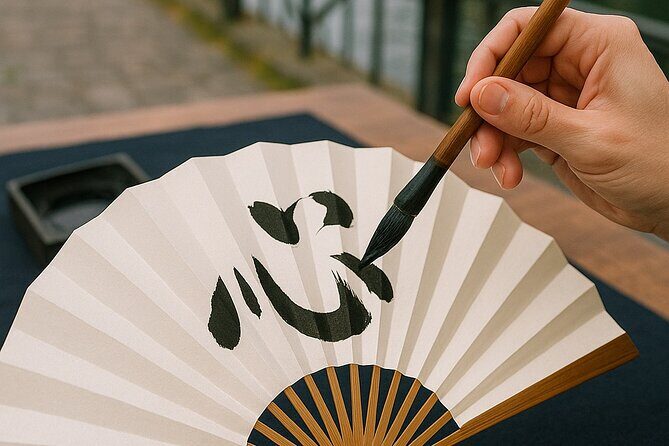
At $45.60 per person, this sits in the reasonable end for hands-on workshops in Tokyo. The key is what’s included: brushes, paper, and ink, plus an instructor who converts your name into kanji and helps you create a hanging scroll.
Many cheap workshops leave you with a “demo souvenir” or an item that looks less polished. Here, the structure is built around producing your own work on paper during the lesson and taking that work home as a scroll. That’s where the value comes from.
Then there’s the human part, which is hard to price. The experience is repeatedly described as authentic and guided by a friendly instructor who’s kind and accommodating. That matters because brush strokes can be intimidating at first. When you have someone correcting your hand position or stroke flow, you end up with a result you’ll actually want to display.
If you want a kimono photo moment, rental includes kimono and tabi socks, which can make the overall day feel more complete. Just remember that kimono purchase and wearable add-ons cost extra, so treat those as choices, not expectations.
Who this calligraphy lesson is best for
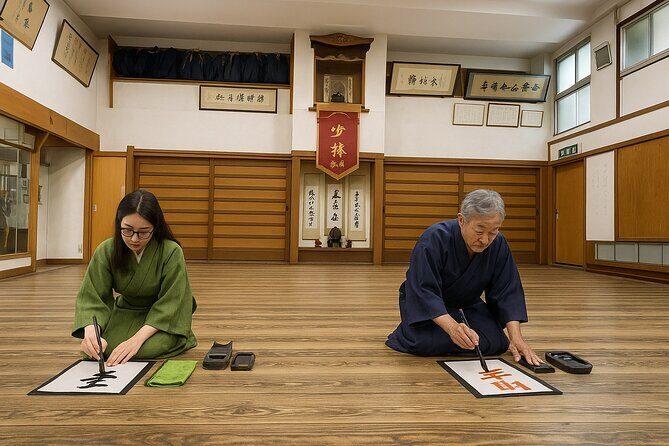
This workshop fits best if you want a compact cultural activity with a tangible takeaway.
You’ll probably like it if:
- you’re in Tokyo for a short trip and want a meaningful break that still works within a busy day
- you want a creative souvenir that feels personal, not generic
- you’re traveling as a family and want an activity kids can enjoy
- you like markets and shopping and want something near Nakano Broadway
It may be less ideal if you’re chasing a quiet, temple-like atmosphere only. This is a class setting focused on writing, and the experience is designed around instruction and output.
Practical tips so your calligraphy looks better
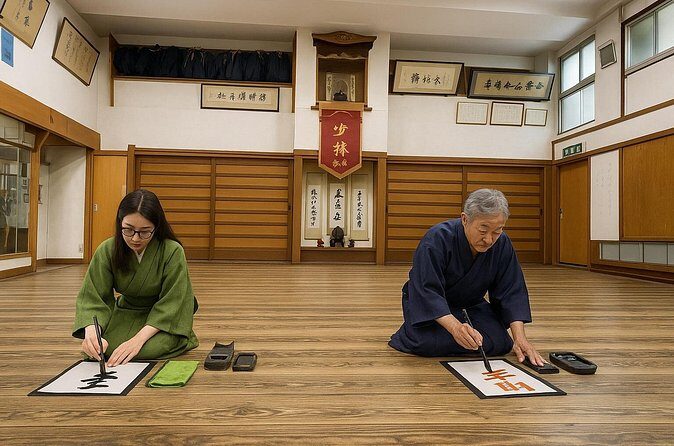
You’ll get better results with a few mindset tweaks.
First, focus on confidence over perfection. Brush calligraphy has a human feel, and your strokes don’t need to look like printed fonts.
Second, pay attention when the instructor helps with your name conversion. When your name becomes kanji on the spot, treat it like a guide for what the character should feel like. Ask questions if something looks confusing in your own writing.
Third, if you’re thinking about the tattoo sticker or T-shirt option, decide before you start. That way you can plan your session and avoid feeling rushed while switching to a second format.
Finally, remember that you’re doing this in Nakano, a shopping area. Wear comfortable clothes. You’ll be seated and writing, and you might also want time after for browsing.
Should you book this Tokyo calligraphy workshop in Nakano?
If you want a Tokyo activity that’s hands-on, friendly, and built to produce a souvenir you’ll keep, I’d book it. The combination of instructor help (especially converting your name into kanji) and the included hanging scroll is the winning formula. It’s also private, so it works well for families and small groups.
I’d only hesitate if your priority is a scenic, walk-through sightseeing experience. This is about writing, not sightseeing. And if you’re budgeting tightly, keep a careful eye on the extras like tattoo stickers, T-shirt brush writing, and kimono purchases.
If you want one small, authentic-feeling craft moment in Tokyo with a real output, this Nakano calligraphy lesson is a strong match.
FAQ
How long is the calligraphy experience?
It runs for about 1 hour 30 minutes (approximately).
Where does the activity take place?
The meeting point is in Nakano, Tokyo, at すずらん商事 Japan (164-0001), Nakano City, Nakano, 5-chōme (阿部興産). The activity ends back at the same meeting point.
What is included in the calligraphy experience?
You’ll get all necessary calligraphy equipment, including brushes, paper, and ink. If you choose calligraphy, a souvenir hanging scroll is included.
Do I get to write my own characters and kanji?
Yes. You can write your favorite characters and kanji with a brush.
Will the instructor help with my name in kanji?
Yes. The instructor will convert your name into kanji on the spot.
Is the activity private?
Yes. It’s private, and only your group will participate.
Can I rent a kimono for this experience?
There is a kimono experience option. If you rent it, the kimono and tabi socks are included.
Are there extra charges for souvenirs like tattoo stickers or T-shirts?
Yes. Adding text to a tattoo sticker or writing on a T-shirt costs an additional charge.
What about buying a kimono?
If you wish to purchase a kimono, there is a purchase fee.
What is the cancellation policy?
Free cancellation is available up to 24 hours before the experience starts for a full refund. Changes made less than 24 hours before the start time aren’t accepted.