REVIEW · KAGOSHIMA
Kagoshima: A Journey Through the Beauty and Tradition
Book on GetYourGuide →Operated by Nakamuraya · Bookable on GetYourGuide
Glass and volcano views, all in one morning. You’ll get hands-on context for Satsuma Kiriko glass—then step into the calm of Sengan-en, where Sakurajima frames the garden like a living postcard. I especially like how the glassworks portion puts you close to artisans making delicate pieces, and how Sengan-en slows everything down with quiet paths and shrines. One thing to plan for: there’s a paid entrance fee for Sengan-en (1,600 JPY per person), plus some walking on steps.
This is a private group tour (up to 4) with pickup from several Kagoshima spots, so the pacing can match your energy. The guide is English/Japanese and meets you holding a name board, which is a big help when you’re hopping between cruise ports and hotels. It also runs 4–6 hours, so it’s long enough to feel satisfying without turning into a full-day slog.
In This Review
- Key Highlights You’ll Care About
- Satsuma Kiriko in Kagoshima: More Than Pretty Glass
- Satsuma Kiriko Gallery: Get the Story Before You Shop
- Glassworks: Watching the Technique Up Close
- Sengan-en Garden: 370 Years of Calm With Sakurajima in View
- Shimadzu Residence: Seeing How Power Lived
- The Ride, the Pace, and the “Not-So-Busy” Feeling
- Price and Value Check: What $180 Buys You
- Who Should Book This Kagoshima Craft-and-Garden Tour
- Should You Book This Tour?
- FAQ
- Where are the pickup options?
- How long is the tour?
- What language is the guide?
- What is included in the tour price?
- Is the Sengan-en entrance fee included?
- Can I take photos?
- How much walking is involved, and are there steps?
- Is this tour suitable for wheelchair users?
Key Highlights You’ll Care About
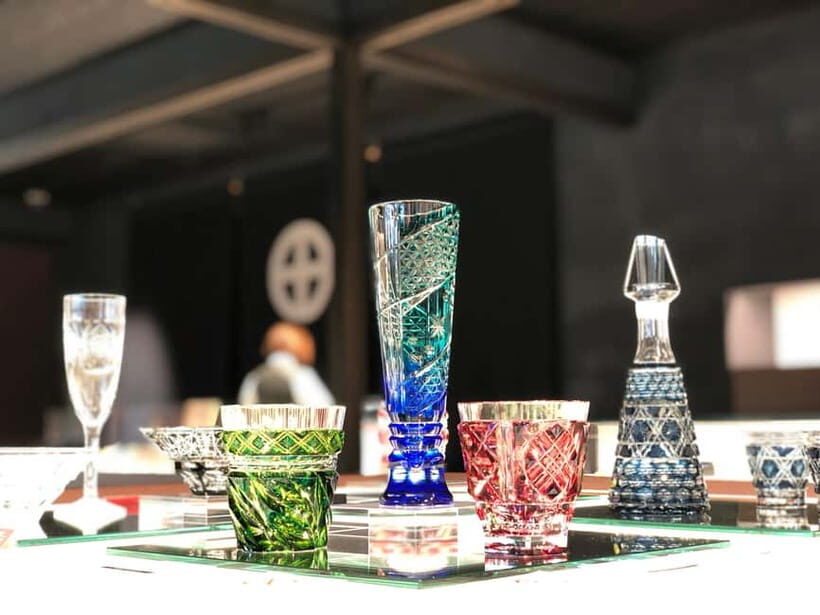
- Satsuma Kiriko close-up: See artisans produce delicate glasswork and learn what makes it different.
- Gallery first, then production: You’ll get history and meaning before you watch the techniques.
- Sengan-en’s Sakurajima view: A 370-year-old garden with an active volcano backdrop.
- Shimadzu lifestyle in context: You’ll learn what the family’s residence tells you about local culture.
- A guide who explains as you go: The tone is calm and un-rushed, with practical stories on the way.
- Photo rules that keep things respectful: Photography is allowed, but flash is not.
Satsuma Kiriko in Kagoshima: More Than Pretty Glass
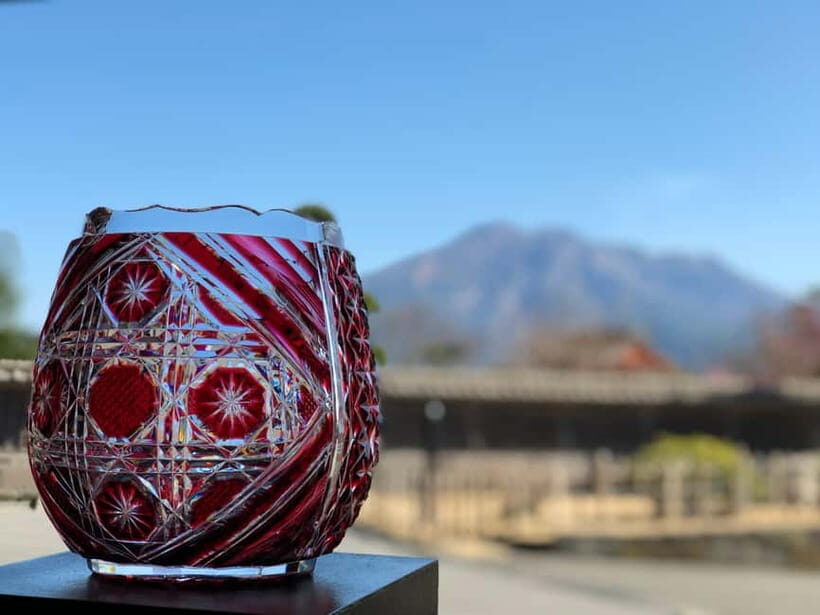
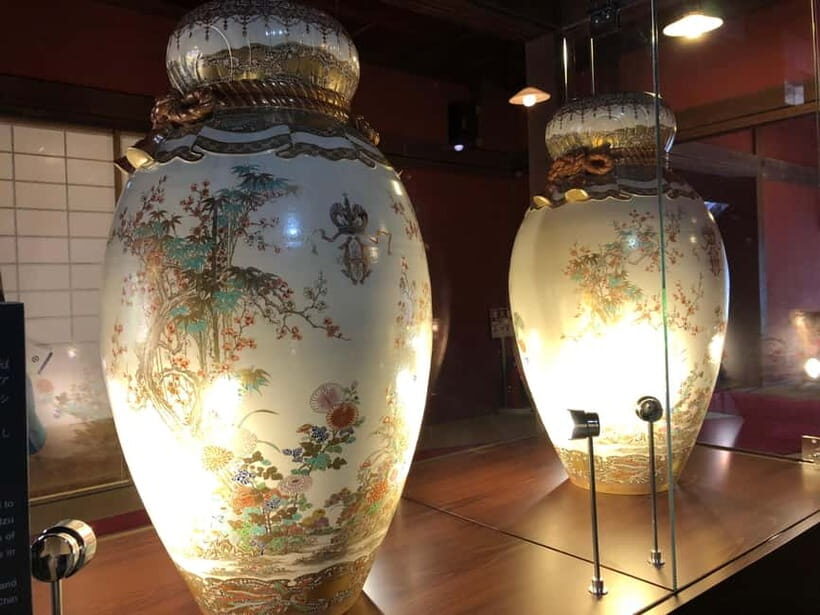
Kagoshima has a knack for mixing old-world craft with dramatic scenery. This tour channels that same idea through Satsuma Kiriko, the region’s famous cut-glass style. The key word is “craft.” You’re not just looking at finished items. You’re learning why the glass exists in this form, how it’s produced, and what local tradition it carries.
The experience does a smart thing: it gives you the “why” before the “wow.” Starting at a gallery helps you see Satsuma Kiriko as a cultural product, not a souvenir category. Then the glassworks visit shifts the focus to “how”—technique, tools, and the skilled motions that make the work possible.
If you like cultural activities where you can ask questions and actually understand what you’re seeing, you’ll feel at home here. It also works well if you’re traveling with a friend who’s more into scenery than shopping. You still get the craft, but the garden portion gives your brain a breather.
You can also read our reviews of more tours and experiences in Kagoshima.



Satsuma Kiriko Gallery: Get the Story Before You Shop
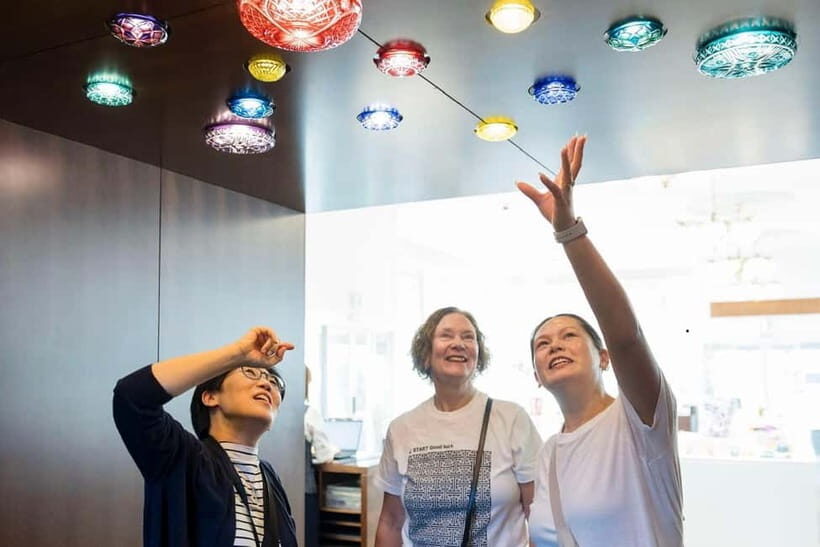
You begin at the Satsuma Kiriko Gallery, which is the right opening move. This is where you learn the history of the craft and what makes the designs and finishing styles recognizable as Satsuma Kiriko. Seeing the pieces first matters, because later at the glassworks you can connect the physical process to the final look.
I like that the guide doesn’t treat it like a lecture hall. They explain the charm of Satsuma Kiriko and—based on what you’re told—what to notice while you’re looking around. That makes your time in the gallery feel purposeful instead of like browsing.
There’s also a shopping angle built in. You can admire what you like, then keep your expectations realistic. Glasswork can be more expensive than typical souvenirs, so the best mindset is to treat purchases as “collecting a story.” If you’re careful, you’ll know what you’re paying for: skill, time, and materials.
Tip: If you’re the type who likes to photograph details, you may want to pause before moving on. The gallery phase is your chance to notice patterns, cuts, and decorative styles.
Glassworks: Watching the Technique Up Close
After the gallery, you head to the Satsuma Kiriko Glassworks to observe artisans producing pieces close-up. This is the part many people remember most, because the “making” is visible. You’ll be able to watch the rhythm of the work and understand the kind of precision that’s involved.
The guide also explains production difficulties and key techniques. That matters because the real magic of cut-glass craft is hard to guess from the finished item. Once you know what’s tricky—how delicate handling can be, what kind of care the process requires—you’ll look at the work with more respect.
One detail I find especially reassuring: the guide is not just reciting facts. In past experiences with English-speaking guides on this route, you may find the guide shares personal familiarity with the art and uses it to make explanations clearer. That tends to make the session more human and easier to follow.
A practical note: photography is generally allowed, but flash is not permitted in certain areas. If you rely on your phone camera, use normal lighting and keep your hands steady. You’ll get the shot without annoying the people working nearby.
Sengan-en Garden: 370 Years of Calm With Sakurajima in View
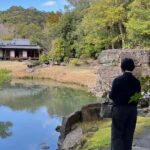
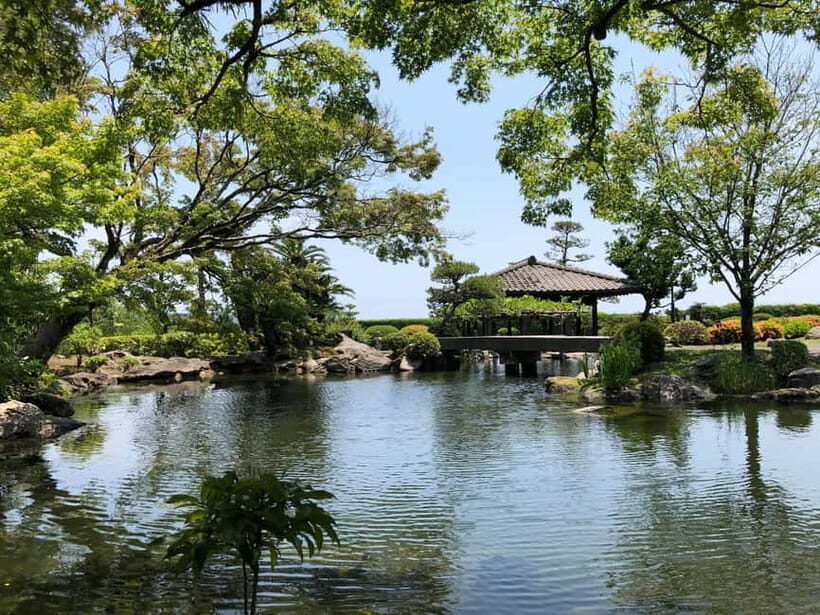
Next comes Sengan-en, the 370-year-old Japanese garden that’s been maintained by the Shimadzu family. This is where your tour energy changes. The sound shifts from workshop activity to water, birds, footsteps, and the quiet geometry of garden paths.
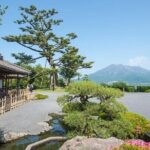
What makes this garden feel so special is the combination of human design and volcanic scenery. The view of the active volcano, Sakurajima, from the heart of the garden is the obvious highlight—but it’s the way the garden stages that view that makes it memorable. You’re walking through a planned sequence, with pauses that naturally make you look up.
As you explore deeper, you’ll move through greenery, flowing streams, and serene shrine areas. Even if you’re not a “garden person,” this part works because it’s immersive in a low-key way. It’s not about rushing to the next photo spot. It’s about slowing down enough to notice how the garden changes with each turn.
Important logistics to know:
- There’s moderate walking (about 1 mile is mentioned).
- Some areas have steps.
- Flash photography isn’t allowed in certain spots.
If you want the garden to feel relaxing, wear shoes you trust. Comfortable shoes beat “cute” shoes here.
Shimadzu Residence: Seeing How Power Lived
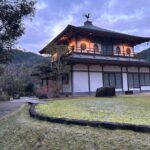
Sengan-en isn’t the only cultural stop. The tour also brings you to the Shimadzu family residence area, tied to the 29th head of the Shimadzu family. This is where you get a clearer sense of lifestyle and culture from that era—how a powerful family lived, and how that life connected to the land and the garden.
I like this section because it prevents the tour from feeling like “craft + views.” Instead, you see the garden as part of a broader story: where power, aesthetics, and daily life intersected.
You’ll also get context that helps the landscape feel less like background. The Shimadzu lineage dates back to the 12th century, and having that timeline in mind changes how you interpret what you see. It’s easier to appreciate maintenance, design choices, and why traditions can persist for centuries.
In some cases, the guide may also lead you to shrine spaces inside the garden areas (including small shrines where you may learn about a ritual approach). If your group enjoys gentle, respectful cultural moments, this is where that can show up naturally.


The Ride, the Pace, and the “Not-So-Busy” Feeling
The tour uses bus/coach segments between stops, with short rides that keep you from wasting time. Those transfer windows are also where the guide’s storytelling can land. You’ll hear about local life, culture, and scenery along the route, which helps the day connect rather than feel like three separate errands.
A major value point is pacing. This tour is described as flexible and not rushed, and that fits the two very different modes of the experience:
- Craft time needs attention and questions.
- Garden time needs walking at human speed.
For photography, it helps too. When you’re not being hustled, you have time to get the Sakurajima view framed the way you want.
Pickup and drop-off also help with stress management. There are multiple pickup options across Kagoshima (including major stations, ports, and hotels). The guide confirms the exact meeting point in the final message after your customized plan discussion, which is useful when you’re matching the tour to a ship schedule or hotel location.
Price and Value Check: What $180 Buys You

The price is $180 per group up to 4, lasting about 4–6 hours. Private tours cost more than group buses, so the real question is: does this add up?
For me, the value logic is simple:
- You’re paying for a private guide who can explain both craft and garden culture in English/Japanese.
- You’re paying for a structured visit to both Satsuma Kiriko locations, including guided time at the glassworks.
- You’re getting guided access to Sengan-en, plus local context that helps you understand what you’re seeing instead of just passing through.
What’s not included:
- Transportation fees
- Sengan-en entrance fee (1,600 JPY per person)
- Personal expenses
That means you should budget slightly more on the garden day. Still, if you’re traveling as a small group of friends or family, the “per person” cost can become reasonable—especially compared with piecing together two separate guided activities on your own.
One more practical point: being able to control pace matters on days with walking and steps. A private guide can slow down when someone needs it, and that prevents the “we paid but didn’t enjoy it” problem.
Who Should Book This Kagoshima Craft-and-Garden Tour
This tour is a strong fit if you:
- Love watching skilled hands at work (glass artisans and craft technique).
- Want a cultural garden that’s calm, scenic, and actually explained.
- Appreciate context—history of Satsuma Kiriko and background on the Shimadzu family—not just sightseeing.
It’s also a good choice if you’re on a limited schedule. At 4–6 hours, it’s long enough to be satisfying but short enough to pair with other Kagoshima plans.
If you’re very mobility-limited, pay close attention. The tour is not considered suitable for wheelchair users, and there are stairs inside the house and in the back part of the garden that can limit access. If that applies to you, you’ll likely want to choose a different itinerary or ask detailed questions before booking.
Should You Book This Tour?
If you’re coming to Kagoshima for more than photos, I’d book it. You’re getting two experiences that usually compete for time—craft and garden—and the guide helps them fit together with explanations and smart pacing.
Book this tour if you:
- Want Satsuma Kiriko to make sense, not just look pretty.
- Care about the Sakurajima view but also want the garden’s cultural meaning.
- Prefer a private, calm day with a guide like Cozy-san who communicates well and adjusts to your group’s needs.
Skip it or choose something else if you:
- Don’t want to deal with steps and moderate walking.
- Expect every cost to be included (Sengan-en entrance is extra).
In short: this is one of those tours where the craft has depth and the garden has breathing room. Done right, it turns Kagoshima’s scenery and tradition into something you can actually understand.
FAQ
Where are the pickup options?
You can be picked up from several Kagoshima locations, including Kagoshimachuo Station, Marine Port Kagoshima cruise docks, Kagoshima City Information Centre (Tenmonkan), Sheraton Kagoshima, Shiroyama Hotel Kagoshima, and others. The exact meeting point is confirmed by the guide after booking.
How long is the tour?
The tour runs about 4 to 6 hours.
What language is the guide?
The live guide offers English and Japanese.
What is included in the tour price?
The tour includes guided visits to the Glassworks and Sengan-en, plus scenic spots recommended by your guide, and pickup/drop-off. The guide also shares stories about local life, culture, and scenery during the trip.
Is the Sengan-en entrance fee included?
No. The entrance fee at Sengan-en is listed as 1,600 JPY per person and is not included.
Can I take photos?
Photography is allowed, but flash photography is not permitted in certain areas.
How much walking is involved, and are there steps?
There is about 1 mile of walking, and some parts of Sengan-en have steps.
Is this tour suitable for wheelchair users?
The tour is noted as not suitable for wheelchair users, and it also states that stairs inside the house and in the back part of the garden can limit access.