REVIEW · OSAKA
Kimono photoshoot-Includes 100 photo data
Book on GetYourGuide →Operated by Studio Norluss · Bookable on GetYourGuide
Kimono photos in Osaka take 2 hours. I like the professional guidance and the fact you get 100 photo data, so you walk away with a real photo set, not just a few snaps. One thing to plan for: makeup, hair, and photo retouching cost extra if you want the full polished look.
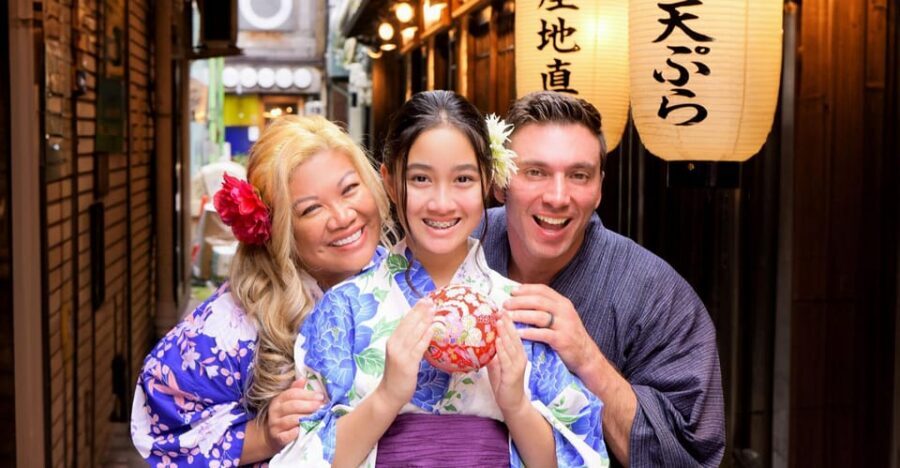
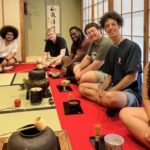
You’ll start at Rose House (second floor) in Higashishinsaibashi, then split your time between classic photo spots in Shinsaibashi and a studio option with cherry blossoms in the background all year. It’s a private group format, which keeps the pace comfortable and the photos more personal.
In This Review
- Key Things I’d Book This For
- Kimono Photos in Shinsaibashi: What This Really Feels Like
- Price and Value: Is $96 a Good Deal?
- Meeting at Rose House (2nd Floor) in Higashishinsaibashi
- The Osaka Kimono Prep: Dressing Is Part of the Experience
- Studio Photos With Cherry Blossoms All Year Round
- Shinsaibashi Photo Stops: Old Osaka Corners in Kimono
- How the 90-Minute to 2-Hour Flow Works
- What’s Included, What Costs Extra (So You Can Plan)
- Who This Is For (And Who Might Skip It)
- Practical Tips to Look Good in Your Photos
- Should You Book Studio Norluss in Osaka?
- FAQ
- What is included in the $96 price?
- How long does the kimono photoshoot take?
- Where do I meet for the session?
- Do I get photos digitally?
- Is there an indoor photo option?
- What add-ons cost extra?
- Can I cancel for a full refund?
Key Things I’d Book This For
- 100 photo data included so you’re not budgeting for every extra shot
- Shinsaibashi photo stops with a photographer who knows where to stand
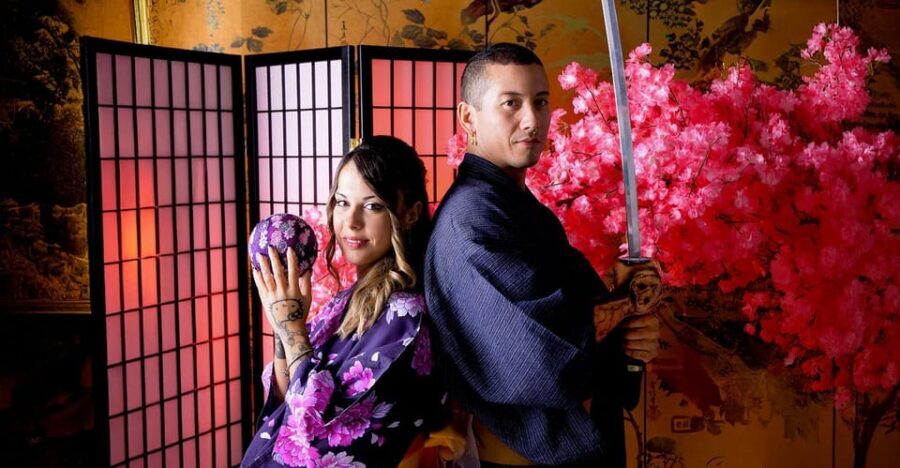
- Studio cherry blossoms year-round for the spring look even in winter
- Kimono rental included for both men and women (no extra planning needed)
- English/Japanese guidance that helps you feel at ease fast
- Private group feel without the stress of squeezing between strangers
Kimono Photos in Shinsaibashi: What This Really Feels Like
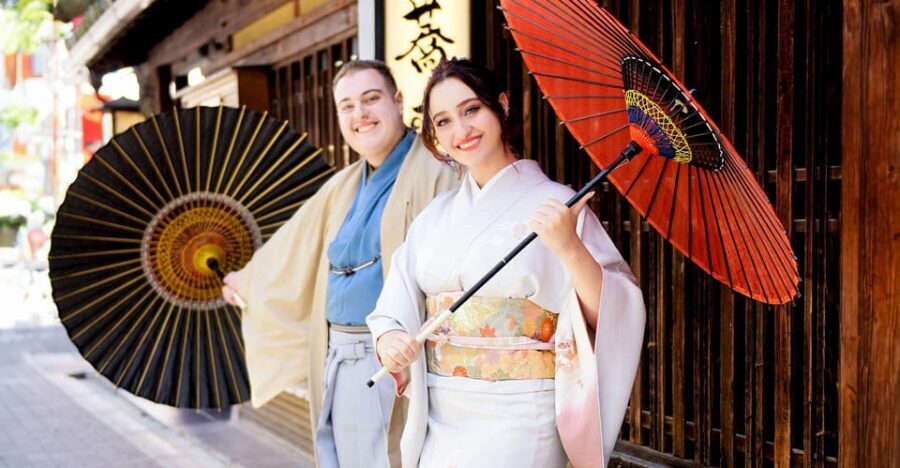
This is the kind of experience you book when you want your Japan trip to look like a magazine spread, but you don’t want to spend hours figuring everything out. You show up, put on a kimono, and a professional photographer leads you through poses and photo angles. Then you leave with a large batch of edited digital images.
What I like most is that the experience is designed around outcomes: photos you can actually use. Getting 100 photo data means you’ll have options—close-ups, full outfits, different backgrounds, and a variety of compositions. It’s also the right time window. A session of 90 minutes to 2 hours is long enough to feel relaxed, but short enough that it won’t drag on your schedule in Osaka.
You can also read our reviews of more photography tours in Osaka
Price and Value: Is $96 a Good Deal?
At $96 per person for kimono rental plus the photo shoot and all data, the value is mainly in two places: the styling/wardrobe work and the photography itself.
Here’s how to think about it:
- Kimono rental usually isn’t free, and it’s also not just a quick costume change. You’re getting something that looks right on camera.
- Professional photography takes time. You’re not just being photographed—you’re being guided and moved through photo spots.
- The package includes your digital photo data (100 images). That removes the most common disappointment of “one photo is great, the rest are so-so.”
The possible catch is add-ons. Makeup is 6,600 yen and hair set is 3,300 yen, and photo retouching costs 11,000 yen. Photo prints are 3,300 yen for prints that are smaller than A4. If you want a super polished look, your final total can climb.
Still, even with optional extras, you’re paying for a full photo experience rather than renting a kimono and hoping for decent results.
Meeting at Rose House (2nd Floor) in Higashishinsaibashi
Your meeting point is straightforward: second floor, Rose House building. From there, the session is run like a mini production. The team handles the kimono logistics and the photo flow, so you’re not chasing directions around Osaka while trying to look composed in formalwear.
The starting address is 1-chōme-19-20 Higashishinsaibashi. That matters because Higashishinsaibashi is a useful base area: you’re near central Osaka, and you can walk to photo spots without needing complicated transit planning mid-session.
Quick mindset tip: show up ready to get changed and focus on the photos. If you’re thinking about the kimono early, you’ll enjoy the experience more.
The Osaka Kimono Prep: Dressing Is Part of the Experience
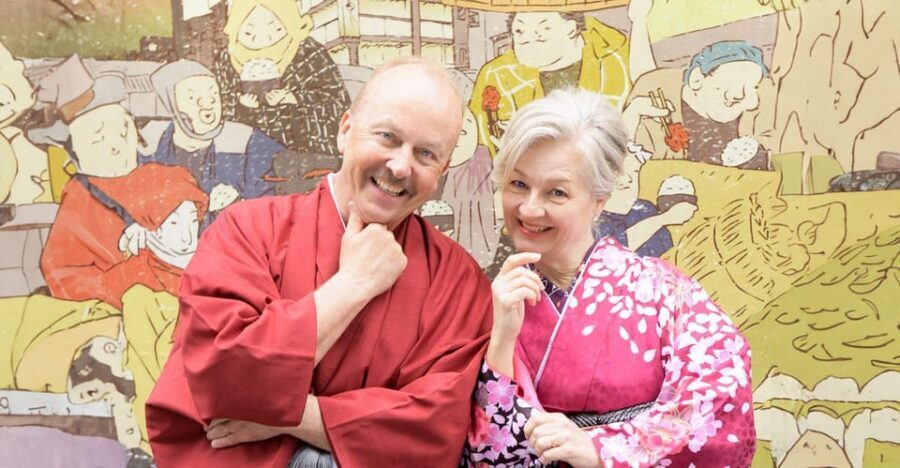
Kimono dressing can take longer than people expect, and that’s normal. In a good setup, the staff helps you get into the right fit and makes sure the outfit looks camera-ready. One review highlight that matches what you’ll likely notice is that putting on a kimono is more complex than it looks in photos. That’s also why a guided setup is valuable.
Also, you’ll likely see how much effort goes into presentation: posture, how the fabric falls, and how your hands sit naturally. These are the small details that separate casual photos from images that look authentically Japanese and intentional.
Studio Photos With Cherry Blossoms All Year Round
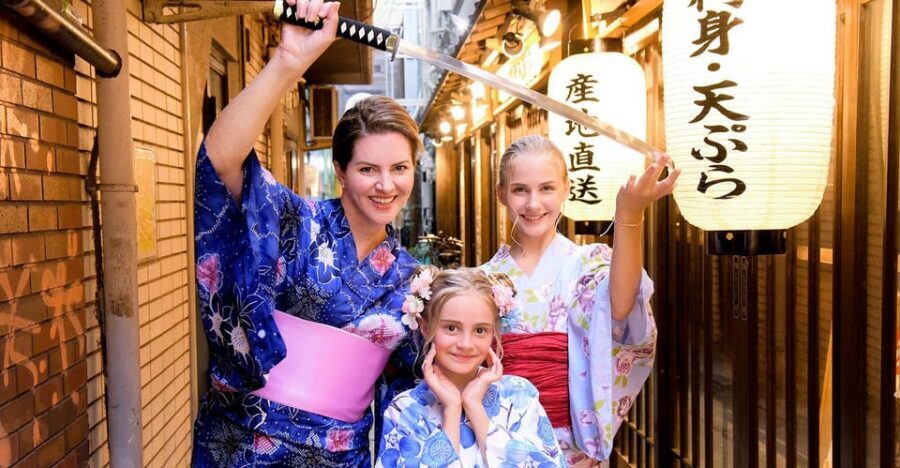
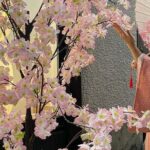
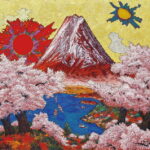
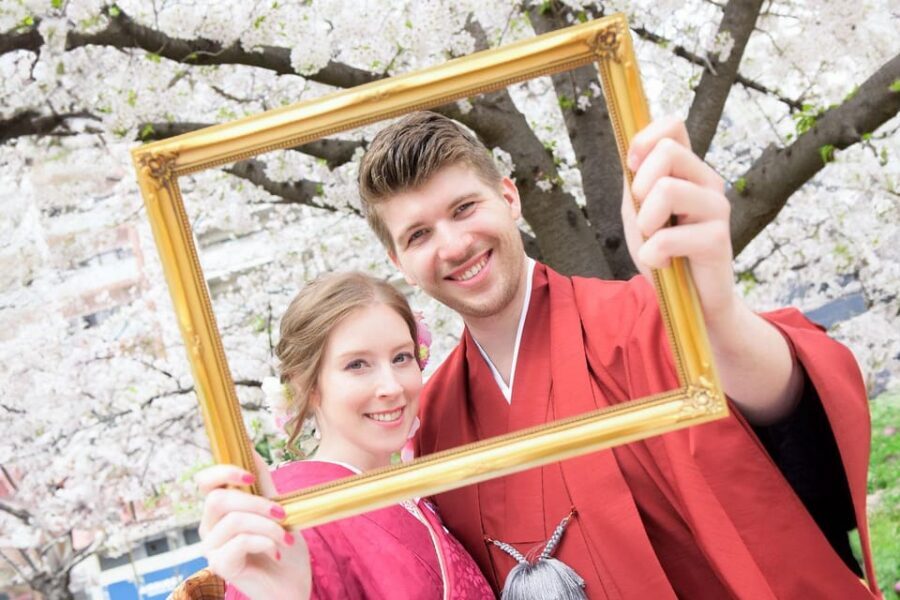
One of the best parts for many people is the studio option: you can take photos indoors with a cherry blossom background all year. That’s huge in practice. It means you don’t have to gamble on weather or timing to get that spring aesthetic.
In the studio, you also get control. Lighting is consistent, and you’re not battling wind or strong sun for your outfit or hair. If you’re traveling in colder months (or just don’t want to plan around blossoms), this is the easiest way to get that iconic look.
The studio is also where you can get the “classic” photos:
- fuller outfit shots with clean framing
- close-ups that make the kimono pattern and details look crisp
- variety, since the photographer can adjust angles quickly
If you’re the type who worries you might not look good in a traditional outfit, the studio phase often makes it easier because the setting is managed.
Shinsaibashi Photo Stops: Old Osaka Corners in Kimono
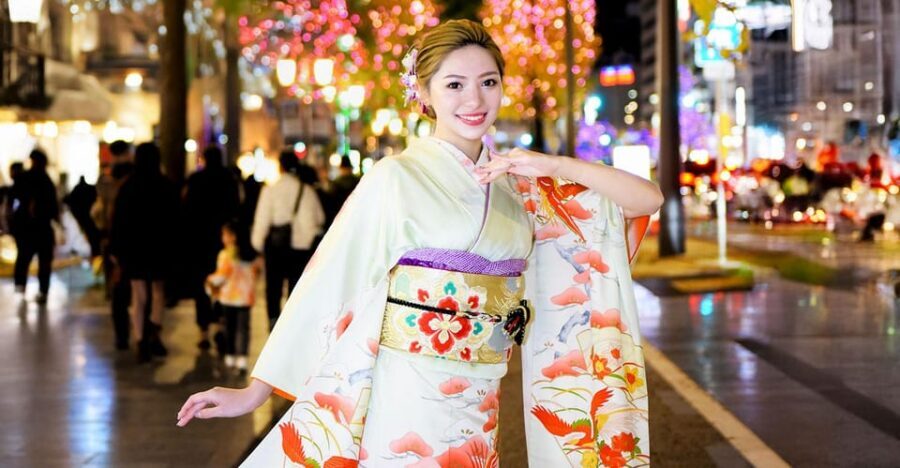
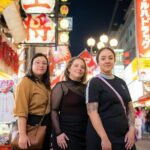
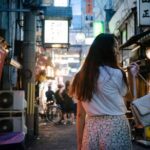
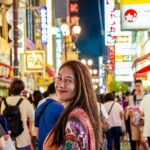
After the studio portion, you’ll get your outdoors time in Shinsaibashi. This is where the experience becomes more memorable than a backdrop-only shoot.
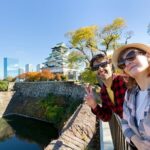
Shinsaibashi might sound like shopping streets, but it also has older Japanese buildings and shrines. That mix is why kimono photos work so well here: you get a contrast between the traditional look of the kimono and the lived-in Osaka streets around you.
A professional photographer guides you to the best spots. That matters because “good photos” outdoors are less about luck and more about position:
- where the background lines up behind you
- how the light hits fabric
- how to avoid distractions in the frame
You’ll also likely be walking short distances between photo spots. That’s why this is a well-paced private session rather than a rushed stamp-and-go tour.
How the 90-Minute to 2-Hour Flow Works
Even if your day is packed, the session is designed to feel efficient. You’ll spend about 1.5 hours on the Shinsaibashi photo stop, plus time for studio photos and getting your kimono ready. So the whole experience lands in that 90 minutes to 2 hours range.
The photographer’s job is to keep you moving through a photo plan:
- initial guidance and setup
- outfit and pose adjustments
- multiple shots from different angles
- time to switch up expressions and stance
This is also why you get so many photos. If you’re nervous at first, don’t worry. The staff and photographer help you get into a rhythm quickly, and after a few shots, you’ll stop thinking and just start enjoying it.
If you’re traveling with someone, the private group format is a quiet win. There’s less waiting, less crowd pressure, and the photos feel more personal.
What’s Included, What Costs Extra (So You Can Plan)
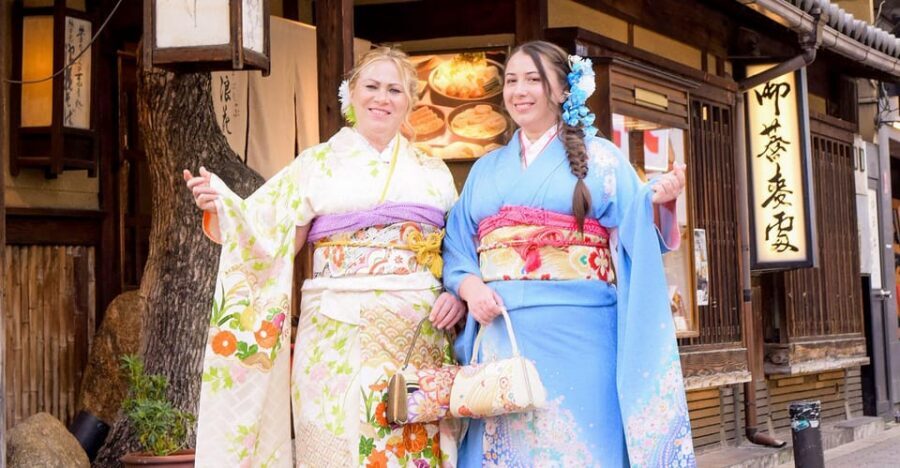
Here’s the clean breakdown from what’s included:
- Kimono rental
- Photo shoot
- All data (your edited digital photo set)
- 100 photo data is included as part of that data set
Not included:
- Makeup: 6,600 yen (both men and women)
- Hair set: 3,300 yen (both men and women)
- Photo prints: 3,300 yen (smaller than A4 size)
- Photo retouch: 11,000 yen
My practical advice: decide early what look you want.
- If you want a simple, elegant kimono photo and you’re okay with your natural look, you can skip makeup/hair.
- If you want a full traditional hairstyle and a more polished face for photos, budget for at least makeup and hair.
- If you’re sensitive about small imperfections and want extra editing, plan for retouching. Otherwise, you can often rely on the included professional selection and editing.
Who This Is For (And Who Might Skip It)
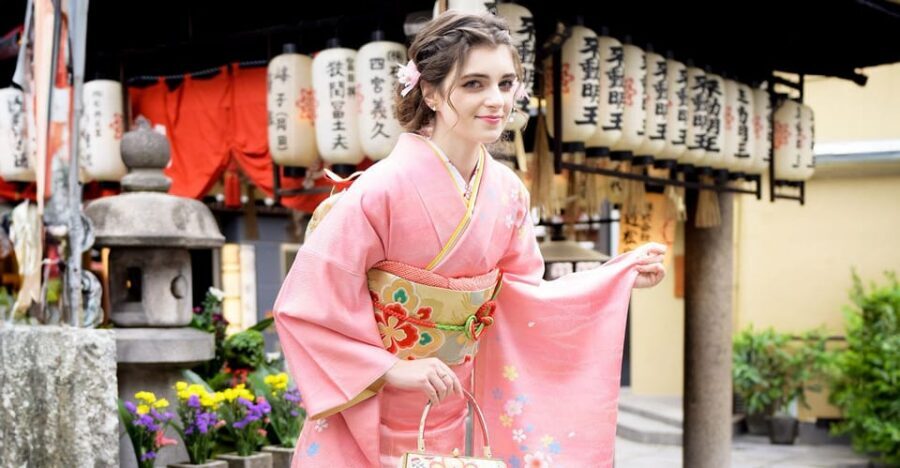
This is a strong match if:
- you want pro-quality kimono photos without doing the planning yourself
- you like having lots of images to choose from (100 photo data)
- you want cherry blossom styling even outside peak season
- you’re traveling as a couple, family, or solo and want a more personal session
It might not be ideal if:
- you’re trying to keep costs super tight and don’t want to consider makeup/hair add-ons
- you only want a quick “one photo” souvenir (this is designed to create a bigger set, which is good value, but not the cheapest option if you don’t want the extras)
Practical Tips to Look Good in Your Photos
These are the kinds of things that make the biggest difference, fast:
- Bring your best calm mood. The experience is structured, and that helps you relax into poses.
- If you’re considering makeup and hair, think of it as part of the final look, not an afterthought.
- For outdoors shots, dress for comfort around the weather. Kimono styling looks great on camera, but you’ll still feel the day’s conditions.
- Expect a mix of backgrounds: studio cherry blossoms indoors, then Shinsaibashi streets and older buildings outdoors.
Also, because this is a private group and the photographer is moving you through spots, it helps to listen closely on instructions. Small adjustments from the photographer can change how your kimono falls and how your stance reads on camera.
Should You Book Studio Norluss in Osaka?
If you want a confident kimono photo outcome in central Osaka, I think this is an easy yes. You get professional guidance, kimono rental, studio cherry blossoms year-round, and a large set of edited digital images (100 photo data) for a clear, single-person price.
The only reason to hesitate is budget planning. If you’ll likely add makeup, hair, or retouching, factor it in now so you’re not surprised at the end.
If you’re aiming for that traditional Japan look without the uncertainty of timing or lighting, this Osaka session is built for results—and it’s paced so you still enjoy the rest of your day.
FAQ
What is included in the $96 price?
The package includes kimono rental, the photo shoot, and all data (your full edited digital photo set, including 100 photo data).
How long does the kimono photoshoot take?
It runs about 90 minutes to 2 hours, depending on starting time availability.
Where do I meet for the session?
Meet on the second floor of the Rose House building in Higashishinsaibashi (1-chōme-19-20 Higashishinsaibashi).
Do I get photos digitally?
Yes. You receive all data, including 100 photo data.
Is there an indoor photo option?
Yes. You can do indoor photos in a studio setting with cherry blossoms in the background all year.
What add-ons cost extra?
Makeup is 6,600 yen, hair set is 3,300 yen, photo prints are 3,300 yen (smaller than A4), and photo retouch is 11,000 yen.
Can I cancel for a full refund?
You can cancel up to 24 hours in advance for a full refund.