REVIEW · KAMAKURA
Kamakura Half Day Walking Tour with Local Experience
Book on GetYourGuide →Operated by H.I.S. Co Ltd(TIC) · Bookable on GetYourGuide
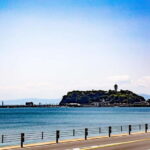
Kamakura hits different with the Enoden coast ride. I like how the day is built around two iconic temples plus a train journey that feels like part of the sightseeing. I also like the “you’re not guessing on your own” factor: you meet in central Shinjuku and get guided stops in the right order, with time to actually look, not just pose. One watch-out: the meeting point is specific, so if you show up vaguely nearby, you may waste time finding your group.
This is one of those trips where the transport is handled, so you can focus on the places. You ride Odakyu from Shinjuku to Fujisawa, then switch to the Enoden along the Pacific. The included Enoshima & Kamakura Freepass means unlimited Enoden rides for the tour window, so you’re not stressed about trains when you’re trying to enjoy the bay views and temple routes.
At the end, you land back in the Kamakura area with free time to keep exploring. You’ll get guided context at Hase-dera and Tsurugaoka Hachiman-gu, plus entrance tickets and a snack or beverage (up to 500 JPY), but lunch is on you and you’ll need comfortable shoes for about 3 km of walking.
In This Review
- Key moments that make this tour worth your time
- From Shinjuku to the Enoden coast: the rhythm of the half-day
- Hase-dera Temple of Flowers: gardens, caves, and bay views
- Kōtoku-in Great Buddha: what 20 minutes is really for
- Komachi Street snack break: the best use of 20 minutes
- Tsurugaoka Hachiman-gu: samurai roots at the end of the walk
- Pacing, walking, and comfort tips (about 3 km total)
- Price and value: is $83 a good deal?
- Who should book this Kamakura half-day walk
- Should you book this tour?
- FAQ
- FAQ
- Where is the meeting point?
- What time does the tour last?
- How do you travel from Tokyo to Kamakura?
- Is the Enoden train ride included more than once?
- Which temples are included?
- Do you get to explore Komachi Street?
- Is lunch included?
- What’s included besides temple entrances?
- Are there rules about clothing and bags?
- Is the tour wheelchair accessible?
- What should I bring?
Key moments that make this tour worth your time
- Suica Penguin Plaza in Shinjuku: a clear landmark meeting point right by JR Shinjuku
- Enoden coast train + Freepass: unlimited Enoden rides during the tour window
- Hase-dera, Temple of Flowers: gardens, caves, halls, and a panoramic bay terrace
- Kōtoku-in Great Buddha: enough time to stand close and really study the statue
- Komachi Street snack break: you get a 20-minute stop for local treats
From Shinjuku to the Enoden coast: the rhythm of the half-day
The day starts in Tokyo, in Shinjuku, not in Kamakura. Your meeting point is the Suica Penguin Statue on the pedestrian deck called Suica Penguin Plaza, on the second floor of the Shinjuku Expressway Bus Terminal building attached to JR Shinjuku Station. If you’re coming from the new South Gate of JR Shinjuku Station, it’s also reachable from there. The practical point: this isn’t a “meet somewhere in the station” situation. Show up early and go straight to the statue.
After you connect with the guide, you walk about five minutes to the Odakyu Line area at Shinjuku Station. Then it’s train time: first Odakyu Odawara Line toward Fujisawa with your guide, and then the famous Enoden (Enoshima Electric Railway) takes over for the coast ride into Kamakura.
What I like about this structure is that it keeps your momentum. You’re not spending your morning figuring out transfers and platforms, and you’re not waiting around once you reach Kamakura. The Enoden is especially good for people who like rail views—coastline glimpses, neighborhood scenery, and that slightly old-school local train feel.
One extra value detail: your ticket includes the Enoshima & Kamakura Freepass for unlimited Enoden rides until the tour ends. That means you can enjoy the train without doing mental math about which ride you’re allowed to take. It’s also a nice buffer if the schedule feels slower than expected.
You can also read our reviews of more walking tours in Kamakura
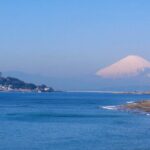
Hase-dera Temple of Flowers: gardens, caves, and bay views
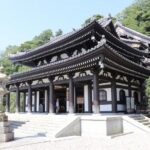
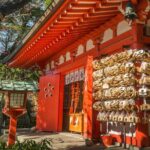
Hase-dera is where Kamakura starts to feel like it’s in no rush. Your tour includes a guided visit there for about 45 minutes, and the guide’s job is to point you toward the places that matter without rushing you through everything.
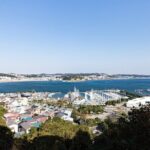
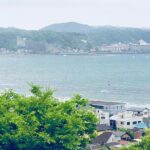
Hase-dera is known as the Temple of Flowers, and the experience matches the name. You’ll explore a gorgeous garden, plus caves and Buddhist halls. Then there’s a panoramic terrace that looks out over the bay, which is the kind of view that makes your photos feel justified even if you only take a few.
Why the guided time helps here: temples in Japan can look similar at first glance—stone, incense, statues, paths. A guide helps you notice what changes the experience: where to look in the halls, how the garden paths connect, and how the layout shapes your walk. With 45 minutes, you’re not stuck in a too-short “quick photo and gone” visit, but you also won’t feel trapped inside one long stop.
Drawback to consider: Hase-dera involves walking uphill and through varied terrain. It’s manageable for many people, but it’s not a “flat stroll.” If you have low mobility or fatigue easily, plan your energy for the temple stair-and-path sections.
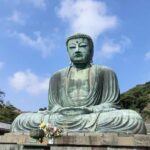
Kōtoku-in Great Buddha: what 20 minutes is really for
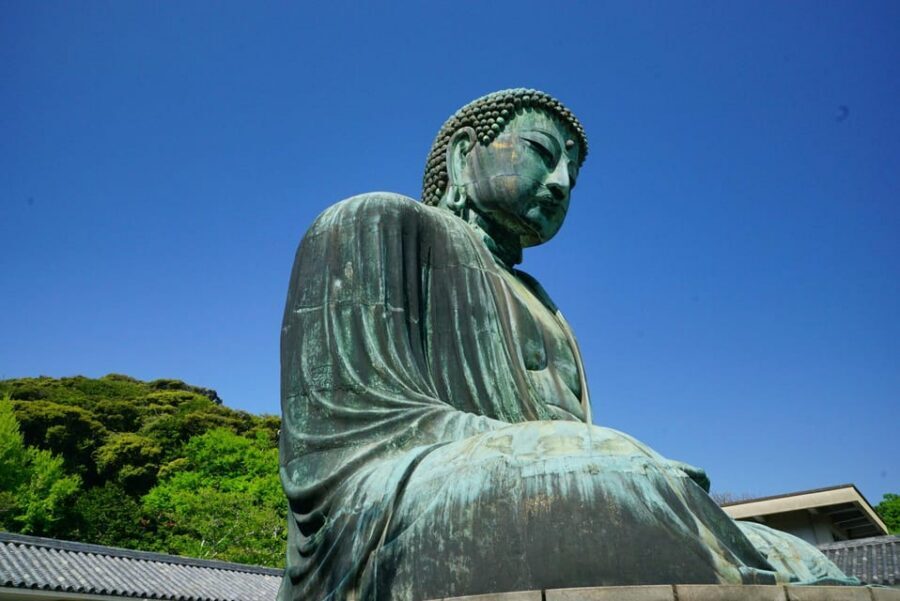
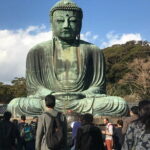
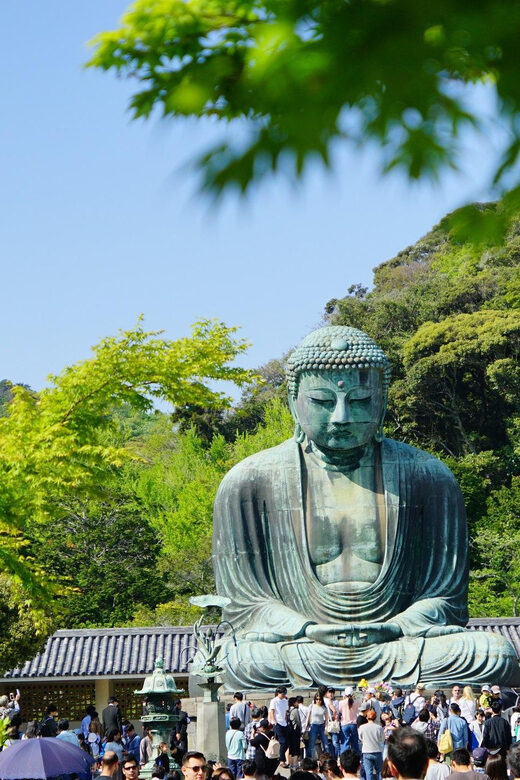
Next comes Kōtoku-in, the temple that holds the Great Buddha. You’ll spend about 20 minutes there, including your visit time.
This is the “big moment” stop. Standing in front of the Great Buddha is one of those experiences where your brain just slows down. The statue is the main event, and you’ll have enough time to look at its details rather than just orbiting the edges.
In terms of how to use your 20 minutes well, here’s the simple plan:
- Look up first, then down at the hands and base.
- Walk a bit to change your angle.
- Take a breath and just be there for a minute before you move on.
Because this stop is shorter than Hase-dera, it works as a reset. You go from garden-and-caves to a single, powerful focal point. If you’re the type who likes to soak in one landmark thoroughly, you’ll appreciate the focused time.
Note: the tour rules say photography inside isn’t allowed. So keep that in mind when you’re deciding whether to rely on your camera or just enjoy with your eyes.
Komachi Street snack break: the best use of 20 minutes
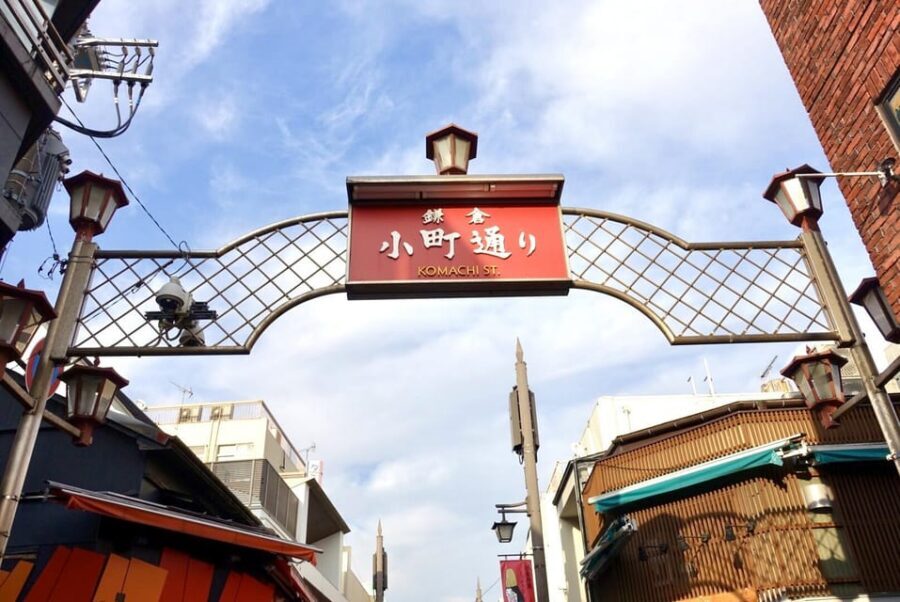
After the Great Buddha, you head back by train to Kamakura Station, then walk toward Komachi Street. You get a break time of about 20 minutes on Komachi Dori Street, the famous shopping and snack lane lined with stalls and local-food temptations.
This isn’t a full shopping spree. It’s a targeted stop. Your best move is to decide early what you want before you get overwhelmed by options. Since you also have a snack or beverage included (up to 500 JPY per person), you can pick something that feels worth it without paying extra.
What makes this a fun “local experience” piece is that it turns the day from sightseeing-only into something more sensory. You’re tasting, smelling, and people-watching. You’re also right in the Kamakura vibe—less Tokyo, more old-town energy.
If you’re a slow walker, you’ll still be okay, but don’t plan on a long detour here. Use the 20 minutes like a tasting mission: buy one thing, eat it while standing or strolling, then keep moving.
Tsurugaoka Hachiman-gu: samurai roots at the end of the walk
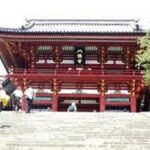
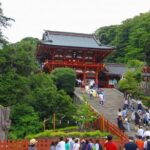
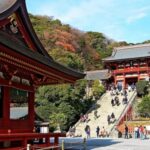
The tour finishes at Tsurugaoka Hachiman-gu, after you walk along Komachi Street and arrive at the shrine area. You’ll get a guided tour there for about 20 minutes.
This stop matters because it connects the religious site to the way Kamakura became a historic center for warrior culture. The tour explanation focuses on the deity of war enshrined here, and how the samurai government links to Kamakura’s history.
This is a good wrap-up because it adds meaning to what you’ve been seeing. Earlier stops are about temples and iconography. Here, you get context for why Kamakura became what it was—so the city doesn’t feel like a set of separate postcards.
Also, by ending at a major shrine, the day gives you options for the afternoon. You can stay in the area, wander, and continue exploring on your own.
Pacing, walking, and comfort tips (about 3 km total)
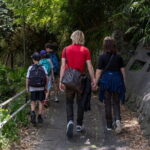
Even though this is a half-day, it’s not a sit-and-eat tour. You walk roughly 3 km across the whole experience. That includes temple paths and the short walk segments between stops.
My biggest practical advice is to dress for movement, not for photos.
- Wear comfortable shoes you can trust on uneven ground.
- Keep your plans flexible if it’s hot. In summer, it’s recommended you bring water, a wipe, and possibly a change of clothes due to heat and humidity.
- If you’re sensitive to stairs or steep temple paths, slow down and take breaks when you need them.
Tour rules also restrict certain items and clothing:
- No luggage or large bags.
- Short skirts aren’t allowed.
- Loose clothing isn’t allowed.
- Photography inside isn’t allowed.
Those rules are there for flow and respect inside temple spaces. If you plan around them, the experience feels smooth.
One more tip based on real-world group days: meeting on time is easier when you’re ready with your phone. The guide contacts you via WhatsApp before the tour starts if you have it. If you don’t get a message, make sure you’re available for calls in case the guide can’t find you.
Price and value: is $83 a good deal?
At $83 per person for about 330 minutes (5.5 hours), you’re paying for three things: guided context, included entrances, and transport management.
Here’s what’s included:
- English-speaking guide from Tokyo to Kamakura (with English and Spanish options available)
- Return transportation ticket from Shinjuku (with the Odakyū Kamakura-Enoshima Pass mentioned)
- Entrances to Hase-dera and Kōtoku-in
- Local snack or beverage up to 500 JPY per person
What’s not included:
- Lunch
So the value question is really: do you want someone to handle the rail switching and keep you on track between the major sights? If yes, the price is fair. If you’re traveling super independently and you’re comfortable using trains without help, you might find cheaper options. But this tour gives you structure: meeting in Shinjuku, arriving with a plan, and ending near a shrine with afternoon options.
One more detail that affects value: guides like Silvy and Romy have been praised for being on time, patient, and thorough—plus offering extra information after the tour. That kind of service matters because it makes the city feel less confusing after you leave.
Who should book this Kamakura half-day walk
This tour is a good fit if you want a focused Kamakura highlight route without navigating everything yourself. It’s also ideal if you like trains and coastal scenery and you want that Enoden ride to be part of the day, not an extra detour.
Best matches:
- First-timers to Kamakura who want the Great Buddha plus Hase-dera
- People who like guided explanations tied to what they’re seeing
- Travelers who want a snack stop without hunting for it
Consider skipping or choosing a different style if:
- You have low fitness levels (the tour explicitly notes it’s not suitable for low fitness)
- You’re hoping for a relaxed, mostly-flat stroll
- You need lots of shopping time (Komachi Street is a short break, not a long browse)
Should you book this tour?
I’d book it if your top goal is to get the essentials right—Shinjuku meeting, smooth train logistics, guided temple time, and a well-timed ending at Tsurugaoka Hachiman-gu. The Enoden coast ride plus the Freepass is a strong value combo, and the snack allowance helps you keep moving without searching.
I’d think twice if you hate any uphill walking or if you tend to be late finding meeting points. The meeting location is specific (Suica Penguin Plaza), and you’ll get the best experience when you arrive on time and stay reachable by phone.
FAQ
FAQ
Where is the meeting point?
You meet at the Suica Penguin Statue on the second floor of the Shinjuku Expressway Bus Terminal building, in Suica Penguin Plaza, attached to JR Shinjuku Station. The new South Gate area can also help you reach it.
What time does the tour last?
The duration is listed as 330 minutes (about 5.5 hours). Starting times depend on availability.
How do you travel from Tokyo to Kamakura?
You take Odakyu Odawara Line from Shinjuku to Fujisawa with your guide, then ride the Enoden (Enoshima Electric Railway) along the coast to the Kamakura area.
Is the Enoden train ride included more than once?
Yes. With the Enoshima & Kamakura Freepass (included), you have unlimited Enoden rides during the tour window until the tour ends.
Which temples are included?
The tour includes a guided visit to Hase-dera and a visit to Kōtoku-in (the Great Buddha). Entrance tickets for both are included.
Do you get to explore Komachi Street?
Yes. You get about 20 minutes of break time on Komachi Dori Street for snacks and a short walk.
Is lunch included?
No. Lunch is not included.
What’s included besides temple entrances?
You get a local snack or beverage up to 500 JPY per person, plus guided support (English speaking) from Tokyo to Kamakura.
Are there rules about clothing and bags?
Yes. Luggage or large bags aren’t allowed. Short skirts aren’t allowed. Loose clothing isn’t allowed. Photography inside isn’t allowed.
Is the tour wheelchair accessible?
Wheelchair accessible is listed as available for this tour.
What should I bring?
Wear comfortable shoes. In summer, it’s recommended you bring plenty of water, a wipe, and possibly a change of clothes due to heat and humidity.
If you want, tell me your travel month and fitness level, and I’ll help you decide if this half-day pacing feels right.