REVIEW · KYOTO
Kyoto: Kiyomizu-dera, Fushimi Inari & Gion Geisha District
Book on GetYourGuide →Operated by Kyoto Guide · Bookable on GetYourGuide
Kyoto hits different with symbols explained. This half-day loop pairs Fushimi Inari torii walking with Kiyomizu-dera power-spot stops, and it’s made extra fun by Roberto’s photo-friendly, picture-taking approach. I like that you get the meaning behind what you’re seeing, not just the postcard views.
One thing to keep in mind: you’ll be on your feet a lot, and this route isn’t a good fit for back problems or reduced mobility. It’s also a mix of trains and walks, so comfy shoes and a water bottle matter.
The payoff is a clean, efficient route that ends in Gion, plus an iPad-based guide that helps you understand temples and customs as you go. The group is private, and you can ask for as many photos as you want—handy when you’re trying to time torii shots and street scenes without rushing.
In This Review
- Key highlights worth planning around
- How this 4-hour Kyoto loop stays efficient from Kyoto Station
- Fushimi Inari Taisha: walking the torii trail with Shinto context
- Kiyomizu-dera: power spots for love, longevity, and study success
- Ninen-zaka and Sannenzaka: old Kyoto streets that feel made for walking
- Gion at the end: geisha and maiko facts plus street-level atmosphere
- Roberto’s guide approach: iPad visuals and lots of photos
- Price and value: what $90 gets you (and what costs extra)
- Timing, walking, and comfort: what to prepare for right now
- Practical tips for getting the best photos and the best memories
- Should you book this Kyoto temples and Gion half-day?
- FAQ
- Where does the tour meet?
- How long is the tour?
- What’s included in the price?
- What costs extra during the tour?
- What languages is the live guide available in?
- Do we use private transportation?
- Is this tour suitable for people with mobility or vision limitations?
Key highlights worth planning around
- Roberto, a Kyoto City Certified Tourist Guide: city-knowledge plus clear explanations in English or Spanish
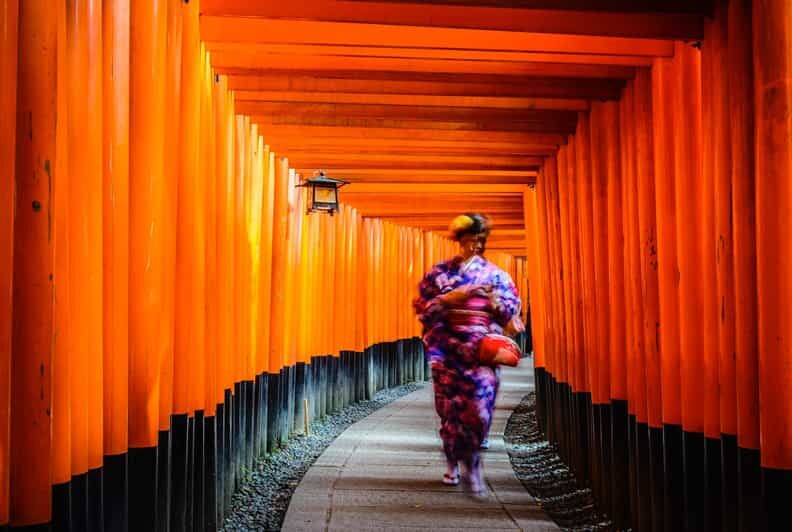
- Fushimi Inari’s torii trail, on foot: a guided walk through the iconic vermilion gates and their Shinto context
- Kiyomizu-dera power spots: stops tied to love, longevity, and academic success
- Old-street walking in Ninen-zaka and Sannenzaka: traditional merchant lanes for photos and atmosphere
- Gion with geisha and maiko facts: learn the roles and what ochaya are for, then finish right in the district
- Photo-friendly pacing: Roberto can take as many pictures as you wish, plus iPad explanations on the spot
How this 4-hour Kyoto loop stays efficient from Kyoto Station
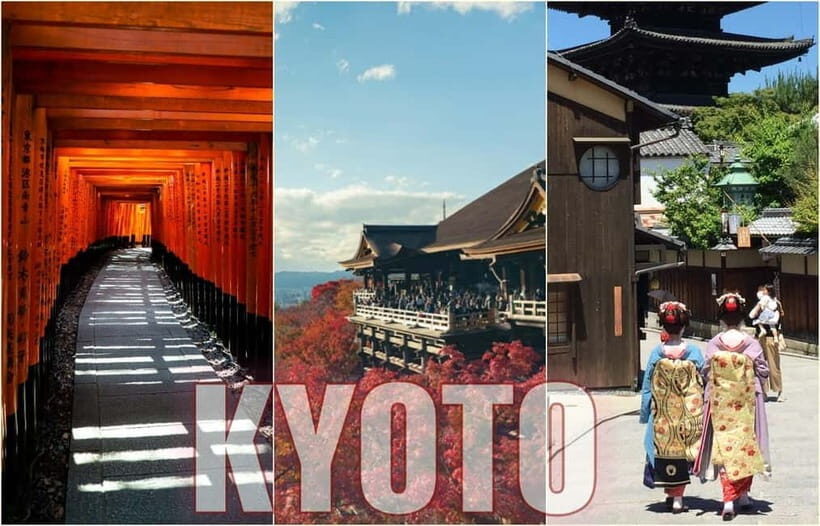
This tour is built to feel full without feeling chaotic. You start at 7-Eleven Heart-In on the JR Kyoto Station side (Kyoto Tower side exit), then you hop on public transport and walk between the big sights. The total time is about four hours, with two main temple blocks and a final stroll into Gion.
Here’s the practical structure: you’ll take a short train ride to Fushimi Inari, spend around 75 minutes there, then travel onward to Kiyomizu-dera for about 80 minutes. After that, you walk the old streets in the Ninen-zaka and Sannenzaka area, then finish with a walk into Gion. Expect a lot of steps on uneven temple paths and crowded streets near famous corners.
For value, this matters. You’re paying for a guide who helps you get meaning fast, while the route keeps you from zig-zagging across town on your own. And because it’s a private group, the pacing can be adjusted to how your day is going.
You can also read our reviews of more tours and experiences in Kyoto.


Fushimi Inari Taisha: walking the torii trail with Shinto context
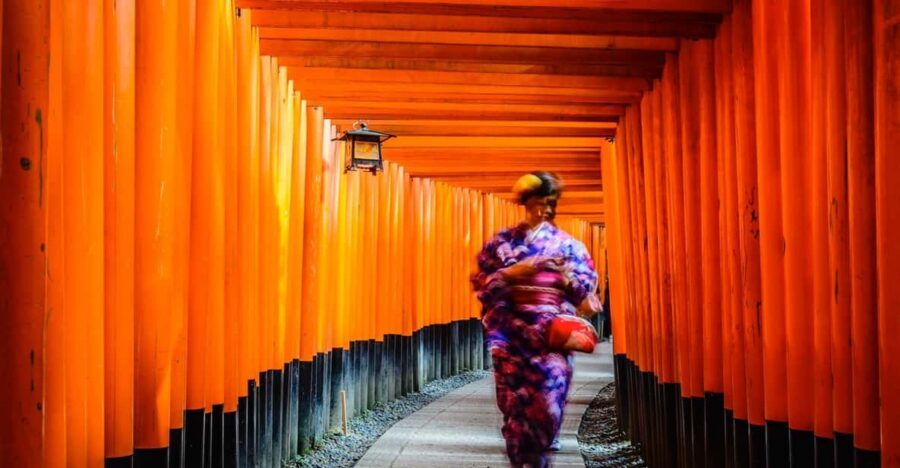
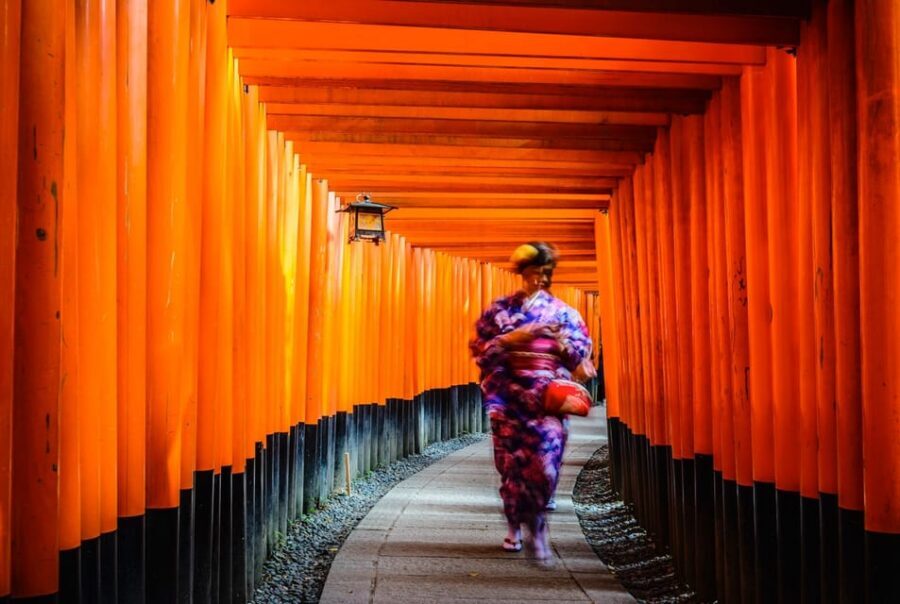
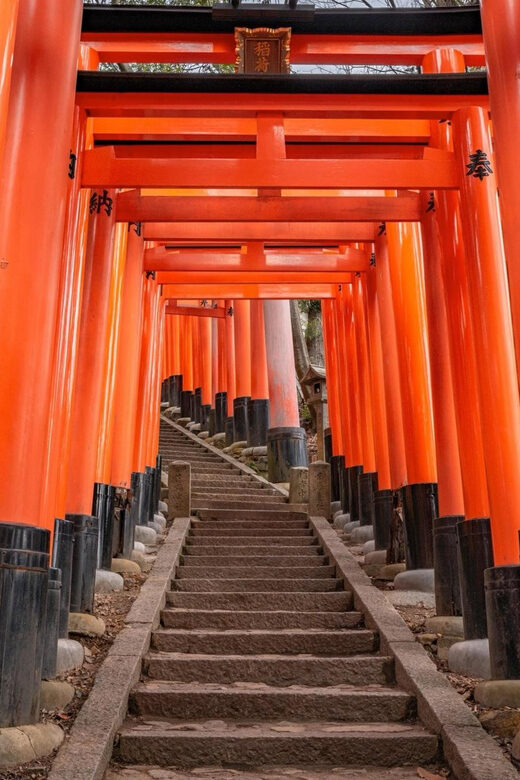
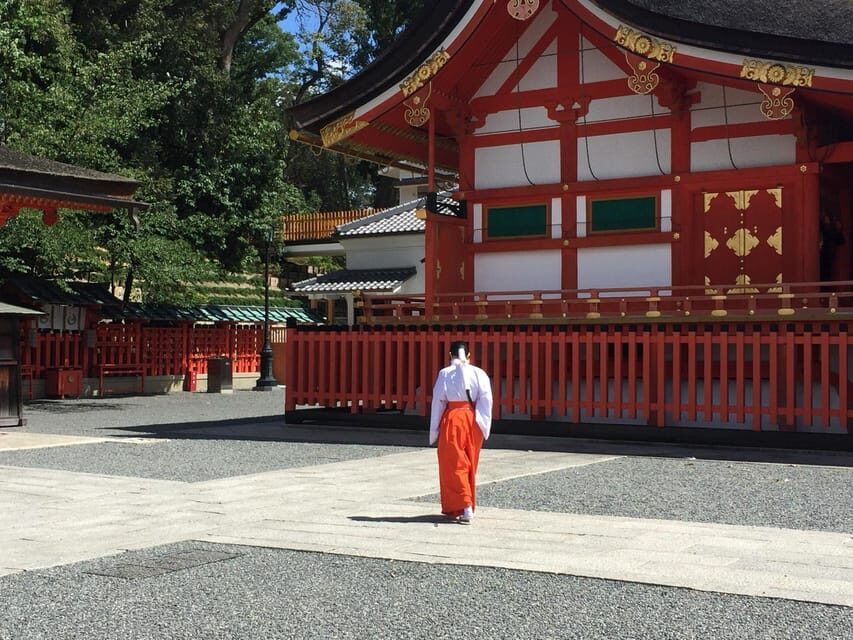
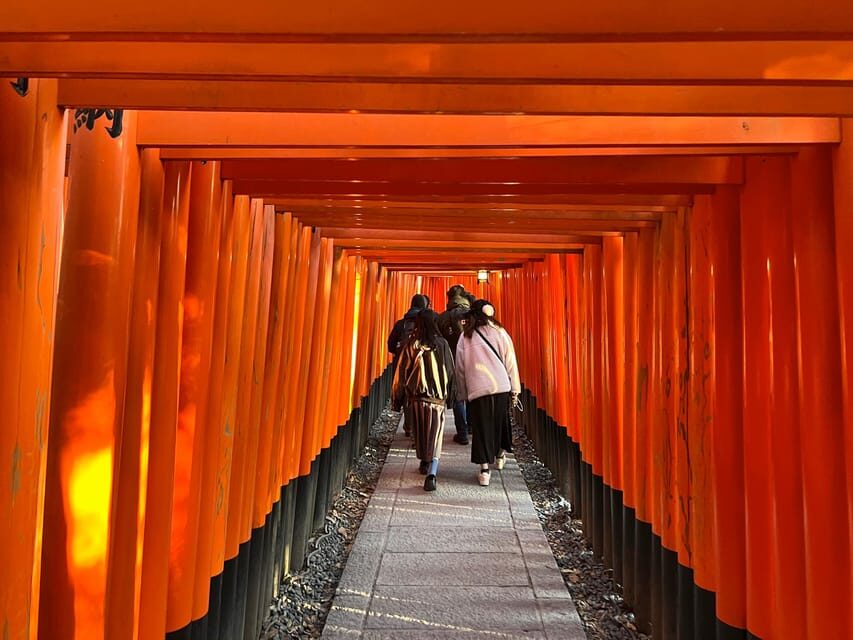
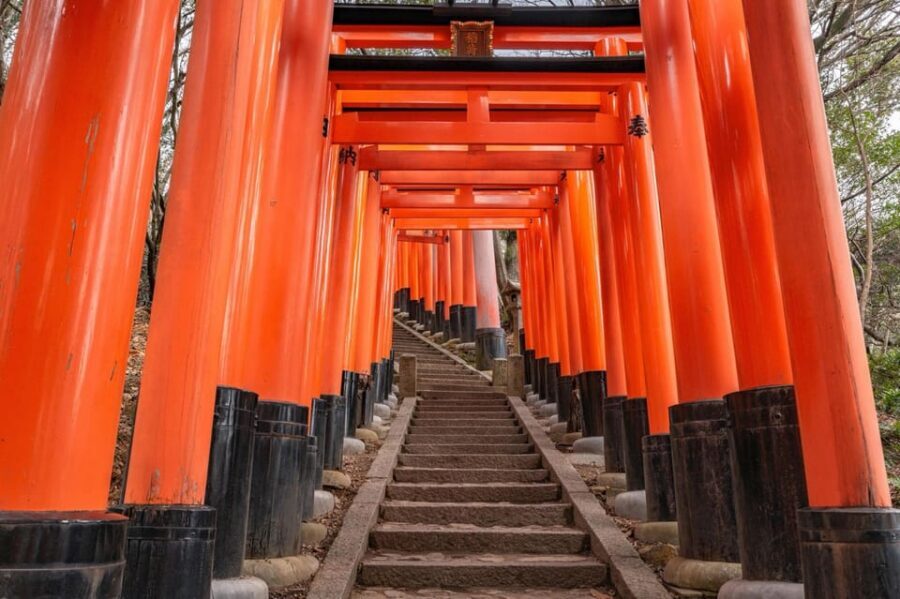
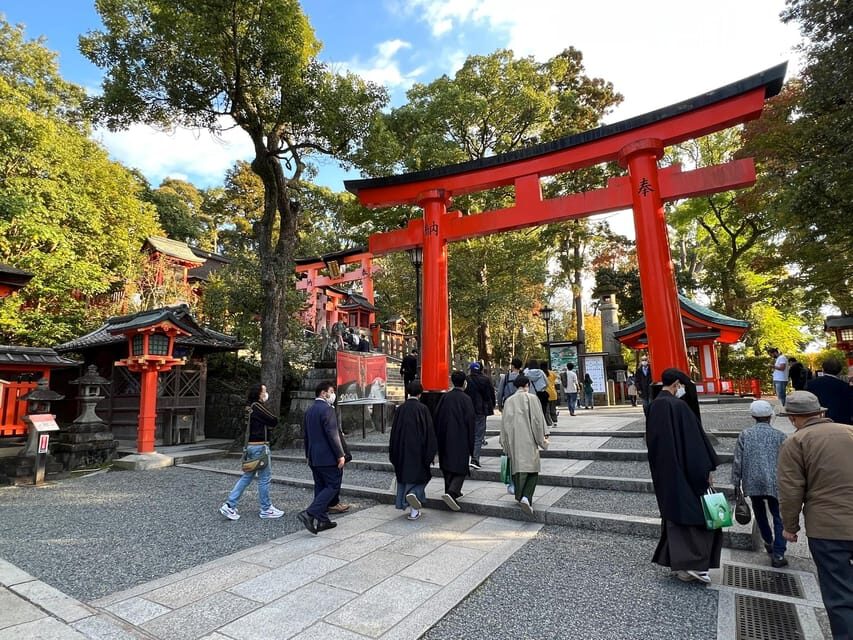
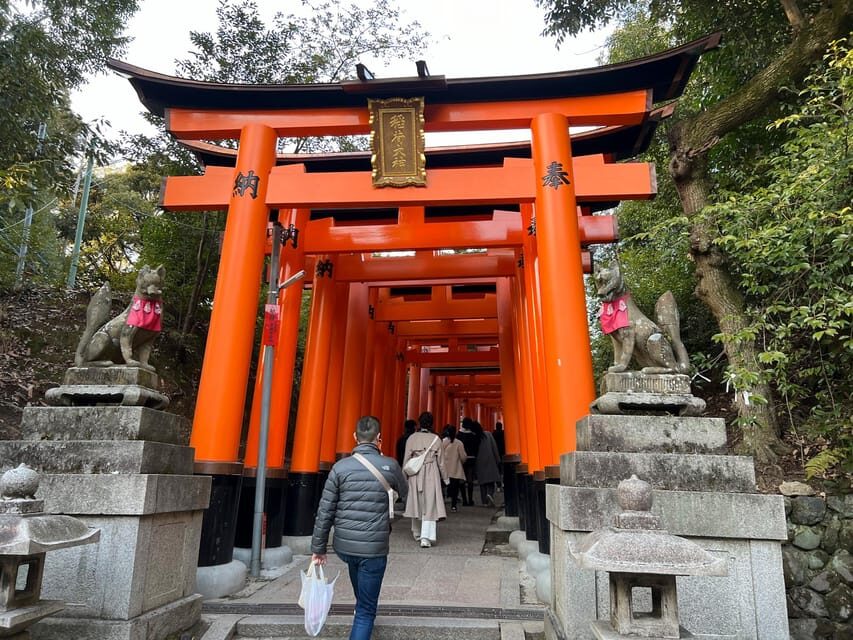
Fushimi Inari Taisha is the reason most people come to this side of Kyoto. The star feature is the trail of about 1,000 vermilion torii gates—a long, iconic walk that changes how you experience the shrine. But the guide’s role is what makes it more than just a photo line.
You’ll learn about the shrine’s ancient origins and the Shinto ideas behind it. That context changes how you notice details. Instead of viewing gates as just scenery, you start seeing how the trail functions as a religious space you move through—layer by layer—rather than a single destination you reach.
The route is walk-heavy, so I recommend treating this part like an actual walk, not a sprint. Start slower than you think you need to. Give yourself a moment to look back when the torii tunnel begins to stretch out, because that’s where the feeling really clicks. Bring water, and keep your camera accessible—Roberto can help with photos while you maintain your pace.
Kiyomizu-dera: power spots for love, longevity, and study success
If Fushimi Inari is the torii pilgrimage, Kiyomizu-dera is the meaning-and-myth stop. You’ll have about 80 minutes here with a guided visit, and the big theme is the temple’s power spots—specific places tied to deities connected with love, longevity, and academic success.
That sounds simple, but it’s actually useful on the ground. Many people see Kiyomizu-dera as an impressive complex and move on fast. With a guide, you slow down at the right points, understand why visitors gather there, and learn what the practice is about. It turns the visit from sightseeing into something more personal, even if you’re not trying to perform a ritual.
A heads-up on cost: the entrance fee to Kiyomizudera is 500 yen (about US$3.10) and isn’t included. You’ll want cash on hand for this. Also note that the tour explicitly says guide entrance fees and transportation aren’t a concern for you, but Kiyomizudera’s site fee is still your responsibility.
Ninen-zaka and Sannenzaka: old Kyoto streets that feel made for walking
After Kiyomizu-dera, you step into the old-capital atmosphere through the lanes of Ninen-zaka and Sannenzaka. You’ll walk these streets in short segments—about 10 minutes in one area and around 12 minutes in the other—enough time to get the feel without burning your legs for no reason.
The key experience here is the look and feel: traditional wooden buildings and merchant shops create a Kyoto that feels like it’s still using its old layout and rhythms. Even if you’re not shopping, these streets help you reset your day. It’s a calmer, more human-scale break between major shrine and temple highlights.
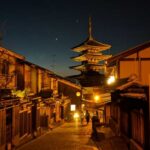
Photo-wise, this is one of your easiest wins. Street angles, signboards, and the layered sense of the hills behind the buildings give you lots of options without needing a tripod. Just keep your head up for foot traffic. These lanes can be crowded, especially around peak sightseeing hours.
Gion at the end: geisha and maiko facts plus street-level atmosphere
The tour finishes in Gion, Kyoto’s best-known geisha district. You’ll spend about 15 minutes walking here, which is enough to orient you and point you toward where you might want to wander next on your own.
Gion isn’t presented as a mystery. The guide explains the facts about geishas and maiko—including how teahouses called ochaya fit into the picture. You learn what you’re likely to see: establishments, shopfronts, and traditional machiya merchant houses that give Gion its signature character.
One practical note: because this is a neighborhood, not a theme park, you’ll want to keep your behavior thoughtful. Don’t block doorways or paths, and don’t treat people’s workplaces like a stage for aggressive photo angles. A respectful walk is part of the experience here.
When the tour ends, you’re in a smart spot. From Gion, you can grab a bus or taxi back to your hotel, so you aren’t stuck solving transport puzzles after you’ve already done your hardest walking.

Roberto’s guide approach: iPad visuals and lots of photos
A big part of why this tour gets strong ratings is how the guide communicates. Roberto is a Kyoto City Certified Tourist Guide, and he uses an iPad with images to explain what you’re looking at. That matters because temple layouts and shrine symbolism can be confusing if you only have guidebooks.
The structure is also practical: he’ll help you understand what each place means, then you can actually see it during your walking time. That reduces the mental load of trying to connect details while you’re dealing with crowds, stairs, and cameras.
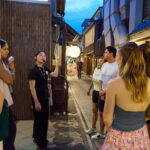
Photos are another clear advantage. Roberto can take as many pictures as you want, and he’s used to helping people get shots that don’t feel rushed. He even keeps a red card with the words RBRT (Roberto)—a small touch, but it helps you spot him fast at the meeting point.
If you prefer a guide who explains without turning the day into a lecture, this style should fit. The tour is designed to keep you moving, while still building understanding as you go.
Price and value: what $90 gets you (and what costs extra)
At $90 per person for about four hours, you’re mainly paying for a certified guide, a private-group experience, and a planned route that handles the hardest navigation. The tour includes guided time at Fushimi Inari and Kiyomizu-dera, plus the walking segments through the old streets and Gion.
What’s not included is also clear, and it’s worth planning around:
- Kiyomizudera entrance fee: 500 yen (cash helps)
- Transportation fees (since the tour uses public transit, you’ll cover those)
- Food and drinks (you’re on your own for snacks or meals)
- Entrance fees for the guide are not a separate worry, but your Kiyomizudera fee still applies
So is it good value? For most first-timers, yes—because the guide adds meaning where you’d otherwise only get landmarks. And for anyone traveling with a partner or friend, the private group format makes the experience feel less crowded and easier to personalize.
If you’re comfortable building your own route and you already know shrine basics, you might not “need” a guide. But if you want the symbols translated into plain language while you walk, this is a solid spend.
Timing, walking, and comfort: what to prepare for right now
This is a half-day tour, but it doesn’t mean “easy.” You’re doing temple paths and old streets, and the tour explicitly notes it isn’t suitable for certain people:
- People with back problems
- People with mobility impairments
- Wheelchair users
- Visually impaired people
- People over 75
- People with low level of fitness
Even if you don’t fall into those categories, assume you’ll want to move carefully. Wear comfortable shoes, bring water, and dress for the weather. The tour also says no smoking and no luggage or large bags, which is important if you’re transitioning from another day of travel.
One more small but helpful prep: bring some cash. The tour requires cash for essentials like the Kiyomizudera entrance fee, and it’s often easier than trying to find payment options in the middle of a walking route.
Practical tips for getting the best photos and the best memories
If you want this day to feel smooth and not like a checklist, here’s how I’d approach it:
- Start with comfortable shoes and keep your pace steady from Fushimi Inari onward.
- In Kiyomizu-dera, slow down at the power-spot stops so you actually absorb the meaning tied to love, longevity, and academic success.
- On Ninen-zaka and Sannenzaka, plan for short photo stops rather than one long pause in the middle of foot traffic.
- In Gion, keep it respectful and let the neighborhood set the mood. Use the guide’s orientation time to decide where you want to roam after the tour ends.
Because Roberto can take as many pictures as you want, you can spend less time juggling your camera and your location. That’s a real quality-of-life upgrade on a half-day schedule.
Should you book this Kyoto temples and Gion half-day?
Book it if you want the key Kyoto highlights packed into four hours with a guide who explains what you’re seeing. This tour is especially worth it if:
- You like understanding the why, not just the what
- You want help navigating the symbolism at Fushimi Inari and Kiyomizu-dera
- You want photo support, not just a “good luck out there” approach
- You’d enjoy ending the day in Gion with a clear sense of where to go next
Skip it (or choose another format) if mobility is an issue. With stairs, uneven paths, and lots of walking, it’s not designed for limited stamina.
If your goal is a smart, guided introduction to Kyoto’s shrines and the cultural context around geisha districts—without spending your whole day commuting—this is a strong match.
FAQ
Where does the tour meet?
It meets in front of the door of 7-Eleven at JR Kyoto Station building 1F. Use the Kyoto Tower side exit. The guide will hold an iPad and a red card that says RBRT (Roberto).
How long is the tour?
The tour lasts about 4 hours.
What’s included in the price?
You get a Kyoto City certified tourist guide, iPad explanations with images, and the option to take as many pictures as you want with the guide.
What costs extra during the tour?
Food and drinks are not included. Transportation fees are not included. The entrance fee to Kiyomizudera is 500 yen (approximately US$3.10).
What languages is the live guide available in?
The guide offers live commentary in English and Spanish.
Do we use private transportation?
No. The tour uses public transportation (city bus and train). Transportation fees are not included.
Is this tour suitable for people with mobility or vision limitations?
No. It’s not suitable for people with back problems, mobility impairments, wheelchair users, visually impaired people, people over 75, or people with low fitness level.