REVIEW · TOKYO
Tokyo : Tsukiji Fish Market Food Walking & Shrine Visit Tour
Book on GetYourGuide →Operated by Smile Vista Co.,Ltd. · Bookable on GetYourGuide
Food lines, shrines, and sea aromas in two hours. I love how this Tsukiji Outer Market walk pairs seafood tastings with a hands-on visit to a Shinto shrine, so you get both the food and the meaning behind the rituals.
The standout for me is the sequence of samples: fresh seafood sashimi, wagyu tasting, Japanese soup, and sweet fruits, plus tea and tamagoyaki. Our English guide Yuki brought energy and pointed out what to look for in each stall.
One thing to consider: there is no lunch included, and the tour is only 2 hours. If you’re ravenous, plan on eating again right after you finish back at Tsukiji Hongan-ji.
In This Review
- Key highlights you’ll feel fast
- Tsukiji in Two Hours: Food Tastings Plus Shinto Practice
- Where You Start at Tsukiji Hongan-ji (and Why It Matters)
- Outer Market First Leg: Guided Walk, Shopping, and Your First Photos
- What to watch for while you’re walking
- Namiyoke Inari Jinja: Learning the Proper Way to Pray
- A practical way to get the most out of the shrine stop
- The Fish Wharf Stop: Seeing Handling Up Close
- Consideration: be mentally ready for sensory intensity
- Back to the Outer Market: More Food, More Choices, More Time
- The Included Tastings: Sashimi, Wagyu, Fruits, Tea, Tamagoyaki, and Umami Soup
- Wagyu and umami soup are more than a flex
- Fruits and tea keep you balanced
- Price and Value: Is $90 Fair for a 2-Hour Tour?
- Small Group (Up to 6): Better Listening, Better Pace
- Timing Tips: Choosing 8:00 AM vs 10:30 AM
- Dietary Needs and Customization
- Who This Tour Fits Best (and Who Should Skip It)
- Should You Book This Tsukiji Market Food and Shrine Tour?
- FAQ
- Where do we meet for the tour?
- How long is the tour?
- What time does the tour start?
- Is this a small group tour?
- What food is included?
- Is lunch included?
- Can the tour accommodate allergies or vegan/vegetarian diets?
- Is it refundable if I cancel?
Key highlights you’ll feel fast

- Small group (up to 6) so you can actually hear your guide and move at a comfortable pace
- Full tasting mix: sashimi, wagyu, tamagoyaki, fruits, tea, and an umami-forward soup
- Namiyoke Inari Jinja worship lesson so the shrine visit isn’t just sightseeing
- Fish wharf viewing to see how the day’s catch is handled
- Dietary customization available if you tell the provider ahead of time
Tsukiji in Two Hours: Food Tastings Plus Shinto Practice
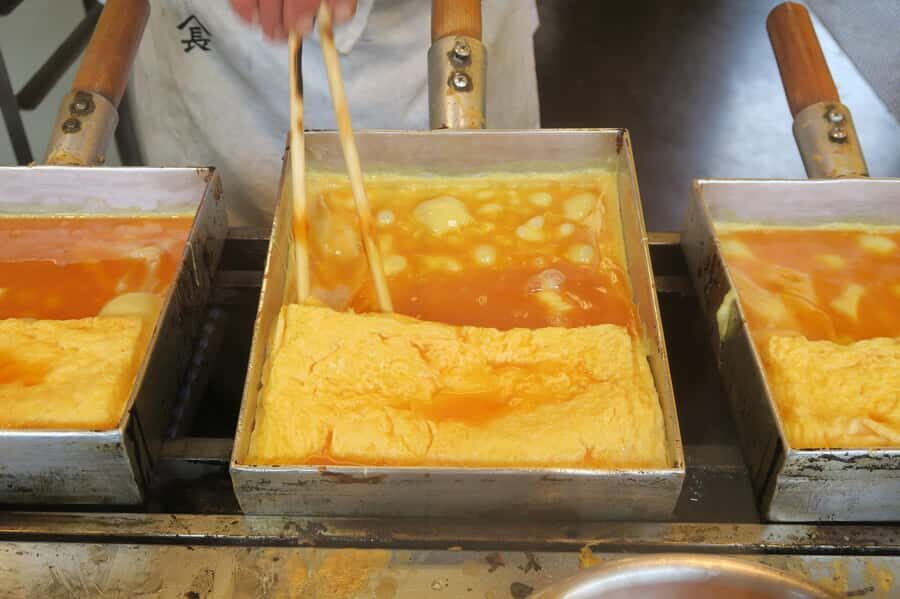
Tsukiji has a reputation for food, but this tour adds something most “snack-only” plans skip: a Shinto shrine visit that explains the proper mindset and method of worship. You’ll still get plenty to eat, but you’ll also understand why people come to places like Namiyoke Inari Jinja in the first place.
I like that the experience is built around moments, not just walking. There’s a clear rhythm: market stalls, a shrine stop, a look at the fish wharf, and then more time back in the Outer Market. That flow makes it easy to remember what you liked and go back for personal shopping afterward.
You can also read our reviews of more walking tours in Tokyo
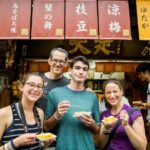

Where You Start at Tsukiji Hongan-ji (and Why It Matters)
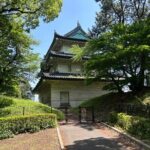
You meet in front of the main gate of Tsukiji Hongan-ji (築地本願寺), with an English-speaking interpreter/guide waiting for your group. The tour runs at two start times—8:00 AM or 10:30 AM—and you’ll be in a small group limited to 6 participants.
That small-group size isn’t just a comfort perk. It makes a difference when you’re surrounded by crowds and tight aisles, because you can keep up with the guide without constantly losing people. It also helps during the food stops, since your guide can steer you toward the tastings that fit what’s available.
Outer Market First Leg: Guided Walk, Shopping, and Your First Photos
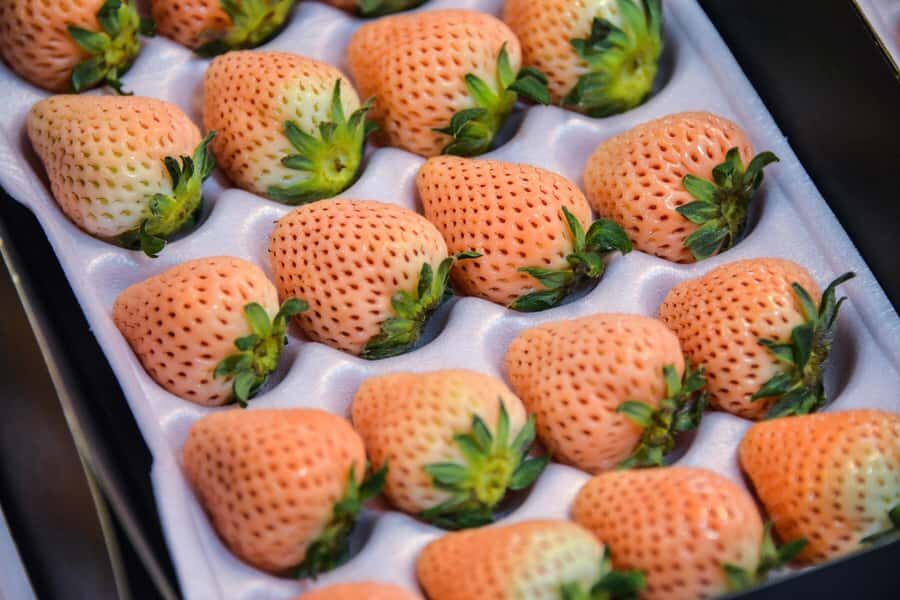
The first chunk of the tour is about 40 minutes in the Tsukiji Outer Market area. You’ll do a guided walk with a photo stop, plus time for shopping as you go.
This is where the market starts to feel like a working place, not a theme park. You’ll hear stories tied to the artisans and the market’s role as a food hub. Then you get the payoff: you’ll taste from multiple stalls, guided so you’re not stuck guessing what to order or what’s worth your time.
What to watch for while you’re walking
Even if you’re not a hardcore food nerd, you’ll benefit from slowing your brain down for a minute. Look for the cues your guide points out—how vendors present their food and how certain tastings are paired with what you’re seeing around you. In a place like Tsukiji, that kind of guidance keeps your choices grounded in what’s actually going on that morning.
Namiyoke Inari Jinja: Learning the Proper Way to Pray
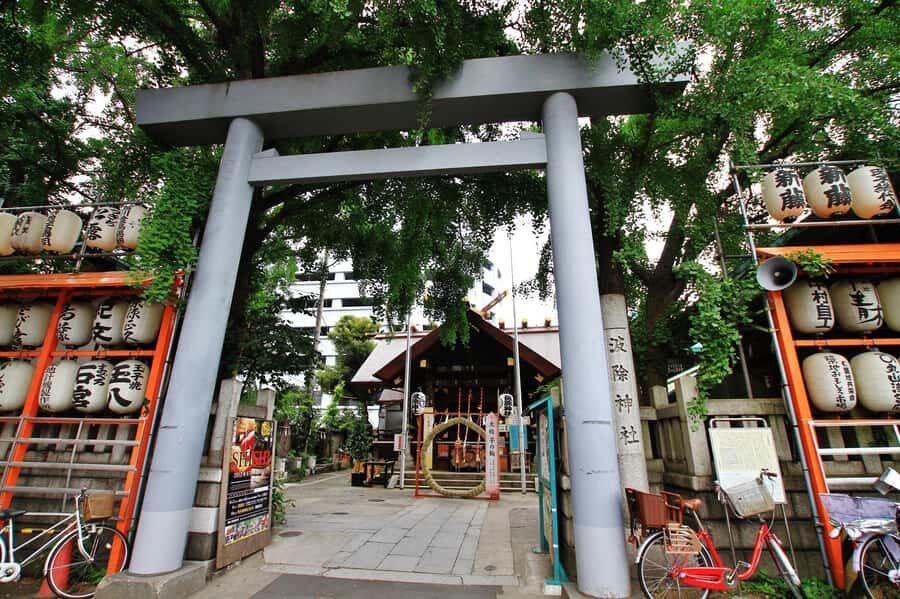
Next comes a 30-minute visit to Namiyoke Inari Jinja. This isn’t presented as a quick stop for a photo and a walk-through; you’ll learn the traditional method of worship at the shrine. You’ll also hear how the myths and traditions of Japanese culture connect to what you’re seeing.
I appreciate this part because it changes your tempo. Markets can make you rush—food is everywhere—but a shrine visit pulls you back into respectful observation. You’re not just looking at a historic building; you’re learning how locals approach prayer here.
You can also read our reviews of more food & drink experiences in Tokyo


A practical way to get the most out of the shrine stop
Come ready to follow the guide’s pace. If you’re used to sightseeing-only shrine visits, let this be different: pay attention to what the guide says about proper worship, and don’t worry about trying to do it all from memory. The point is to learn, even if you’re not fully fluent in the symbolism.
The Fish Wharf Stop: Seeing Handling Up Close
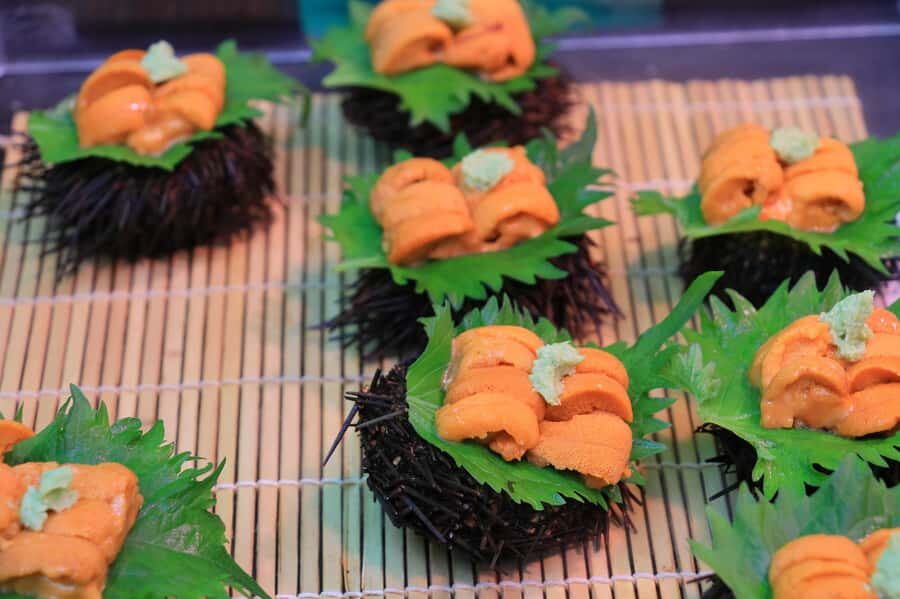
After the shrine, you head to the fish wharf to observe how the fresh catch is handled. This is the “real Tsukiji” moment for a lot of people because it shifts from eating to watching how food gets to your plate.
Even if you’re only there briefly, watching the flow of the wharf helps you connect the dots. You’ll better understand why certain foods taste the way they do and why the market culture feels so serious about freshness.
Consideration: be mentally ready for sensory intensity
Fish markets can come with strong smells and high-energy movement. The tour is only 2 hours, so you won’t spend long here—but it’s still worth wearing comfortable shoes and staying aware of your surroundings while you look.
Back to the Outer Market: More Food, More Choices, More Time
Then you return to the Outer Market for the second and final stretch, including about 50 minutes for photo stops, visits, and a food market experience. By this stage, you’ll likely spot shops you want to revisit after the tour finishes.
This is one reason I like this structure. The guide doesn’t just feed you and send you on your way. You’re tasting along the route, then you get a chance to decide what’s worth seeking out on your own. That’s how you turn a short tour into a longer memory.
The Included Tastings: Sashimi, Wagyu, Fruits, Tea, Tamagoyaki, and Umami Soup
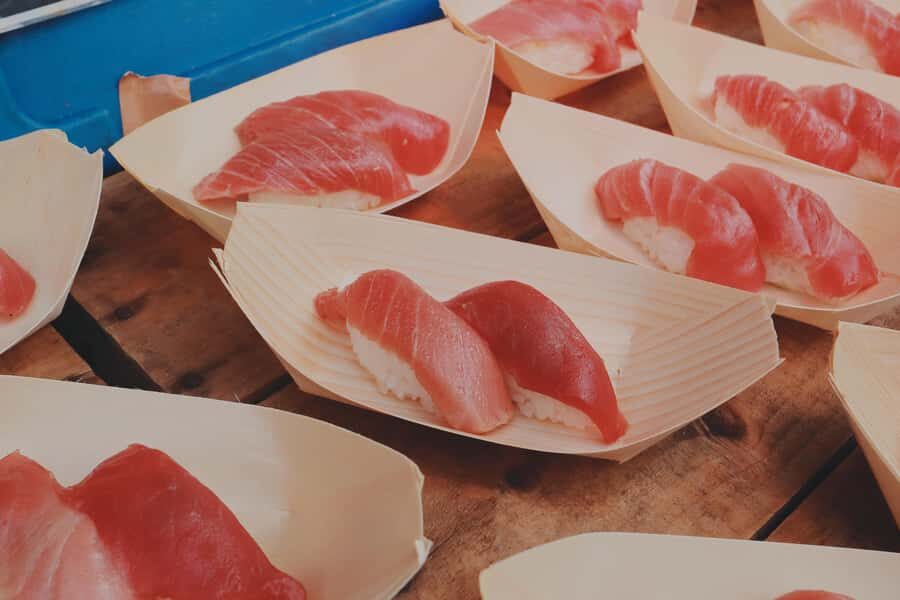
Let’s talk value, because the included food is the core reason this tour works.
You get:
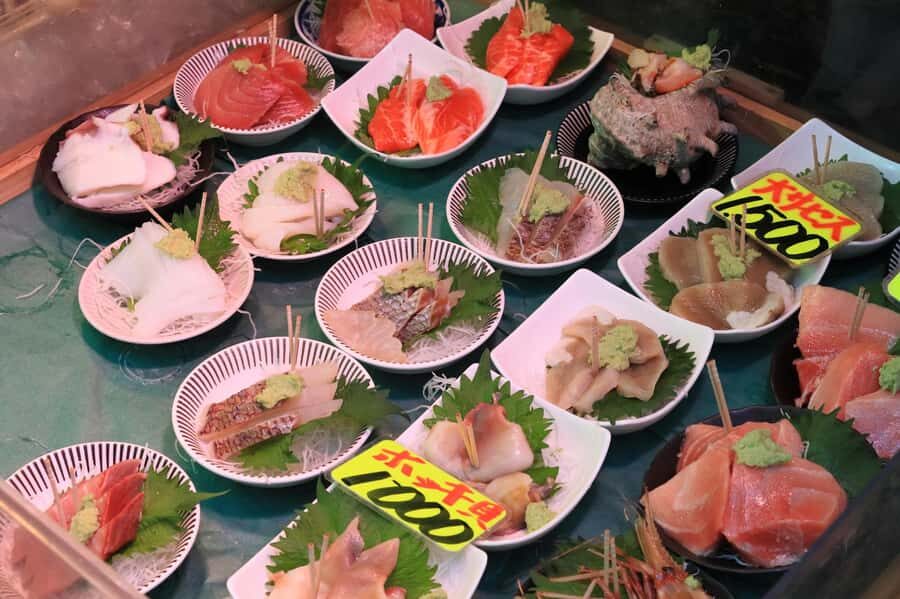
- Fresh seafood sashimi
- Japanese rich fruits
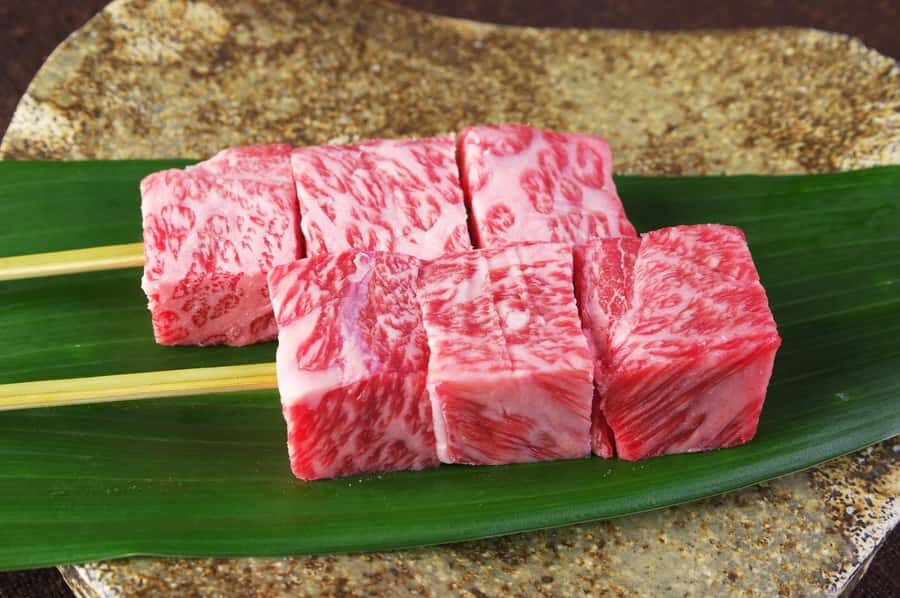
- Wagyu (premium Japanese beef) tasting
- Japanese tea
- Japanese umami soup tasting
- Tamagoyaki (Japanese rolled omelette)
In just two hours, that’s a lot of variety. If you tried to recreate it alone, you’d spend time researching menus, translating, and waiting your turn in multiple places. Here, the guide compresses all of that into a guided flow—so you get more bites and less logistical stress.
Wagyu and umami soup are more than a flex
The wagyu tasting is there for obvious reasons, but I also like that the tour pairs the experience with other flavors, like sashimi and tamagoyaki. Umami soup helps tie everything together, because it gives you a warm, savory baseline after the sea-forward tastes.
Fruits and tea keep you balanced
It’s easy to overdo seafood in one go. Adding fruit and tea makes the overall progression feel more like a meal rhythm than a snack parade. It also gives you something lighter to reset your palate between stronger flavors.
Price and Value: Is $90 Fair for a 2-Hour Tour?
At $90 per person for a 2-hour small-group tour, you’re paying for two things: time with an English guide and a packaged run of multiple tastings. For many visitors, that’s the sweet spot—short enough to fit a busy Tokyo schedule, but substantial enough to feel like a real experience.
If you price it out the hard way, you’d be buying sashimi, wagyu, tamagoyaki, fruits, tea, and soup separately—then layering in the hassle of figuring out where to go and what to order. This tour bundles that decision-making and spreads tastings across the market environment so you’re not stuck with only one type of food.
That said, if you’re the type who wants a long, independent wander with zero structure, you may feel constrained by the schedule. This plan is best for people who want guidance and want to taste several highlights without spending half the day planning.
Small Group (Up to 6): Better Listening, Better Pace
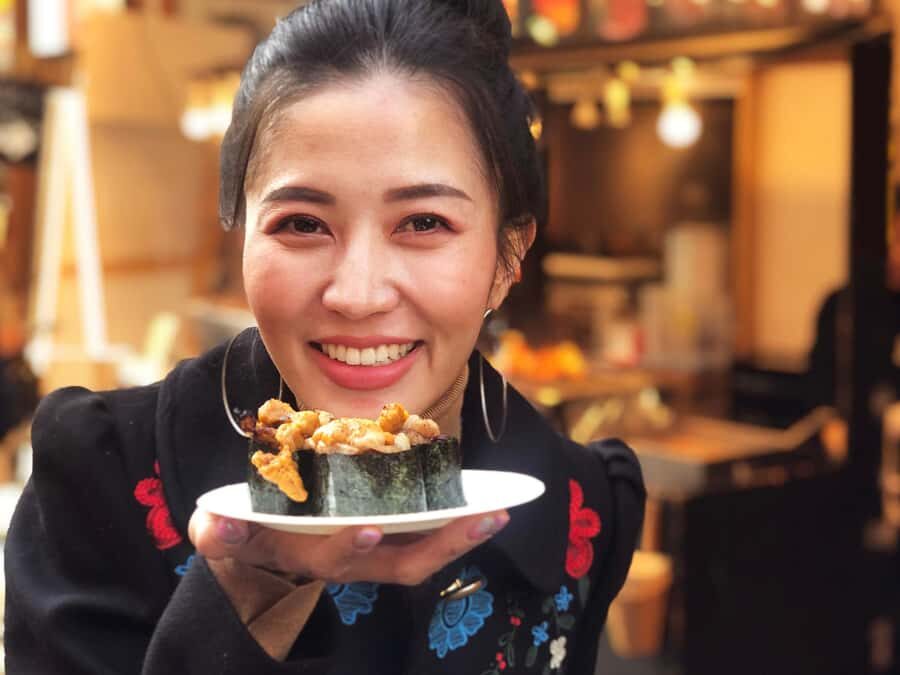
A small group limited to 6 participants is one of the underrated benefits here. In a market setting, size directly affects your experience.
With fewer people:
- You can keep your attention on food and explanations instead of trying to squeeze between groups
- The guide can steer you to tastings smoothly
- You’re less likely to feel rushed at each stop
And the English-speaking guide matters. This tour is designed so you’re not just eating—you’re learning context, like what the shrine practices mean and how the market culture functions.
Timing Tips: Choosing 8:00 AM vs 10:30 AM
The tour starts at 8:00 AM or 10:30 AM, which gives you a choice depending on your day.
If you like early starts and want the morning feel, the 8:00 AM option often fits that energy. If you want a gentler start, 10:30 AM keeps you from feeling like you’re dragging yourself through Tokyo before coffee.
Either way, remember: the tour is only 2 hours. The tastings and stops are compressed, so you’ll want to keep your expectations aligned with a short, high-impact plan.
Dietary Needs and Customization
Good news: the provider says they can customize meals for allergies, as well as vegan and vegetarian guests, as long as you inform them in advance.
That flexibility matters because seafood and dairy-based items like tamagoyaki can be tricky for some diets. If you have restrictions, don’t wait—tell them early so the tastings match your needs.
Who This Tour Fits Best (and Who Should Skip It)
This tour is ideal if you:
- Want a guided food walk through Tsukiji Outer Market rather than a solo scramble
- Care about eating several types of Japanese food in one morning
- Want more than a market photo stop and also want a Shinto worship lesson
- Prefer a small group over large group chaos
- Need English guidance to understand what you’re seeing and tasting
It may be less ideal if you:
- Want a full day of exploring and shopping without a schedule
- Are expecting an included full lunch (it’s not included)
- Prefer purely independent travel with no structured shrine component
Should You Book This Tsukiji Market Food and Shrine Tour?
If your goal is to hit the main Tsukiji highlights in a short window, with meaningful context and a solid lineup of tastings, I think this is a strong pick. The mix of seafood sashimi, wagyu tasting, tamagoyaki, fruit, tea, and umami soup makes the price feel easier to justify—especially with a guide who can keep the experience moving smoothly.
Book it if you want both sides of Tsukiji: the food culture and the shrine tradition in one compact experience. Skip it if you want an all-day free roaming plan or if you’re only interested in one food type.
If you’re aiming to get a lot done without turning Tsukiji into a stress test, this one fits that job well.
FAQ
Where do we meet for the tour?
You meet in front of the main gate of Tsukiji Hongan-ji (築地本願寺).
How long is the tour?
The tour lasts 2 hours.
What time does the tour start?
It starts at either 8:00 AM or 10:30 AM.
Is this a small group tour?
Yes. The group is limited to 6 participants.
What food is included?
Included tastings are fresh seafood sashimi, Japanese rich fruits, wagyu tasting, Japanese tea, Japanese rich soup (umami tasting), and tamagoyaki.
Is lunch included?
No, lunch is not included.
Can the tour accommodate allergies or vegan/vegetarian diets?
Yes. Meals can be customized for allergies, and for vegan and vegetarian guests if you inform the provider in advance.
Is it refundable if I cancel?
Yes. You can cancel up to 24 hours in advance for a full refund, and you may also be able to reserve now and pay later.