REVIEW · KYOTO
Kyoto: Kaiseki Reservation at Hanasaki Manjiro
Book on GetYourGuide →Operated by TakeMe Co.,Ltd. · Bookable on GetYourGuide
A meal in an old Kyoto house. I love the 120-year-old machiya townhouse setting and the seasonal kaiseki built around Kyoto vegetables. It feels special because you’re eating in a place that looks and sounds like old Higashiyama—quiet, intimate, and un-rushed. The one catch: drinks are not included beyond water, so plan on paying extra if you want sake or tea.
You’ll also like the location. Hanasaki Manjiro sits in the Higashiyama area near Kodaiji Temple, with easy walking links to Chion-in and Kiyomizu-dera. Even in peak sightseeing hours, the restaurant atmosphere stays calm, and many seatings happen in private tatami rooms with garden views.
One more consideration: since this is a reservation-only full-course menu, you’ll follow the kitchen’s seasonal plan. If you’re the type who wants to browse and pick, this may feel less flexible than other dining options.
In This Review
- Key things I’d actually notice first
- Entering a 120-year-old machiya: why the building changes the meal
- Higashiyama walking route: timing the meal with Kodaiji, Chion-in, and Kiyomizu-dera
- How the 2-hour kaiseki course actually feels: pacing, presentation, and learning
- Private tatami rooms and garden views: the calm part of the “culture meal”
- The $48 price: what you’re really paying for
- Food highlights: Kyoto vegetables, local ingredients, and standout seafood and beef
- Optional maiko or geiko performances: when to ask and what to plan for
- Who should book this kaiseki, and who might want to skip it
- Should you book Hanasaki Manjiro for Kyoto kaiseki?
- FAQ
- Where is Hanasaki Manjiro and how far is it from the main stations?
- How long does the experience last?
- What does the $48 per person price include?
- Are drinks included in the price?
- Do I need a guide during the meal?
- Can I request a maiko or geiko performance?
- Is there free cancellation?
- Is there wheelchair access?
- Is the meeting point a fixed location I should look for?
- What kind of food is served?
Key things I’d actually notice first
- 120-year-old machiya townhouse that still feels lived-in, not staged
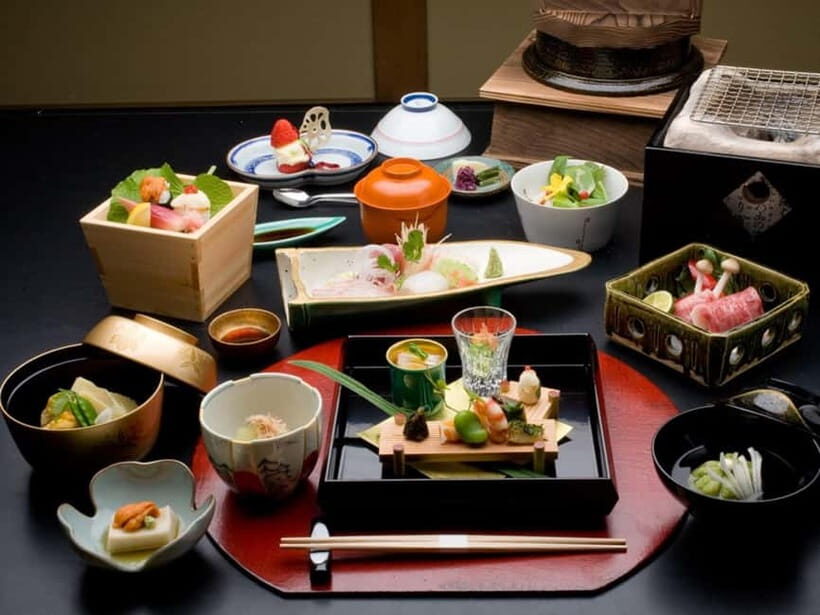
- Seasonal Kyoto kaiseki focused on local ingredients and Kyoto-style presentation
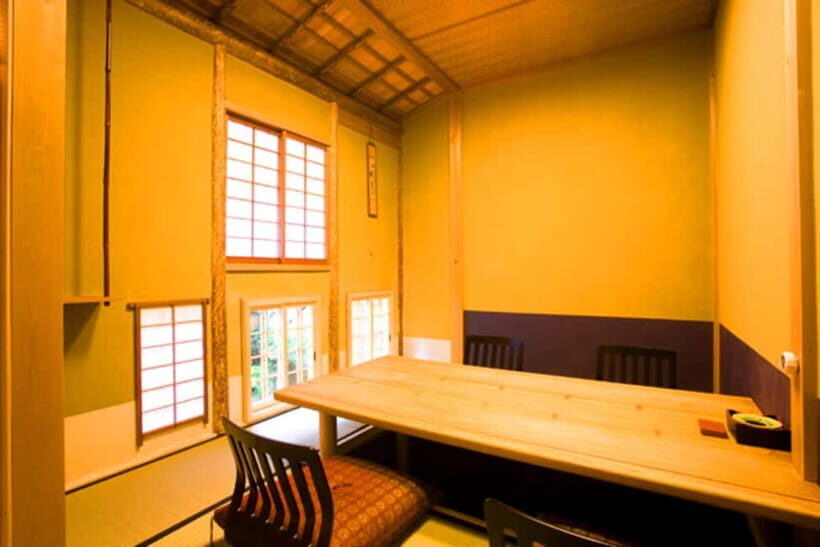
- Private tatami rooms with a garden view that keeps the meal slow and peaceful
- Higashiyama Sando location near Kodaiji, Chion-in, and Kiyomizu-dera
- Maiko or geiko performances can be arranged on request
- Value for a set menu at about $48 for a full 2-hour course meal
Entering a 120-year-old machiya: why the building changes the meal
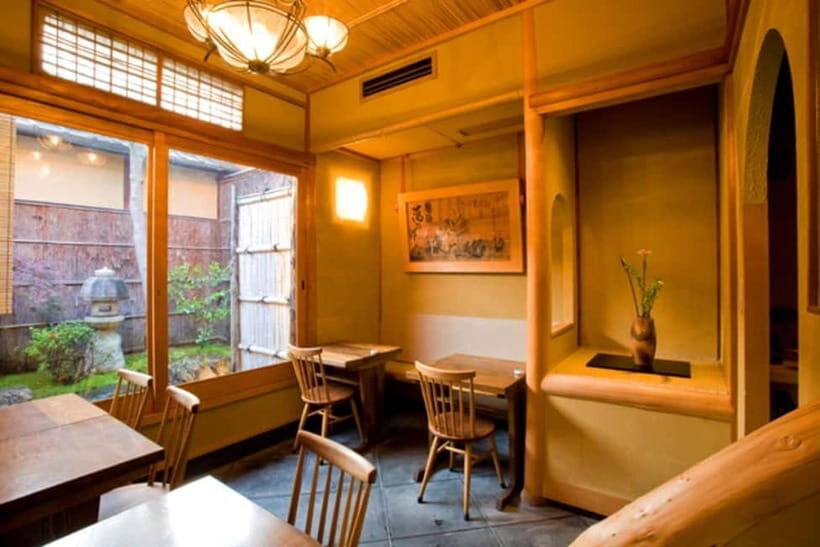
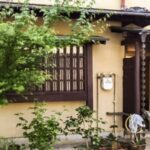
Hanasaki Manjiro is the kind of place where the setting does half the work for you. The restaurant is in a restored 120-year-old machiya townhouse, so the dining room doesn’t feel like a modern restaurant with a Kyoto theme. It feels like you’re stepping into the real rhythm of old Kyoto—wood, paper screens, and that low, calm sound level you only get when people are speaking quietly on tatami.
That matters for kaiseki. Kaiseki isn’t a loud event. It’s a sequence. It’s about temperature, texture, and presentation, and it works best when your surroundings support the pace. In a townhouse like this, you’ll likely notice how the room encourages patience. Even if you’re sightseeing earlier in the day, the second you sit down you tend to slow down.
You also get a garden view from the room. That’s not a minor detail. In Kyoto, the seasons aren’t only on the plates. They’re in the way light falls on leaves, in the way the air feels near greenery, and in how the staff times small pauses between courses. If you’re craving a break from the nonstop temple photos, this kind of dining space helps reset your day.
You can also read our reviews of more tours and experiences in Kyoto.



Higashiyama walking route: timing the meal with Kodaiji, Chion-in, and Kiyomizu-dera
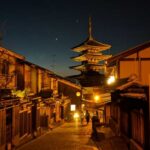
The location is practical. You’re in Higashiyama, close enough that you can tack the kaiseki meal onto a classic Kyoto sightseeing loop without needing taxis every time.
Here’s how the area works for planning:
- Near Kodaiji Temple and walking distance to the kind of sights people cluster around in Higashiyama
- You can reach the restaurant from Gion-Shijo Station (Keihan Main Line) in about 10 minutes on foot
- Or from Kawaramachi Station (Hankyu Kyoto Line) in about 15 minutes
That means you can design a smart day:
- If you want morning temples first, you can take a break mid/late afternoon and head back into Higashiyama for a slow 2-hour meal.
- If you’re doing the late-afternoon temple circuit, kaiseki can function like a wind-down plan. The townhouse setting makes it easy to switch from sightseeing mode to dining mode.
A small note: the restaurant experience is reservation-only, and you go directly to the restaurant when it’s time. There’s no extra guide-style meetup. So build in a little buffer for walking and getting oriented on the Higashiyama streets.
How the 2-hour kaiseki course actually feels: pacing, presentation, and learning
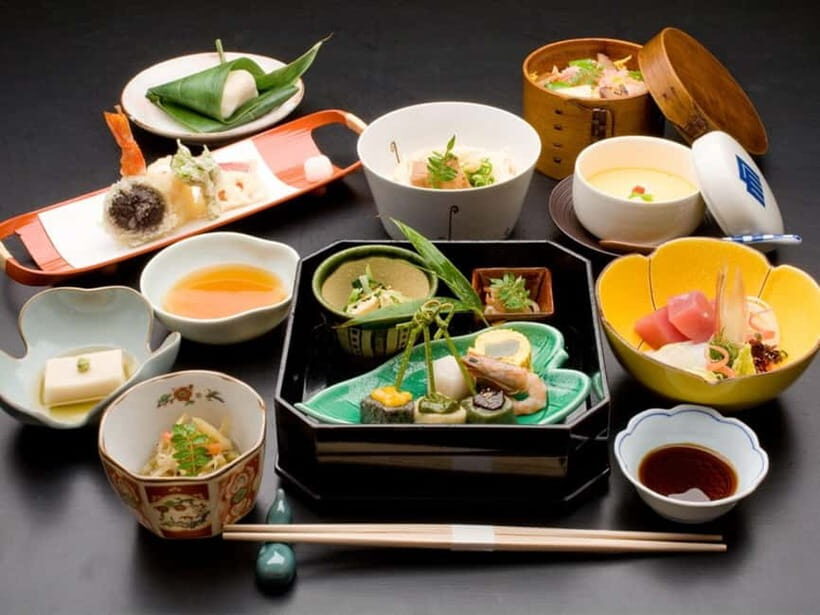
Hanasaki Manjiro is built around seasonal multi-course kaiseki. You’re not ordering a single dish and calling it dinner. You’re experiencing a full course menu over about 2 hours.
Most kaiseki meals here follow a multi-course flow that’s often described as 9 courses. Even when the exact menu changes by season, the rhythm is usually consistent: light starters that set the mood, a sequence of seasonal dishes, then richer items timed so you don’t feel slammed with heaviness all at once.
You’ll likely appreciate how the food is treated like a small work of art. The plates and garnishes are meant to look right before you eat them, and the flavors are subtle on purpose. Many of the best moments in kaiseki are the quiet ones:
- a delicate seafood bite that tastes fresh but not fishy
- a Kyoto vegetable dish that feels like it belongs in the season, not just on a menu
- a sauce or broth that tastes clean and balanced
The staff also tends to explain the dishes in a way that makes the food easier to enjoy. In one recent booking, the English support from Mihoko was singled out as excellent and patient, with answers to questions that helped connect the flavors to Japanese culture and society. Even if your Japanese is limited, plan on understanding enough to enjoy what you’re eating, not just getting passed plates.
One practical tip: kaiseki often stays light in feel, but it adds up. Some guests have been advised to come with an empty stomach, and others mention that the meal can be generous. If you’re the type who gets full fast, you might want to ask ahead if there’s a smaller option—your own appetite matters more than you think.
Private tatami rooms and garden views: the calm part of the “culture meal”
Plenty of restaurants claim atmosphere. This one leans into it with private tatami rooms and views of a tranquil garden. You don’t just eat; you settle in.
That privacy changes how the meal lands. In an open dining room, you’re always aware of other tables, noise, and constant movement. In a tatami room, the pace is calmer. Courses arrive when they’re ready, and the staff can talk through the details without rushing.
It’s also the kind of setting that works well for special moments. One of the best descriptions I read was that it felt like being in a refined, old-school Kyoto scene—almost cinematic—without being cheesy. If you’re on a date, celebrating, or you just want an evening that feels deliberately slow, this is built for that.
One more detail worth knowing: the meal is served as a full course. So you should clear your schedule before and after. If you’re trying to sprint from Kiyomizu-dera to dinner with zero time to breathe, you may feel rushed. Instead, treat it like a destination.
The $48 price: what you’re really paying for
At $48 per person, this doesn’t look like bargain-basement dining. But kaiseki pricing in Kyoto is tied to ingredients, prep time, and the fact that it’s a full course experience.
What you get for that price:
- the full course menu
- sales tax
- your reservation
What you don’t get:
- drinks (except water)
- other personal expenses
So the value depends on your priorities. If you want a multi-course meal with Kyoto ingredients, served in a restored machiya townhouse, then $48 starts to feel like it makes sense. You’re not just buying food. You’re buying time, presentation, and a setting that matches the intent of kaiseki.
If you plan to drink alcohol, keep your total budget in mind. Water is included, but if you want sake, tea upgrades, or other drinks, you’ll be paying separately.
The other value angle is convenience. The restaurant is close enough to major Higashiyama landmarks that you can plan efficiently. Less time in transit often matters more than a few dollars saved on food.




Food highlights: Kyoto vegetables, local ingredients, and standout seafood and beef
The menu is seasonal, and it specifically highlights Kyoto vegetables and local ingredients. That’s where kaiseki earns its reputation. You’re not just eating well; you’re tasting the season through Kyoto-style cooking.
From what guests describe, a few course types tend to shine:
- light, beautiful appetizers that taste delicate rather than heavy
- very fresh seafood, including shrimp that guests said was the freshest they’d ever had
- an introduction to wagyu beef for first-timers, served in a way that fits the overall course logic
The overall theme is refinement. Even when the meal includes richer items, the dishes tend to stay balanced. The flavors are layered, and the plating reinforces the point: every season has its own ingredients, and Kyoto chefs treat that like a design brief, not a marketing line.
A fun, practical thing you might like: some guests mention that they received a packed eel rice to take along. That’s not guaranteed by the basic info, but it’s the kind of detail that suggests the restaurant thinks about guests finishing their experience with something extra.
And yes, expect portion pacing. You may feel full by the end, even if the dishes start light. So go in ready.
Optional maiko or geiko performances: when to ask and what to plan for
One of the more interesting options here is that maiko or geiko performances can be arranged upon request.
If you want this, treat it as a special add-on, not part of the standard dining rhythm. Since it’s request-based, you’ll want to coordinate ahead of your reservation time so the night stays smooth.
Even without a performance, the meal already delivers plenty of Kyoto mood. But if you’re looking for a deeper cultural moment—especially for a once-in- Kyoto evening—this can turn the meal into an evening event rather than just dinner.
Who should book this kaiseki, and who might want to skip it
This is a strong match if you:
- want a calm, intimate Kyoto evening instead of another crowded meal
- like food experiences where the chef’s seasonal choices drive the menu
- want a setting that feels tied to the place, like dining in a machiya townhouse
- are celebrating something and want the meal to feel intentional
You might think twice if you:
- prefer choosing your own dishes à la carte
- expect drinks to be included beyond water
- get impatient with multi-course pacing and slow conversation
If you’re on a tight schedule, this also helps to book smartly. The restaurant is close to major sights, but it still takes about 2 hours. Don’t schedule it like a quick pit stop.
Should you book Hanasaki Manjiro for Kyoto kaiseki?
I’d book it if your trip includes Higashiyama and you want one night that feels both authentic and thoughtfully paced. The combination of a restored 120-year-old machiya, a seasonal kaiseki menu built around Kyoto ingredients, and private tatami rooms with garden views is exactly the kind of Kyoto experience that’s hard to replicate elsewhere.
If you like food, appreciate quiet, and want your meal to match the neighborhood, this is a very solid use of budget. Just go in knowing it’s a full-course plan, water is included, and drinks cost extra. If that fits your style, you’ll likely leave feeling like you didn’t just eat in Kyoto—you slowed down with it.
FAQ
Where is Hanasaki Manjiro and how far is it from the main stations?
It’s about a 10-minute walk from Gion-Shijo Station on the Keihan Main Line, and about a 15-minute walk from Kawaramachi Station on the Hankyu Kyoto Line.
How long does the experience last?
The meal experience runs for about 2 hours.
What does the $48 per person price include?
You get the full course menu, sales tax, and your reservation.
Are drinks included in the price?
Drinks are not included except for water.
Do I need a guide during the meal?
No guide is provided. The restaurant is reservation only, and you enter the restaurant directly at your time.
Can I request a maiko or geiko performance?
Yes. A maiko or geiko performance can be arranged upon request.
Is there free cancellation?
Yes. You can cancel up to 24 hours in advance for a full refund.
Is there wheelchair access?
Yes, the experience is listed as wheelchair accessible.
Is the meeting point a fixed location I should look for?
There isn’t a separate pickup point listed. You should go directly to the restaurant, which is about a 10-minute walk from Gion-Shijo Station and about a 15-minute walk from Kawaramachi Station.
What kind of food is served?
You’ll be served seasonal Kyoto kaiseki, with an emphasis on Kyoto vegetables and local ingredients.