REVIEW · TOKYO
Make Your Own Bonsai with a Professional Bonsai Artist in Tokyo
Book on Viator →Operated by Beauty of Japan · Bookable on Viator
Your hands shape living art. At Shunkaen BONSAI Museum in Tokyo, you’ll make a bonsai in a 2-hour hands-on workshop with a pro artist, with translator support so the techniques click as you work. I love the small group size (capped at six) and the calm, garden-like museum setting where even the tour parts feel restorative. One thing to plan for: if you want your bonsai shipped or transported home, those costs are not included.
This is also the kind of class where you get more than steps and tools. You’ll spend time learning the craft, touring the collection, and asking questions in a way that’s suited to a short schedule. If you’re not used to uneven paths or some walking around garden areas, wear comfortable shoes and take it slow.
In This Review
- Key Points You’ll Care About
- Shunkaen BONSAI Museum: calm gardens plus real bonsai study
- A two-hour class in Tokyo that stays hands-on (and small)
- What you’ll do: shaping and wiring basics (with guidance)
- The museum tour part: seeing styles up close while you learn
- Getting to Shunkaen: near public transit, simple meeting point
- Price and value: $78.83 for a full lesson plus museum access
- Who this bonsai workshop suits best (and who should rethink)
- Practical tips for the day
- Should you book Make Your Own Bonsai in Tokyo?
- FAQ
- How long is the bonsai-making lesson?
- What’s the group size?
- Do you get translator help during the class?
- What’s included in the price?
- What costs are not included?
- Can I take the bonsai tree home?
- Where do I meet for the workshop?
- Is this activity physically demanding?
- What if I need to cancel?
Key Points You’ll Care About
- Max 6 people means more time with the instructor and less “watching from the back”
- Professional bonsai instruction with translator help keeps the why behind the technique clear
- Shunkaen’s collection includes famous, long-lived trees you can study up close
- You’ll learn hands-on basics such as shaping and wiring (for example, juniper)
- Admission is included, so you get the museum experience, not just a workshop room
Shunkaen BONSAI Museum: calm gardens plus real bonsai study
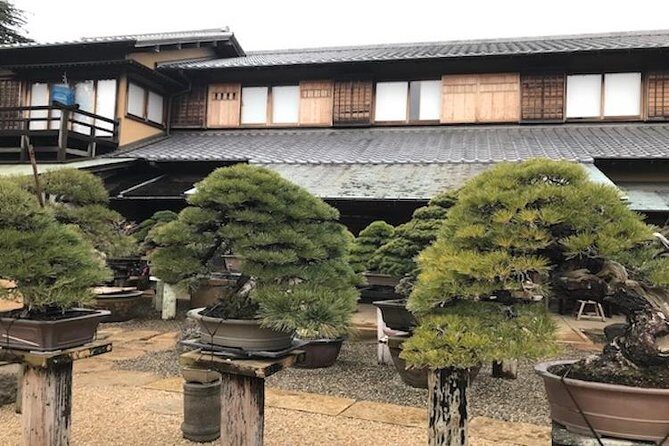
Shunkaen BONSAI Museum isn’t just a classroom. It’s a bonsai-focused space with a courtyard feel and elevated viewing areas, so you’re moving through a living exhibition while you learn. That matters, because bonsai is easier to understand when you can compare what you’re doing to finished examples around you.
The standout for me is the atmosphere: quiet, green, and unhurried. Even when the lesson is active, the museum setting keeps your brain from feeling rushed. That also helps if you’re pairing this with a busy Tokyo day. Two hours goes by fast, but it doesn’t feel like a cram session.
Another plus: you get access to an impressive range of bonsai styles and ages. Some trees in the collection are around a 1000-year mark, which shifts the way you look at the craft. Bonsai becomes less like a craft project and more like a long conversation with time.
You can also read our reviews of more tours and experiences in Tokyo.



A two-hour class in Tokyo that stays hands-on (and small)
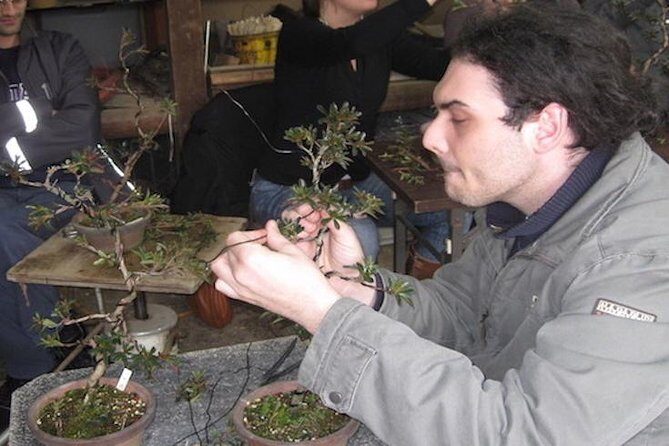
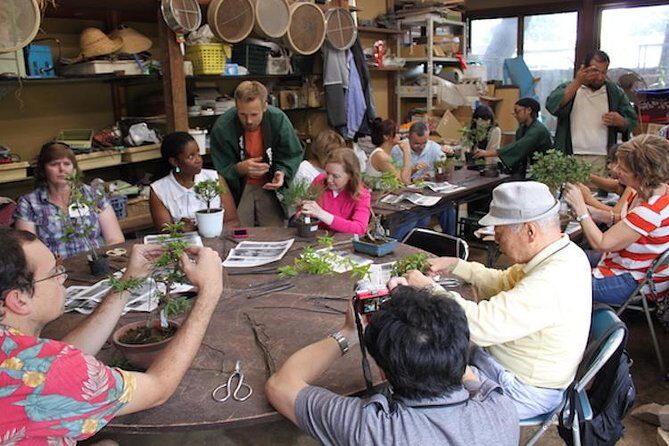
The workshop is built for people with limited time, and it shows. You’re looking at about 2 hours total, and the group cap at six keeps instruction practical. Instead of “one instructor talking, everyone waiting,” you can actually ask questions and get corrections.
The other key ingredient is the translator support. Bonsai vocabulary can be tricky, especially when terms relate to subtle horticulture choices. Having translation means you’re more likely to understand not only what to do, but also what the choice is meant to achieve—like controlling growth or guiding branch direction.
Timing is also friendly for an itinerary. It’s short enough to fit between other Tokyo plans without the whole day turning into logistics. You’ll likely want to keep this time block lighter—at least before and after—because you’ll leave with a new focus and a few care thoughts you’ll want to remember.
What you’ll do: shaping and wiring basics (with guidance)
This isn’t a “watch an expert and hope” activity. You’ll make your own bonsai as part of the lesson, guided by a bonsai master and assistants/apprentices. In practice, that means you’ll learn how to work the tree using techniques such as wiring and careful shaping.
One technique that shows up in the learning process is wiring a juniper. Even if your tree species differs, the goal is similar: guide where branches go and encourage structure that matches the style you’re aiming for. The difference here is that you’re not learning from a textbook. You’re doing it at the scale of your own little project, with someone nearby to correct your angle, tension, and placement.
You should expect patient instruction. Multiple class experiences describe instructors/apprentices taking time to answer questions and walk you through the first steps slowly. That’s a big deal for beginners, because bonsai often looks straightforward until you’re the one holding the wire and trying to make it look natural.
A practical note: you’ll finish with a better sense of how bonsai care works in real life, not just how it looks. That’s usually the most valuable takeaway: you’ll know what to watch for after today.
The museum tour part: seeing styles up close while you learn
A big part of the value is what happens alongside the making. You don’t just sit and craft; you also tour the museum collection and get context for what you’re seeing. In a bonsai museum, that’s where your learning sticks.
Here’s why: bonsai is visual language. When you’re standing near finished examples, you can connect concepts like trunk movement, branch spacing, and overall silhouette to actual trees. It’s also easier to understand why certain techniques are used when you can compare multiple styles within one visit.
You may also have moments of conversation with the staff and apprentices. Some experiences highlight friendly apprentices who share stories and answer follow-up questions, and it’s the kind of interaction that makes the museum feel personal rather than museum-y.
In a few cases, even the big name shows up. Kunio Kobayashi has been present during classes, and meeting the master (even briefly) tends to turn the day from a class into a “this matters” memory.
Getting to Shunkaen: near public transit, simple meeting point
The meeting point is at Shunkaen Bonsai Museum, 1-chōme-29-16 Niihori, Edogawa City, Tokyo 132-0001, Japan. The location is described as near public transportation, so you shouldn’t feel stuck trying to plan around a remote area.
For most people, the easiest plan is to build this into an already-transit-heavy part of your day. Once you’re in the area, taxis are also a straightforward backup. The key thing is not to over-tighten your schedule right before the start time. Tokyo transit is reliable, but your first trip to a museum like this can still take longer than you expect.
Also, because the museum includes courtyard and elevated areas, keep some buffer for walking at a gentle pace. That’s part of why the activity asks for a moderate physical fitness level.






Price and value: $78.83 for a full lesson plus museum access
At $78.83 per person, the price is easiest to judge by what you actually get for that time.
You get:
- A bonsai making lesson
- The admission ticket included (so the museum collection is part of your experience)
- Translation support, plus an assistant option depending on what you select
You do not get:
- Bonsai shipping fees
- Transportation fees
- Food and drinks
That last part is the usual “gotcha.” Bonsai can be treated like a keepsake, but shipping and transport cost money, and it’s not included. Some classes also note that you can take your tree home for a fee, so budget for that possibility if you’re thinking ahead.
Why I think the value is strong anyway: you’re paying for instructor time and museum entry in a small group setting. If you tried to DIY a similar experience without local access, you’d spend more time solving language, sourcing, and technique basics on your own.
If you’re the type who wants to come away with a living object, the class becomes even better value. You’ll also get the learning that makes that object make sense afterward.
Who this bonsai workshop suits best (and who should rethink)
This workshop is a good fit if you:
- Want a real Japanese culture experience that isn’t just sightseeing
- Like hands-on learning, especially horticulture and plant care
- Enjoy asking questions and getting feedback while you work
- Have limited time and want something that fits into a short window
It may be less ideal if you:
- Have very limited patience for slow, careful handwork
- Are expecting a long, guided walking tour where the focus stays mostly on sightseeing
- Don’t want to think about extra costs for shipping or taking your tree home
If you’re a beginner, you’ll likely be fine. The instruction is described as patient and accessible, and the small-group setup supports getting unstuck. If you’ve done crafts before but never bonsai, this is still a good entry point because the basics you learn today map to future care.
Practical tips for the day
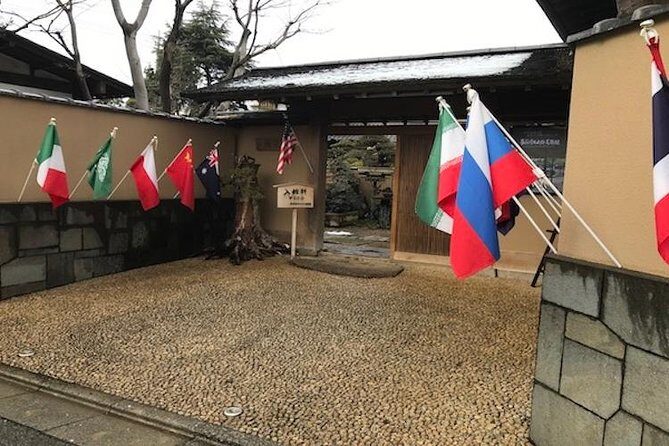
A few things help you get the most out of the workshop without turning it into a chore.
Wear shoes you don’t mind walking in. The setting includes garden paths and elevated areas, and you’ll probably want stable footing while you pay attention.
Bring a small mindset shift: think of this as learning technique, not producing a perfect final tree. Your bonsai project will reflect your actions today, but the real win is understanding the logic behind the shape and the care routine afterward.
Finally, if you want your bonsai kept for transport, ask early what the options look like and what fees apply. Shipping/transport costs are explicitly not included, and it’s better to decide before the day gets busy.
Should you book Make Your Own Bonsai in Tokyo?
Book it if you want a short, high-quality cultural experience with direct instruction and a beautiful setting. Two hours plus museum access plus small-group mentoring is a strong combo for the price, especially for first-timers.
Skip—or at least plan carefully—if you’re unwilling to handle extra costs related to taking the tree home. Also skip if you expect this to be mostly about sightseeing photos rather than learning the craft.
If you can handle some walking and you like hands-on learning, this is one of those “I’m glad I did that” Tokyo activities that gives you both knowledge and a tangible result.
FAQ
How long is the bonsai-making lesson?
The lesson lasts about 2 hours.
What’s the group size?
The experience has a maximum of 6 travelers.
Do you get translator help during the class?
Yes. The format includes tailored instruction with the help of a translator.
What’s included in the price?
The price includes the bonsai making lesson and an admission ticket to the museum (and an assistant if you select that option).
What costs are not included?
Bonsai shipping fees, transportation fees, and food and drinks are not included.
Can I take the bonsai tree home?
Shipping fees are not included, and you may be able to take your tree with you for an additional fee. Confirm the option and costs with the staff during your visit.
Where do I meet for the workshop?
You meet at Shunkaen Bonsai Museum, 1-chōme-29-16 Niihori, Edogawa City, Tokyo 132-0001, Japan.
Is this activity physically demanding?
It’s listed as suitable for people with a moderate physical fitness level, so comfortable walking shoes are a good idea given the museum grounds.
What if I need to cancel?
You can cancel for a full refund if you cancel up to 24 hours in advance of the experience’s start time.