REVIEW · OSAKA
Minoh Waterfall and nature walk through the Minoh Park
Book on Viator →Operated by ALL STAR OSAKA WALK · Bookable on Viator
Skip Osaka crowds for waterfall quiet. On a private walk in Minoh Quasi National Park, you get calm nature time close to the city, plus a 33 m Minoh Waterfall payoff and very guided storytelling from a licensed English local. I also love how the route stays manageable on mostly paved roads while still giving you real views and that cool mist at the falls. The main consideration is the walking level—this is a hike with some steep bits, so bring solid shoes and a moderate fitness mindset.
I especially like that the guide doesn’t just point things out; they help you read the place. Guides such as Hide and Ichiro (and the rest of the team) are repeatedly praised for clear explanations, steady pacing, and making questions easy. You’ll also get an included lunch, which matters here because it saves time and means you’ll likely eat somewhere you’d miss if you were figuring everything out alone.
Timing-wise, you start in the morning and get back the same way you came, which is perfect if you’re trying to balance sightseeing with actual fresh air. And if conditions line up, you might spot the wild monkeys that are known near the waterfall area, plus seasonal moments like fall-color celebrations with priests or monks doing lighting rituals.
In This Review
- Key Highlights You’ll Actually Feel
- Meeting in Umeda and Getting to Minoh
- Ryuanji Temple: Ascetic Buddhism and Mountain Worship
- Minoo Park: A Real Osaka Escape on Mostly Paved Roads
- The Minoh Waterfall Walk: Sound, Mist, and 33 Meters of Payoff
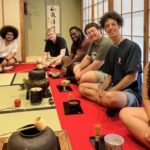
- Lunch Included: Turning a Hike Into a Full Day
- Seasonal Mood: Momiji Lighting and Temple Atmosphere
- Price and Value: Is $138.37 Worth It?
- Who Should Book This (and Who Might Hesitate)
- Back to Osaka: Same Meeting Point, Clean Finish
- Should You Book This Minoh Waterfall Tour?
- FAQ
- Is lunch included on this tour?
- How long is the Minoh Waterfall and nature walk?
- Is a pickup offered, or do I meet at a specific location?
- What level of fitness do I need?
- Are there extra costs for transportation?
- Is the waterfall admission included?
Key Highlights You’ll Actually Feel
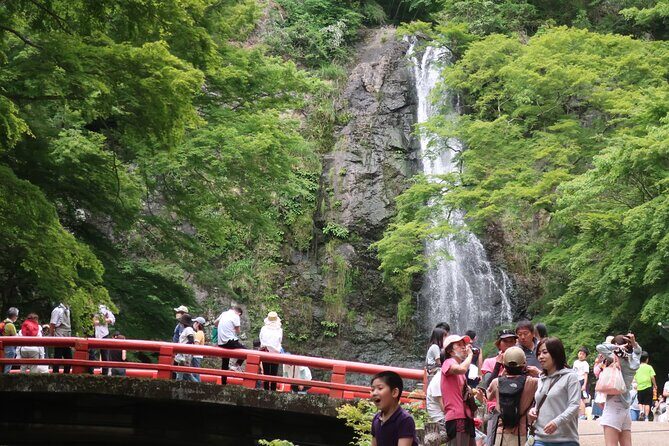
- 33 m Minoh Waterfall: big sound, cool air near the rocks, and a clear reason to make the trip
- Ryuanji Temple pass: an old ascetic Buddhist site tied to mountain worship traditions
- Private pacing: your guide keeps the walk comfortable and adjusts as you go
- Safe paved-road hiking: more stroll than scramble, even if you still need good footing
- Included lunch: a planned break in a small local setting, not a rushed snack stop
- Seasonal atmosphere: fall festivals and temple lighting can add meaning to the scenery
Meeting in Umeda and Getting to Minoh
Most people start their day at the Osaka Tourist Information Center near JR Osaka Station (central concourse in Umeda), with a 9:00 am start. The tour can also offer pickup, which is handy if your hotel is close enough to make the morning easy. Either way, the goal is the same: get you out of the city quickly, then let the day slow down.
From there, you’ll take a train into the Minoh area—one route described uses the Hankyu railway, with a stop at Minoh Station. This matters because you’re not stuck coordinating transfers on your own, and it keeps the morning focused on getting to the park while you’re still fresh.
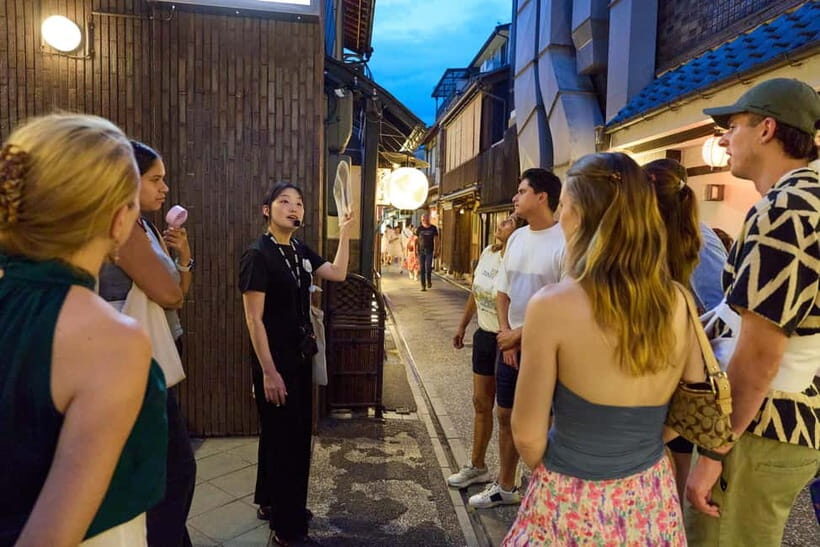
Because it’s a private tour, you’re not sharing the experience with strangers. That’s a big deal on a nature walk: you can ask questions, adjust your pace, and actually listen to what your guide is explaining.
You can also read our reviews of more walking tours in Osaka



Ryuanji Temple: Ascetic Buddhism and Mountain Worship
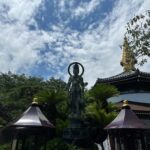
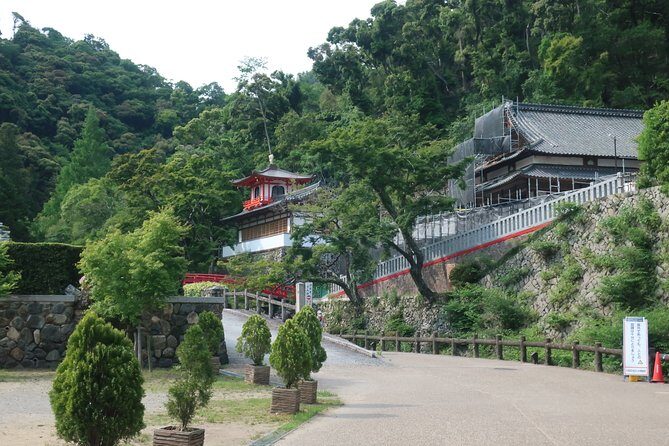
One of the first meaningful stops is Ryuanji Temple, described as the oldest ascetic Buddhist temple in Japan and also a training place connected to mountain-worship traditions. Even if temples aren’t your main interest, this stop gives you context. Minoh isn’t just a scenic walk; it’s tied to how people historically treated mountains as spiritual training grounds.
The temple pass also gives you a mental shift. Before you reach the waterfall, you’re already walking through a place where religion, nature, and discipline are connected. Your guide can help connect the dots, including why certain paths and viewpoints feel the way they do.
A small consideration: since the overall day involves hiking up toward the falls, you’ll want to treat the temple area as a short breather, not a long sightseeing marathon. Think of it as a meaningful waypoint that sets the mood for the hike.
Minoo Park: A Real Osaka Escape on Mostly Paved Roads
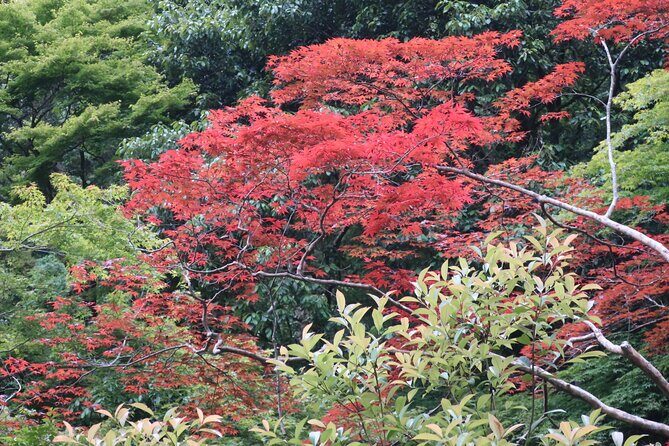
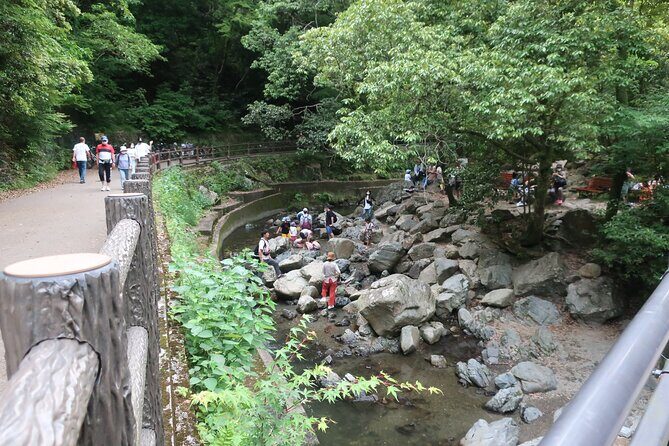
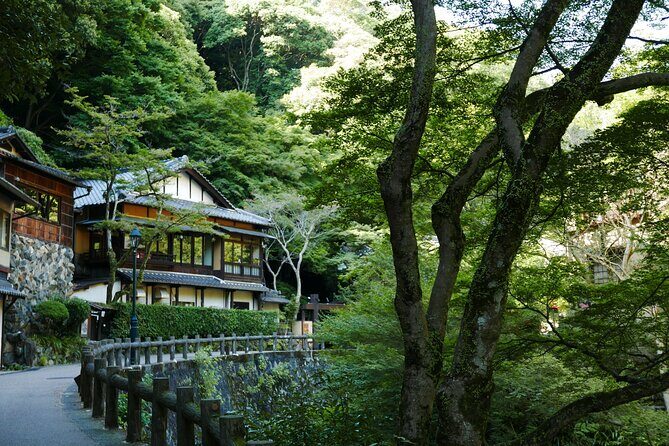
After Ryuanji, you move into Minoo Park, which is known as an oasis for Osaka citizens—close enough for easy day trips, but wild enough to feel like a different world. The park is also associated with hot springs, so you may notice that the area is used by locals for recovery and outdoor time, not only for tourists.
Here’s the practical part I’m glad about: the hiking is described as going along safe paved roads. That doesn’t mean it’s flat. It still takes effort, but it tends to be more walkable than the rugged, off-trail style of hiking. For most visitors, that makes the day feel doable without turning into a full fitness test.
If you’re visiting Osaka and already did the big city hits, this section is where you feel the value. You’re trading crowds and loud streets for a route that’s made for an unhurried nature day. And because it’s guided, you don’t have to stress about which turn makes sense—you just keep moving, breathing, and looking up.
The Minoh Waterfall Walk: Sound, Mist, and 33 Meters of Payoff
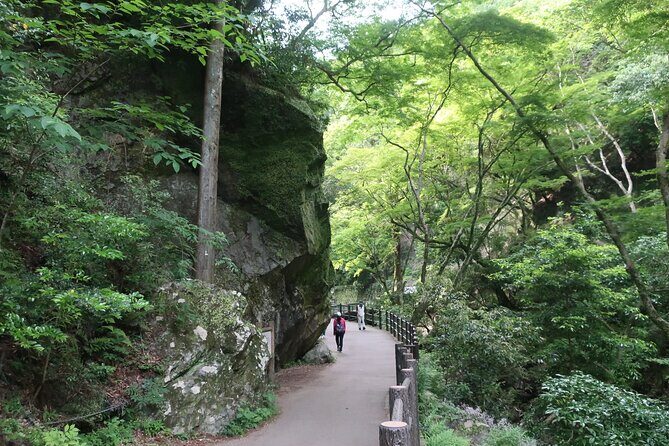
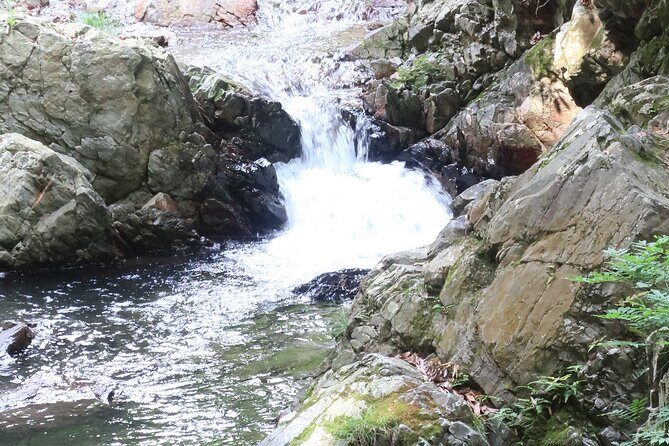
Eventually, the day centers on the Waterfall of Mino (Minoh Falls). The headline detail is the height: it’s listed as 33 meters tall. When you reach the falls, the experience is less about a photo moment and more about the sensory reset—listening to water hit rocks and splashing, then feeling that cool misty air around the viewpoint area.
The waterfall stop itself is planned at about 30 minutes, and that timing feels about right. It gives you enough time to stand, watch the flow, and enjoy the sound without rushing. It also helps you stay on schedule so you still have energy for the rest of the walk and the meal.
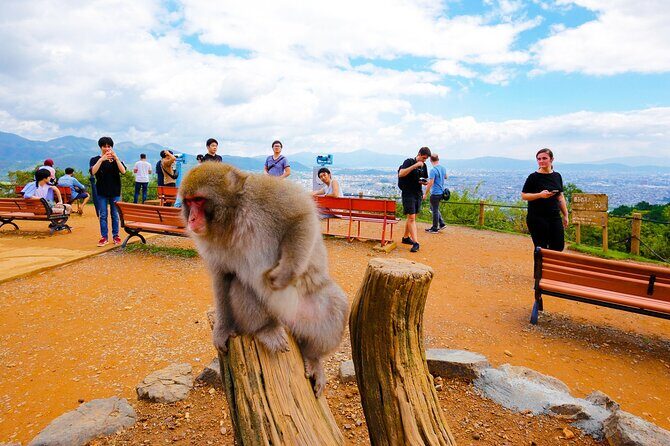
One more thing worth knowing: the park is known for wild monkeys near the waterfall. You can’t plan on spotting them, but it’s a good reminder to keep an eye out and stay respectful of the animals. They’re part of the place, and your guide will usually know when sightings are more likely.
If you’re sensitive to slippery rock around waterfalls, keep your footing slow. Steep climbs are mentioned as part of the route, even if walking is generally manageable. Good shoes make a huge difference here.
Lunch Included: Turning a Hike Into a Full Day
This tour includes lunch, and in this kind of half-day nature trip, that’s a big value add. If you go unsupported, you often lose time searching for a place or end up with something convenient but not very local. With lunch planned into the flow, you get a proper break while the day is still enjoyable rather than draining.
The included meal is described as a local Japanese lunch, and people consistently call it delicious. My takeaway from that kind of feedback is simple: it’s not a boxed, afterthought stop. It’s part of the experience design, meaning you’ll likely eat somewhere that fits the day and doesn’t force you to burn your remaining energy on logistics.
Practical tip: treat lunch as your recharge. You’ll likely still have walking time after, so don’t go too heavy if you’re worried about legs later.



Seasonal Mood: Momiji Lighting and Temple Atmosphere
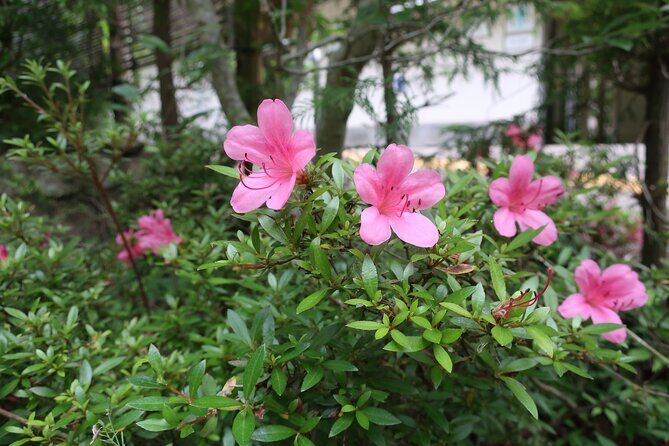
One of the most memorable extras tied to this area is seasonal atmosphere. In at least one highlight, there was mention of a celebration involving priests or monks lighting—noted alongside a Momiji Festival-style reference. Even when a specific event doesn’t match perfectly to what you’re hoping for, the key idea is that the park and temple environment can feel ritual-rich during certain times of year.
This is also where the guide earns their keep. A good local guide helps you notice what’s going on around you—whether it’s the timing, the meaning, or why something looks the way it does at that moment. Guides like Hide are praised for explaining everything imaginable, which makes the day feel richer without adding any stress.
So if you’re planning your trip in fall, especially, consider leaning into this day. When the weather and schedule line up, it can turn a waterfall outing into a more story-driven experience.
Price and Value: Is $138.37 Worth It?
The price is $138.37 per person for a private experience that runs about 4 to 5 hours. On paper, that’s not cheap—until you look at what’s included and what’s extra.
What you get:
- A private tour just for your group
- A national licensed English-speaking local guide
- Lunch included
- Mobile ticket included (helpful for day-of simplicity)
What’s not included:
- Transportation fees: listed as about 1,000 yen for adults and 600 yen for children
- Insurance
Here’s how I think about value for this specific kind of outing. If you went on your own, you’d still have to manage train timing, route navigation, where to eat, and what to pay attention to once you’re in the park. Paying for a guide is basically paying for time saved and context gained.
Private tours also protect your day. A shared group can be fine, but on a hike, people’s walking speeds can turn “nature time” into “stop-and-wait time.” With a private guide, that usually feels smoother and more personal.
If you’re traveling as a duo or small group and want an outdoor day without turning it into a navigation puzzle, this price starts to look more reasonable fast.
Who Should Book This (and Who Might Hesitate)
This tour fits best if you want:
- Nature and temple culture in the same morning-to-afternoon window
- A guided pace that keeps you moving without rushing
- A planned lunch so you don’t burn time eating
- A day away from Osaka’s core sightseeing pressure
It may be less ideal if you:
- Want an ultra-light walk with no steep sections
- Are hoping for a totally car-free, no-hassle nature day without any uphill effort
- Need a fully flat, stroller-style route (moderate fitness is recommended)
The good news is that multiple guide-led experiences describe the walk as easy to manage at a steady pace, even for older travelers, as long as you’re reasonably fit. Think of it like a brisk nature stroll with some climbs, not a technical trek.
Back to Osaka: Same Meeting Point, Clean Finish
The tour ends back at the starting point, the same Osaka Tourist Information Center area in Umeda. That makes it easier to plan the rest of your day—especially if you’re lining up dinner near your hotel or catching another train without wondering how your return timing will work.
And because you’re doing this as a single planned outing, you can treat it like your nature reset. After a few hours in Minoh, Osaka feels different when you roll back in.
Should You Book This Minoh Waterfall Tour?
I’d book it if you want a close-to-Osaka day trip that still feels like it belongs to the countryside. The combination of Ryuanji Temple context, mostly paved hiking, and the big sensory payoff at Minoh Falls is exactly the kind of “worth it” day that doesn’t require hours of planning.
I’d hesitate only if you’re dealing with mobility limits or you’re chasing an extremely gentle, no-climb walk. The route includes steep climbing parts, even if the overall setup is designed to be manageable with good shoes.
If you’re the type who likes hearing stories while walking—especially when the setting is a real nature park—this is a strong match. And if you’re traveling with someone who prefers guided structure over map-reading, the private format makes the day feel smoother from start to finish.
FAQ
Is lunch included on this tour?
Yes. Lunch is included in the tour price, and it’s described as a local Japanese lunch.
How long is the Minoh Waterfall and nature walk?
The duration is listed as about 4 to 5 hours.
Is a pickup offered, or do I meet at a specific location?
Pickup is offered. If you’re not using pickup, the meeting point is the Osaka Tourist Information Center near JR Osaka Station (central concourse), with a 9:00 am start.
What level of fitness do I need?
The tour notes a moderate physical fitness level is recommended. The walk is described as not too strenuous overall, but it does include steep climb sections.
Are there extra costs for transportation?
Yes. Transportation fees are not included, and are listed as about 1,000 yen for adults and 600 yen per child per person.
Is the waterfall admission included?
The waterfall admission ticket is listed as free.