REVIEW · HIROSHIMA
Mitaki Peace Tour Beyond Central Hiroshima
Book on Viator →Operated by 株式会社成研 · Bookable on Viator
Peace lessons hide in plain sight. This small-group Hiroshima tour pairs the heavy truths of Peace Memorial Park with the calm mountainside atmosphere of Mitaki-dera, a temple founded in 809. You get context first, then you walk and slow down where locals have returned for centuries.
I especially like how the timing is practical: you start in central Hiroshima at the Rest House area, then move by public transport to the Mitaki hillside. I also like that the guided explanations connect what you see in Peace Memorial Park to what stands within the temple grounds—pagoda, bell hall, stone statues, and preserved atomic-bombed structures.
One consideration: this is not a stroll for everyone. The route includes walking segments and a mountain-temple approach, so it’s not recommended for those with walking difficulties.
In This Review
- Key highlights to know before you go
- A 1:00 pm plan that links Peace Park to Mitaki-dera
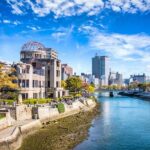
- Peace Memorial Park introduction: Rest House and Atomic Bomb Dome
- The local bus jump to Mitaki: why the ride helps
- Arriving at Mitaki-dera: wooded calm, old structures, and peace memorial meaning
- The seven Mitaki experiences: small activities and easy walking
- The return to central Hiroshima by train (and where you can get off)
- Price and value: what $88.68 really covers
- Who this Mitaki Peace Tour is best for
- What to bring for comfort (so the experience feels easy)
- Should you book this tour?
- FAQ
- How long is the Mitaki Peace Tour Beyond Central Hiroshima?
- What’s included in the tour price?
- Do I need to pay for Peace Memorial Park sites?
- Where does the tour start and end?
- Is the tour suitable if I have walking difficulties?
- What happens if the weather is bad?
Key highlights to know before you go
- Peace Memorial Park context first: Rest House and Atomic Bomb Dome, with the hypocenter included if time allows
- A real change of scenery: from city memorial sites to a wooded temple area that feels far quieter
- Mitaki-dera admission is included: so you can focus on the experience, not ticket math
- Small group size (max 6): helps keep the pace gentle on narrower paths
- Photo-friendly stops: without turning the day into a photo contest
- A thoughtful keepsake: a postcard with a recycled paper crane and a stamp
A 1:00 pm plan that links Peace Park to Mitaki-dera
This tour runs about 3 hours 25 minutes to 4 hours and starts at 1:00 pm at the Fuel Kaikan Rest House meeting point in Hiroshima Peace Memorial Park. It’s a good slot for daytime energy: you get the big memorial sites early enough to avoid late-afternoon rush, then you still have daylight for the temple approach.
The real value is how the day is structured. You’re not just hopping between landmarks. You move from the atomic-bomb narrative in the city to the spiritual and memorial space at Mitaki, where the setting itself changes how you process the information.
The group is capped at 6 people, which matters more than you’d think at a hillside temple. Paths are limited, and that smaller number makes the walks feel more like a shared quiet circuit than a crowded marching route.
You can also read our reviews of more tours and experiences in Hiroshima.
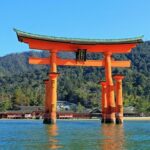
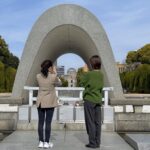

Peace Memorial Park introduction: Rest House and Atomic Bomb Dome
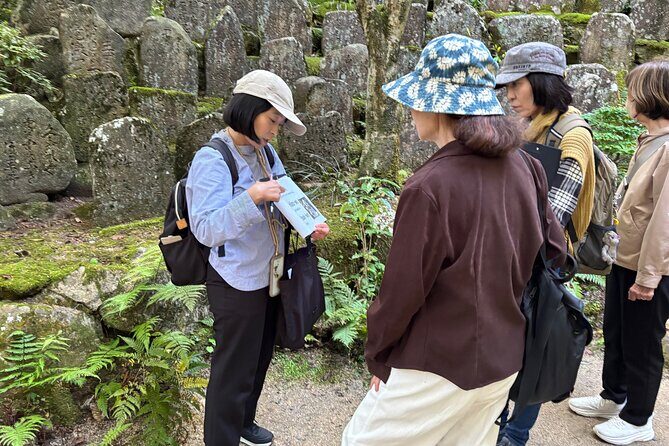
You begin at the Rest House area, right by the heart of Peace Memorial Park. From there, your guide brings you to major sites while explaining what you’re seeing, so the stops don’t feel like disconnected photos.
A couple of specific highlights are built into this portion:
- Rest House (building damaged by the atomic bomb)
- Atomic Bomb Dome
And if timing allows, the tour may also include the hypocenter.
This first section works because it sets expectations. If you go straight to Mitaki without this context, you might understand the temple as a quiet spot. With the Peace Park introduction, the temple becomes a place where memory has a geography—city to mountain, destruction to remembrance, today to then.
Practical tip: this part is guided, but it still involves walking on memorial grounds. Wear shoes you’re comfortable in and plan on taking your time when your guide pauses for explanation.
The local bus jump to Mitaki: why the ride helps
After the Peace Memorial Park walk, you take a local bus from the Atomic Bomb Dome area to the Mitaki area. That transfer is more than logistics. It gives you a small mental reset between two kinds of places: loud-in-history city memorial sites and a quieter mountainside temple environment.
The tour then includes a short on-foot approach. Once you get off the bus, you’ll walk to Mitaki-dera at a relaxed pace, with a walk of about 10 minutes and a few points of interest along the way.
I like this pacing because it prevents the day from feeling like a single long blur of movement. It’s also where you start seeing how the tour is designed for reflection rather than speed.
If you’re sensitive to heat or humidity, keep in mind that the walk is short but still outdoors. Bring water.
Arriving at Mitaki-dera: wooded calm, old structures, and peace memorial meaning
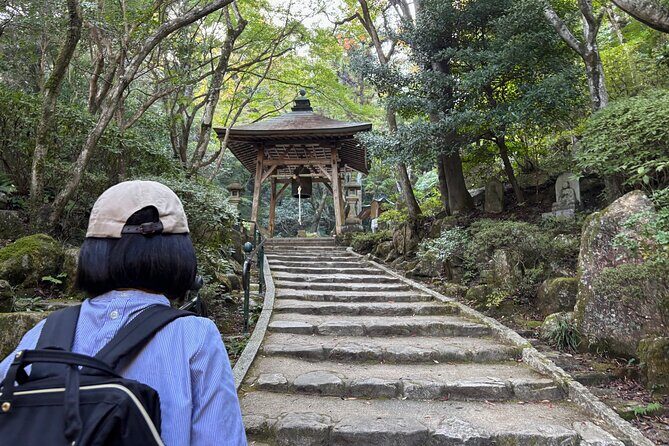
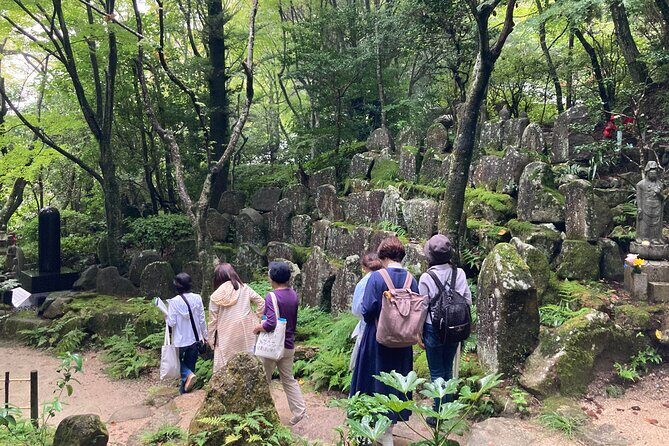
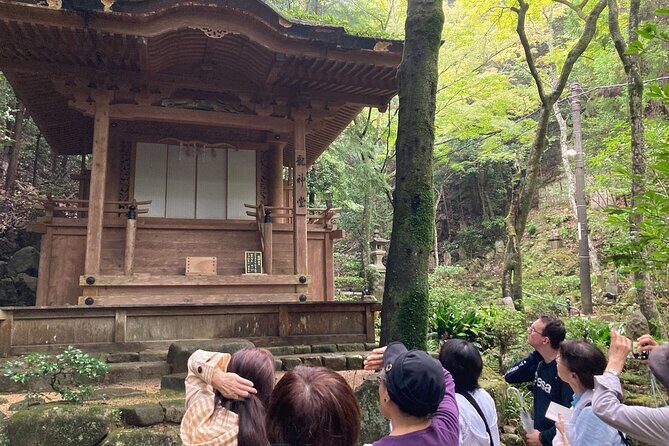
At Mitaki-dera, admission is included, and the guide leads you through the temple grounds in a calm, wooded setting. You’re walking through a place that’s both spiritual and memorial, and the tour aims to show you how those roles overlap in Hiroshima.
What you should expect to see includes the big visual anchors:
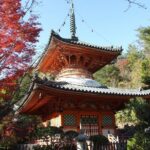
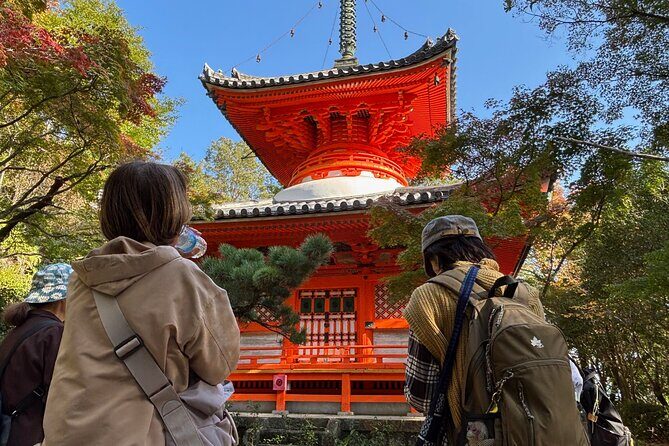
- A striking pagoda
- A bell hall
- Many stone Buddhist statues
- Monuments related to peace and remembrance
- Preserved atomic-bombed structures within the temple area
The tour also connects these elements to the broader historical context of Hiroshima after the atomic bombing. That connection is one of the main reasons this tour works well. Without guidance, Mitaki can look like a scenic temple tucked into the city’s mountain edge. With the guided storytelling, it becomes harder to treat as just scenery.
One of the strongest themes from the experience is how believable the setting feels. You’re in Hiroshima, but Mitaki’s atmosphere can make you forget you’re near major urban areas. The guides use that contrast carefully, which is a gentle way to shift your perspective.
The seven Mitaki experiences: small activities and easy walking
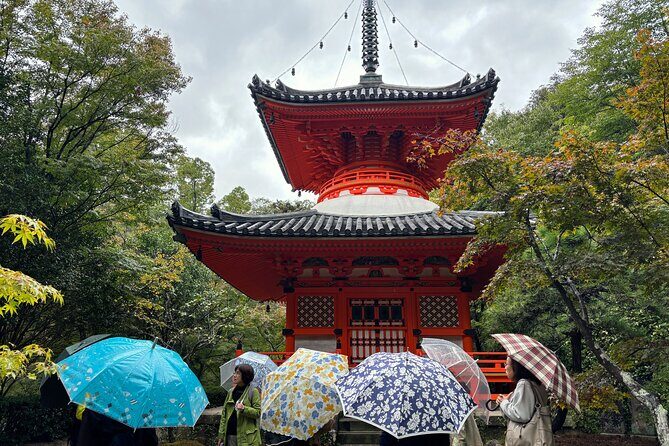
The tour description frames this as seven experiences at Mitaki Temple and its surroundings. Even without a name-by-name list of every mini-moment, the structure is clear: you’ll get guided attention, light activities, and easy walks that keep you moving without rushing.
From what you can expect on the ground, the day at Mitaki is designed around three things:
- Sightlines (pagoda, statues, memorial elements)
- Story connection (how Hiroshima’s history shows up in this space)
- Time to absorb it (quiet pauses, wooded surroundings, slower pace)
The reviews you’ll read about this tour often mention the atmosphere as quiet and almost unreal for being inside Hiroshima. That matches the idea of pairing the Peace Park’s heavy narrative with a place where locals have long come for spiritual continuity.
Photo opportunities do exist, but the tour’s intention isn’t to treat Mitaki like a theme-park stop. You’re guided toward spots that make sense for the day’s themes, including a few photo-friendly areas along the walk.

The return to central Hiroshima by train (and where you can get off)
After the Mitaki-dera visit, the route shifts back to simple public transport. You’ll walk to Mitaki Station, then take the train toward central Hiroshima.
The tour keeps your choices flexible. You can get off at Hiroshima Station (the ending point) or earlier stops like Yokogawa Station or Hakushima Station. That’s handy if you’re staying near one area and don’t want to backtrack.
The ending point is listed as Hiroshima Station, so you’ll finish close to major transport links. This makes it easier to roll right into dinner plans without needing another long transit leg.
Price and value: what $88.68 really covers
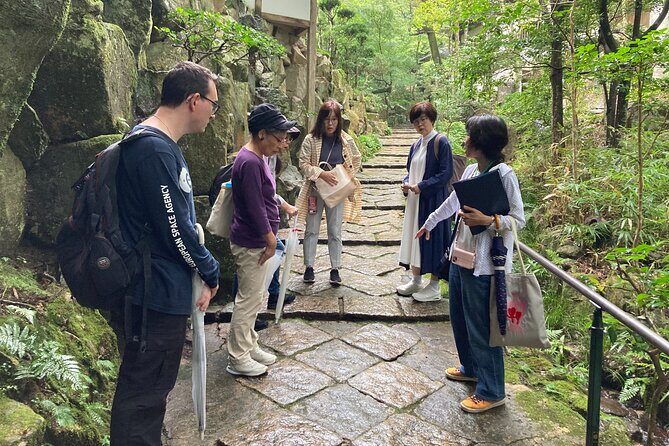
At $88.68 per person, this tour may look like a niche experience, but it’s priced like a guided half-day with real inclusions.
Here’s what you’re paying for that matters:
- A licensed local tour guide throughout the experience
- Mitaki Temple entrance fee (not something you have to figure out on your own)
- Public transportation costs: bus fare from Atomic Bomb Dome to the Mitaki area, plus train fare back toward central Hiroshima
- A small keepsake: a postcard with a recycled paper crane and a stamp
Peace Memorial Park sites like the Rest House area and Atomic Bomb Dome don’t require you to buy entries for the main memorial walk, but the value is in the guided interpretation and timing. Without a guide, it can be easy to miss how the temple’s structures connect back to the bombing story.
If you like tours that give you context and then let the location do the emotional work, the price-to-experience ratio feels fair for a short, small-group day.
Who this Mitaki Peace Tour is best for
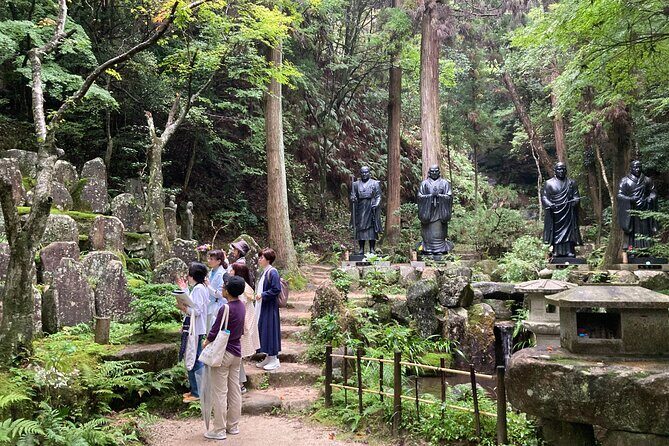
This is a smart fit if you want Hiroshima peace history with a quieter second half. The day shifts from major memorial sites to a mountainside temple that locals cherish, so it’s ideal if you get tired of only seeing the same big landmarks and want one slower, more spiritual counterpoint.
You’ll enjoy it most if:
- You’re okay with short-to-moderate walking on outdoor paths
- You like guided context for places tied to heavy history
- You want a smaller group experience (max 6) where the pace stays gentle
- You appreciate peace-focused sites that aren’t only about one museum or one building
It’s also worth considering if you’re the kind of traveler who likes seeing how religious spaces preserve memory. Mitaki is not just scenic; it’s a place where ancient temple structures and atomic-bomb remembrance coexist.
Skip it if you have significant mobility limits. The tour isn’t designed as a wheelchair-friendly or low-walk itinerary based on the stated guidance.
What to bring for comfort (so the experience feels easy)
The tour doesn’t include bottled water, so plan ahead. The walking segments are manageable, but you’ll still appreciate something to drink, especially if you’re traveling in warmer months.
Beyond that, keep it simple:
- Comfortable walking shoes
- A small water bottle
- A light layer, since the temple area can feel cooler under trees
- Your phone camera if you want those photo-friendly temple angles
If you’re visiting in seasonal months like early December, the setting can add an extra layer of beauty, with leaves sometimes still around. The day’s emotional tone stays serious, but the visual environment can make the quiet time more memorable.
Should you book this tour?
I’d book it if you want a Hiroshima peace day that doesn’t end when you leave Peace Memorial Park. The combination works because it doesn’t just stack sights. It connects the story first, then gives you a calm place to reflect.
This tour is also a strong choice for independent travelers who don’t want to stitch together transit, temple entry, and interpretation on their own. With public transport built in and guide-led pacing, you spend your energy paying attention instead of figuring out routes.
Hold off if you need a very low-walking itinerary. And if you’re only interested in the very busiest Peace Memorial Park landmarks, Mitaki might feel too quiet. But if you want the quieter chapter—wooded, spiritual, memorial—this is exactly the kind of detour that makes Hiroshima feel fully human.
FAQ
How long is the Mitaki Peace Tour Beyond Central Hiroshima?
The tour is listed as about 3 hours 25 minutes to 4 hours.
What’s included in the tour price?
The price includes the licensed local tour guide, Mitaki Temple entrance fee, a postcard with a recycled paper crane and a stamp, and public transportation costs (bus from the Atomic Bomb Dome area to Mitaki and train fare back toward central Hiroshima).
Do I need to pay for Peace Memorial Park sites?
For the Peace Memorial Park portion, the tour notes an admission ticket is free for the time you spend there.
Where does the tour start and end?
It starts at the Fuel Kaikan / Rest House area in Hiroshima Peace Memorial Park. It ends at Hiroshima Station.
Is the tour suitable if I have walking difficulties?
It’s not recommended for those with walking difficulties.
What happens if the weather is bad?
The tour requires good weather. If it’s canceled due to poor weather, you’ll be offered a different date or a full refund.