REVIEW · TOKYO
Creative Japanese Cooking in a Beautiful Tokyo Home with Makiko
Book on Viator →Operated by Traveling Spoon · Bookable on Viator
Tokyo nights get better with dinner you helped make. This private experience with Makiko blends a hands-on Japanese cooking lesson with a neighborhood shopping walk so you understand what real cooks buy and why. It’s not a big studio class; it’s a look at everyday food life in a real Setagaya home.
I really like that the tour starts with a local supermarket and shop route, then moves straight into cooking in Makiko’s kitchen. I also like the human part: Makiko explains processes and shares cooking tips that don’t show up in recipe books, and you end by eating what you made together. One thing to weigh: the menu changes by season, so you won’t know every dish in advance unless the operator confirms it for your date.
In This Review
- Key Highlights You Should Know
- Why This Feels More Like a Tokyo Evening Than a Class
- The Station Meet-Up and Getting Into Makiko’s Neighborhood
- Shopping Like a Tokyo Local: What the Market Tour Actually Teaches
- Back at Home: How the Cooking Lesson Works in Real Time
- Dietary needs
- The Meal: More Than a Prize at the End
- The Cat Note: Small Heads-Up, Real Life Vibes
- Is the $89 Price Fair for What You Get?
- Private Time With Makiko: Questions You Can Actually Use
- Who This Tour Fits Best (And Who Might Prefer Something Else)
- Should You Book This Creative Japanese Cooking in Makiko’s Home?
- FAQ
- What’s included in the experience?
- How long does the cooking lesson last?
- Do I get the chance to learn about Japanese ingredients before cooking?
- Will the dishes be the same every time?
- What if I have allergies or dietary restrictions?
- Where do we meet, and is hotel pickup provided?
- Is there anything I should know about pets in the home?
Key Highlights You Should Know
- Meet-and-shop energy in Komazawa with Makiko greeting you at the nearby station stop and walking you through ingredient shopping like a Tokyo local
- Market basics you can use later, from how to choose ingredients at a butcher/produce counters to what matters for everyday Japanese cooking
- Hands-on cooking lesson (1.5–2 hours) focused on traditional-inspired, homemade dishes rather than a performance-style demo
- Dinner at the table—you eat together after cooking, so the meal makes sense as you learn it
- Private time with your host, only your group, plus room to ask questions about Japanese ingredients and techniques
- A quiet house cat upstairs that typically hides when guests are in the home
Why This Feels More Like a Tokyo Evening Than a Class
This experience is built around a simple idea: Japanese cooking is easier when you understand the ingredients first. That’s why the plan doesn’t start with cutting boards and measuring cups. It starts with Makiko showing you how locals shop, what to look for, and how choices in the market connect to the final flavor at the table.
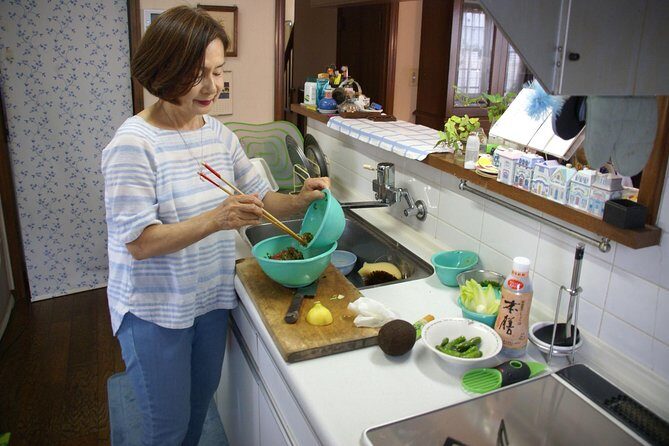
The setting matters too. You’ll cook in Makiko’s home, in a neighborhood near Komazawa Olympic Park. That gives you a calmer rhythm than commercial classes. Expect an intimate pace where you can ask questions while things are happening—especially because Makiko is an expert on Japanese cuisine and can explain what you’re seeing and tasting.
It’s also private, which is a big deal if you’re the type who wants interaction, not just attendance. Your group will be the only group in the session.
You can also read our reviews of more cooking classes in Tokyo

The Station Meet-Up and Getting Into Makiko’s Neighborhood
Makiko meets you near the start point, and the materials list two close-by station references. The overview says she greets you at Komazawa-Daigaku Station, while the included pickup note specifically mentions pickup from Sakurashinmachi Station on the Tokyu Denentoshi Line. Either way, it’s designed to be a straightforward public-transit start rather than complicated hotel pickups.
You’ll then head to the area where Makiko shops and where her home is located. This matters for two reasons:
1) You’re seeing local routines, not just a tourist route.
2) You’re saving time and stress so the learning portion stays relaxed.
If you’re planning your day around this, keep your schedule flexible. This kind of experience runs on local timing—when you’re in a shop, you’re in a shop. It’s not a timed museum stop.
Shopping Like a Tokyo Local: What the Market Tour Actually Teaches
The market tour is a private, guided shopping walk with Makiko. In practice, that means you’re not just watching someone point at products—you’re learning how to select ingredients for Japanese home cooking.
The tour route typically includes stops you can recognize as part of daily life: meat counters (including a butcher shop-style stop), convenience-oriented items, and fruit/vegetable shopping. The broader overview also mentions fish shops as part of the shopping mix, which fits the way Japanese meals often build flavor from the seafood side as well.
Here’s what I think is the real value in this part. You’re learning “ingredient logic.” In a lot of home cooking, the recipe is only half the story. The other half is:
- picking the right type of ingredient,
- recognizing freshness signals,
- and understanding which ingredients are normal for everyday cooking versus special-occasion upgrades.
That’s why this walk pairs so well with the cooking lesson. When you later handle the ingredients in Makiko’s kitchen, you already know what you’re looking at and why it was chosen.
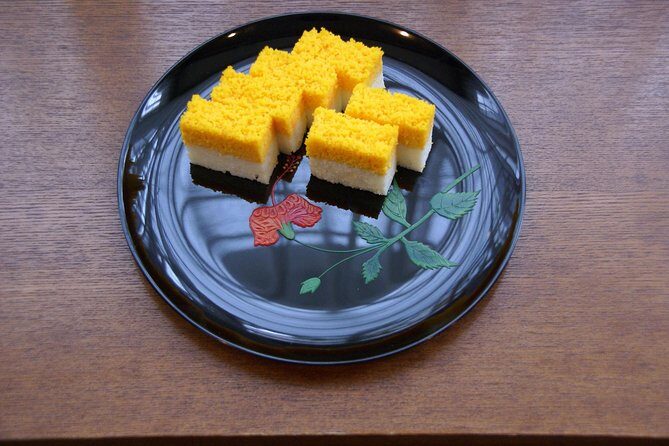
Also, it’s not only savory. One of the standout moments from the experience includes a sweet shop stop, where Makiko brought items based on what she wanted to add and share. Even if you don’t think of Japanese food as “dessert-first,” it’s a reminder that Japanese meals often connect flavors across courses.
Back at Home: How the Cooking Lesson Works in Real Time
After shopping, you move to Makiko’s home kitchen near Komazawa Olympic Park. The cooking portion runs about 1.5 to 2 hours, and the exact timing depends on your group size.
What I like about the format is that it’s hands-on and process-focused. Makiko doesn’t just hand you a task and hope you copy. She explains how the cooking works, why certain steps matter, and what small choices change the result. This is the kind of guidance that’s hard to get from a cookbook because it’s built around the reality of cooking—heat control, timing, and ingredient behavior.
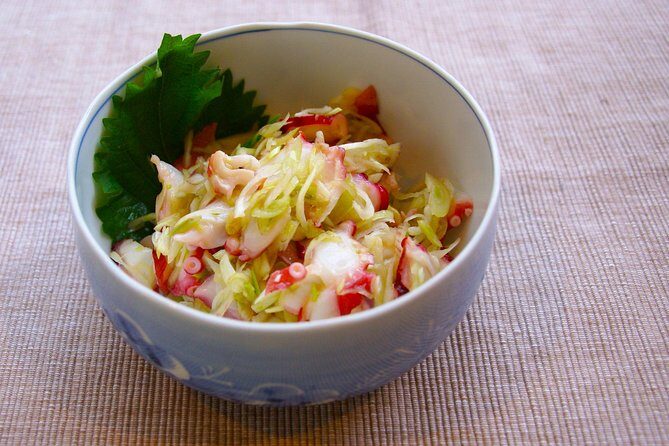
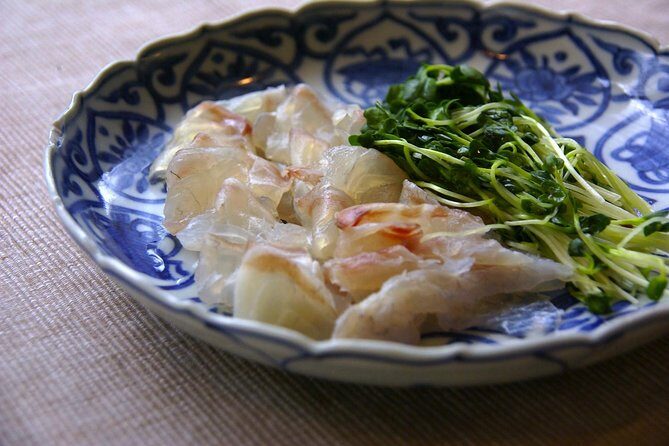
The menu is traditional-inspired and seasonal. That’s important for value. Seasonal cooking means the dishes aren’t only themed; they’re connected to what’s available and how Japanese home cooks adapt throughout the year. You should expect different dishes depending on when you go.
If you want a bit more certainty, plan to book with enough notice. The experience is typically booked about 72 days in advance on average, and confirmation is subject to availability within 48 hours of booking.
Dietary needs
The operator asks you to advise dietary restrictions or allergies at booking time. Because this is a home kitchen and a private experience, it’s much easier for the host to adjust when you tell them up front. If you have specific preferences, add them in the provided special requirements box during booking.






The Meal: More Than a Prize at the End
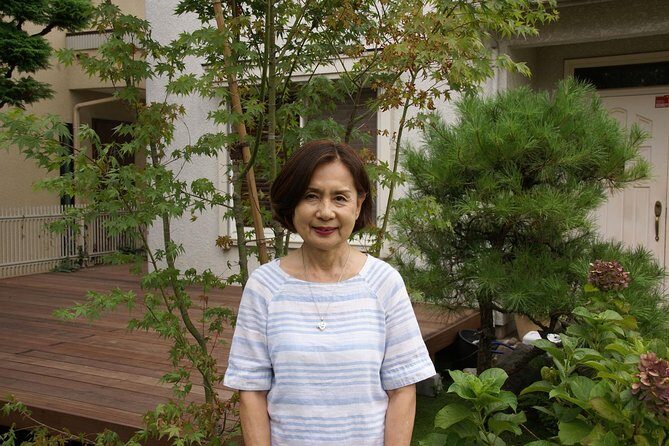
Once the cooking is done, you sit down together and enjoy the feast you helped prepare. This part is underrated. In many cooking classes, the food is just proof that something happened. Here, the meal is the final “lesson,” because you’ve been learning the process step by step.
In Japanese home-style cooking, taste depends on balance—salt, sweetness, acidity, umami, and texture. Eating together right after cooking helps you catch what you did right (or what you could adjust next time). It’s also the most natural moment to ask follow-up questions. Makiko can answer things like ingredient substitutions, how to store leftovers, or what flavors go well together when you cook at home later.
And yes, you’ll get to chat. A big theme in the experience is discussion—about cuisine, ingredients, and cooking stories—so the evening tends to feel like a cultural conversation, not a one-way lesson.
The Cat Note: Small Heads-Up, Real Life Vibes
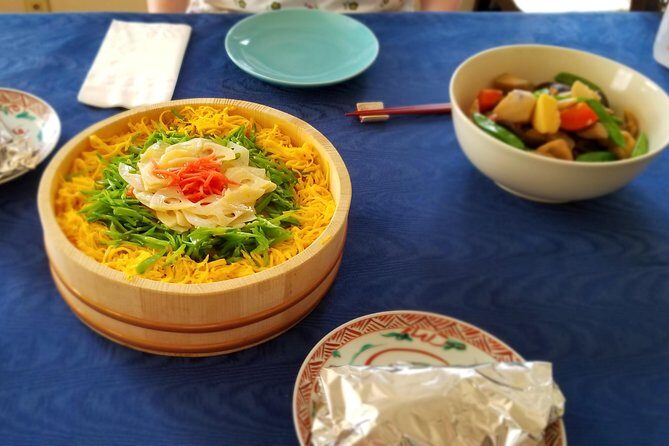
There’s a cat in the house. The instructions say the cat is shy and quiet, and it’s usually hiding upstairs when guests are in the home. That’s not a dealbreaker; it’s just good etiquette to know ahead of time.
If you’re allergic or uncomfortable around cats, mention it in advance when you book. Since you’re in a private home, communication matters, and the host can likely advise what to expect.
Is the $89 Price Fair for What You Get?
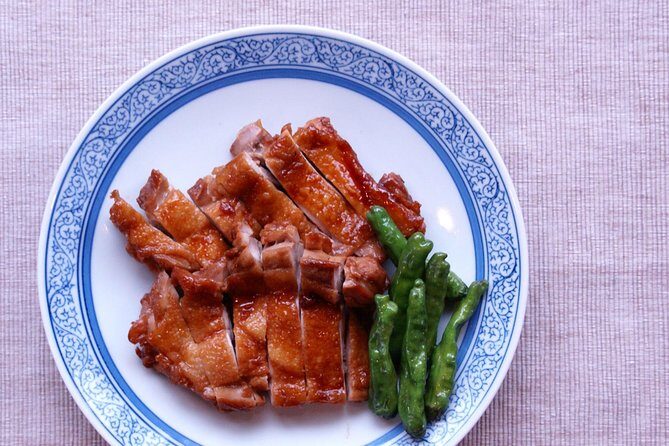
At $89 per person for about 3 hours total, this isn’t a bargain cooking class—and it’s not trying to be. But it does compare well to other hands-on options because you get a full package:
- Private supermarket tour with Makiko
- Hands-on cooking lesson (1.5–2 hours)
- The meal you help cook
- Pickup from Sakurashinmachi Station (as noted in the included details)
You’re also paying for access: a Tokyo home kitchen, local shopping guidance, and personal attention. The experience is explicitly not commercial, meaning it’s more about cultural exchange and teaching than a high-turnover class format.
The one cost factor to consider is that hotel pickup and drop-off are not included. You’ll need to make your own way to the meeting point area. If you’re already using public transit (most Tokyo travelers are), that’s usually a non-issue.
Overall, if your goal is to learn how Japanese cooking really happens day to day, the price makes more sense than it looks on paper.
Private Time With Makiko: Questions You Can Actually Use
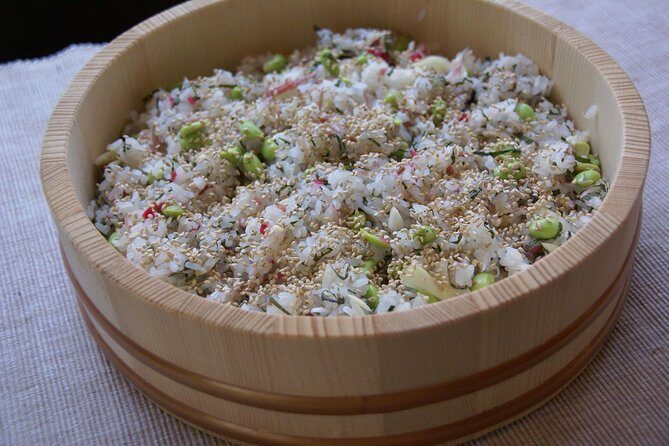
One of the best parts of this kind of home-based experience is how many practical questions you can ask in the moment. Makiko is there to explain the cooking process in detail and to share important tips that don’t show up in standard recipes.
This is especially helpful for common problems like:
- what type of ingredient you should buy,
- how to tell if something is fresh,
- how seasoning should feel rather than just measure,
- and what step is worth paying extra attention to.
And because it’s private, you can tailor the conversation to what you like. If you’re curious about a technique, ask. If you want to know how to recreate the dish at home, ask again.
Who This Tour Fits Best (And Who Might Prefer Something Else)
This experience is ideal if you want:
- a Tokyo neighborhood view through everyday shopping,
- a real cooking lesson with explanations (not just watching),
- and a dinner that feels like it came from someone’s home, not a studio schedule.
You’ll probably enjoy it most if you like conversational learning and want to connect ingredients to outcomes. If you only want a quick class with no time spent shopping, the operator offers a cooking class only option, so you can skip the market walk when time or budget is tight.
Should You Book This Creative Japanese Cooking in Makiko’s Home?
Book it if you want a compact, high-value Tokyo experience that teaches more than recipes. The market tour plus home cooking is the combination that makes this stand out: you learn how locals choose ingredients, then you cook with that knowledge immediately.
I’d also book it if you’re going at a seasonally relevant time and you’re happy with a menu that adapts to what’s available. The seasonal variation is part of the point.
Pass (or consider the cooking-only option) if you’re looking for a predictable set menu with exact dishes. Seasonal menus mean some uncertainty, and the experience is also tied to your ability to get to the meeting point area by transit.
If you’re excited by real shopping, real home kitchens, and learning the “why” behind Japanese cooking, this is the kind of evening you’ll remember long after the last bite.
FAQ
What’s included in the experience?
You get a private supermarket tour with your host Makiko, a Japanese cooking class, and the meal you cook. The package also includes pickup from Sakurashinmachi station on the Tokyu Denentoshi Line.
How long does the cooking lesson last?
The cooking portion takes about 1.5 to 2 hours, depending on how many people are in your group.
Do I get the chance to learn about Japanese ingredients before cooking?
Yes. You’ll join Makiko for a private tour of a local supermarket and shops to learn about Japanese ingredients used in daily cooking.
Will the dishes be the same every time?
No. The menu items may vary depending on the season.
What if I have allergies or dietary restrictions?
You should advise any allergies, dietary restrictions, or cooking preferences at the time of booking in the special requirements box, so Makiko can plan accordingly.
Where do we meet, and is hotel pickup provided?
The materials list the meeting point in Setagaya City near Sakurashinmachi. Hotel pickup and drop-off are not included; pickup from Sakurashinmachi station on the Tokyu Denentoshi Line is included.
Is there anything I should know about pets in the home?
There is a shy, quiet cat in the house that is usually hiding upstairs when guests are in the home.