REVIEW · TOKYO
Mt.Fuji Trekking 1 Day Tour up to the summit
Book on Viator →Operated by アウテック · Bookable on Viator
Mount Fuji at sunrise is a special kind of challenge. This one-day trek has a clear goal: start at the 5th Station, follow the Yoshida Trail up toward Seventh Station (2700m), and—if conditions and your fitness line up—push toward the summit with a guide. I really like how the plan builds in practical support (snacks, water, and trekking poles), and I like that you’re not figuring it out alone because the guide leads the route and helps you stay steady.
The main drawback is simple: this is a steep, long day. Even with the guide, you should expect a hard climb, especially early on when the trail ramps up fast.
In This Review
- What I’d Tell a Friend Before You Go
- Key Things to Know Before Your Mt. Fuji Trek
- Why Starting at the 5th Station Makes This a Real Trek
- The Pace: What “Easy-Level Trekking” Feels Like in Practice
- Getting There: Early Wake-Up, Private Group Comfort, and Mobile Tickets
- Stop 1: Mount Fuji 5th Station, Your Climb Starts Here
- Stop 2: Yoshida Trail Toward Seventh Station (2700m) and the Summit Choice
- Gear and Extras That Actually Affect Your Comfort
- Price and Value: What $2,939.43 Per Group Really Buys
- Who This Mt. Fuji Summit Trek Is Best For
- Final Decision: Should You Book This 1-Day Fuji Trek?
- FAQ
- What is the total duration of the Mt. Fuji 1-day trek?
- Where do you start climbing?
- How far do you go before the main turnaround point?
- Can you hike all the way to the summit?
- What time does the tour start?
- What’s included in the tour price?
- What is not included?
- Is this tour private?
What I’d Tell a Friend Before You Go
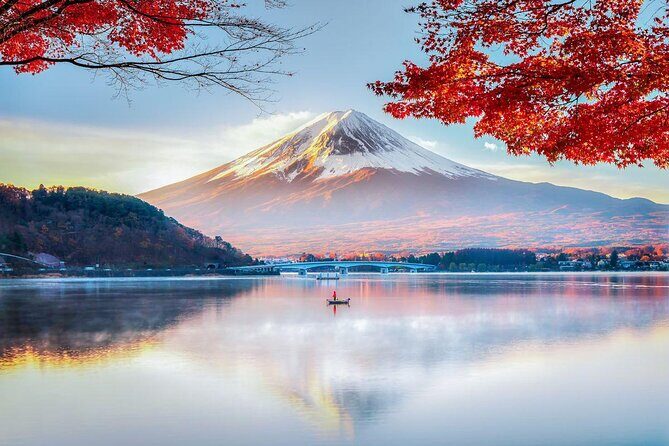
If you want the summit in daylight, you need to show up ready—physically and mentally. The tour is designed for people with strong fitness, and the schedule is early (typical start window is around 3:30–5:30 AM on weekdays during the operating season). If you’re looking for a casual stroll, this isn’t that.
Still, the structure is smart. You get hotel pickup and drop-off by air-conditioned vehicle, you get energy support built into the day, and you get the safety benefit of having someone who knows how to pace the climb.
Key Things to Know Before Your Mt. Fuji Trek
- 5th Station start: This is the main entrance for many Mount Fuji climbs, so you’ll be in the right place from the first step.
- Yoshida Trail pacing toward 7th Station (2700m): The route is described as easy-level trekking, but the day still feels relentlessly uphill.
- Summit option depends on you and conditions: The plan can be arranged so you can aim for the very peak if you wish.
- Guide support matters on steep sections: Reviews point to the first stretch being brutally tough without pacing help.
- Snacks, water, poles, and oxygen cans: You’re not just paying for a view—you’re getting climbing support.
- Private group feel: It’s only your group (up to 8), so you’re not swallowed by a massive crowd.
You can also read our reviews of more hiking tours in Tokyo
Why Starting at the 5th Station Makes This a Real Trek

Mount Fuji is one of those places where “one-day” sounds easy until you’re actually on the trail. The value of starting at the 5th Station is that it’s the climbing hub. From the beginning, you’re on the route most people use to move upward in a logical way. You aren’t wasting energy on extra transit time just to find where the climb truly begins.
Also, the whole day is built around this altitude ladder. You climb from 5th Station to Seventh Station, and Seventh Station is where a lot of people start to feel the change in air and effort. The route gives you progression you can measure: lower elevation grind, then higher elevation wind-and-legs reality. That matters when you’re deciding whether you’ll go further.
The Pace: What “Easy-Level Trekking” Feels Like in Practice
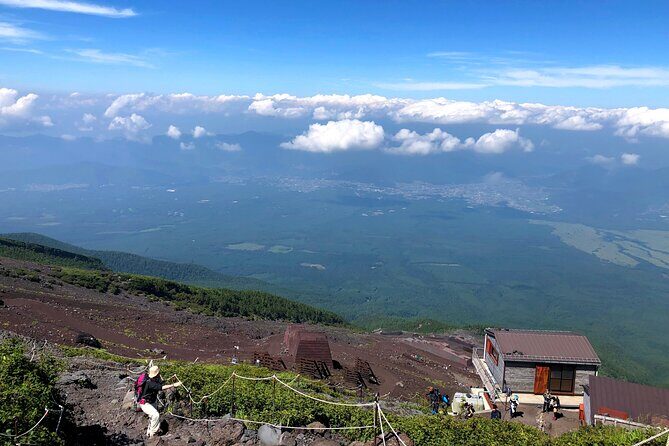
Here’s the honest part. The trail is described as “easy level” trekking—meaning it’s a guided, established path rather than technical climbing. But “easy” on Mount Fuji still means steep, and the mountain doesn’t care about your hiking résumé.
One of the most consistent lessons from the experience feedback is that the climb can wreck your legs fast, even early. People note that the incline can feel extreme—sometimes like 60-degree angles—and even a first kilometer can be a full-body wake-up call. That doesn’t mean you’ll fail. It means you should treat the early climb as training, not a sprint.
What helps:
- A steady rhythm over speed.
- Short stops when your guide suggests it.
- Using trekking poles to take stress off your knees.
- Drinking and eating before you feel “ready” to do it.
This is the moment where the guide earns their keep. A good pace keeps your breathing controlled and your legs from turning into jelly before you’re even halfway.
Getting There: Early Wake-Up, Private Group Comfort, and Mobile Tickets
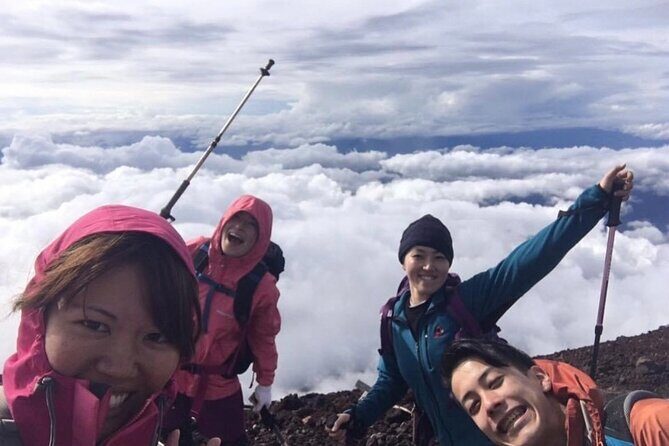
This tour is built for an early start. Operating windows are Monday–Friday during the Mount Fuji season (listed from July 1 to September 10, 2026), with a meeting window around 3:30 AM to 5:30 AM. That means you should plan your night the way you’d plan a long-haul flight: early dinner, early sleep, no heroics.
You’ll also get hotel pickup and drop-off in an air-conditioned vehicle. That’s not just comfort. In Japan’s early hours, transportation can be a headache. Having it handled reduces stress and makes it more likely you’ll actually show up in time, rested enough to enjoy the climb instead of just surviving it.
The tour is private for your group only, up to 8 people. That’s a big deal because Mt. Fuji treks often feel crowded. A smaller group can make pacing easier and reduce the stop-and-go shuffle that wears you out.
You’ll also use a mobile ticket, which is practical for a day where you’re managing layers, water, and energy. Less fumbling is more time on the trail.
Stop 1: Mount Fuji 5th Station, Your Climb Starts Here
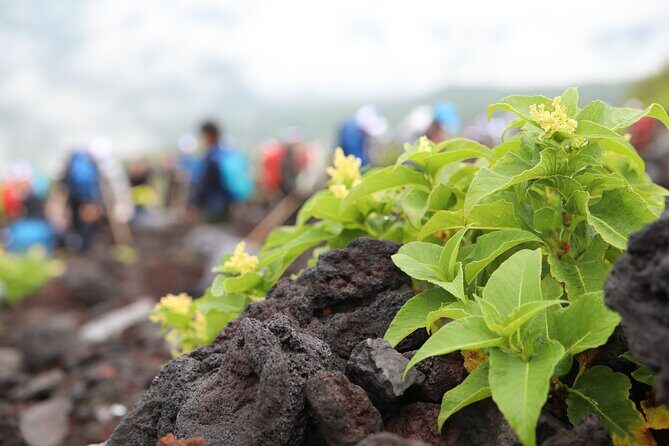
Mount Fuji 5th Station is described as the main entrance for climbing. In plain terms: it’s where your climb becomes a climb. Expect it to feel like a transition point—less sightseeing, more gear check, breathing check, and mental focus.
You start there and begin moving up the Yoshida Trail. The guide takes the lead right away, so you’re not standing around wondering if you’re on the right path or how long the next stretch really is.
One practical note: there’s an entrance fee at Mount Fuji that is not included. It’s listed as ¥4,000 per person. Budget for it so you’re not scrambling at the last minute. If you’re thinking about value, this fee is small compared with the overall cost of a guided one-day summit attempt, but it’s still real money and worth including in your calculation.
How to use this first stop well:
- Start calm. The beginning can feel steep and overwhelming.
- Eat something small and drink early, not late.
- Put on layers you can handle with sweat and cold at altitude.
A few more Tokyo tours and experiences worth a look




Stop 2: Yoshida Trail Toward Seventh Station (2700m) and the Summit Choice
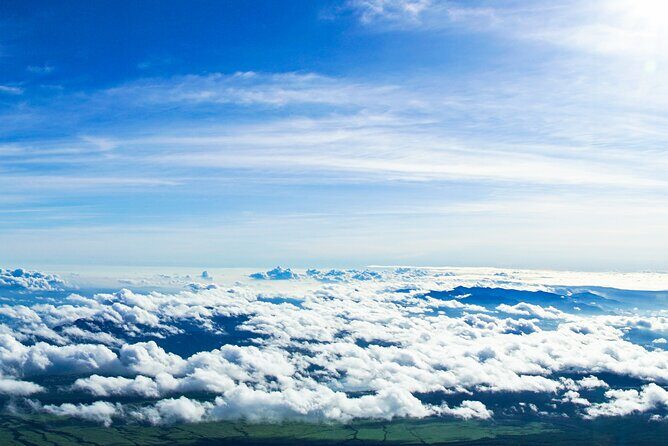
This is the heart of the day. After 5th Station, the route follows the Yoshida Trail toward Seventh Station at 2700m. The description emphasizes it as “easy level trekking,” but think of that as “established hiking route,” not “gentle slope.”
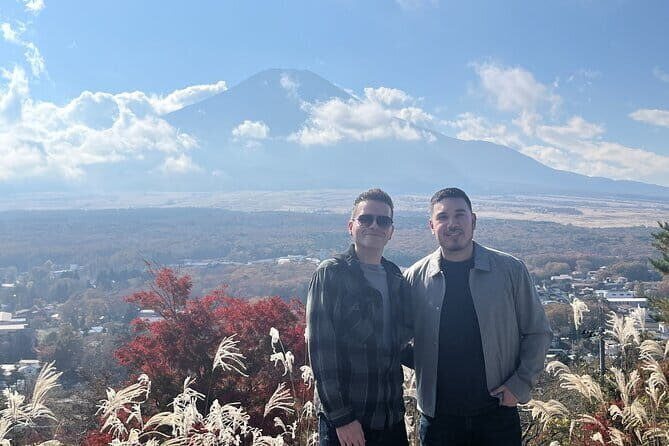
At Seventh Station, you’re rewarded with panoramic views across the area. That matters because it breaks the mental loop of “up, up, up.” You get a moment where the climb feels like it’s paying you back, even before any summit decision.
Then comes the choice. Depending on your fitness level and conditions, you can go onward to the very peak. The tour info specifically says the company can also arrange it if you wish to hike all the way to the summit. That’s important because not all one-day plans are truly flexible. Here, your guide’s presence and planning make it more realistic to aim higher if you’re capable.
What you should consider before you commit:
- Your legs at the first steep section often predict how you’ll feel later.
- Weather can change quickly in mountain terrain, so don’t assume the summit is guaranteed just because you want it.
- A summit push is not only about courage. It’s about pacing, breathing, and staying stocked with water and snacks.
If you’re unfit or new to hikes, this trek can still be possible with guide support and good weather—but only if you’re honest about effort and willing to take it slow.
Gear and Extras That Actually Affect Your Comfort
A lot of tours sell “guidance” but don’t include much that changes the climb itself. This one does. You get:
- Trekking poles
- Snacks and bottled water
- Oxygen cans
- Guide-led route support
- Air-conditioned private transportation
The poles are underrated. On steep descents and uneven stone, poles can save your knees and keep you from “over-squashing” your stance. Even if you feel strong on the way up, your body will judge you on the way down later.
Snacks and bottled water aren’t just nice additions. They help you avoid the classic mistake of eating too little because you’re busy working. On a day that can run 12 to 16 hours, consistent energy matters. Tiny intake beats one giant meal at the wrong time.
The oxygen cans are included, but don’t treat that as a magic button. They’re there as support. The real system is still your effort management, hydration, and pacing.
And yes, the guide being with you from the start is the difference between a climb that feels manageable and a climb that feels like random endurance suffering.
Price and Value: What $2,939.43 Per Group Really Buys
The price is listed as $2,939.43 per group (up to 8 people). That’s a lot of money if you’re thinking per person only. But the better way to judge value is to look at what you’re actually getting: private, guided, structured, and timed for early mountain access.
If you’re traveling with multiple people, the cost becomes more reasonable because the group rate covers:
- private transportation in an air-conditioned vehicle
- hotel pickup and drop-off
- a guide for the climb
- trekking poles
- snacks, bottled water
- oxygen cans
- a planned route from 5th Station onward, including the potential summit option
Also, this tour is booked far in advance on average (listed as 98 days). When something sells out, it’s often because the experience is organized well and demand is real. You can see a strong rating too: 5 out of 5 across 14 reviews, with people strongly recommending it.
So is it worth it? If you have the fitness to climb safely and you want a real summit day with support, yes. If you’re hoping for a laid-back hike with lots of photo stops and no pressure, you’ll probably feel the price is too high for the amount of effort required.
Who This Mt. Fuji Summit Trek Is Best For
This tour fits best if you’re one of these types:
- You have strong physical fitness and you’re comfortable with steep uphill trekking.
- You want a guided day rather than planning your own logistics at an aggressive start time.
- You’re traveling with a small group that can share the private-group cost.
- You care about safety and pacing, especially during the hardest early stretch.
It’s a tough match if:
- You want a gentle hike.
- You hate long, early mornings.
- You’re expecting the trail to be flat or forgiving.
- You’re starting from zero on hiking fitness and cannot handle steep climbs.
The good news is that even people who describe themselves as unfit have been able to reach the summit when weather cooperated and the guide helped with pacing. The key is honesty: if you’re committed, you still need to respect how your body reacts on Fuji.
Final Decision: Should You Book This 1-Day Fuji Trek?
If you want Mount Fuji as an actual climb—not a casual viewpoint day—this guided 1-day trek up toward the summit can be a strong choice. The combination of pickup/drop-off, guide leadership, and included climbing support (poles, snacks, water, oxygen cans) adds real value beyond the location.
Book it if you’re ready for steep effort and you’ll treat the early climb seriously. Skip it if you want comfort, slow pacing, or a relaxed day outside your fitness zone.
If you do book, set yourself up for success: sleep well the night before, pack smart layers, eat early, and trust the guide when they tell you to pace. Fuji rewards discipline.
FAQ
What is the total duration of the Mt. Fuji 1-day trek?
The tour runs approximately 12 to 16 hours.
Where do you start climbing?
You begin at Mount Fuji 5th Station.
How far do you go before the main turnaround point?
The guide takes you along the Yoshida Trail up to Seventh Station (2700m).
Can you hike all the way to the summit?
Depending on your fitness level and conditions, you may have the option to climb to the summit, and the tour can also arrange it if you wish to hike all the way.
What time does the tour start?
Operating hours list a meeting/start window of 3:30 AM to 5:30 AM, Monday–Friday, during the listed season.
What’s included in the tour price?
Included items are snacks, bottled water, private transportation, air-conditioned vehicle, trekking poles, and oxygen cans.
What is not included?
The Mount Fuji entrance fee is ¥4,000 per person.
Is this tour private?
Yes. It’s listed as a private tour/activity, so only your group participates (up to 8 people).