REVIEW · NAGOYA
Nagoya: 2026 Hida Takayama Shirakawa-go Light-up Winter Tour
Book on GetYourGuide →Operated by Hakuu Co Ltd. · Bookable on GetYourGuide
Winter light turns Japan into a movie set. This 10-hour Nagoya day trip strings together Edo-period Takayama and UNESCO Shirakawa-go, with time to roam and plenty of photo chances. One thing to plan for: admission is not included, so spots like the observation deck may cost extra.
Meet your guide at Nagoya Eki Taikodoriguchi (Shinkansen North Exit) and keep WhatsApp ready, because the bus leaves on time. The good news is the flow is built for comfort and pacing, with a guide who keeps things interesting and helps you make sense of what you’re seeing.
In This Review
- Key points I’d circle before you book
- What this tour is really good for in winter
- Price and what you’re actually paying for ($67, 10 hours)
- Getting going from Nagoya: the part you don’t want to mess up
- On the road: the winter bus comfort factor
- Toyama Prefecture stop: a time buffer with photo-and-walk energy
- Hida Takayama: Edo streets plus the Miyagawa Morning Market
- Your Takayama “roam and eat” formula
- Food options you can target (and how to do it)
- A small caution about “house details”
- Two short regional food breaks: simple fuel, not a full meal plan
- Shirakawa-go: gassho farmhouses and the Shiroyama viewpoint
- Shiroyama Observation Deck: plan for possible entry cost
- Rakuto café near Ogimachi: the warm break with extra fun
- Winter illumination on Jan 25 and Feb 1: the “night glow” payoff
- If Shirakawa-go is blocked: Gujo Hachiman as the fallback
- Timing and pacing: where you’ll feel the pressure (and where you won’t)
- What to bring (and what actually helps)
- Who should book this tour
- Should you book: my practical recommendation
- FAQ
- How long is the tour?
- Where do I meet the guide in Nagoya?
- What languages is the live guide available in?
- Is the winter illumination included?
- Are meals included in the price?
- Are admission tickets included for viewpoints or attractions?
- What if Shirakawa-go can’t be reached because of snow?
- How does the guide contact you before departure?
- Do I need cash?
- Is the tour suitable for older travelers?
Key points I’d circle before you book
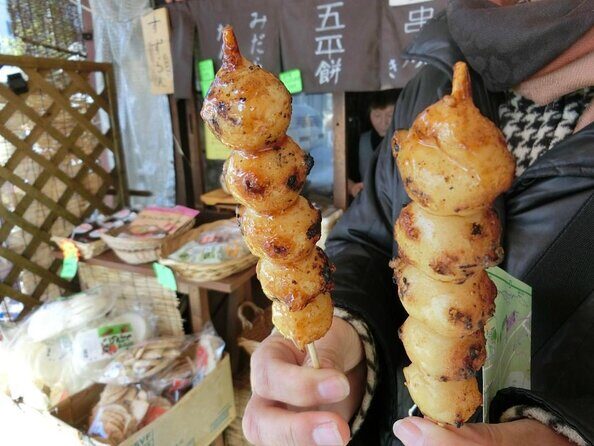
- Edo streets in Hida Takayama plus a self-guided walk through Miyagawa Morning Market for snacks and souvenirs
- UNESCO Shirakawa-go gassho farmhouses with strong winter photo conditions and big mountain views
- Shiroyama Observation Deck as a dedicated viewpoint stop (check whether tickets/entry cost extra)
- Shirakawa-go winter illumination on Jan 25 and Feb 1 for the night glow effect
- Suggested food stops in Takayama (great if you want Hida beef), but you’re not escorted there
- Backup plan to Gujo Hachiman if heavy snow or highway closures block access to Shirakawa-go
What this tour is really good for in winter
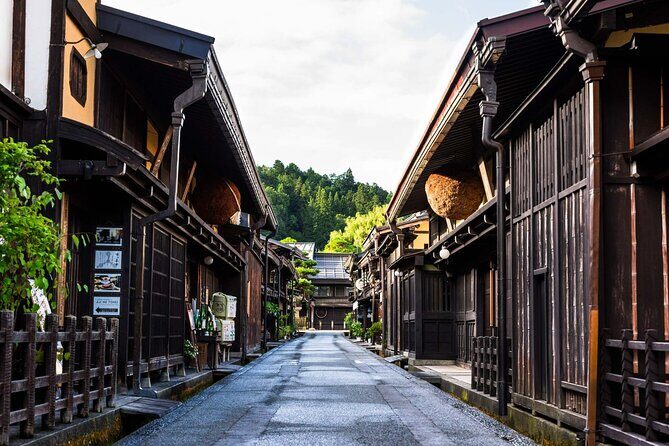
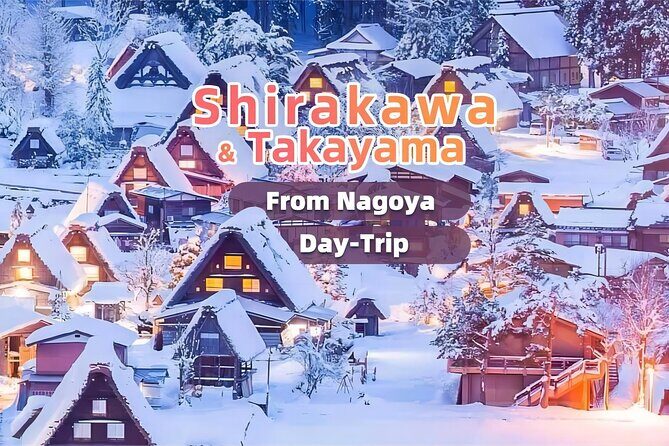
This is a classic Middle Japan hit-list day: Nagoya in the morning, then Hida Takayama, then Shirakawa-go. The reason it works so well in winter is simple: the scenery looks more dramatic at lower angles, snow adds texture to the farmhouses, and the light-up event (on Jan 25 and Feb 1) turns the whole village into something you can photograph for hours.
I also like the balance between guided context and self-paced time. You get an experienced driver/guide for the big picture, then you’re not trapped in a rigid schedule inside every shop. That matters when you’re hungry, when you want to chase a photo angle, or when you just want to slow down and watch how people move through these places.
The other value piece is the logistics. Roundtrip transport is handled for you from Nagoya. With winter roads and unpredictable weather, having the routing and timing done by professionals can save you a lot of stress.
A few more Nagoya tours and experiences worth a look
Price and what you’re actually paying for ($67, 10 hours)
At about $67 per person for a 10-hour roundtrip day, you’re paying mostly for transport and guided coordination. Meals and admission tickets are not included, so think of the day as: the bus and the plan are the package; the food and any paid entry are your add-ons.
This can be very good value if you would otherwise spend time and energy figuring out schedules between cities. It’s also a decent deal for winter photography, because the day is built around the two key “where do I go and when do I get the best views” stops: Hida Takayama and Shirakawa-go.
Where the math can shift: if you decide to pay for extra viewpoints or add-ticket experiences once you’re there. Admission tickets are not included, so be ready for small additional costs even if the main sites are just “see it from here” free viewing.
Getting going from Nagoya: the part you don’t want to mess up
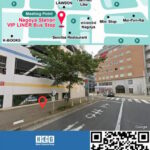
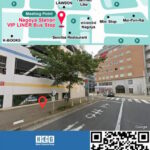
Your meeting point is Nagoya Eki Taikodoriguchi, at the Shinkansen North Exit. The guide will be holding a flag for easy recognition.
Two practical notes that matter more than people think:
- The bus departs on time, no exception. If you’re late or you’re at the wrong spot, refunds may not be granted.
- Your guide contacts you via WhatsApp, so download the app before you go. This is especially important in winter when directions and meeting points can be harder to confirm quickly.
Luggage space is limited on the bus, so skip bulky bags. Pack like you’re going for photos and walking, not for a month-long trip.
On the road: the winter bus comfort factor
You’re looking at about 2.5 hours each way by coach. That’s not a short ride, but the day is structured so you’re not just “stuck on transport” all morning. You get time to walk later, and there’s a multi-stop flow so you’re not waiting around forever.
Also, a couple ground rules are worth noting early:
- No smoking in the vehicle.
- No food or drinks in the vehicle.
Plan snacks before you board or save them for stops.
And since the tour isn’t suitable for people over 75, this is one of those days where slower walkers might feel stretched by the combined travel + walking.
Toyama Prefecture stop: a time buffer with photo-and-walk energy
Before Takayama, there’s a stop in Toyama Prefecture with photo time, visits, and about 2 hours of free time. You’ll be sightseeing and walking on your own.
This segment is useful because it breaks up the long ride and gives you time to adjust. If you arrive in a bit of a daze after morning travel, this is where you can reset: quick photos, a warm drink, and a short stroll before the main attractions.
Because the specific spot isn’t named in the details you provided, I’d treat it as a bonus window: go for the viewpoints and the easy walking, not for a single must-see landmark.
Hida Takayama: Edo streets plus the Miyagawa Morning Market
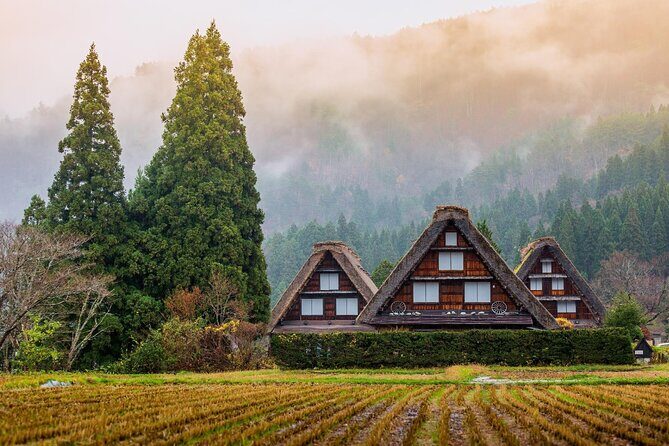
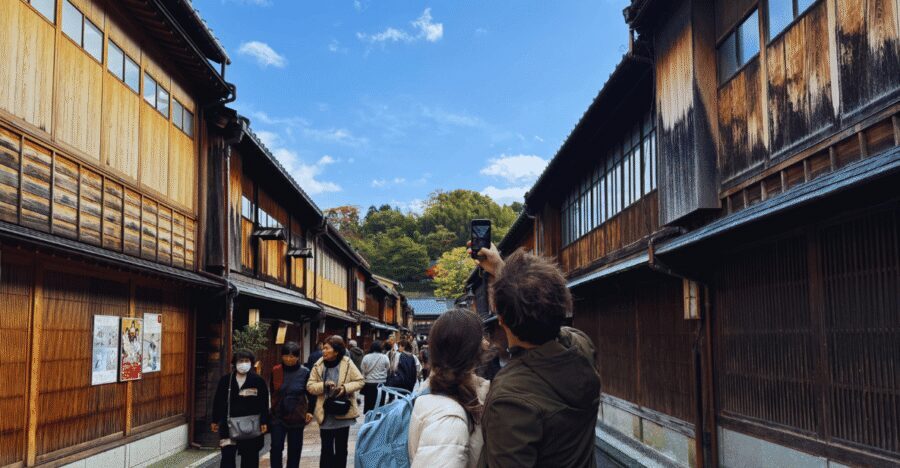
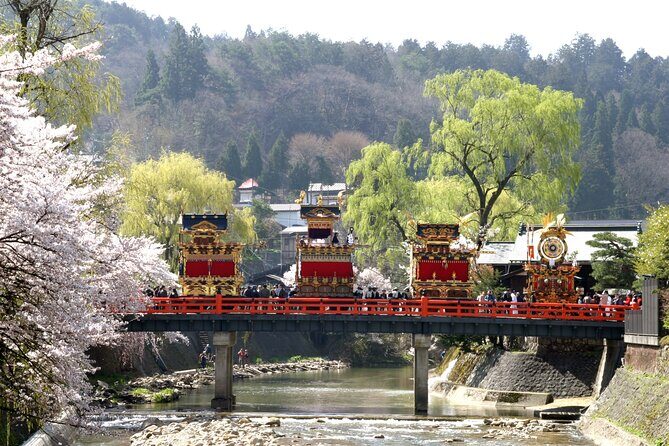
Hida Takayama is often called Hida’s little Kyoto, and on this day you get the practical version of that idea. You’ll walk preserved-feeling Edo-period streets where the atmosphere changes block to block: wooden buildings, narrow lanes, and enough foot traffic to keep things lively without feeling chaotic.
Your Takayama “roam and eat” formula
You’ll also get time at Miyagawa Morning Market, with about 30 minutes specifically tied to the food market visit, plus shopping/free time around it.
This is the part of the day where I like to work in layers:
- First, do a quick walk for your bearings and what smells good.
- Then, pick 1–2 things you can eat right away so you’re not stuck carrying food all afternoon.
- Finally, buy small souvenirs you can actually fit in luggage.
Food options you can target (and how to do it)
There are suggested self-guided places in Takayama for Hida beef and related bites. The guide is not going to escort you there, so treat these as options you can plug into your free time.
Here are three worth considering if you want the “Hida beef, not just a snack” version:
- Ajizo Heaven (4-147 Huali, Takayama City): specialities include Hida beef with various platter options in a cozy setting
- Maruaki Hida Takayama Store (6-8-1, Temma-cho, Takayama City): known for melt-in-your-mouth Hida beef barbecue
- Hida こって Beef (34 Kamisanomachi): a spot for beef sushi
If you’re the type who likes to plan, pick one as your “main beef” stop and let the market fill in the rest.
A small caution about “house details”
One nitpick I’d keep in mind: if you’re the kind of person who wants extremely detailed explanations of how houses were built and what each feature means, this tour sounds better for big-picture understanding than for ultra-technical architecture lessons. You’ll get interesting context, but you may not get the level of build-method detail you’re hoping for if that’s your main goal.
Two short regional food breaks: simple fuel, not a full meal plan
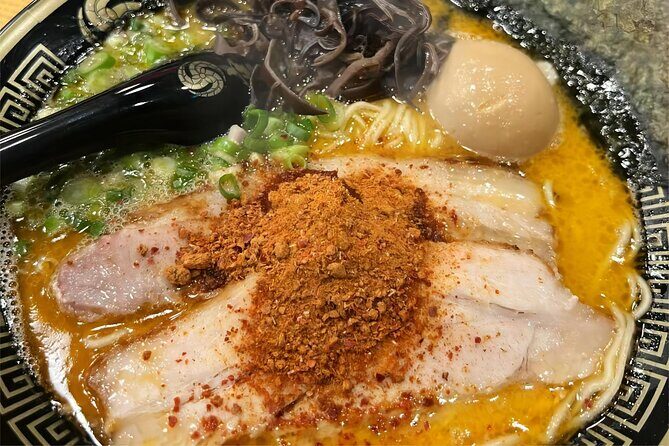
Between market time and Shirakawa-go, the day includes regional food breaks (two blocks of about 30 minutes each).
Don’t assume it’s one formal sit-down lunch. Think of it more like: time for a hot bowl, a local snack, and a reset so you don’t fade mid-afternoon. If you’re sensitive to cold, these windows are also your chance to warm up and keep your energy steady for the snow season walking later.
Since meals aren’t included, use these pauses as your meal plan anchors. If you skip them, you might end up paying more later or eating less comfortably.
Shirakawa-go: gassho farmhouses and the Shiroyama viewpoint
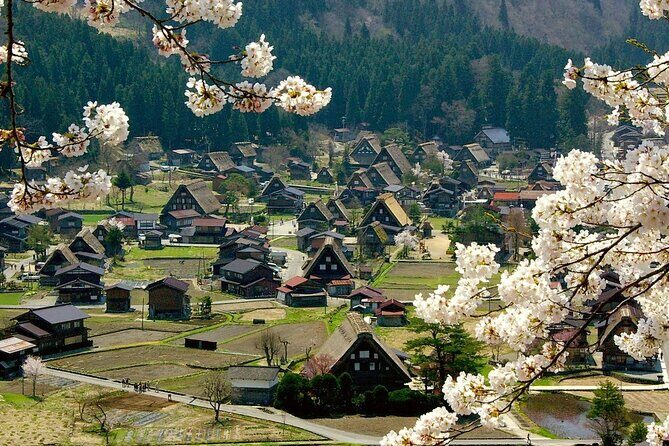
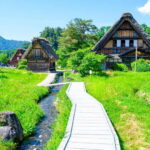
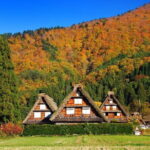
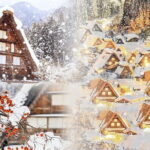
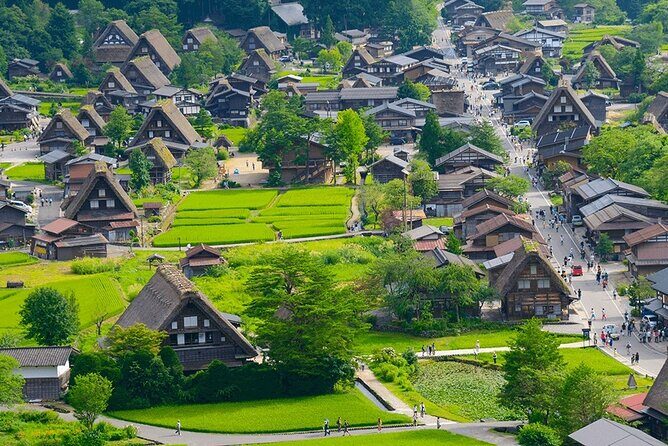
Shirakawa-go is why this tour exists. The village is known for its gassho-style farmhouses with steep thatched roofs, built to handle heavy snowfall. The visual impact in winter is what most people come for, and it’s easy to see why: even from a distance, the roofs and angles read like they were made for this weather.
You’ll have about 2 hours of time in Shirakawa-go with photo stops, free time, and sightseeing/scenic viewing on the way. Then there’s an additional stop with sightseeing and walking for about 30 minutes.
Shiroyama Observation Deck: plan for possible entry cost
There’s a viewpoint stop at the Shiroyama Observation Deck with dramatic mountain background views. Since admission tickets aren’t included on the tour, I’d treat the deck as potentially ticketed entry. If you want to go up, budget time and a little extra cash just in case.
This stop is one of the best uses of your energy that day. Walking around the village gives you detail, but the deck gives you the full layout. It’s the difference between “I saw the houses” and “I understand how the village sits in the valley.”
Rakuto café near Ogimachi: the warm break with extra fun
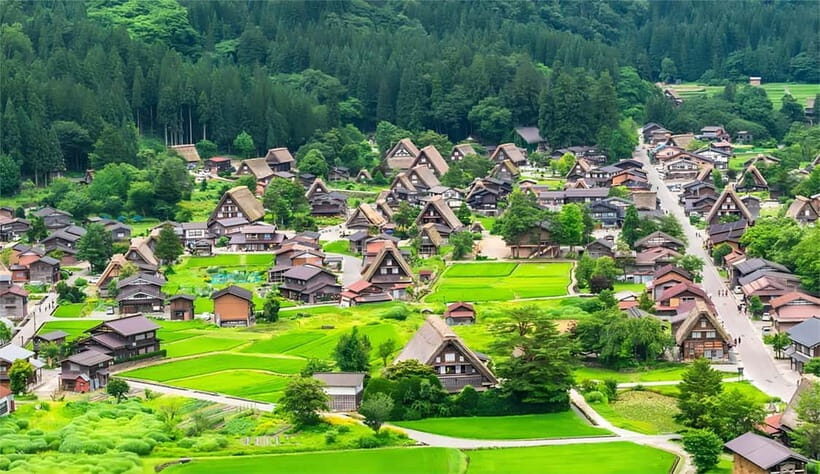
For a change of pace, there’s a visit to Rakuto, a gassho-style café featured in ONE PIECE. If you’re a fan, it adds an extra layer of recognition on top of the traditional setting.
You can treat this as your recharge time. The café is known for red bean porridge and dango, and in winter that matters. It’s easy to underestimate how quickly a cold day can drain your appetite and your patience. A warm, sweet break helps you keep enjoying the village instead of just surviving it.
The address is 792 Ogimachi, Shirakawa Village, and like the other stops, it’s part of the self-guided flow.
Winter illumination on Jan 25 and Feb 1: the “night glow” payoff
On Jan 25 and Feb 1, the tour includes Shirakawa-go Winter Illumination. That seasonal element is a big reason to pick the right date instead of going any random day.
The value here is that winter light changes how the thatched roofs and snow surfaces look. You’re not only capturing the village in daylight—you get a more cinematic scene where darkness frames the buildings. If photography is your thing, this is the day-night contrast you want.
If you’re traveling on dates other than Jan 25 or Feb 1, you’ll still get Shirakawa-go winter scenery, just without the illumination timing.
If Shirakawa-go is blocked: Gujo Hachiman as the fallback
Weather is the wildcard in this region. The tour includes an important contingency: if Shirakawa-go becomes inaccessible due to heavy snow or highway closures, the plan changes to Gujo Hachiman.
This matters because winter travel isn’t about your wish list. It’s about roads, timing, and whether the route is safe. Having a backup village reduces the chance of getting stuck with a half-day disappointment.
Timing and pacing: where you’ll feel the pressure (and where you won’t)
This is a full-day format: multiple travel segments, two main destinations, and some extra stops. Most of the day is enjoyable walking, but the “pressure points” are predictable:
- The bus rides in the cold can make you want to move as soon as you arrive.
- Walking time adds up, especially in snow or slush.
- Free time is great, but it also means you should be aware of your internal clock so you don’t get lost in the charm and miss the return.
Here’s the way I’d pace it:
- In Takayama, shop and eat, but don’t overcommit to “just one more shop.”
- In Shirakawa-go, prioritize the viewpoints (like Shiroyama) early, when you have energy, then enjoy the village streets and café after.
If you’re traveling with someone who needs lots of frequent seated breaks, factor that into how you spend your free time.
What to bring (and what actually helps)
Bring cash. Admission tickets and extra food purchases are not included, and cash keeps things easy if card readers aren’t convenient in small spots.
Dress for cold walking. The tour includes winter locations where snow and wind are real concerns. Weather-appropriate layers help more than any single “winter accessory.”
Also, download the app for WhatsApp communication. It’s mentioned as important for smooth contact, and you don’t want to be hunting for service while the bus is waiting.
Who should book this tour
This tour makes sense for:
- First-time visitors to central Japan who want big highlights without planning every connection
- People who like a mix of guided context and self-guided wandering
- Winter photographers who want the chance for the illumination on the right dates
It may not be the best fit if:
- You need lots of structured explanation about building methods and specific architectural details
- You want meals fully handled (they’re not included)
- You’re over 75, since it’s listed as not suitable
Should you book: my practical recommendation
If you want a one-day way to see both Hida Takayama and UNESCO Shirakawa-go from Nagoya, this is a strong booking. The ride is long, but the day is organized so you’re not just transporting—you’re walking, eating, and photographing at the right moments.
Book it if you’re okay planning your own meals and possibly paying small extra costs for viewpoint entry. Pick Jan 25 or Feb 1 if winter illumination is a must for you. Skip it if you’re hoping for a highly technical, lecture-style architecture deep dive or if you don’t handle long cold days and walking well.
FAQ
How long is the tour?
It runs for about 10 hours total, including roundtrip transport from Nagoya.
Where do I meet the guide in Nagoya?
Meet at Nagoya Eki Taikodoriguchi, Shinkansen North Exit (address listed with the meeting point). The guide will be holding a flag.
What languages is the live guide available in?
The tour offers a live guide in English, Chinese, Traditional Chinese, and Japanese.
Is the winter illumination included?
Shirakawa-go Winter Illumination is included on specific dates: Jan 25 and Feb 1.
Are meals included in the price?
No. Meals are not included, and you’ll cover self expenses for food and drinks.
Are admission tickets included for viewpoints or attractions?
No. Admission tickets are not included, so you may need to pay separately for places that require entry (including viewpoints).
What if Shirakawa-go can’t be reached because of snow?
If Shirakawa-go is inaccessible due to heavy snow or road closures, the itinerary changes to a visit to Gujo Hachiman.
How does the guide contact you before departure?
The guide contacts you via WhatsApp, so you should download the app for smooth communication.
Do I need cash?
Yes. It’s listed as something to bring.
Is the tour suitable for older travelers?
It’s listed as not suitable for people over 75 years.