REVIEW · TOKYO
One day trip to Hakone from Tokyo with English speaking Driver
Book on Viator →Operated by Discover Sakura Japan · Bookable on Viator
Hakone without the Tokyo hassle. This private Hakone day trip is built around a calm, door-to-door ride with an English-speaking driver, so you spend the day on views instead of route math. I like how it strings together Lake Ashi and Hakone classics like the Hakone Ropeway, and I love that you get a flexible plan without losing the efficiency of a full 9–10 hour day.
One consideration: many of the headline activities are ticketed, and you pay those optional admission fees on-site. It also means you’ll want to budget extra time for transfers and possibly for popular photo spots, even with a driver pacing the day.
In This Review
- Key things to know before you go
- Private Hakone from Tokyo: comfort, timing, and why it matters
- The Mishima Skywalk stop: a fast Fuji view with a walk you’ll feel
- Lake Ashi: Heiwa no Torii and a pirate ship cruise
- Hakone Ropeway and Owakudani: the volcanic viewpoints that change the vibe
- Art museums that actually work in a one-day plan
- Kowakien Yunessun: hot spring theme park time without the guesswork
- Price and value: is $352 per group actually a bargain?
- How to make the day feel easy: pacing, photos, and weather
- Should you book this Hakone private day trip?
- FAQ
- How long is the Hakone day trip from Tokyo?
- Is the tour private or shared?
- What’s included in the price?
- Are entrance tickets included?
- Is pickup from Tokyo included?
- Can I cancel if plans change?
Key things to know before you go
- Private, up to-4 comfort: your own air-conditioned vehicle and an English-speaking chauffeur for a smoother day than trains.
- Door-to-door pickup option: you don’t need to juggle stations, luggage space, or schedule timing.
- Lake Ashi is the photo backbone: torii gate views plus a themed pirate ship cruise make it easy to get great scenes.
- Volcano + mountain views, not just scenery: Ropeway + Owakudani give you that real Hakone flavor.
- Easy pace with guidance in the car: the driver offers insights between stops, so you’re not stuck reading alone.
Private Hakone from Tokyo: comfort, timing, and why it matters
Hakone can be a lot easier if someone else handles the driving. This is a private day trip from Tokyo in an air-conditioned vehicle, priced per group up to 4 people, with fuel/parking/toll fees covered. You also get bottled water and a chauffeur who speaks English, which is a big deal when you’re trying to understand what you’re seeing.
The schedule runs about 9 to 10 hours, so it’s long enough to cover multiple zones of Hakone, but not so long that you feel crushed by transit the whole time. What I like most is that the itinerary has clear anchors—Lake Ashi, the Ropeway area, and Owakudani—while still being customizable. That means you can slow down if the group is enjoying one stop more than expected.
The driver also helps in practical ways: you get explanations mostly while you’re in transit, not during a formal guided museum lecture. In real life, that works well, because you’re moving toward the next sight with context already in your head.
And yes, car comfort counts. In one shared experience, a driver named Aki checked in on comfort and even adjusted the car temperature as needed. Another driver, Sam, was praised for smooth driving and for making the day feel stress-free door to door. Those are the little things that turn a busy day into a calm one.
A few more Tokyo tours and experiences worth a look



The Mishima Skywalk stop: a fast Fuji view with a walk you’ll feel
Your first highlight is Mishima Skywalk, a 400-meter pedestrian suspension bridge. It’s the kind of stop where you quickly get the point: big views, some height, and a strong sense of place in the Shizuoka area.
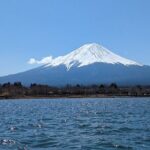
The time block here is about 1 hour 30 minutes, which is usually enough for the walk, photos, and a breather before you roll on to Hakone. You’re looking out over Mount Fuji (when visibility is good), Suruga Bay, and surrounding forest areas.
Two practical notes. First, since it’s a bridge walk, bring shoes that feel secure. Second, the experience is weather-sensitive—if visibility is low, the bay and forests can still look great, but Mount Fuji may be harder to spot.
Admission for Mishima Skywalk is not included, so plan to pay on-site if you want to cross. This is typical for private day tours: you’re buying the logistics and guidance, and you pay individual attractions as you go.
Lake Ashi: Heiwa no Torii and a pirate ship cruise
Hakone’s lake area is where the day turns into real postcard territory.
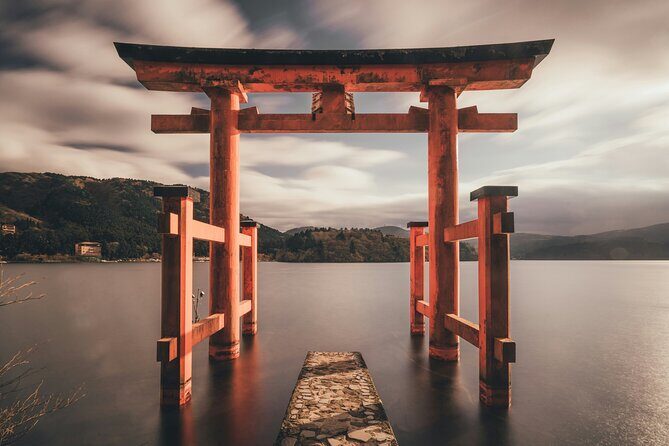
At Heiwa no Torii, you get the classic bright red torii gate sitting half-submerged in Lake Ashi. It’s often photographed from the shore, so even if you’re not planning a long walk, you can still get that iconic composition. This stop is about 1 hour, and entry is free, so it’s an easy win.
From there, the tour moves to Hakone Shrine, a historic Shinto shrine at the foot of Mount Hakone. The grounds run alongside cedar trees and the lakeside setting gives it a quieter feel than many tourist areas. This stop is about 1 hour, and shrine entry is also free.
Then comes a fun twist: the Hakone Pirate Ship cruise from Togendai Port. The boat is a themed sightseeing ship, and the cruise is about 1 hour. Even if you’re not usually excited by themed attractions, the value here is the pacing. You’re getting an extended chunk of lake views without worrying about walking distance or lines for buses.
Ropeway and pirate ship tickets are not included, so you’ll pay on-site. The upside is you can choose how much you want to commit when you’re standing there and checking your energy level.
If you care about photos, here’s a small strategy: spend your time standing first, then move for angles. The torii and the shrine shoreline are fixed landmarks, so once you choose your spot, you can work it like a slow photographer rather than chasing your group.
Hakone Ropeway and Owakudani: the volcanic viewpoints that change the vibe
After Lake Ashi, the day shifts from calm lakeside beauty to “Hakone is a volcano” territory.
The Hakone Ropeway is an aerial cable car route connecting Sounzan and Togendai. It runs about 1 hour on the schedule, and it’s timed so you’re not just sitting in the vehicle. Along the ride, you get expansive views of the surrounding mountains and, when visibility allows, Mount Fuji. Admission for the Ropeway is not included, so again you’ll pay at the site.
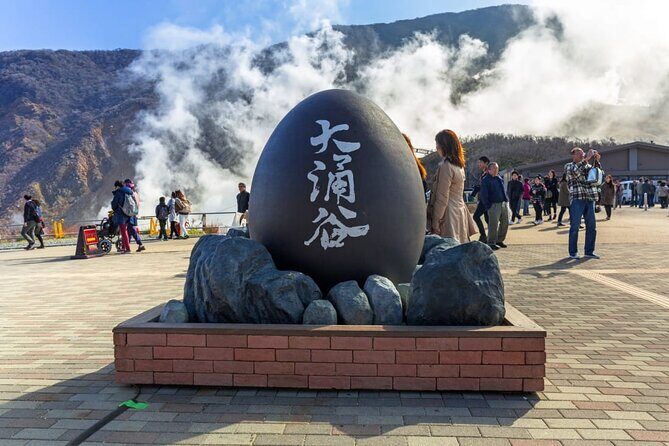
Next up is Owakudani, specifically the viewpoint area listed as Owakudani Kurotamago Kan. Your allocated time is about 1 hour. This area is known for intense volcanic activity seen up close, and it’s one of those Hakone stops that feels different from everything else because you’re literally looking at geothermal forces at work. Entry is marked free in the tour schedule.
A practical thought: this area can be a little intense in the air near volcanic zones. Plan for sensory changes—strong smells and warmer spots than you expect. You’ll feel it more than you’ll read about it, and that’s part of the point.
If your group likes learning as they go, this is a good place to ask the driver what they recommend you focus on during the walk. Explanations given between stops help you understand what you’re seeing before you even arrive.
Art museums that actually work in a one-day plan
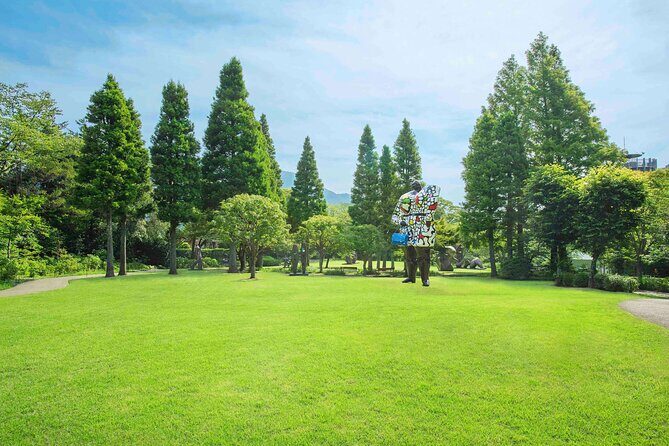
Hakone isn’t only nature. The route includes two art-focused stops that break up the sightseeing rhythm so the day doesn’t feel like nonstop viewpoints.
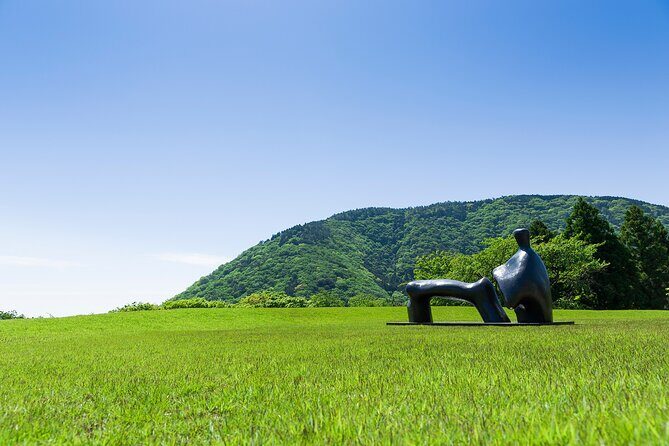
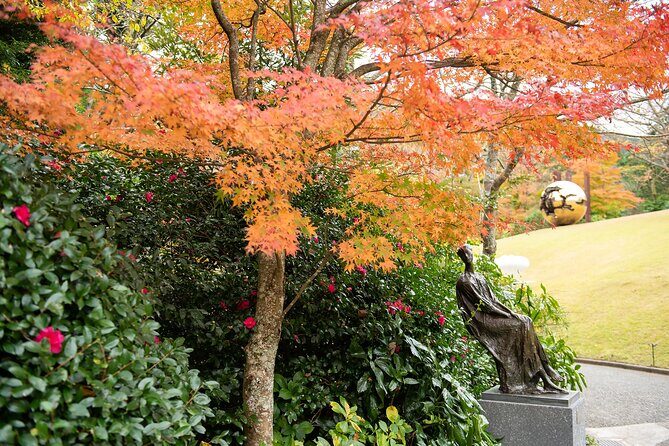
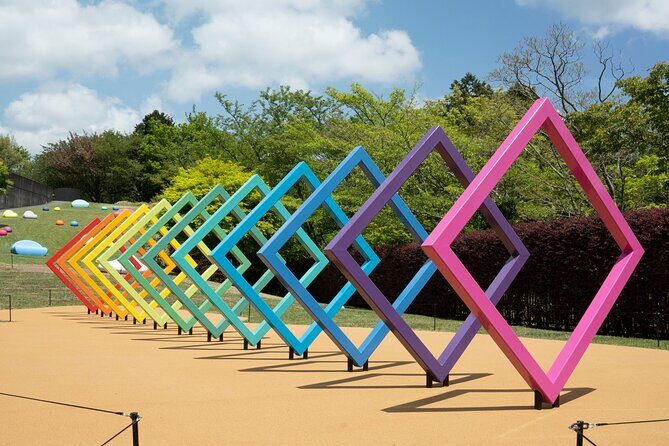
First is the Hakone Open-Air Museum. It’s Japan’s first outdoor art museum, set in a large garden environment with mountains around it. The schedule gives about 1 hour 30 minutes, which is a comfortable window to stroll the main areas and see works across the property. Admission is not included.
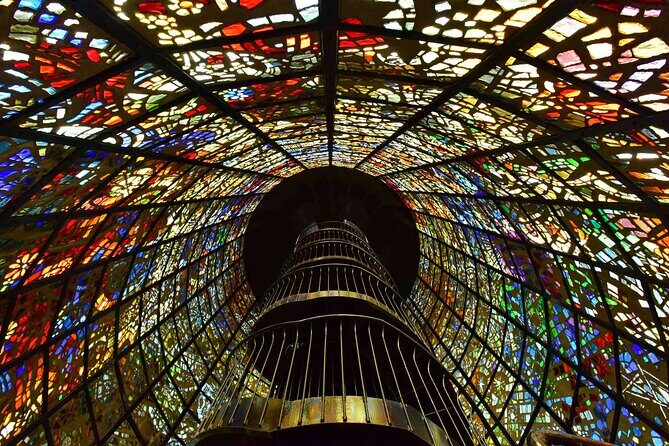
Then there’s the Hakone Venetian Glass Museum. This one recreates the charm of an Italian villa setting, with gardens, canals, bridges, and shimmering crystal art. Time is about 1 hour, and admission is also not included.
Here’s why I think this pairing makes sense for a one-day Hakone trip. Outdoor gardens and art stops provide a reset. After volcano steam and cable car views, you get a more gentle pace, and the setting helps you slow down without wasting time.
Downside to consider: if your group doesn’t care about museums or shopping-style exhibits, you might feel these stops could be swapped for more nature time. Since the tour is described as customizable, you can often adjust if you ask early and keep expectations realistic about how much can fit into a 9–10 hour window.
A few more Tokyo tours and experiences worth a look

Kowakien Yunessun: hot spring theme park time without the guesswork
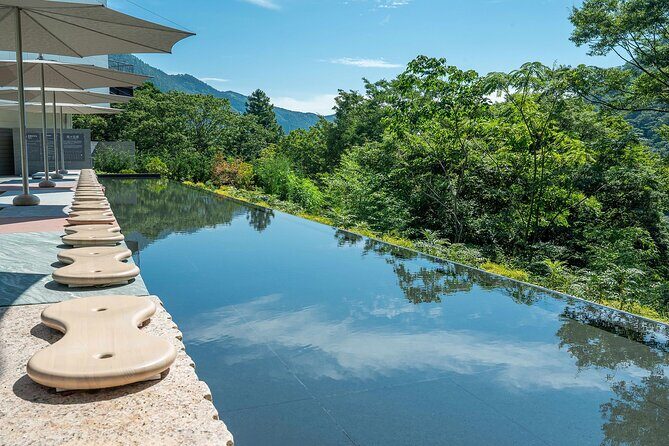
For relaxation, the itinerary includes Hakone Kowakien Yunessun, a hot spring theme park. Your time here is about 1 hour, and admission is not included.
This is not the typical quiet onsen village experience. It’s designed as a theme park that blends traditional onsen baths with playful pools themed around things like wine, coffee, green tea, and sake. Even if you don’t care about the themed naming, it’s a fun way to end a tour day with warm water and a change of pace.
One practical thing: hot spring rules and logistics can vary by site, and the tour data doesn’t list detailed do’s and don’ts. So when you arrive, follow onsite signage carefully and plan to arrive ready for the local format.
Price and value: is $352 per group actually a bargain?
The price is $352.16 per group, up to 4 people. If you fill all seats, you can think of it as about $88 per person for the transportation and the chauffeur service (before any optional admissions). That’s the key value driver here: door-to-door private logistics and English guidance.
Included items are meaningful for a one-day trip: air-conditioned vehicle, bottled water, an English speaking chauffeur, and the fuel/parking/toll fees. When those costs are included, the day feels simpler and less like you’re constantly checking what’s extra.
The potential “extra” cost is admissions. Some stops are free (like Heiwa no Torii, Hakone Shrine, and Owakudani), while others are ticketed (like Mishima Skywalk, the pirate ship cruise, the Ropeway, the Open-Air Museum, the Venetian Glass Museum, and Kowakien Yunessun). Since you pay on-site for optional entries, your final total depends on how many paid attractions you do.
Who it’s best for: small groups who want a smooth schedule, people who don’t want to plan transfers between multiple Hakone zones, and anyone who values explanations in English so they can enjoy the sights faster.
If you’re traveling solo or as a couple, it may still be worth it for convenience, but the per-person math can feel less impressive since the price is based on group cost rather than individual fares.
How to make the day feel easy: pacing, photos, and weather
Hakone in a single day is always a balancing act. You’re mixing lakeside stops, viewpoints, and two museums plus hot springs. The trick is to treat each stop as a focused segment rather than trying to do everything at maximum speed.
A few pacing tips that fit this kind of itinerary:
- Use your time at free stops (like the torii and shrine) for one clean photo angle, then wander at a relaxed pace.
- At ticketed sites, decide quickly what you want. Waiting to figure it out after you pay tends to steal time.
- Bring a layer. Cable cars and higher viewpoints can feel cooler even when Tokyo is warm.
- If Mount Fuji is not clearly visible, don’t panic. You still get mountain views, bay views, and the geothermal atmosphere.
The driver matters here. In one experience, the chauffeur Aki was praised for asking if everyone was comfortable, including the car temperature. That kind of attention keeps the group from getting cranky when the day runs long or the sun shifts.
Also, when photo spots have long lines, you’ll do better with a plan than with frustration. The positive feedback you’ll hear about Sam and Aki tends to connect to the idea that the day doesn’t feel chaotic—you’re guided through waiting and moving rather than left to manage it all yourself.
Should you book this Hakone private day trip?
Book it if you want an efficient Hakone sampler with English-speaking guidance, comfortable transport, and clear stops that cover the big hitters: Lake Ashi torii views, a Lake Ashi cruise, the Ropeway, and Owakudani.
Skip or reconsider if your group hates ticketed admissions and would rather build a fully free, self-paced day using trains. Also reconsider if art museums and hot spring theme parks sound like a low priority, because they do take real time in the schedule.
For most first-time visitors, the decision comes down to one thing: do you want to spend energy on enjoying Hakone, or do you want to spend energy figuring out transport and timing? If you’d rather enjoy Hakone, this format is a solid value—especially when you can fill a group of up to four.
FAQ
How long is the Hakone day trip from Tokyo?
It runs about 9 to 10 hours.
Is the tour private or shared?
It’s a private experience, and only your group participates (up to 4 people).
What’s included in the price?
The tour includes bottled water, an air-conditioned vehicle, an English-speaking chauffeur, and fuel/parking/toll fees.
Are entrance tickets included?
No. Entry/admission fees are optional and are paid on-site.
Is pickup from Tokyo included?
Pickup is offered, and the tour also uses a mobile ticket.
Can I cancel if plans change?
Yes. Free cancellation is available, with full refund if you cancel up to 24 hours in advance.