REVIEW · OSAKA
Osaka Dotonbori: Vegan/Vegetarian Sushi Making Experience
Book on GetYourGuide →Operated by 株式会社SALTE · Bookable on GetYourGuide
Osaka’s Dotonbori is the kind of place where you can turn a busy street corner into a hands-on craft session. This vegan/vegetarian sushi making experience lets you learn the rhythm of sushi in a clear sequence, then dress up for sushi cosplay and take photos while you’re at it. I like that you make a full set of 12 pieces and eat what you make, not just watch.
Two more things I genuinely appreciate: the class is set up for dietary needs (vegan and halal are available), and you get Japanese sake as part of the experience. One possible drawback to plan around: it’s a plant-based class, so if you’re craving classic fish nigiri as the focus, this won’t be a substitute for a traditional sushi counter.
In This Review
- Quick hits before you go
- Getting oriented in Dotonbori: why this class works as an Osaka stop
- What you actually do: the 12-piece sushi workflow
- Step 1: Make the shari (sushi rice) the right way
- Step 2: Shape the rice with control
- Step 3: Add neta (toppings) like you mean it
- Step 4: Final shaping, fingers and patience
- Vegan and halal sushi: what that means in practice
- The fun stuff: sushi cosplay, photos, and the photo-op logic
- Sake with sushi: why the pairing makes sense
- English instruction, guided control, and hands-on supervision
- Value check: is $45 for 90 minutes actually fair?
- Who this class is best for (and who should reconsider)
- What to expect from the vibe: friendly, practical, and photo-ready
- A smart plan for your day in Dotonbori
- Should you book the vegan/vegetarian sushi making experience?
- FAQ
- FAQ
- How long is the Osaka Dotonbori vegan/vegetarian sushi making experience?
- How many pieces of sushi will I make?
- What’s included in the class?
- Is the class suitable for vegans and people who need halal food?
- Is the instructor available in English?
- Do I get to eat the sushi I make?
- Is there sushi cosplay and a photo session?
- Is the activity wheelchair accessible?
- What’s the cancellation policy?
Quick hits before you go
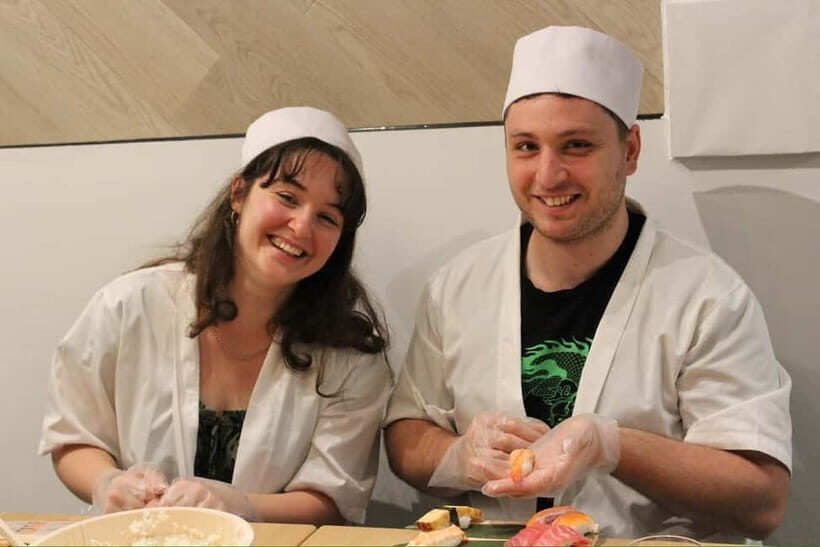
- 12-piece meal: you’ll shape, top, and finish a full set in 90 minutes
- Vegan and halal options: veggie ingredients are used across the class
- Clear sushi process: sushi rice, rice-shaping, topping assembly, final shaping
- Sushi cosplay + photo time: costumes and a fun, photo-friendly moment built in
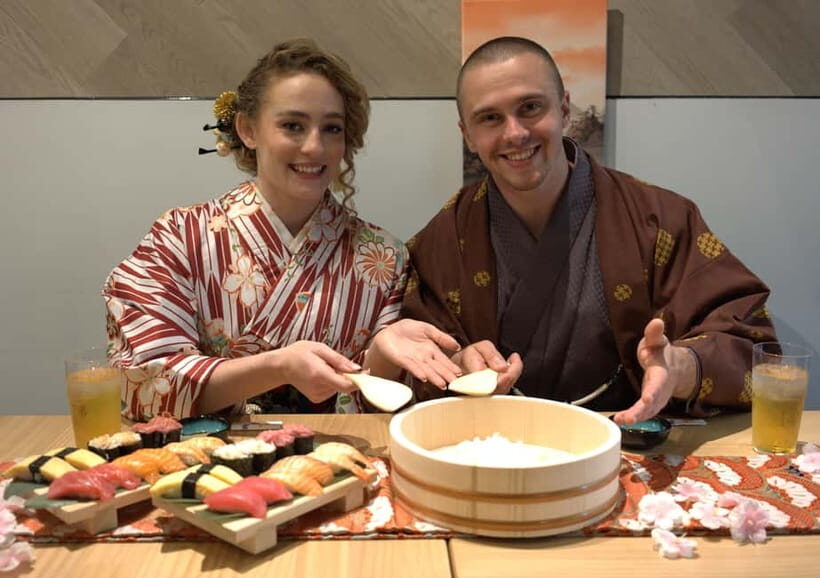
- Sake pairing: enjoy Japanese sake with your sushi
- Sushi master certification: you leave with a certificate, not just a memory
Getting oriented in Dotonbori: why this class works as an Osaka stop
Dotonbori is famous for neon, crowds, and that slap-you-in-the-face Osaka energy. So when you’re deciding what to do besides walking and eating street food, you want something that’s structured, fun, and not a long commute. This sushi making class is built for that.
The schedule is only 90 minutes, and the activity is interactive from the start. That matters in Osaka because the days can get packed fast—between shopping streets, shrine visits, and late-night food hunts. A 90-minute workshop is just enough time to learn something real without stealing half your day.
Also, the location is specifically tied to Dotonbori, so you’re not forced into a long logistics puzzle. In a place where everything looks close but often isn’t, that convenience is real value. You can even pair it with an evening stroll afterward while your hands still remember what you did.
A few more Osaka tours and experiences worth a look


What you actually do: the 12-piece sushi workflow
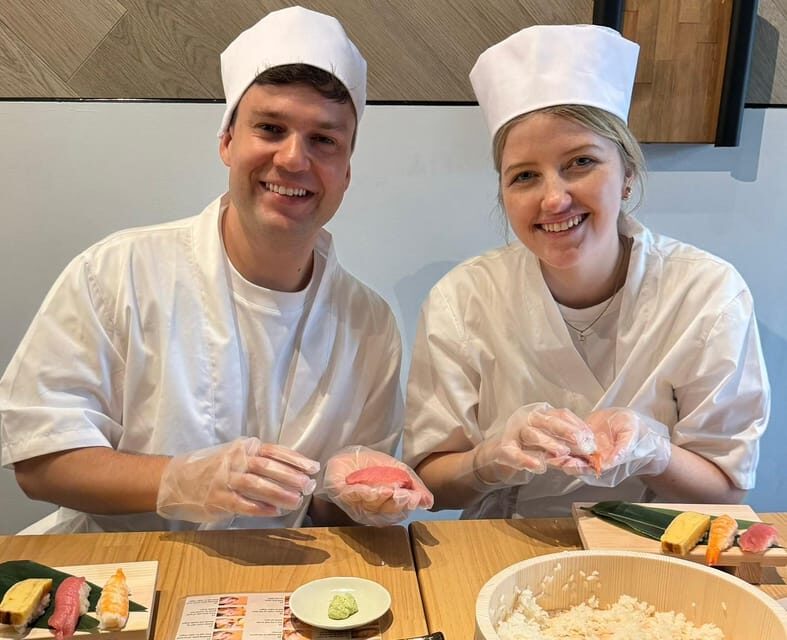
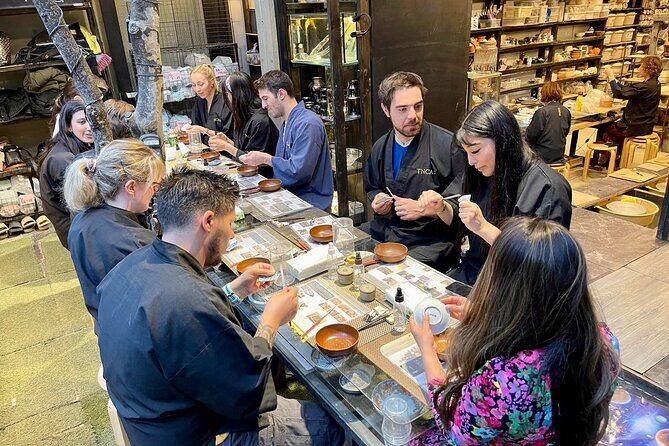
The heart of the class is learning sushi as a process, not as a vague art project. You’ll move through four clear stages, and an English-speaking instructor guides you the whole way.
Step 1: Make the shari (sushi rice) the right way
You start with sushi rice and sushi vinegar. The key step is pouring the vinegar all over the rice so it’s evenly seasoned. This is the part where sushi beginners often get curious, because seasoning can be the difference between sushi rice that tastes flat and sushi rice that tastes like it belongs in a proper counter.
Practical takeaway for you: watch how your instructor spreads the vinegar and how they handle the rice afterward. You want that sticky, cohesive texture that still feels light and fresh—not clumpy.
Step 2: Shape the rice with control
Next comes shaping the rice ball. This is less about speed and more about touch. You learn how to form the rice so it holds together for the final nigiri-style pieces. Expect hands-on coaching here, especially if you’ve never worked with sticky rice before.
If you’re the type who learns best by doing, this is the stage where the class clicks. It also sets you up for success later when the topping has to sit in the right place.
Step 3: Add neta (toppings) like you mean it
Then you assemble the topping. The class guides you to put wasabi on the neta (the topping), and combine topping and rice. This step is important because it teaches a sushi logic that isn’t just visual. The pairing affects flavor distribution.
Even though your sushi is vegan/vegetarian, you’re still practicing the same basic assembly rules sushi chefs rely on: topping preparation, placement, and small flavor accents.



Step 4: Final shaping, fingers and patience
The final step is shaping the sushi using your fingers. This is where you’ll understand how nigiri stays firm enough to hold, but not so tight it feels compressed. The instructor’s hands-on oversight helps you avoid common beginner mistakes like uneven pressure or toppings that slip.
This is also where the class feels most rewarding. You don’t just end with “something edible.” You end with pieces that look like sushi and taste like the real thing—just in a plant-forward format.
Vegan and halal sushi: what that means in practice
The class is designed for people who want sushi without fish-based ingredients. Vegan and halal sushi are available, and the core included ingredients are vegetable-based for your 12 pieces.
That doesn’t mean you’re eating a “fake sushi” version that tries to copy fish. It means you’ll learn sushi technique using plant-based toppings and fillings. If you’re vegan or halal and tired of compromise meals while traveling, this workshop is a straightforward win.
A balanced expectation to keep: plant-based sushi can be very satisfying, but it won’t give you the exact flavor profile of traditional fish nigiri. Think of this as learning the sushi craft with vegetables as the star—not as a swap for a fish-focused chef’s counter.
The fun stuff: sushi cosplay, photos, and the photo-op logic
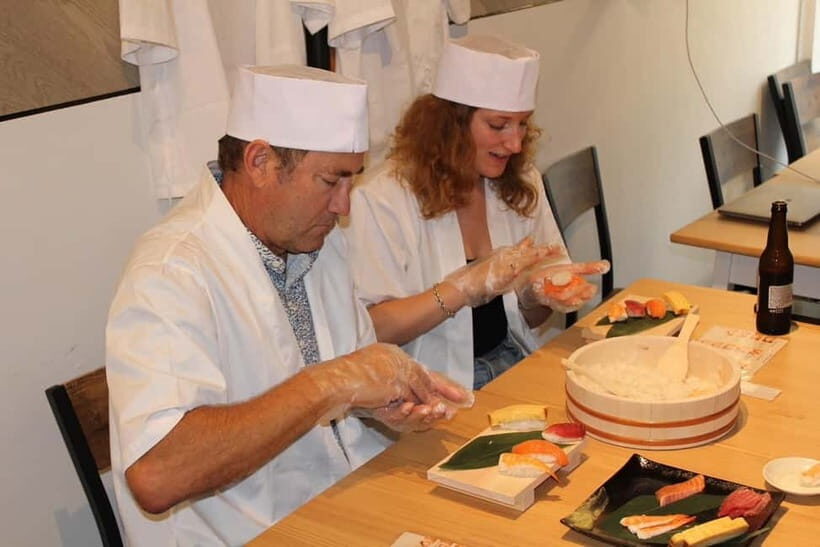
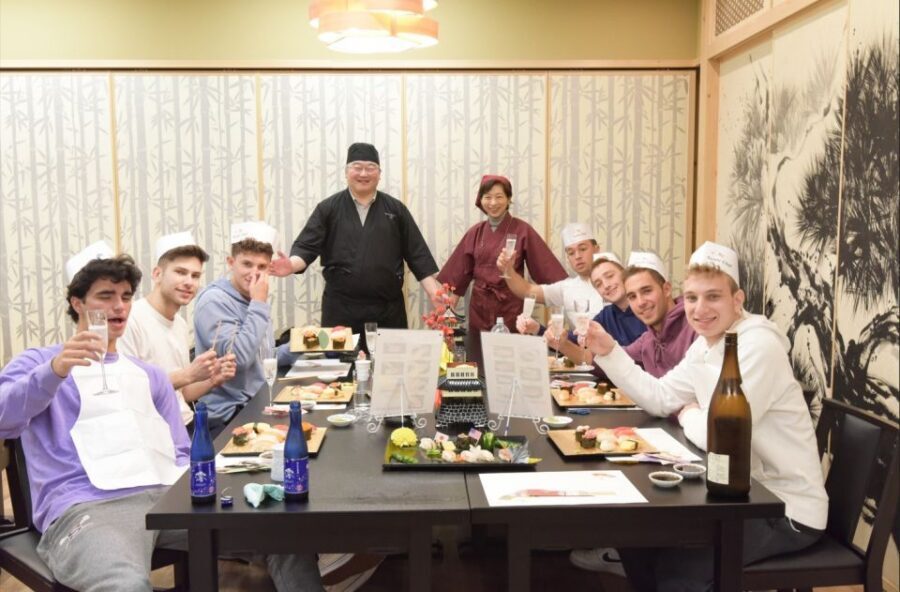
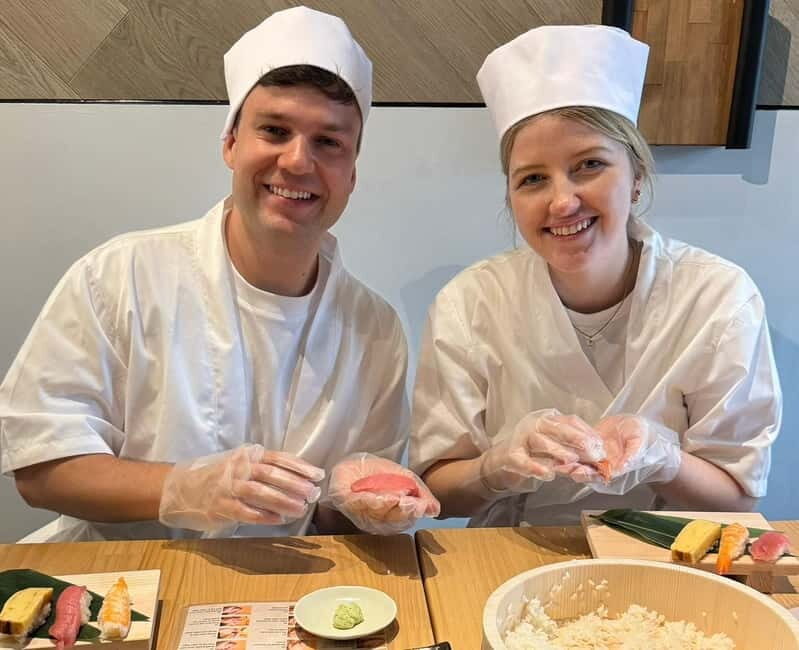
This class doesn’t treat learning as purely serious. It adds a playful layer with sushi cosplay, plus a photo session.
Why this is more than a gimmick: it lowers the pressure. If you’re nervous about “doing it right,” the cosplay and photo time change the vibe from classroom to experience. It also makes a good memory because you’re documenting the moment you made the food.
You may also receive a special gift (the class includes it), and you’ll have your certificate waiting after you finish. Together, those extras help turn a short workshop into an event—something you can look back on.
Sake with sushi: why the pairing makes sense
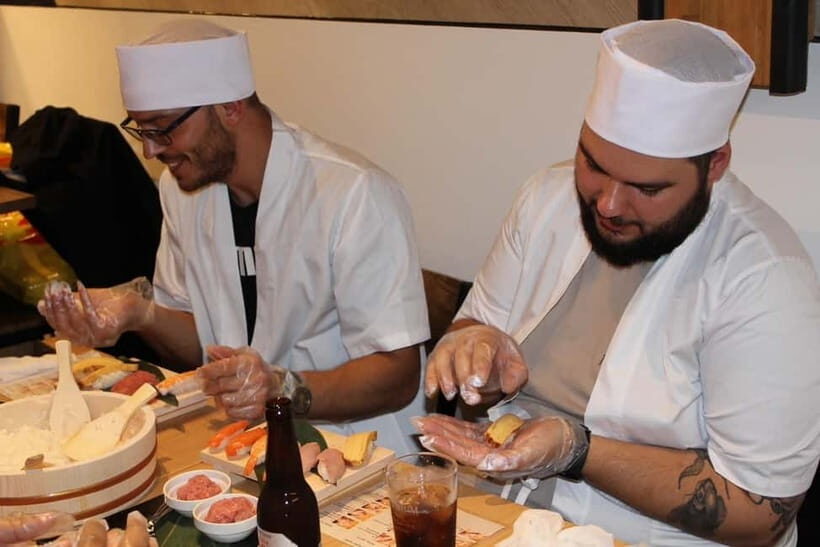
Japanese sake is included with your sushi, so you get a small taste of Japanese food culture beyond just rice and toppings. In a 90-minute format, that pairing is a smart move: it adds an extra sensory dimension without turning the class into a night-long drinking session.
Plan like this: pace yourself. You’ll be using your hands and focusing on technique, so treat the sake as part of the meal experience, not as a separate party.
English instruction, guided control, and hands-on supervision
The instructor is listed as English-speaking, and the class teaches from the basics through the assembly steps. That’s a big deal because sushi technique has a lot of small, practical details. For you, the value is clarity: you’re not left to guess about rice texture, vinegar distribution, or how to balance topping thickness.
In the experience atmosphere, the instruction is also described as friendly and supportive. One detail I picked up from guides’ names shared in bookings: Yumiko and Makoto show up in the class team, and other trainers like Mayo and Cann are also mentioned. If you’re hoping for a class with a warm, guiding style, that consistent praise around specific trainers is a good sign.
Value check: is $45 for 90 minutes actually fair?
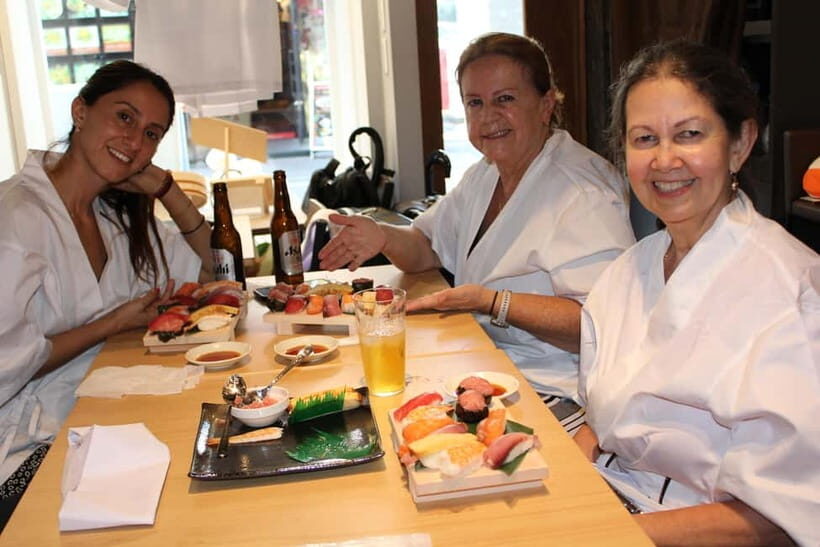
At $45 per person for 90 minutes, the price can feel either reasonable or steep depending on what you expect to walk away with.
Here’s what you’re getting that supports the value:
- 12 pieces of sushi that you make and eat (not a demo-only experience)
- Vegetable ingredients included for the full set
- Sake included
- Sushi cosplay plus a photo session
- A Sushi master certification
- Dietary accommodation for vegan and halal
Compared with many short “food activity” options where the meal portion is tiny or the instruction is vague, this class is more complete. You’re not just paying for entertainment—you’re paying for guided technique plus a full mini meal.
The main cost trade-off is time: 90 minutes means you’re practicing fundamentals and producing a set, not learning every advanced sushi skill a chef would master over years. If you want deep, long-form culinary training, you may outgrow it. But if you want a fun, structured sushi introduction, the price looks sensible.
Who this class is best for (and who should reconsider)
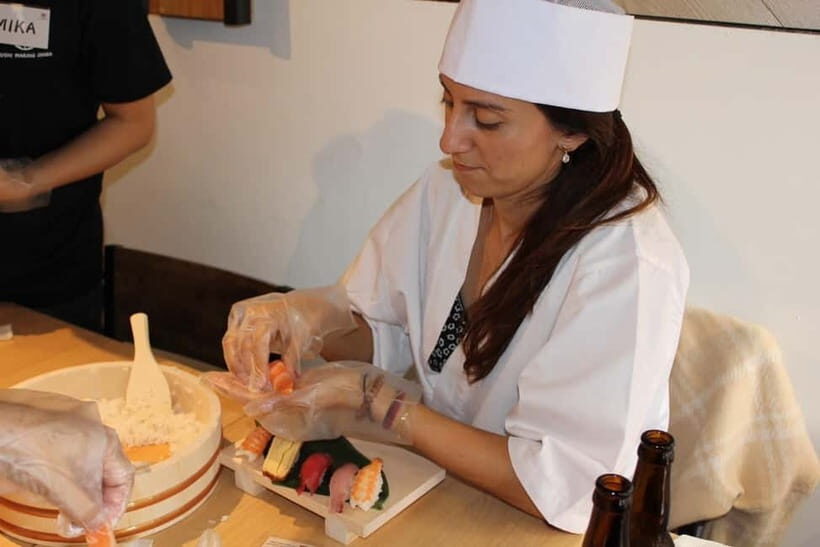
This is a strong fit for:
- First-timers who want to learn sushi technique in a clear, step-by-step way
- Vegans and halal travelers who want a sushi experience that actually follows dietary needs
- Families, including kids, since the format is interactive and designed to be enjoyable
- People visiting Dotonbori who want an activity that’s close, scheduled, and not dependent on finding the right reservation
You might reconsider if:
- You strictly want traditional fish nigiri as the main experience
- You prefer solo activities where you don’t handle sticky rice and toppings
- You’re looking for a longer culinary course with multiple meals or market-style sourcing (this stays focused and short)
What to expect from the vibe: friendly, practical, and photo-ready
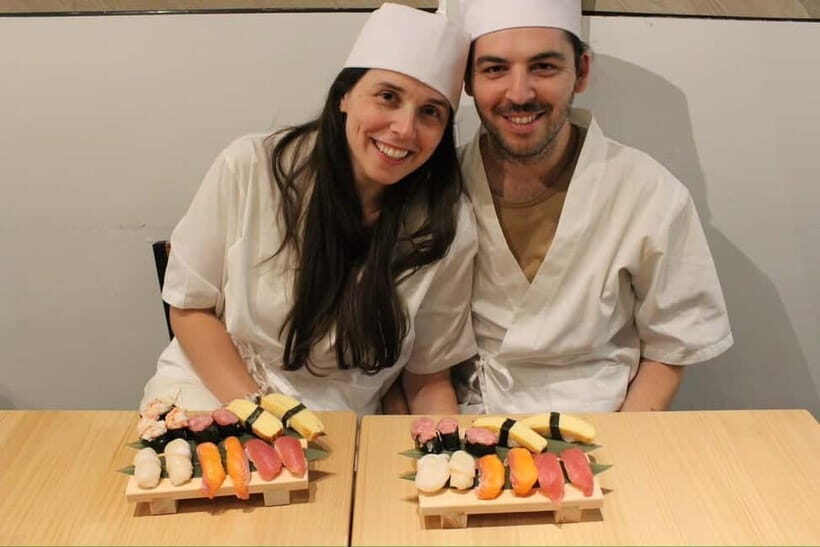
The class tone seems designed to keep you comfortable. You’re taught what sushi is, where ingredients fit in, and how the process works, with staff explaining each stage. For beginners, that matters because sushi can feel intimidating even when it’s simple.
The cosplay component also changes the mood. You’re not only thinking about rice texture—you’re also dressing up. That makes the workshop feel like a real Osaka moment, not an airport-style class.
And yes, you’ll likely leave with that “I did it” pride because you can physically point to the 12 pieces you made.
A smart plan for your day in Dotonbori
To get the most out of this kind of class, I’d build your day around it:
- If you’re doing other Dotonbori food stops, keep them light before class so you’re not too full to enjoy your own sushi.
- Wear comfortable clothes. Sushi rice is sticky. Your hands will be busy.
- Bring a phone you’re willing to use for photos, since there’s a dedicated cosplay/photo session.
If you’re also doing sightseeing after, you’ll be in the right mindset: you’ll understand why sushi works the way it does, so even other food you eat around Dotonbori starts to feel more meaningful.
Should you book the vegan/vegetarian sushi making experience?
If you want a fun, practical sushi lesson in Osaka’s most energetic neighborhood—and you care about vegan or halal options—this is an easy yes. The combination of 12-piece output, sake, cosplay, and a certificate gives you more than a typical short food activity.
Book it if:
- you want an English-taught, guided workshop
- you’re excited by the hands-on shari and nigiri assembly process
- you want a value-rich experience where your dietary needs are supported
Skip it if:
- you’re only interested in classic fish sushi
- you don’t like interactive food workshops or you’d rather watch than make
FAQ
FAQ
How long is the Osaka Dotonbori vegan/vegetarian sushi making experience?
It lasts 90 minutes.
How many pieces of sushi will I make?
You’ll make 12 pieces of sushi.
What’s included in the class?
The class includes vegetable ingredients for your 12 pieces, sushi cosplay, Japanese sake, and a certification of Sushi master.
Is the class suitable for vegans and people who need halal food?
Yes. Vegan and halal sushi are available.
Is the instructor available in English?
Yes, the instructor is listed as English.
Do I get to eat the sushi I make?
Yes. You make the sushi and enjoy it as part of the experience.
Is there sushi cosplay and a photo session?
Yes. Sushi cosplay and a photo session are included.
Is the activity wheelchair accessible?
Yes, it is listed as wheelchair accessible.
What’s the cancellation policy?
Free cancellation is available up to 24 hours in advance for a full refund.