REVIEW · OSAKA
Osaka: Nara, Todaiji, Uji Matcha, and Hot Spring Tour
Book on Viator →Operated by TREVOPEDIA · Bookable on Viator
One day, two classic regions, and a hot soak. This Osaka-to-Nara-and-Uji tour lines up Nara’s sacred deer with Uji matcha stop time and ends with time to relax at Genji-no-Yu. It’s a tight, planned route that helps you see a lot without wrestling buses on your own.
I especially like the contrast: walking among the deer in Nara Park feels playful and immediate, then the tone shifts fast to the scale of Japan’s big temple icons. I also really enjoyed the reset part at the end, because the Genji-no-Yu hot springs are your chance to cool down, warm up, and stop sightseeing for a bit.
The main thing to consider is timing and extra costs. Key sites like Tōdai-ji have admissions listed as not included, and meal/drink-type stops are also not included, so you’ll want a bit of cash set aside and accept that some stops can feel rushed.
In This Review
- Key Highlights You’ll Actually Feel
- How This Full-Day Nara + Uji Tour Works From Osaka
- Price and What You’ll Still Pay Along the Way
- Start Time at 8:30: Getting Ready for a Long Day
- Nara Park Deer Time: Fun Photos With Real-Life Boundaries
- Tōdai-ji Temple and the Great Buddha: Short Stop, Big Impact
- Kasuga-taisha Shrine: A Shinto Pause That Changes the Mood
- Uji Matcha and Byōdoin Temple Phoenix Hall: Tea Town Meets Iconic Architecture
- Genji-no-Yu Hot Springs: Where the Day Finally Lets Go
- Group Size, Pace, and When Things Feel Tight
- Tips to Get the Best Day (So You Don’t Leave Disappointed)
- Who This Tour Suits Best
- Should You Book the Osaka, Nara, Tōdai-ji, Uji Matcha, and Hot Spring Tour?
- FAQ
- What time does the tour start?
- Where is the meeting point in Osaka?
- How long is the tour?
- Is round-trip transportation included?
- Do I need to pay for Tōdai-ji admission?
- Are food and drinks included?
- How long do you spend at Nara Park?
- Does the tour include Uji’s Byōdoin Temple?
- Is Genji-no-Yu hot spring admission included?
- Are tattoos allowed?
- What is the maximum group size?
Key Highlights You’ll Actually Feel
- Nara Park with sacred deer: free-roaming deer and lots of photo moments, but keep a little space and control your snacks.
- Tōdai-ji’s Great Buddha scale: a quick visit, but it hits hard because the Daibutsu is enormous.
- Kasuga-taisha shrine stop: a Shinto break from temples, with centuries of spirit behind it.
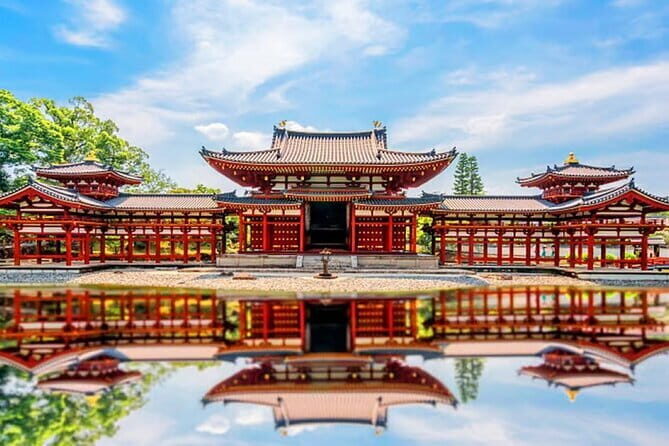
- Uji matcha + Byōdoin Temple (Phoenix Hall): one of the best ways to get the Uji atmosphere and its signature green tea.
- Genji-no-Yu onsen time: indoor and outdoor bathing, plus the comfort of ending with relaxation.
How This Full-Day Nara + Uji Tour Works From Osaka

This tour is built for a full day out of Osaka, running about 8 to 9 hours including transportation. You start at 8:30 am near 1-chōme-3 Nipponbashi Parking and return to the same meeting point. The transport is in an air-conditioned vehicle, which matters because you’ll likely spend a chunk of your day on the road between regions.
The group size is capped at 15, which keeps the day from turning into a chaotic sprint. You also get a multilingual guide and driver, meaning you’re not decoding train transfers or timing your own entry lines.
Value-wise, the headline price looks good for what’s included: round-trip transport from Osaka plus guided movement between locations. The part that changes the budget is what you choose to pay once you arrive, because several site admissions and food/drinks are listed as not included.
A few more Osaka tours and experiences worth a look

Price and What You’ll Still Pay Along the Way
The tour costs $81 per person, and the big value is the logistics: a single booking handles the long-distance day out of Osaka and ties together Nara, Uji, and the onsen. If you were planning solo, you’d likely spend time coordinating trains or buses and still need to figure out how to string together temple timing plus a hot-spring stop.
Here’s the practical part: admissions and meals are not fully baked into the price. Tōdai-ji and Kasuga-taisha have admission listed as not included, and the Byōdoin-related items mentioned for Uji may also come with extra ticketing on-site. Even the hot spring facility is listed with different inclusion labels across stops, so plan to pay if anything is required beyond what’s covered.
Bottom line: this tour is a great deal if you treat it like a guided day with transportation, then budget extra for temple entry and your own food.
Start Time at 8:30: Getting Ready for a Long Day
An early start is part of the deal. You’ll be meeting at Nipponbashi Parking before the day gets too busy, and that helps you fit in multiple stops without losing the whole morning to transit.
Bring practical stuff. Good footwear is a must. The schedule is long enough that your feet will notice if you’re wearing flimsy shoes, especially if the weather is cold and you’re moving between shaded shrine/temple areas. If it’s chilly, wear layers you can peel off once you’re on the move, then put back on if you’re standing around at any viewpoint or waiting for the group to reassemble.
Also note: visible tattoos not allowed. If that applies to you, it can block entry to some facilities, including onsen-style locations.
Nara Park Deer Time: Fun Photos With Real-Life Boundaries

Nara Park is the kind of stop that feels instant. Deer are the star here: sacred and protected, and they roam through a major public park. You get about 1 hour 20 minutes, and that’s enough time to walk around, take photos, and get oriented on foot.
The best way to enjoy Nara deer time is to treat it like you’re sharing space, not trying to control it. Keep your distance, watch your footing, and be careful with food. If you’re holding snacks, keep them secured. Even when deer are calm, they can move fast and appear right where you weren’t expecting them.
This is also a stop where you’ll feel the difference between a rushed visit and a good-paced one. If you keep walking at your own speed inside the park loop (within reason for the group), you’ll get more satisfying moments than if you freeze and wait for perfect photos.
Tōdai-ji Temple and the Great Buddha: Short Stop, Big Impact
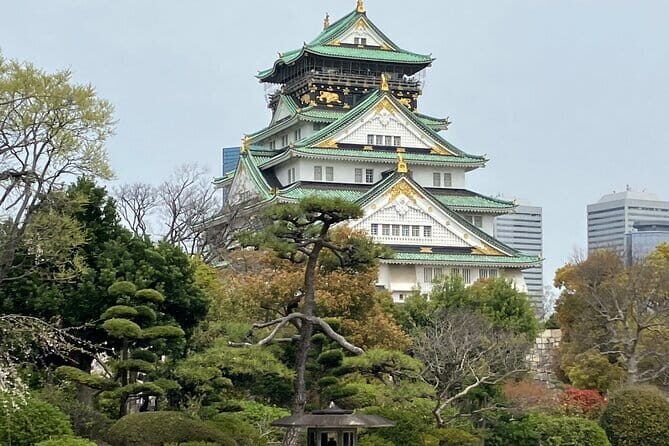
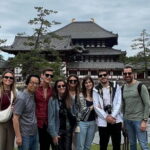
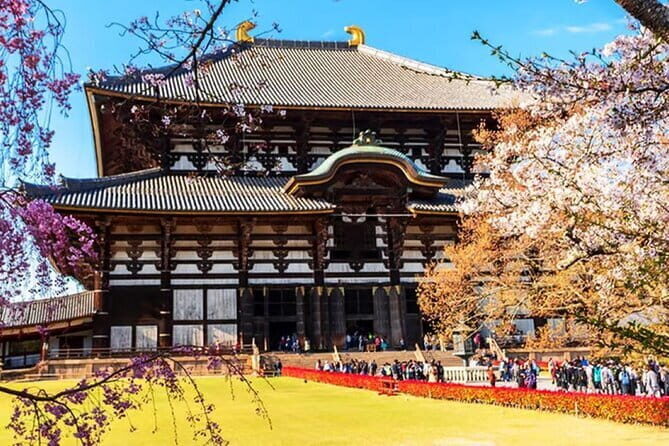
Tōdai-ji is a 40-minute stop with the Great Buddha (Daibutsu) as the headline. This is the massive bronze statue of Vairocana Buddha, described as about 15 meters tall. Even in a limited amount of time, it has that rare effect of making your brain go quiet and just stare.
The drawback is simple: 40 minutes is not a long temple marathon. You’ll want to move smart. When you arrive, pick what you care about most—Buddha hall first, then any surrounding areas you can reach without sprinting. If you’re the type who likes reading every sign, this may feel tight. If you want the iconic sight and a few meaningful side details, it’s a solid use of time.
Admission for Tōdai-ji is listed as not included, so budget that ticket cost. If you’re coming from Osaka and you only get one major temple stop, treat this one as your priority.



Kasuga-taisha Shrine: A Shinto Pause That Changes the Mood
After the Buddhist giant scale, Kasuga-taisha gives you a different spiritual flavor. It’s a Shinto shrine founded in the 8th century, dedicated to Futsunushi no Mikoto and tied closely to the Fujiwara clan. You get about 40 minutes, which works well as a breather between the biggest names.
This stop is best when you slow down a little. Shrines often reward small pauses: noticing the structure, the pathway rhythm, and the sense of tradition. Don’t treat it like a checklist. Even with time limits, you can get a more satisfying experience by paying attention to how the space feels underfoot and how light changes along the approach.
Admission for Kasuga-taisha is listed as not included, so plan for that as part of your temple budget.
Uji Matcha and Byōdoin Temple Phoenix Hall: Tea Town Meets Iconic Architecture
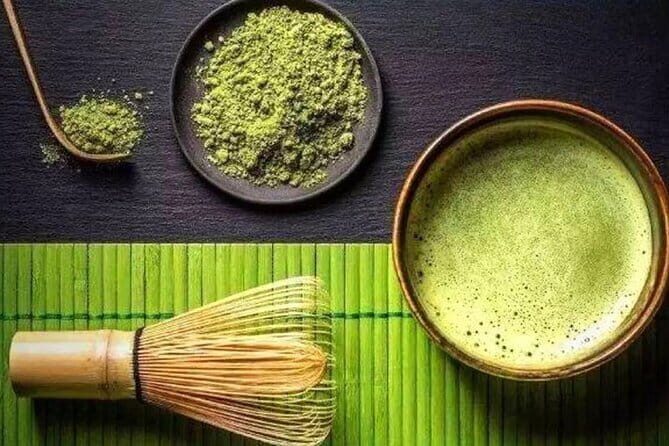
Uji is where the tour switches from parks and temples into a calmer, tea-focused vibe. Uji matcha is a big part of the concept: you’ll have time connected to savoring Uji Matcha at a traditional tea house, and Uji is known for high-quality green tea.
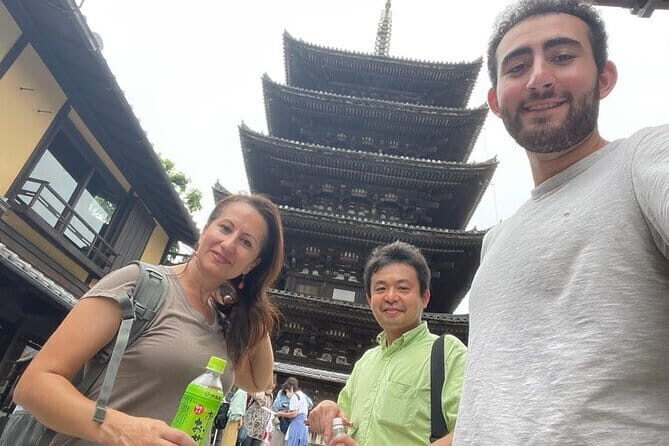
Then, you’re set up to see Byōdoin Temple, a UNESCO World Heritage Site, famous for the Phoenix Hall. This is one of those architecture stops where the view and the building’s reputation do most of the work. Even if you only get part of the site experience, the Phoenix Hall is the kind of sight that anchors your whole day’s theme: from deer and bronze to tea culture and symbolic design.
Two caution points so you’re not caught off guard. First, your “matcha moment” may depend on the day’s schedule, since the tour still has to move between major locations. Second, food and drinks are listed as not included, so matcha-related costs might be extra unless specifically stated otherwise for your booking.
Genji-no-Yu Hot Springs: Where the Day Finally Lets Go
The final phase is the payoff. You visit Uji Natural Hot Spring Genji-no-Yu, with total onsen time listed as 2 hours 20 minutes plus 1 hour 20 minutes across the stops. Admission is shown as free for one segment and included for another, but either way, the structure clearly sets you up for a meaningful soak rather than a quick dip.
What you’ll like here is that you’re not just killing time. The facility includes indoor and outdoor baths, so you can switch modes depending on the weather and your mood. After walking temples and navigating crowds, the simple act of warming up calms your body fast.
If you’re sensitive to cold, the timing of the onsen stop is smart. If you’re planning to photograph before soaking, do it earlier. Once you’re in bath mode, you’ll want to focus on comfort, not squeezing in extras.
Group Size, Pace, and When Things Feel Tight
This tour caps at 15 people, which is a sweet spot for guided days: enough to have energy, not so many that you constantly wait. You’ll also be moving with a driver who handles the road piece, which reduces your stress.
The thing to watch is pacing. The day is packed: Nara Park, Tōdai-ji, Kasuga-taisha, then Uji for matcha, Byōdoin, and hot springs. That’s a lot of “big moments” in one slot, and the tour needs to keep everything within the overall schedule length.
If you prefer slow travel, you might feel the time pressure at the temple stops. If you’re fine with a well-run highlights day, you’ll likely love the structure because it trades decision-making for a plan you can trust.
Tips to Get the Best Day (So You Don’t Leave Disappointed)
A few small choices can make this tour feel smoother:
- Wear good footwear. You’ll be on your feet during park time and moving between temple/shrine areas.
- Dress for cold or changeable weather. You’ll spend time outdoors and also get indoor onsen time.
- Bring a small cash buffer for admissions and any tea/food add-ons since food and drinks aren’t included.
- If you have a tattoo that might be visible, note that visible tattoos are not allowed for this experience.
- If you care about Byōdoin and matcha specifically, treat them as priorities for your mental checklist so you can relax when the day stays on schedule.
Who This Tour Suits Best
This tour fits best if you want a guided, highlights-driven day and you don’t want to plan transit between Osaka, Nara, and Uji yourself. It’s a good match for couples and families who like a mix of walking sights and a true relaxation finish.
It’s also a smart fit if you’re short on time. A full day like this gives you a balanced slice: playful nature with the deer, iconic Buddhist scale, a Shinto shrine pause, tea culture in Uji, and hot spring downtime.
If you’re the type who likes to linger for an hour in each site, you might wish the temple stops were longer. In that case, you’ll still enjoy the sights, but you’ll want to set expectations going in: this is a structured day, not a slow wandering day.
Should You Book the Osaka, Nara, Tōdai-ji, Uji Matcha, and Hot Spring Tour?
I’d book it if you want a well-connected one-day plan that covers the big hits: Nara Park, Tōdai-ji, Kasuga-taisha, Uji matcha, Byōdoin Temple’s Phoenix Hall, and a real onsen finish at Genji-no-Yu. The price makes sense when you value transportation, language help, and not having to map out the day.
I would pause before booking if you hate paying extra on-site for tickets and food, or if you’re hoping for a relaxed pace with lots of free time. Also think twice if tattoos are an issue for you.
If you go in knowing it’s a packed highlights day, you’ll likely feel like you got your money’s worth and came home calmer from the onsen than when you left Osaka.
FAQ
What time does the tour start?
The tour starts at 8:30 am.
Where is the meeting point in Osaka?
The meeting point is 1-chōme-3 Nipponbashi Parking, 1-chōme-3 日本橋 中央区 Osaka, 542-0073, Japan.
How long is the tour?
It runs about 8 to 9 hours, including transportation time.
Is round-trip transportation included?
Yes. Round trip transportation from Osaka is included, using an air-conditioned vehicle.
Do I need to pay for Tōdai-ji admission?
Yes. Tōdai-ji admission is listed as not included.
Are food and drinks included?
No. Food and drinks are not included.
How long do you spend at Nara Park?
You have about 1 hour 20 minutes at Nara Park.
Does the tour include Uji’s Byōdoin Temple?
Yes. Byōdoin Temple is included in the tour overview, and it’s described as a UNESCO World Heritage Site with Phoenix Hall.
Is Genji-no-Yu hot spring admission included?
The stop details show Genji-no-Yu admission as free for one segment and included for another, and the total onsen time is listed across the two stops.
Are tattoos allowed?
Visible tattoos are not allowed.
What is the maximum group size?
The maximum number of travelers is 15.