REVIEW · OSAKA
Osaka Street Food Festival :Takoyaki&Okonomiyaki for Families
Book on Viator →Operated by Takoyaki Party in Osaka: Wear a Happi, Make Your Own Takoyaki & Enjoy Japanese Snacks! · Bookable on Viator
Cooking on a hot grill in your own hands is magic. This Osaka Street Food Festival turns takoyaki and okonomiyaki into a simple, do-it-yourself family event. You also get classic Japanese festival fun: festival-style happi coats, group photos, and games like super ball scooping.
I love that the session is designed for mixed ages, so kids, parents, and even grandparents can all join in without feeling left behind. I also love the way it feeds the group—unlimited dagashi snacks plus meals and drinks—so you are not constantly scanning menus. The main drawback to consider is pacing: at about 1 hour 30 minutes, it’s active and hands-on, so it’s not a long sit-down food tour.
Meeting in Dotonbori puts you right where the street food energy is. The group is capped at 15, which helps keep the class feeling personal even when everyone is excited. If you prefer a quieter experience, this one may feel a bit loud and busy—but for most families, that’s the point.
In This Review
- Key things to know before you go
- Osaka Street Food Festival Energy, Right in Dotonbori
- Cooking Side by Side: Takoyaki Meets Okonomiyaki
- A practical note about mess and heat
- The Happi Coat Moment and Festival Games (Including Super Ball Scooping)
- Unlimited Dagashi Snacks and Drinks: What You’ll Actually Eat
- Snack strategy for families
- How Hands-On Is It for Kids, Parents, and Novice Cooks
- The main consideration: short time, so stay flexible
- Price and Value for Families in Osaka
- Logistics That Matter: Time, Group Size, and Getting There
- Who Should Book This Osaka Street Food Festival (and Who Might Skip It)
- Should You Book Osaka Street Food Festival: Takoyaki & Okonomiyaki for Families?
- FAQ
- How long is the Osaka Street Food Festival experience?
- Where does the experience start?
- Is transportation included?
- Is this experience suitable for families?
- How many travelers can be in a group?
- What is included in the food?
- Are snacks included?
- Are drinks included?
- Is there a mobile ticket?
- Is there free cancellation?
- Are service animals allowed?
- How much does it cost?
Key things to know before you go

- Takoyaki and okonomiyaki side by side, cooked on real teppan grills so everyone can participate
- Unlimited dagashi snacks during the class, plus soda/pop and alcoholic beverages
- Festival games included, including super ball scooping for that real event feel
- Happi coats and group photos, with a fun photo moment built right in
- Small group size (max 15), which matters when you are learning at a hot grill
- A hands-on guide like Jalan, who adjusts support level for beginners
Osaka Street Food Festival Energy, Right in Dotonbori

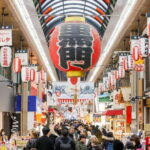
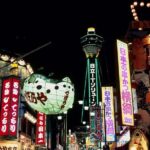
You start at 2-chōme-4-5 Dōtonbori, Chuo Ward, Osaka—which is a big deal, because Dotonbori is where Osaka’s street-food personality shows up loud and fast. This isn’t some quiet studio where you learn recipes and leave. It’s set up like a mini festival experience, tuned for families and groups that want to eat together and have fun.
From the start, you can feel the focus: cook, eat, play, and laugh. The tour wraps back at the meeting point, so you’re not navigating a complicated route with kids or a multi-generation group. That matters. It reduces stress and keeps the energy where it belongs.
Also, because it’s a mobile ticket experience and it runs about 1 hour 30 minutes, you can fit it into a typical Osaka day without blowing up your schedule. You get a concentrated hit of street-food culture and family-friendly activity in one compact block.
You can also read our reviews of more food & drink experiences in Osaka

Cooking Side by Side: Takoyaki Meets Okonomiyaki

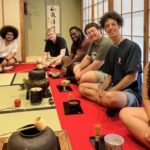
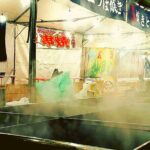
The heart of this experience is doing it yourself, not watching from the sidelines. You make takoyaki and okonomiyaki using the same kind of hands-on approach you’d see in Japanese food culture—standing around the heat, working as a team, and learning by doing.
Here’s what’s especially family-smart about the setup:
- You are not building one dish from scratch for hours. The class structure is built around getting everyone involved and feeding the group during the time you have.
- Using teppan-style cooking means you get real tactile learning—when the surface is hot, you understand timing faster than any explanation on paper.
You’ll be provided the takoyaki ingredients and the cooking utensils, so you aren’t hunting down specialty items or worrying that you arrived without the right tools. And you also get meals (including okonomiyaki) as part of the experience, which is a key value point—this isn’t just snack tasting or a demo where you pay for the show.
If you have beginners in your group, that’s totally workable. In the reviews, people specifically called out how well the guide—Jalan—supported novices and adjusted how hands-on things felt for each person. That kind of guidance is what turns a potentially messy cooking session into a fun group activity.
A practical note about mess and heat
Cooking on a grill means there’s almost always some grease risk and a little chaos. That’s not a reason to skip it—it’s just why you should dress comfortably and plan for the fact that kids may want wipes or napkins nearby. Think “festival” more than “fine dining.”
The Happi Coat Moment and Festival Games (Including Super Ball Scooping)
This is where the experience really earns the name festival. After (or alongside) cooking, you step into the playful side of Osaka street culture.
You’ll wear festival-style happi coats, which instantly makes it feel like you’re part of something local rather than a staged photo op. Then you get a fun group photo moment in that same festival style. For families, it’s a low-effort win: you get photos without coordinating outfits and poses on your own.
And yes, you also get Japanese festival games. One specific game mentioned is super ball scooping. It’s the kind of simple challenge that works across ages—kids can focus on the game, adults can enjoy the laughs, and everyone feels like they’re doing something together rather than waiting their turn.
The effect is real: the class stops being only about food, and becomes a shared experience. For multi-age groups, that balance is often the difference between a good activity and a memorable one.
Unlimited Dagashi Snacks and Drinks: What You’ll Actually Eat

Street food experiences are easy to overpromise. This one does something more useful: it includes plenty of snacks and drinks as part of the package.
You get unlimited Japanese dagashi snacks, plus soda/pop. Alcoholic beverages are also included, which matters if you’re traveling as adults and want a casual add-on without extra purchases. (Just remember age and local rules apply in real life.)
Why unlimited dagashi snacks is a smart inclusion:
- Dagashi is playful and easy to share, so you aren’t stuck with a single item for everyone.
- With unlimited options, kids can try a few and not feel pressured to finish something they don’t like.
- Adults get the fun of exploring snack culture without worrying about adding another stop.
Also, because okonomiyaki is included as a meal, you’re not paying for a “snack class” that ends before you feel satisfied. The session is set up so you actually eat what you cook.
A few more Osaka tours and experiences worth a look


Snack strategy for families
If you’ve got picky eaters, try this approach: start with one savory bite from your cooking, then let kids pick one or two dagashi snacks they want to try. Unlimited doesn’t mean you have to sample everything at full speed.
How Hands-On Is It for Kids, Parents, and Novice Cooks

This class is hands-on by design, but it’s also flexible. One of the standout details from the reviews is that Jalan actively asked how hands-on people wanted to be and then supported the group based on that. In other words, it’s not one rigid mode for everyone.
That matters a lot for families. A grandparent might enjoy stirring and learning while a child wants to do the main steps. A teenager might want to own the cooking station. A parent might need help with the timing. A good guide makes those different comfort levels work in the same shared activity.
For your planning, here’s what you can expect from the structure:
- You will participate in cooking takoyaki and okonomiyaki
- You have utensils and ingredients provided
- You have enough group energy that people can help each other rather than bottleneck
There is also a built-in social rhythm: cooking, then games, then photos and snacks. That prevents kids from getting bored because there’s always a new mini-moment to look forward to.
The main consideration: short time, so stay flexible
At about 1 hour 30 minutes, you won’t have time to slow-walk your way through everything. If you’re the type who needs to take breaks every 10 minutes, plan for a little extra patience. It’s not a problem—just a reality of the format.
Price and Value for Families in Osaka

The listed price is $65.32 per person (with the experience typically booked about 19 days in advance on average). Kids (elementary school and under) are listed at ¥7,000.
How to judge value here:
- You get ingredients for takoyaki, and you get okonomiyaki meals included.
- You get cooking utensils provided.
- You get unlimited dagashi snacks plus soda/pop and alcoholic beverages included.
- You get festival-style happi coats and group photo time.
- You get festival games included.
- The group is capped at 15, which helps keep the experience interactive rather than chaotic.
If you price this like a DIY festival day, it would be easy to spend more across snack stops, drink purchases, and paid activities. Here, those pieces are bundled together. That’s why this tends to work well for families: you can budget, show up hungry, and know you’re getting multiple parts of the experience included.
Also, the duration is compact. For families juggling naps, school schedules, or just limited vacation time, a focused 1.5-hour session is easier to commit to than a long evening class.
Logistics That Matter: Time, Group Size, and Getting There

This experience runs about 1 hour 30 minutes and ends back at the meeting point. That makes it easy to plan around it. You don’t need to build a long transportation chain to get to a final drop-off.
The maximum group size is 15 travelers, which is a meaningful detail. With cooking involved, larger groups can mean longer waits, but this size helps keep attention on each station. It also tends to make it easier for families to move together.
You’ll have a mobile ticket, and the meeting point is near public transportation. Service animals are allowed as well.
One more small planning tip: because it’s an event-style experience, arrive with your group ready to participate. If you come in hesitating and watching from the sidelines, you’ll miss the point of what makes the cooking fun.
Who Should Book This Osaka Street Food Festival (and Who Might Skip It)

This fits best if you want:
- A family-friendly activity where everyone can participate
- Hands-on cooking without requiring advanced culinary skills
- A clear, contained plan in central Osaka (with the Dotonbori meeting point)
- A fun add-on of festival games and snacks, not just food
It’s also a good fit for mixed groups: friends traveling with kids, grandparents included, or people who want something social rather than a silent museum-style outing.
You might skip it if:
- You prefer a quiet, low-energy meal experience
- Your group wants a longer sit-down food tour rather than an active, hands-on session
- You or your kids get overwhelmed easily by cooking heat, noise, or game-time excitement
Should You Book Osaka Street Food Festival: Takoyaki & Okonomiyaki for Families?
If you’re traveling with kids—or you just want a lively group activity that actually includes eating—this is an easy yes. The biggest selling points are practical: you cook both takoyaki and okonomiyaki, you get unlimited dagashi snacks, and you also get festival games plus happi coats for the photo moment.
My advice: book it if your group likes hands-on food, playful challenges, and sharing snacks. If your idea of a great Osaka meal is quiet and slow, you may find the format too active. But for most families, that’s exactly what makes it work.
FAQ
How long is the Osaka Street Food Festival experience?
It lasts about 1 hour 30 minutes.
Where does the experience start?
It starts at 2-chōme-4-5 Dōtonbori, Chuo Ward, Osaka, 542-0071, Japan.
Is transportation included?
No. Private transportation is not included.
Is this experience suitable for families?
Yes. It’s described as family-friendly and designed so children and adults can join in together.
How many travelers can be in a group?
The experience has a maximum of 15 travelers.
What is included in the food?
You get takoyaki ingredients and meals (okonomiyaki).
Are snacks included?
Yes. You get unlimited Japanese dagashi snacks.
Are drinks included?
Yes. Alcoholic beverages and soda/pop are included.
Is there a mobile ticket?
Yes. The tour includes a mobile ticket.
Is there free cancellation?
Yes. You can cancel up to 24 hours in advance for a full refund.
Are service animals allowed?
Yes, service animals are allowed.
How much does it cost?
The adult price is $65.32 per person, and children (elementary school and under) are listed at ¥7,000.