REVIEW · TOKYO
Kintsugi Experience with Arita Ware in Tokyo (English Guide)
Book on GetYourGuide →Operated by Yomiuri Travel Service · Bookable on GetYourGuide
Kintsugi turns damage into something useful and beautiful. This 90-minute Kintsugi workshop in Tokyo lets you work on Arita Ware from a craft tradition that traces back about 400 years, with an English-speaking instructor guiding the whole process at Nihonbashi Mutoh Main Store. The setting matters too: you’re in a shop environment built around fine lacquerware and glassware, not a generic classroom.
What I like most is that you leave with a hands-on souvenir you actually made, and the session time is long enough to feel like you completed something real, not just tried it once for show. Your biggest consideration is care afterward: the repaired piece needs about a week of indoor drying, and you have to hand-wash it gently and use it for decoration, not eating or drinking.
In This Review
- Key things to know before you book
- Finding meaning in broken porcelain at Nihonbashi Mutoh
- Your Kintsugi workshop setup: what you’ll make and what you can bring
- Learning Kintsugi basics without feeling lost
- Why Arita Ware makes this class feel special
- Inside the workshop timeline: how the 90 minutes usually feel
- The take-home reality: drying, washing, and using your repaired piece
- Value check: is $139 worth it?
- Who this Kintsugi workshop suits best
- Booking tips: timing, readiness, and what to bring
- Quick, honest FAQ (before you commit)
- FAQ
- How long is the Kintsugi experience in Tokyo?
- Where do I meet for the Kintsugi workshop?
- Is there an English-speaking instructor?
- Do I get to take something home?
- Can I bring my own broken pottery or porcelain?
- How do I care for the repaired piece after the workshop?
- Is this experience suitable for children?
- Should you book this Kintsugi Experience with Arita Ware?
Key things to know before you book
- 90-minute hands-on session that walks you through Kintsugi steps without rushing.
- English-speaking instructor makes the process clear even if you’re new to Japanese craft terms.
- Arita Ware focus using porcelain tied to Japan’s earliest porcelain production story.
- Small group (up to 10) keeps the pace calm and questions easy.
- Optional bring-your-own item rules let you repair a small ceramic or porcelain piece.
- Take-home plate included, plus you’ll learn the do’s and don’ts for drying and washing.
Finding meaning in broken porcelain at Nihonbashi Mutoh
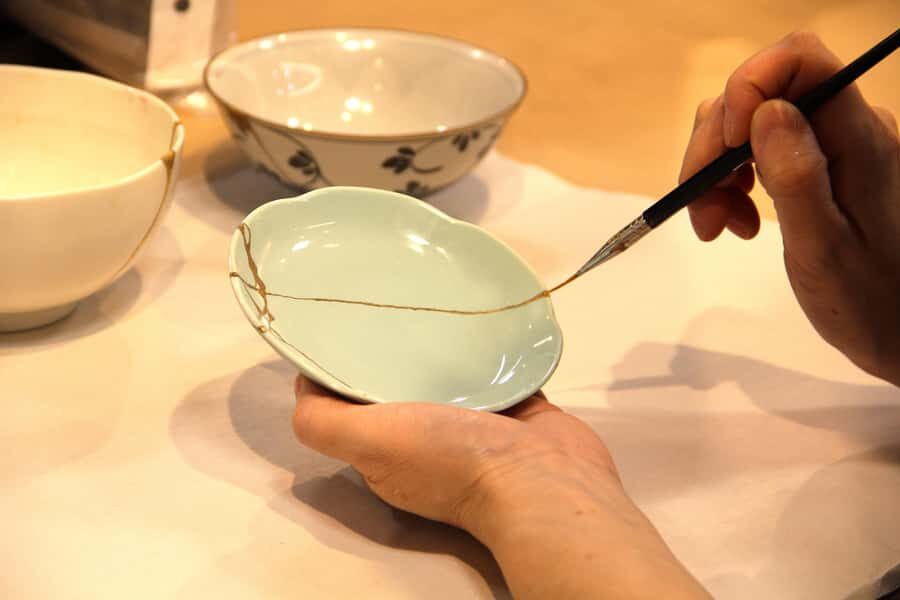
Kintsugi isn’t just a repair method. It’s a way of seeing—where you stop hiding a break and start celebrating the line where it happened. That attitude fits Tokyo well, because the city is full of objects that have lived long enough to show their age.
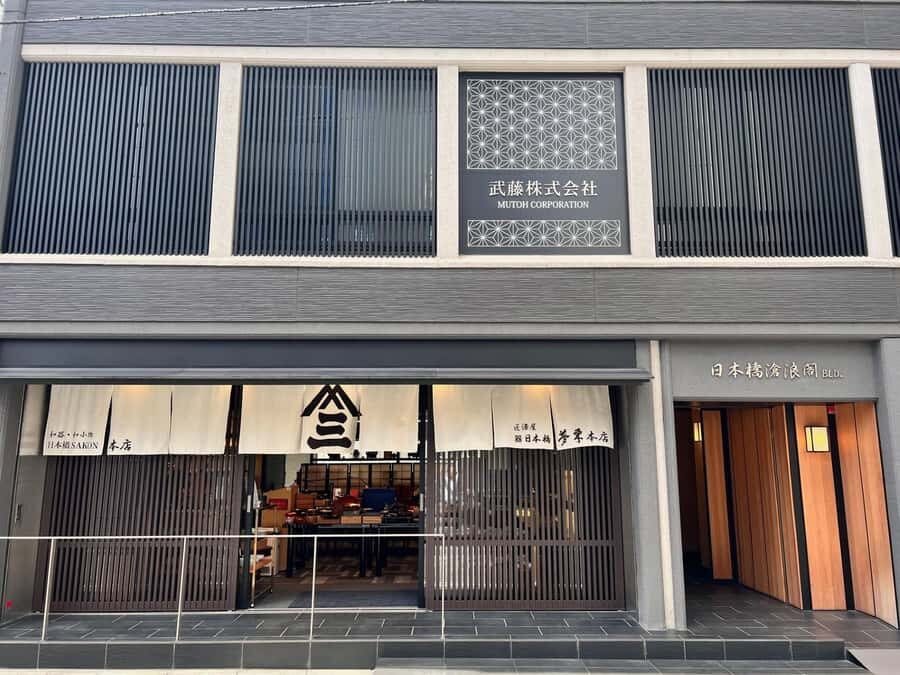
This workshop starts at Nihonbashi Mutoh Main Store (1-8-3 Honcho, Nihonbashi, Chuo City). The store has been operating since 1923, and it’s known as a wholesale dealer of high-quality lacquerware and glassware. In other words, you’re stepping into a place that treats craftsmanship as serious business, not a quick sidestep for tourists.
The timing is also straightforward. You pick one of three sessions—10:30–12:00, 13:30–15:00, or 15:30–17:00—and the experience runs for about 90 minutes even if the workshop is being held alongside regular customers. That’s worth knowing because it can feel like a real working shop. If you like a quiet, bubble-of-time experience, you’ll appreciate the small group size (limited to 10 participants) while still understanding you’re in an active store.
You can also read our reviews of more guided tours in Tokyo



Your Kintsugi workshop setup: what you’ll make and what you can bring
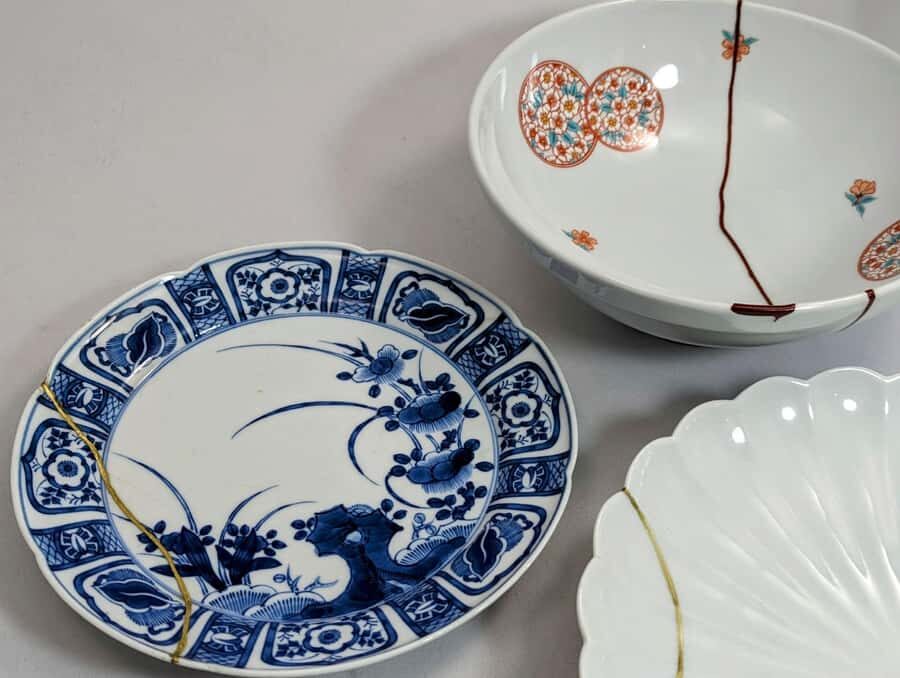
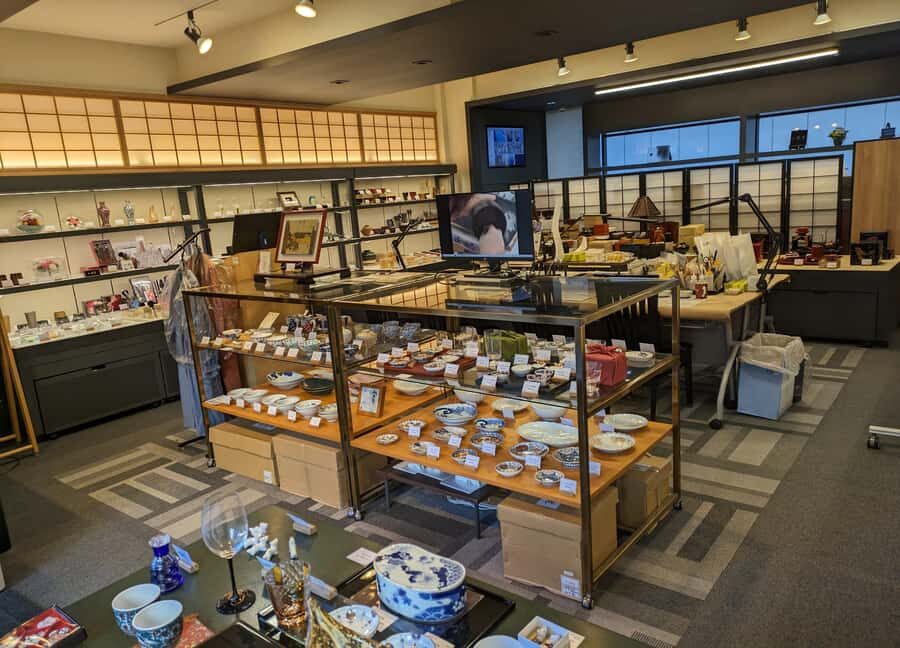
You’ll be working through Kintsugi as a process, and you’ll also leave with something tangible. The session includes a plate used in the experience, which you can take home after the repair work is complete. There’s a reason this is built in: it removes the guesswork about what kind of piece is suitable for Kintsugi during your class.
If you want a more personal souvenir, you can also bring an item for Kintsugi. The rules are specific, so you’ll want to check your piece first:
- Size: up to about φ15 cm in diameter and 15 cm in height
- Damage: 1 to 2 broken parts
- Material: ceramic or porcelain
That’s a helpful limitation. Kintsugi works best when the break is manageable and the join lines aren’t too complex. If you bring something with multiple shards, chips all over, or a shape that’s hard to stabilize, you might find the repair approach doesn’t match what the workshop can support.
Also note the materials you’re given. The workshop includes all necessary supplies for the session, so you’re not hunting for gold powder or special tools before you arrive. That alone makes it better value than many “craft sampler” experiences that sell you a basic demo and then charge extra for actual making.
Learning Kintsugi basics without feeling lost
Kintsugi has a simple core idea: repair the broken join with a visible, intentional line—often in gold—so the repair becomes part of the object’s story. In practice, there’s a rhythm and a sequence, and this workshop is built around helping you follow that sequence step by step.
The session includes clear instruction from an English-speaking instructor. One detail I’d treat as a practical heads-up: the shop team may explain parts first in Japanese, and your instructor translates that for you. That can sound intimidating until you realize it’s designed for flow—you’ll still get the full meaning in English, and you won’t be stuck guessing what’s happening at the bench.
What you’re really learning is how to treat imperfections as features. It connects to the Japanese idea of wabi-sabi, which values impermanence and accepts scars as part of life. You’ll feel that philosophy while you work, because you’re literally turning a break line into an artistic focal point.
And because it’s a full workshop, you won’t just watch. You’ll do the making yourself—hands-on enough to remember the steps, not just admire the result.
Why Arita Ware makes this class feel special
The workshop uses Arita Ware, described as the first porcelain produced in Japan. If you like context, that’s the kind of detail that makes a souvenir feel smarter. It’s not only a pretty plate; it’s tied to a tradition that stretches back centuries, with Arita becoming known internationally for its porcelain excellence.
This class also mentions pieces associated with Shobido Honten. When you work with higher-end ceramics in a real shop setting, the experience feels more grounded. You’re not practicing on something disposable. You’re repairing something that has a finish and quality you can actually see and feel.
Arita Ware matters to your end result too. Porcelain has a particular look and strength, and Kintsugi lines on porcelain can read differently than on thicker clay or rougher ceramic bodies. That means the craft you learn here is more likely to “translate” into what you’ll recognize in Japanese craft shops later.
Inside the workshop timeline: how the 90 minutes usually feel
The class is scheduled for 90 minutes total, and the structure is built so you complete one object during that window. That’s important. Too many short craft classes leave you mid-step and then send you home with a half-finished idea. Here, the pace is designed to finish your work inside the session.
Here’s the practical way to think about your time:
- Start with instruction and setup. You’ll review the Kintsugi concept, then get hands-on guidance for the specific piece you’re repairing.
- Work the repair process at your bench. Your instructor helps you follow the steps so the final join looks intentional, not messy.
- Finishing and take-home preparation. You’ll end with the repaired piece ready for aftercare.
Because the workshop can run alongside regular customers, expect the store environment to be active. The group itself stays small and guided, but you may notice normal shop movement. That’s not a problem unless you need total silence to focus, so if you’re sensitive to noise, you might prefer a time slot when you expect fewer general visitors.






The take-home reality: drying, washing, and using your repaired piece
This is the part many people skim—and then regret it. Kintsugi objects are not immediately ready for normal daily use. After your workshop, you’ll bring the piece home and dry it indoors for about one week.
Plan around that. Put it somewhere stable where it won’t get knocked, bumped, or exposed to drafts or humidity swings. Think “set it and forget it,” at least for the drying period.
Once it’s dry, the care instructions are very specific:
- Hand wash only using dishwashing detergent
- No microwave
- No dishwasher
- Use it for decoration, not for eating or drinking
That’s not just caution for fun. It’s about the repair materials and how they behave under heat, harsh cleaning, and everyday food use. If you want something practical for daily meals, you might choose a different souvenir. If you want something to display, admire, and understand, this is exactly right.
Also: wear clothes you don’t mind getting dirty. Craft work can stain, and Kintsugi is the kind of activity where your outfit should survive an “oops” moment without stress.
Value check: is $139 worth it?
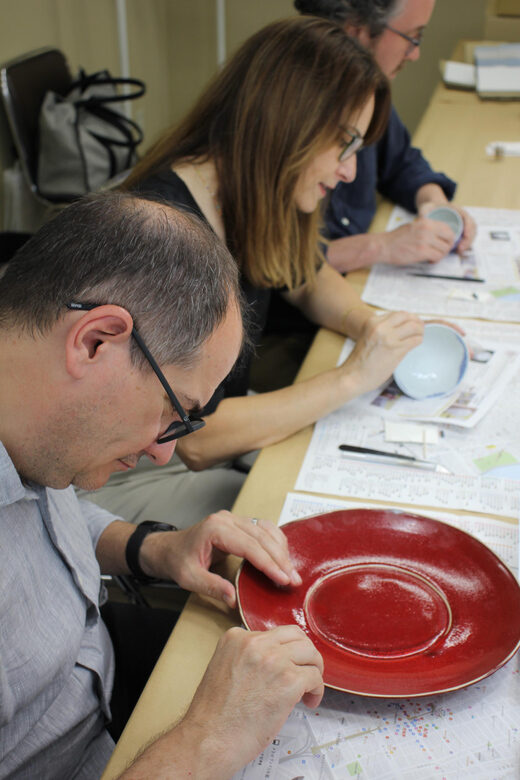
At $139 per person, this isn’t the cheapest thing you can do in Tokyo. But it’s also not a watered-down experience. You’re paying for several value drivers at once:
- a 90-minute guided workshop
- an English-speaking instructor
- all necessary materials
- a take-home plate made during the class
- use of Arita Ware in the repair process
- a small group format (limited to 10)
When you break it down, you’re not just buying “a souvenir.” You’re buying the know-how to make a repair look beautiful, plus the supplies and structure that keep you from messing up your own materials. If you’ve ever tried DIY craft projects at home, you know how much time and trial costs can hide behind the final product. This class gives you the process with guidance.
If your goal is only a photo-op, you might feel it’s pricey. If your goal is a meaningful object plus a skill you can explain to friends at home, the price starts to make sense fast.
Who this Kintsugi workshop suits best
This workshop is a great fit if you:
- want a hands-on Tokyo craft that’s not just watching
- like the idea of Japanese design thinking that celebrates flaws
- want a high-quality souvenir tied to Arita Ware
- prefer a guided experience with an English instructor
- enjoy calm, focused activities more than big-ticket city sightseeing
It’s not for everyone. The class isn’t suitable for children under 13. If you’re bringing kids, you’ll need to choose a different activity.
It also suits adults who don’t mind a week of aftercare. If you’re the type who wants everything ready immediately on Day One, you might feel a little “waiting” time. But that week is normal for Kintsugi and part of the process.
Booking tips: timing, readiness, and what to bring
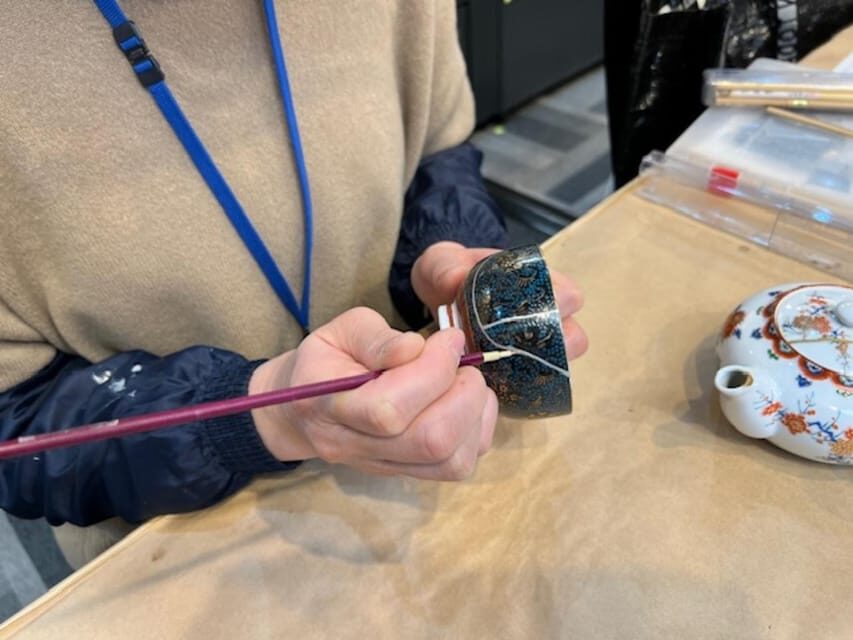
Here are a few practical tips that help your day go smoothly:
- Choose a time slot that matches your energy. The sessions are fixed at 10:30–12:00, 13:30–15:00, or 15:30–17:00, and the class ends at the scheduled time even if you arrive late.
- If you plan to bring your own piece, confirm it fits the size and damage rules ahead of time. The workshop supports repairs for ceramic/porcelain with about 1–2 broken parts.
- Bring only what you’ll need. Since the workshop provides materials and a plate for the experience, you don’t need to bring special tools.
- Wear clothing you can relax in. You may get small marks from the process, and you’ll want to focus on the technique, not your wardrobe.
Also quick reassurance: the workshop is listed as wheelchair accessible, which matters for planning when mobility options are limited.
Quick, honest FAQ (before you commit)
FAQ
How long is the Kintsugi experience in Tokyo?
The workshop runs for about 1.5 hours (90 minutes).
Where do I meet for the Kintsugi workshop?
You meet at Nihonbashi Mutoh Main Store, 1-8-3 Honcho, Nihonbashi, Chuo City, Tokyo 103-0023.
Is there an English-speaking instructor?
Yes. The workshop includes an English-speaking instructor.
Do I get to take something home?
Yes. You’ll use a plate during the experience, and that repaired plate is included to take home. You may also bring your own eligible item to repair.
Can I bring my own broken pottery or porcelain?
You can, as long as it meets the size and damage guidelines: up to about φ15 cm in diameter and 15 cm in height, with 1 to 2 broken parts, and made of ceramic or porcelain.
How do I care for the repaired piece after the workshop?
Dry it indoors for about a week. Then hand wash only with dishwashing detergent, and do not use it in a microwave or dishwasher. Use it for decoration, not for eating or drinking.
Is this experience suitable for children?
No. It is not suitable for children under 13.
Should you book this Kintsugi Experience with Arita Ware?
I’d book it if you want a real craft skill, not just a souvenir. The combination of Arita Ware, a 90-minute guided process, and a small group size makes it feel like you’re learning something with care and finishing what you start.
Skip it if you’re short on time, hate waiting a week for drying, or need a daily-use dinnerware souvenir. Kintsugi here is designed for display and appreciation, with clear rules to keep the repair looking good.
If that fits your travel style, this is one of the more memorable ways to bring Tokyo home: a repaired object with meaning, plus the story of how you made the break beautiful.