REVIEW · TOKYO
Kamakura Day Trip from Tokyo with a Local: Private & Personalized
Book on Viator →Operated by City Unscripted · Bookable on Viator
Kamakura hits you fast, even in one day. This private, personalized day trip turns Tokyo into a medieval seaside escape, with a local host shaping your route around temples, forest shrines, and the Great Buddha in the city’s old core. I especially like the custom feel (you design parts of the day), and I like that the big sights still get covered without feeling like a checklist.
One thing to plan for: this is a walking-heavy day, and food and attraction tickets are not included. If you’re the type who likes your travel day to include a lot of sitting, bring patience (and good shoes).
In This Review
- Key points before you go
- Kamakura in a Single Day: how this private plan actually feels
- Price and value: what $323.38 buys (and what it doesn’t)
- Tokyo Station to Kamakura: smooth rail, less stress
- The classic start: Komachi Street, then Hachimangu Shrine
- Hase-dera temple forest: hydrangeas in June, whatever the month
- The Great Buddha: nearly 800 years of bronze weight
- Hokokuji’s bamboo grove and matcha tea pause
- Hachimangu to Engakuji: samurai roots to Zen hills
- Designing your own Kamakura route: where the host adds real-world value
- Food, tickets, and timing: the small stuff that changes the day
- How much walking is too much?
- Who should book this Kamakura day trip?
- Should you book this private Kamakura tour from Tokyo?
- FAQ
- How long is the Kamakura day trip?
- Is this a private tour?
- What’s the meeting point in Tokyo?
- Can we meet our host at a hotel or another location?
- How do we get from Tokyo to Kamakura?
- Are meals included?
- Are attraction tickets included?
- Is there free cancellation?
Key points before you go
- A local host designs your Kamakura day based on your interests, and the exact stops may shift.
- JR round-trip tickets are included, so the Tokyo-to-Kamakura commute is straightforward.
- You’ll see the classic cluster of sights: Komachi Street, Hachimangu Shrine, Hase-dera, Hokokuji, Engakuji, and the Great Buddha area.
- Seasonal temple scenery is part of the plan, including hydrangeas at Hase-dera in June.
- The bamboo-and-matcha break at Hokokuji is a standout pause in the middle of temples and sights.
- Your host can help manage logistics, and some guides have even looked for elevators to keep walking workable.
Kamakura in a Single Day: how this private plan actually feels
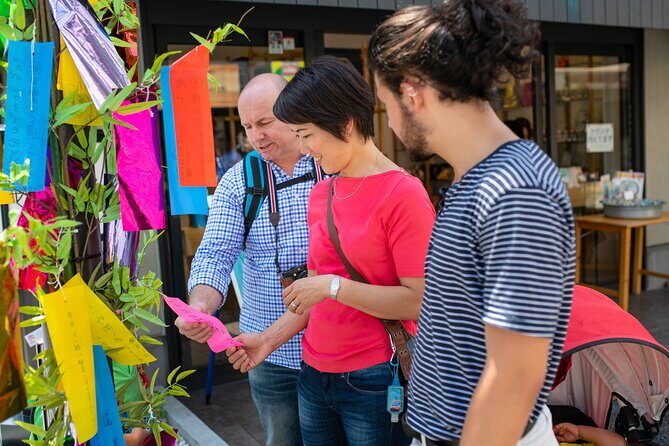
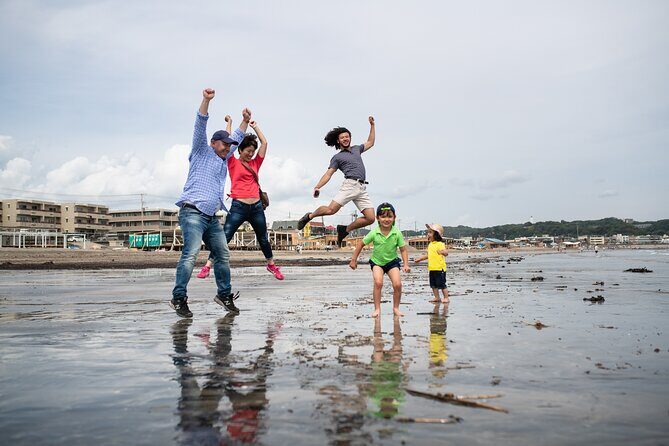
Kamakura is one of those places that’s easy to reach from Tokyo, and still feels like a different world once you’re there. The coast and forest hills sit right next to centuries of shrines and temples, so you get that mix of nature plus heritage in one tight schedule.
What makes this tour work is the private angle. Instead of a fixed group route that assumes everyone has the same pace, you get a local host for about 8 hours and you can build your day around what you care about most. You’ll still hit the big anchors—especially the Great Buddha and the main shrine/temple cluster—but your host can adjust the order and which smaller moments to linger on.
The other thing I like: you get practical time structure. Your trip is planned as an all-day excursion, starting from Tokyo Station and ending back at the meeting point. That keeps the day from turning into a self-made puzzle when you’re tired.
You can also read our reviews of more private tours in Tokyo


Price and value: what $323.38 buys (and what it doesn’t)
At $323.38 per person, this isn’t a cheap “hop on a bus and go” day trip. You’re paying for three big value inputs:
- Private, personalized guiding for 8 hours (not just an audio guide)
- Round-trip JR train tickets to Kamakura
- A walking-focused day with transport options that can be arranged for extra cost
Here’s the tradeoff. Food and drinks are not included, and tickets to attractions are not included. That means you’ll need to budget for lunch and any paid entries you run into along the way. If you know you want paid temples/museums in addition to what’s free to see, check that before you assume everything is covered.
Also, it’s worth noting the tour tends to book ahead (on average, about 101 days). If you’re traveling in peak seasons—especially spring or early summer—booking early can save you from scrambling for another option.
Tokyo Station to Kamakura: smooth rail, less stress
Your day begins at the JR EAST Travel Service Center at Tokyo Station (Marunouchi North Gate, 1-chōme-9-1 Marunouchi). The end point is back at the meeting point, so you’re not stuck figuring out where to link back up.
You get round tickets via JR train, which is a big deal. Kamakura is doable on your own, but having tickets handled removes one common headache: rail timing and transfers when you’d rather be scanning signs for Kamakura station and plotting your first shrine stop.
One small bonus: you’ll also get a mobile ticket, so you’re not messing with paper. Your meeting point can also be flexible—meet-up at your hotel or accommodation can be requested, or your host can meet you at a convenient spot close to where you start.
The classic start: Komachi Street, then Hachimangu Shrine
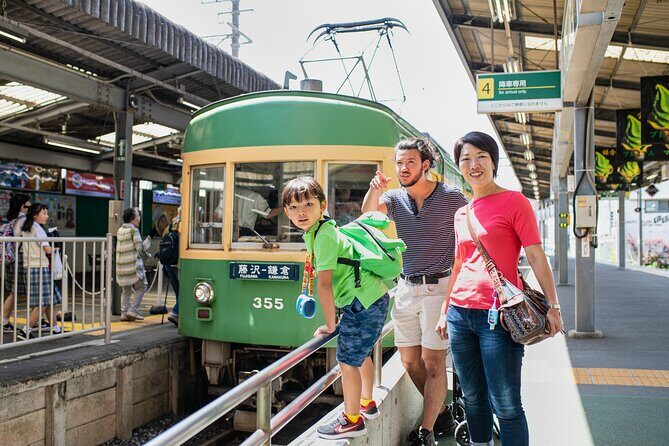
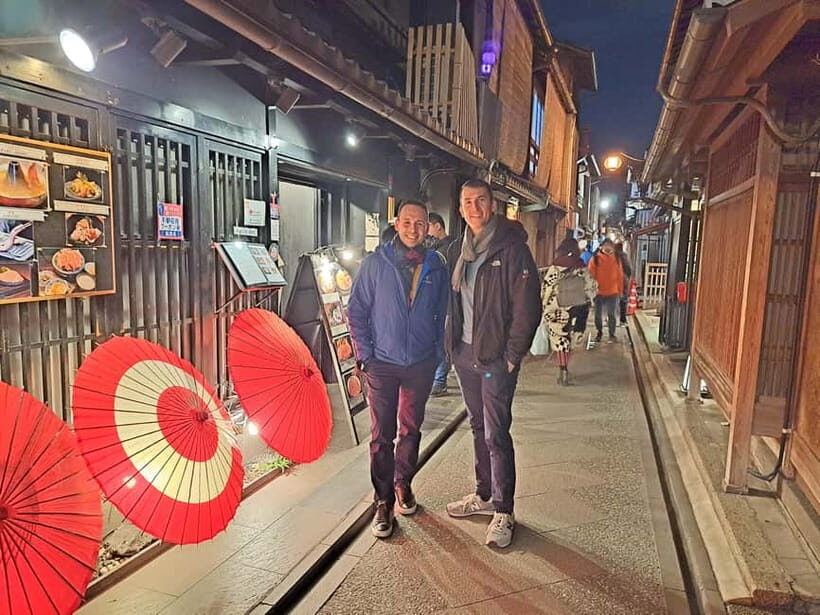
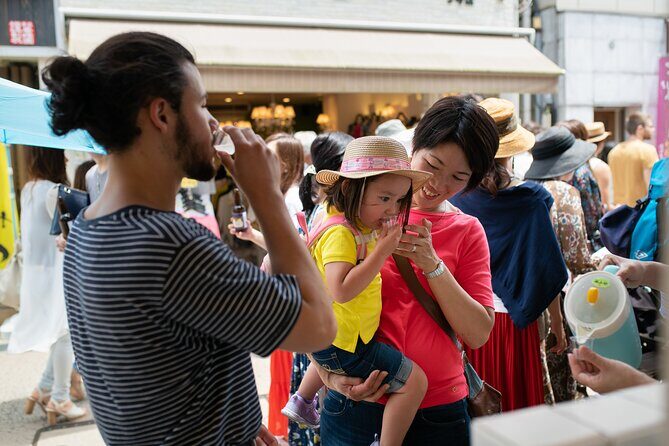
A smart way to begin Kamakura is with a street that shows you the everyday rhythm of the town. Your route typically starts with a pass by Komachi Street, a narrow strip where modern boutiques and food stalls sit right inside the old city center. This is where you can get your bearings fast—then shift gears into the shrine atmosphere.
From there, you’ll head to Hachimangu Shrine, the most famous shrine in Kamakura. The focus here is Hachiman, the patron god of the Minamoto family and of the samurai in general. Even if you’re not a religion-history nerd, this stop matters because it frames the whole Kamakura story. Kamakura’s medieval identity is not just “old stones”—it’s connected to feudal power, warrior culture, and the kind of faith that shaped daily life.
What to watch for: plan on taking a slow walk here. You’ll likely move from shops/food energy into quiet shrine grounds, and that contrast is part of the payoff.
Hase-dera temple forest: hydrangeas in June, whatever the month
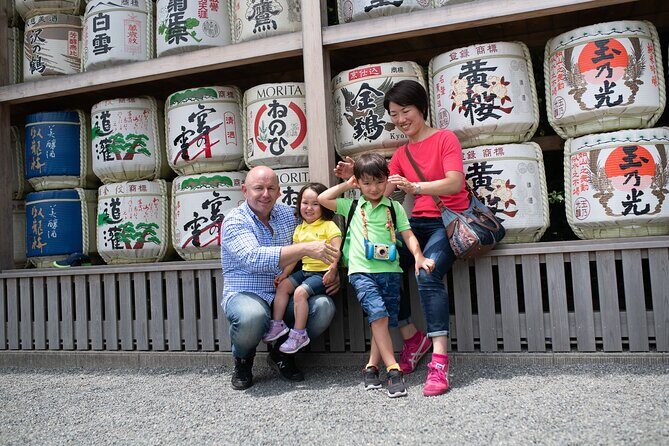
One of the most visually rewarding stops on this route is Hase-dera. In June, the temple grounds bloom with hydrangeas, and it’s specifically called out as a time when the scenery around the temple really shines.
Even if you’re not traveling in June, Hase-dera is still worth it. You get that “temples inside nature” feeling—grounds that feel like they belong to the hills around Kamakura, not just a plaza in a city.
Potential drawback: because this is a temple-and-gardens stop, you’ll want time to wander, not just look forward. If you rush, you’ll miss the best parts: the slower walkways, the views, and the garden pacing that makes the place feel calm.
A few more Tokyo tours and experiences worth a look




The Great Buddha: nearly 800 years of bronze weight
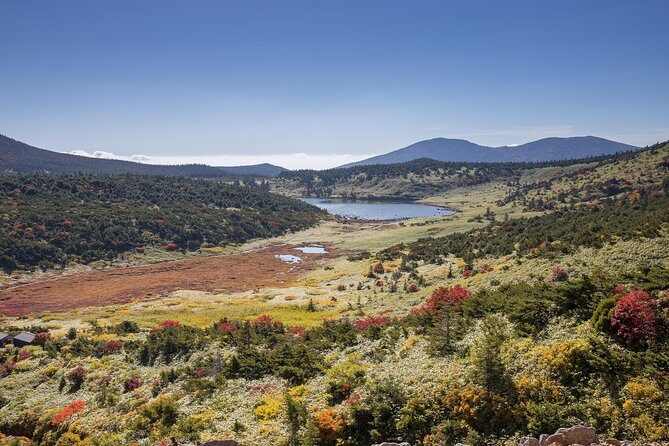
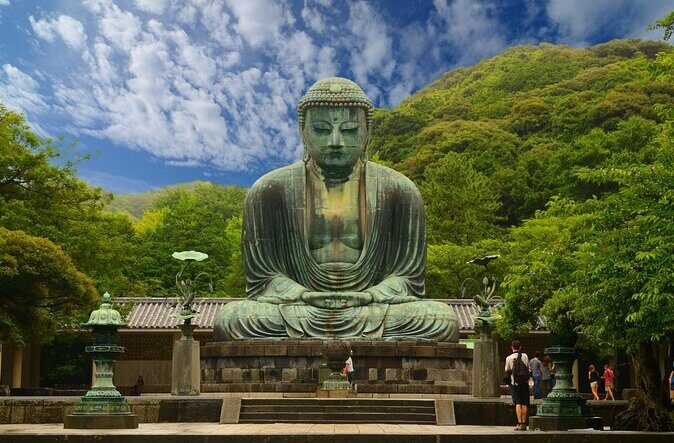
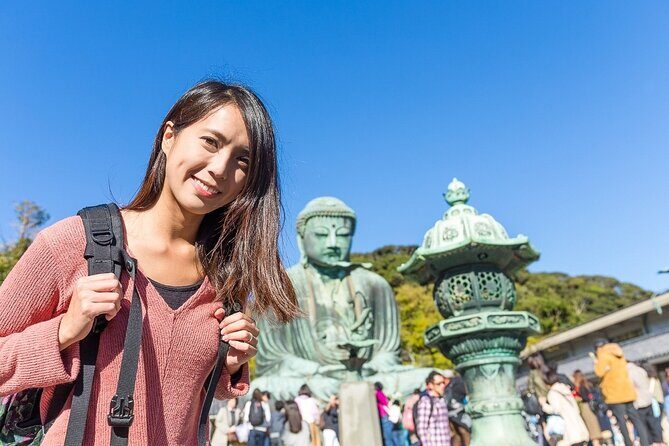
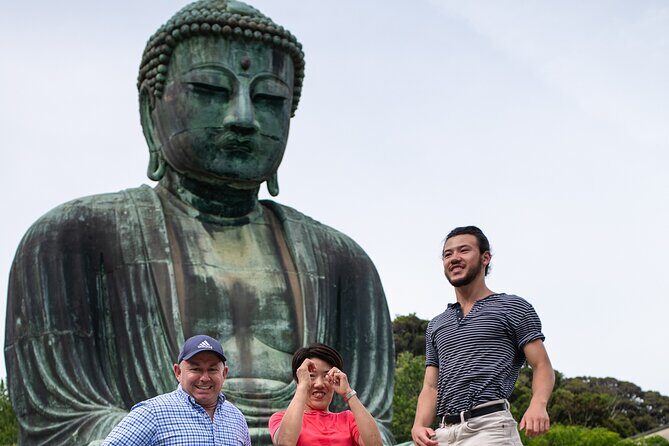
Then comes the iconic moment: the Great Buddha. This massive bronze sculpture is described as nearly 800 years old and represents Amida Buddha. This is the kind of sight that changes your tempo. You stop moving, tilt your head back, and suddenly the rest of the day feels anchored.
Why it’s a “must” on a one-day plan: it’s one of the clearest visual symbols of Kamakura’s religious and artistic tradition. You’ll also get perspective for how big the temple landscape is—how the city’s spiritual sites connect through proximity and footpaths.
Practical note: expect you’ll be outside for at least part of this stop. If it’s hot or rainy, bring a plan. A host can help sequence around weather, but you’re still out in the elements.
Hokokuji’s bamboo grove and matcha tea pause
If the Great Buddha is the headline, Hokokuji Temple is the scene-stealer for the sensory details.
The highlight is a small bamboo grove behind the temple’s main hall. You’ll walk a narrow path through the bamboo toward a tea house, where you can sit and enjoy a cup of matcha tea.
This is the part of the tour that feels less like “see the site” and more like “slow down for a moment.” The bamboo grove also gives your legs a break in a clever way: the walking is short and controlled, and then you get a sitting stop with tea.
What I’d do in your shoes: plan your snack timing so you actually enjoy the tea pause. Since food isn’t included, this can function as your comfort break while still keeping the day’s flow.
Hachimangu to Engakuji: samurai roots to Zen hills
After the main shrine stops, the tour often continues toward Engakuji, built into the slopes of Kita-Kamakura’s forested hills. Engakuji is described as one of the leading Zen temples in eastern Japan.
This matters because it shifts the tone of the day again. Instead of warrior-faith emphasis, you’re moving toward Zen’s quieter discipline and temple atmosphere, shaped by hillside terrain. It also helps you understand how Kamakura wasn’t just one religious flavor—it was a whole spiritual ecosystem.
The location in the hills can mean the walk feels more “terrain-based” than flat-city walking. If you’re someone who likes viewpoints and atmospheric settings, this stop tends to hit.
Designing your own Kamakura route: where the host adds real-world value
The brochure idea of personalization is nice. The real value is what hosts do with it.
A key detail from past experiences: some guides have been praised by name for exactly this kind of adjustment. For example, Kay helped balance major landmarks like the bamboo forest and the big Buddha with a more personal twist, including unique art stops and even good udon for lunch. Marc stood out for adaptation to a family’s walking needs, including locating elevators to make the day easier. Martin focused on hitting key temples while also giving cultural context that helps you understand what you’re seeing. Michael was described as helpful and patient in getting people around smoothly.
So when you think about the personalization, think less about route flexibility and more about supporting your pace. If you want photos, a slower shrine walk, or more nature time, your host can shape that. If you want to move faster and keep energy for the Great Buddha, they can help you sequence things that way too.
One practical note: the tour is “walking experience,” and other transport can be arranged at an additional cost. That’s useful if you’re unsure about how much walking you can handle.
Food, tickets, and timing: the small stuff that changes the day
Food and drinks are not included. That sounds obvious, but it matters for your schedule. You’ll be walking between shrine/temple areas, and getting hungry at the wrong time can make a calm day feel rushed.
Aim to plan for lunch rather than hoping you’ll “find something great” mid-walk. One of the named guide experiences included finding udon for lunch, but that’s not a guarantee. Still, it’s a hint that you’ll likely have opportunities to grab food during parts of the route, especially near more active streets and town areas like the Komachi Street zone.
Tickets to attractions are also not included. Some major sights may have free viewing, while other add-ons might cost extra. Your host can point out what’s worth paying for, but you’ll need to cover those costs yourself.
How much walking is too much?
This is the biggest consideration for this style of day trip. The tour is built around walking between Kamakura’s temple and shrine areas, and the day is about 8 hours. Even with a great host, you’ll still do real footwork.
If you have mobility concerns, don’t just accept “it’s private, so it will be easy.” Ask your host directly what route options exist and how they plan to handle stairs, steep stretches, or transfers. Past guiding experiences show at least some hosts actively look for elevators and workable paths when needed.
Also pack for the weather. Kamakura is coastal-adjacent, and you can feel humidity or wind depending on season. A hat, water, and a light rain option can make a noticeable difference.
Who should book this Kamakura day trip?
This tour fits best if you want:
- A guided, human-paced day rather than a rigid checklist
- Shrines and temples as your main travel theme
- A focus on iconic Kamakura anchors like Hachimangu, Hase-dera, Hokokuji, Engakuji, and the Great Buddha
- Flexibility to shape the day around your interests (nature time, art stops, slower shrine walking, or a faster route)
It’s less ideal if you hate walking, you expect meals and paid entry tickets to be covered, or you want a mostly indoor schedule with minimal outdoor time.
Should you book this private Kamakura tour from Tokyo?
I’d book it if you’re the kind of traveler who values a local host’s ability to adjust the day while still landing the big sights. The fact that JR round-trip tickets are included and the experience is private makes it a solid “day trip that doesn’t feel like a chore.”
Skip or reconsider if your biggest goal is low walking and fully inclusive pricing. You’ll still get an excellent Kamakura day, but you’ll want to plan your lunch budget and be realistic about time on your feet.
If you do book, message your preferences early with your comfort level for walking and the kind of Kamakura you want most—shrines, Zen gardens, nature breaks, or landmark photos. A good host can make that difference between a merely good day and a memorable one.
FAQ
How long is the Kamakura day trip?
It runs for about 8 hours.
Is this a private tour?
Yes. It’s a private and personalized experience, with only your group participating.
What’s the meeting point in Tokyo?
Meet at the JR EAST Travel Service Center Tokyo Station, Marunouchi North Gate, 1-chōme-9-1 Marunouchi, Chiyoda City, Tokyo 100-0005, Japan.
Can we meet our host at a hotel or another location?
Yes. The meeting point is flexible and can be agreed with your local host. Meeting up at your hotel or accommodation can be requested.
How do we get from Tokyo to Kamakura?
The tour includes round tickets to Kamakura via JR train.
Are meals included?
No. Food and drinks are not included.
Are attraction tickets included?
No. Tickets to attractions are not included.
Is there free cancellation?
Yes. You can cancel for free up to 24 hours in advance for a full refund.