REVIEW · KYOTO
Kyoto Higashiyama Walking Private Tour
Book on Viator →Operated by Oh! Ohkini Tours · Bookable on Viator
A few streets in Kyoto feel like a time machine. This Higashiyama walking private tour lets you cover classic sights and quieter side lanes in just about 3 km, with a local guide connecting the dots between the temples, the neighborhoods, and the stories you’d otherwise miss.
I like that it stays personal: it’s limited to up to 6 guests, so questions don’t get lost in a crowd. I also like that you’re not just doing photo stops—you get practical local tips on where to eat, shop, and explore after the walk.
The main thing to consider is the pace and terrain: it includes gentle slopes and stone steps, so you’ll want moderate fitness and comfortable shoes.
In This Review
- Key things I think you’ll enjoy most
- Getting oriented fast in Higashiyama
- Minamiza Theater to Gion: kabuki at the neighborhood entrance
- Hanamikoji Street: preserved teahouses and possible sightings
- Yasaka Shrine: vermilion gates, Shinto prayers, and spiritual energy
- Ishibe-koji: a narrow stone alley that feels like an escape route
- Nene no Michi: a scenic path with samurai-era naming
- Yasaka Pagoda viewpoint: the five-story photo moment
- Sannenzaka: stone steps into shops and local street culture
- Kiyomizu-dera: UNESCO scale and panoramic payoff
- About that 3-hour pace and the 3 km route
- Price and value: why $52 can make sense here
- Who should book this private Higashiyama walk
- Tips you’ll likely appreciate after the tour
- Should you book this Kyoto Higashiyama Walking Private Tour?
- FAQ
- How long is the Kyoto Higashiyama walking tour?
- What is the group size for this private tour?
- What sites are included on the walk?
- Is hotel pickup or drop-off included?
- Do I need to bring transportation to the meeting point?
- Is food or drinks included?
- What should I wear for this tour?
- Where does the tour start and end?
- What is included in the price?
Key things I think you’ll enjoy most
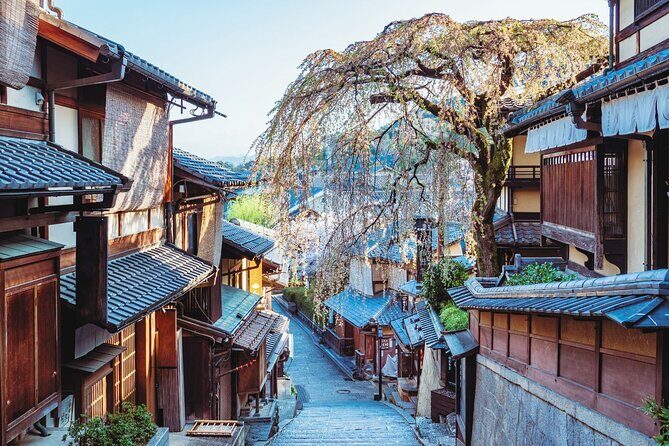
- Small private group (up to 6): more time for questions and slower, calmer walking
- Gion start at Minamiza Theater: kabuki history right at the neighborhood edge
- Story-led lanes off the main routes: Ishibe-koji and Nene no Michi add texture beyond the headline sites
- Photo-focused viewpoint of Yasaka Pagoda: a clear chance to photograph Kyoto’s iconic pagoda scene
- UNESCO Kiyomizu-dera finish: wooden stage views over the city, wrapped into the walk’s flow
- Local guidance for food and coffee: the guide shares where to eat and what to try nearby
Getting oriented fast in Higashiyama
Higashiyama is Kyoto’s classic east-side “old Kyoto” area, but it can still feel like you’re bouncing from landmark to landmark. This tour helps you get your bearings fast because it threads together the big-name sights with smaller lanes that reveal the neighborhood’s rhythm.
You’ll cover about 3 km total. That’s a manageable distance for a half-morning or early afternoon, but it’s not a flat stroll. Expect gentle slopes and stone steps, so you’re walking through real streets—not just along wide, easy pathways.
Because it’s private, the guide can steer you toward what matters most to your group. If you’re into temples, you’ll get that. If you care more about street life and architecture, you’ll get that too.
You can also read our reviews of more walking tours in Kyoto


Minamiza Theater to Gion: kabuki at the neighborhood entrance
The tour starts at Minamiza Theater, one of Japan’s oldest kabuki theaters, positioned at the entrance of Gion. Even if kabuki isn’t your main interest, this stop sets a smart tone: Kyoto isn’t only about temples. It’s also about performance culture, tradition, and place.
From the theater area, you begin moving toward Gion’s historic core. What I like here is the “wayfinding” effect. You learn where you are in relation to the neighborhood story, so later stops like Hanamikoji Street don’t feel like random sightseeing—you understand why that street matters.
Practical tip: wear footwear you can trust on uneven stone and steps. The first stretch is where you’ll notice how the walking route “works,” and you’ll be glad you started comfortable.
Hanamikoji Street: preserved teahouses and possible sightings
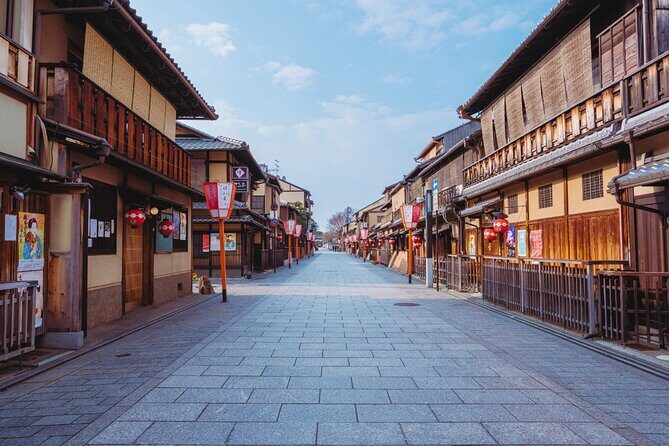
Next is Hanamikoji Street in Gion, a famous historic stretch lined with preserved traditional teahouses. If you’re lucky, you might spot a geisha or maiko heading to an appointment, which adds that extra sense of Kyoto still living in real time.
This part of the walk is about atmosphere. You’re strolling in a place where the architecture and street scale encourage slow looking. Your guide can point out what to notice so you’re not just watching the crowd move.
A key consideration: this area can get busy around popular viewing times. The private format helps because you can pause, adjust your angle, and keep moving without feeling rushed like you’re in a packed group photo line.
Yasaka Shrine: vermilion gates, Shinto prayers, and spiritual energy
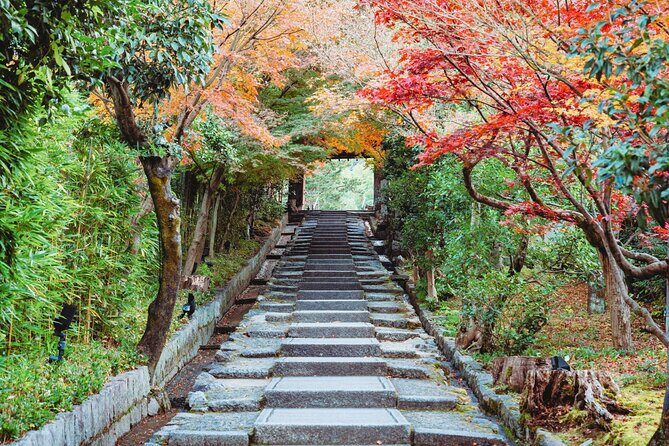
Yasaka Shrine is one of Kyoto’s most important Shinto shrines, known for its vibrant vermilion gates and spiritual atmosphere. Here, the guide’s job matters. Without context, shrines can feel like you’re simply taking pictures. With the right explanations, you notice how people actually move through the space and what the shrine represents locally.
You’ll learn how locals pray for good fortune and protection here. That’s the kind of detail that changes the whole experience: you start seeing the shrine as a living religious place, not only a postcard.
What you can do: take a moment to slow down near the main shrine area. Even during a walking tour, this is where it pays off to stop and absorb the atmosphere.
Ishibe-koji: a narrow stone alley that feels like an escape route
Then comes Ishibe-koji, a narrow stone-paved alley that feels like a quiet pocket of old Kyoto. The preserved buildings give you a stronger “place story” than wide streets do, and it’s also a straightforward photo opportunity.
This is one of those segments where the walking tour approach shines. Large sights like Kiyomizu-dera deserve time, but small lanes are where Kyoto’s texture lives. Ishibe-koji helps you shift from landmark mode to neighborhood mode.
If you like shooting street scenes: this alley is the kind of spot where you can get a clean frame without the overwhelming background clutter you sometimes see near major attractions. Just be mindful of pedestrians and keep things respectful.
You can also read our reviews of more private tours in Kyoto



Nene no Michi: a scenic path with samurai-era naming
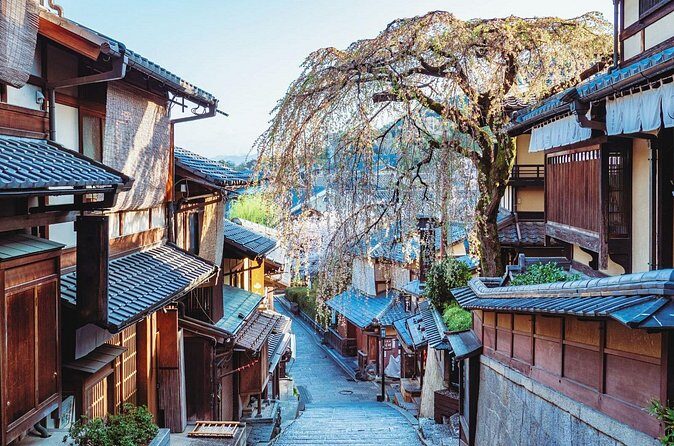
After that, you’ll walk along Nene no Michi, a scenic path named after the beloved wife of samurai Toyotomi Hideyoshi. Even if you’re not a history buff, that name gives you a reason to look around and take in the route.
This stop is valuable because it connects the street environment to the people behind Kyoto’s stories. It’s not just a scenic path—it’s a named one with a historical anchor.
Consideration: this section is more about the feel and the story than big view platforms. If you’re only interested in major photo backdrops, you may want to bring expectations down a notch and enjoy the slower walking rhythm here.
Yasaka Pagoda viewpoint: the five-story photo moment
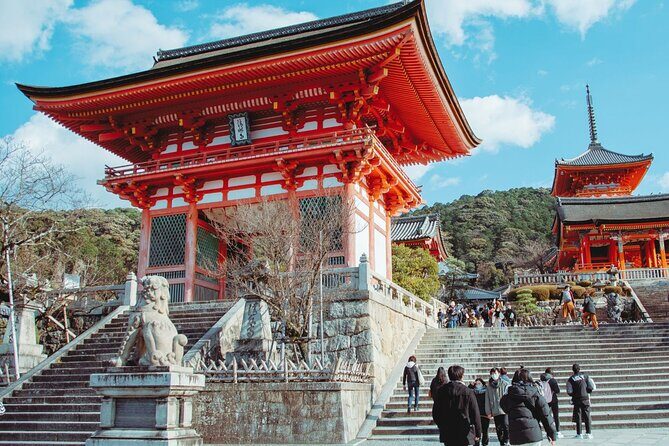
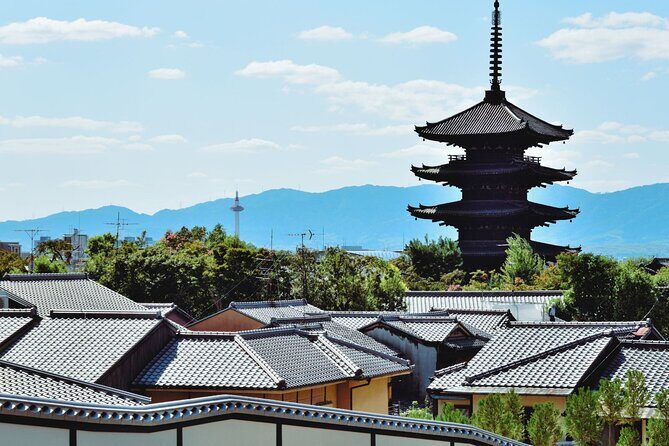
One of the tour’s most visual stops is a quiet viewpoint of Yasaka Pagoda. The five-story wooden pagoda stands gracefully among traditional townhouses, and this viewpoint is built into the route so you’re not hunting for it later.
This is where the tour saves you time. Kyoto has plenty of pagoda views, but this one is specifically timed as part of your walking flow.
Practical advice for photos: pick one simple composition and then take a second version from slightly different height or angle. The difference between townhouses foreground vs. pagoda dominance can be huge.
Sannenzaka: stone steps into shops and local street culture
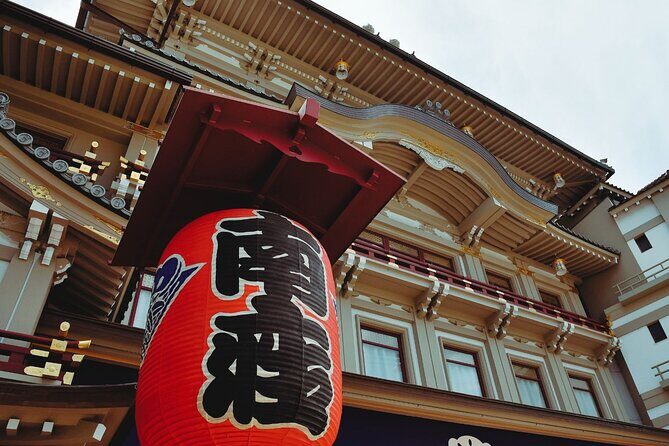
You’ll then wander down Sannenzaka, a gently sloping stone path lined with charming shops and cafes. This is a classic transition zone—part historic lanes, part everyday commerce—where tourists and locals overlap.
What I like about this part of the route is that it connects the sacred to the practical. After seeing shrine and temple spaces, you’re walking into the kind of street where people actually go for snacks, browsing, and casual local plans.
Drawback to keep in mind: because it’s a shopping and cafe area, it can be crowded. If you’re sensitive to crowds, plan to move slowly and let your guide set the pace through the busier bits.
Kiyomizu-dera: UNESCO scale and panoramic payoff
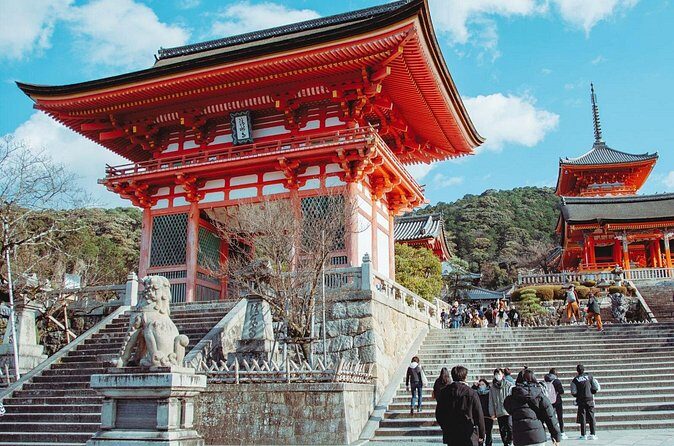
The final major stop is Kiyomizu-dera, a UNESCO World Heritage site famous for its wooden stage overlooking Kyoto. You’ll also get panoramic city views, which is exactly what you want after the walking sections.
This is the anchor of eastern Kyoto sightseeing, so the timing within the route matters. Ending here means your last hour (roughly) is the payoff moment—views, architecture, and the sense of place that makes Higashiyama worth the effort.
The tour ends at a scenic spot near Kiyomizu-dera with a beautiful city view. That matters for two reasons. First, it gives you a natural finishing point after the temple experience. Second, it helps you avoid that awkward moment of wondering what to do next when your energy is running out.
About that 3-hour pace and the 3 km route
Let’s talk reality. You’re walking about 3 km through gentle slopes and stone steps over roughly 3 hours. That’s not a long-distance hike, but it’s also not a sit-on-a-bus sightseeing day.
This format works best if you come prepared:
- Comfortable shoes matter because stone steps and uneven surfaces are part of the deal.
- Wear layers. Kyoto weather can swing, and you’ll be outside most of the time.
- Keep some flexibility for quick photo pauses. This tour is designed for stopping at the right moments, not sprinting.
If you’re traveling with anyone who needs frequent breaks, the private structure helps. You can ask for slower pacing rather than being forced along at a fixed group speed.
Price and value: why $52 can make sense here
At $52.03 per person for a 3-hour private walking tour, the value isn’t in getting a bargain. It’s in what you trade for your money: guided time in a compact area, plus access to interpretation that’s hard to recreate on your own.
Here’s what you’re really paying for:
- An English-speaking local guide who can explain what you’re seeing and why it matters
- A route that combines major sights (Kiyomizu-dera, Yasaka Shrine, Sannenzaka) with smaller lanes (Ishibe-koji, Nene no Michi)
- Local tips on where to eat, shop, and explore right after the tour
- A group size capped at 6, which keeps it relaxed rather than rushed
A good way to think about it: you’re buying orientation, storytelling, and saved time. Kyoto is full of information you can read later, but it’s harder to get the right priorities and practical suggestions in the moment. This tour is built to help you leave the area knowing what to do next.
Who should book this private Higashiyama walk
This is a strong match if you want:
- A more personal Kyoto experience without a big group crowd
- A balance of landmark culture and quieter backstreet atmosphere
- A guide who can help you move through the area with confidence and context
- Food and coffee recommendations added to the sightseeing day
It’s also a good choice if you’re only staying a short time in Kyoto and want a “great hits plus” introduction to eastern neighborhoods.
If you’re traveling with someone who hates walking or has limited tolerance for steps, you may want to reconsider. The route is manageable, but it does include stone steps.
Tips you’ll likely appreciate after the tour
One thing that stood out in the guide experience is that you don’t just walk, you get suggestions. You’ll get local tips on places to eat, shop, and explore after the tour, and those recommendations can be especially useful in Kyoto when you’re deciding what to do next.
In particular, guides like Akari are known for pairing local site knowledge with real-world food and coffee pointers. That kind of advice is gold when you’re hungry, tired, or just want the best nearby plan without overthinking it.
Should you book this Kyoto Higashiyama Walking Private Tour?
Book it if you want a structured, story-led introduction to Higashiyama that mixes iconic stops with quieter lanes, and you like the comfort of a small private group. It’s also a smart pick if you’re the type who wants practical next-step guidance—where to eat, what to look for, and how to continue the day after the walk.
Skip it if you want zero walking, or if stone steps and slopes will be a problem for your group. Also, if you already know the route cold and only care about one single landmark, you might be able to build an itinerary yourself.
If you’re trying to make the most of limited time in Kyoto, this is a focused way to do it—without feeling like you’re just collecting checkmarks.
FAQ
How long is the Kyoto Higashiyama walking tour?
It lasts about 3 hours.
What is the group size for this private tour?
It’s limited to a small private group of up to 6 guests.
What sites are included on the walk?
You’ll visit Kiyomizu-dera Temple, Yasaka Shrine, and Sannenzaka, along with stops such as Minamiza Theater, Hanamikoji Street, Ishibe-koji, Nene no Michi, and a viewpoint of Yasaka Pagoda.
Is hotel pickup or drop-off included?
No. Hotel pickup and drop-off are not included.
Do I need to bring transportation to the meeting point?
Yes. Transportation to and from the meeting point is not included since it’s a walking tour.
Is food or drinks included?
No. Food and drinks are not included.
What should I wear for this tour?
You should have moderate physical fitness and comfortable shoes because the route includes gentle slopes and stone steps.
Where does the tour start and end?
It starts at Minamiza Theater in Kyoto and ends near Kiyomizu-dera Temple at a scenic spot with a city view.
What is included in the price?
The price includes an English-speaking local guide, visits to the major listed sites and stops, and local tips and recommendations. A mobile ticket is also provided. Personal purchases are not included.