REVIEW · OSAKA
Osaka: Tea Ceremony and Matcha Tea Bowl Making Workshop
Book on GetYourGuide →Operated by Tocoton LLC · Bookable on GetYourGuide
Two hours, matcha, and a handmade bowl. It’s an Osaka experience combining a tea ceremony lesson and a matcha tea bowl workshop, led in English.
I love the way you learn by doing: you prepare matcha and enjoy it with Japanese sweets as part of the ceremony. I also love how Anna guides the pottery work with real encouragement, not just directions.
One thing to plan for: your bowl ships about two months later, and shipping costs aren’t included.
In This Review
- Key Highlights You’ll Care About
- Osaka Matcha Tea Bowl Workshop: How the 2-Hour Format Feels
- Finding Ceramics Tocoton at JR Teradacho (and Starting Smoothly)
- Tea Ceremony Basics: Matcha, Sweets, and the Pace of Attention
- Making Your Matcha Tea Bowl with Anna’s Traditional Techniques
- Your Bowl Delivery Plan: Shipping After Two Months
- The Small Gift Dish: A Clever Way to Keep the Ceremony Going
- Ikuno Ward After Class: How to Spend That Extra Time
- Price and Value: Is $134 a Good Deal for What You Get?
- Who This Workshop Fits Best (and Who Might Want to Skip It)
- Booking Checklist: Make It Worth Your Time
- Should You Book It?
- FAQ
- What is the duration of the Osaka tea ceremony and matcha bowl workshop?
- How much does it cost, and is it private?
- What’s included in the price?
- Who is the pottery instructor for the matcha tea bowl?
- Will I receive the bowl on the same day?
- What should I look for at the meeting point?
- Is this workshop suitable for children or wheelchair users?
- Is the instruction available in English?
Key Highlights You’ll Care About
- Double workshop flow: tea ceremony first, then bowl-making with step-by-step guidance
- Anna’s background: she studied pottery in Osaka and Spain
- Included tasting: matcha tea and Japanese sweets are part of the experience
- Practical souvenir: you also get a small dish you can use for sweets at tea time
- No heavy souvenir travel: the bowl is shipped after the workshop
Osaka Matcha Tea Bowl Workshop: How the 2-Hour Format Feels
This is a compact workshop that covers two big parts of Japanese tea culture: the calm, focused tea ceremony side, and the hands-on craft side. In about two hours, you go from learning the basics to making something you can keep as a long-term reminder of the experience.
If you’re the kind of traveler who likes experiences you can actually use later, this one clicks. You aren’t only watching someone else work—you’re preparing tea, then forming a ceramic piece with traditional pottery techniques.
Private group also matters here. With fewer people in the room, you get more personal attention during both the tea ceremony segment and the bowl-making time.
A few more Osaka tours and experiences worth a look

Finding Ceramics Tocoton at JR Teradacho (and Starting Smoothly)
Your meeting point is clear: JR Teradacho station, North Exit. You’ll want to look for a staff member holding a signboard that reads Ceramics Tocoton.
Plan to arrive with a little buffer. Being more than 15 minutes late is treated as a no-show, so you’ll sleep better if you’re early rather than “almost there.”
Once you’re with the staff, the pace is straightforward: you’ll meet your tea ceremony master first, then switch gears to pottery with Anna.
Tea Ceremony Basics: Matcha, Sweets, and the Pace of Attention
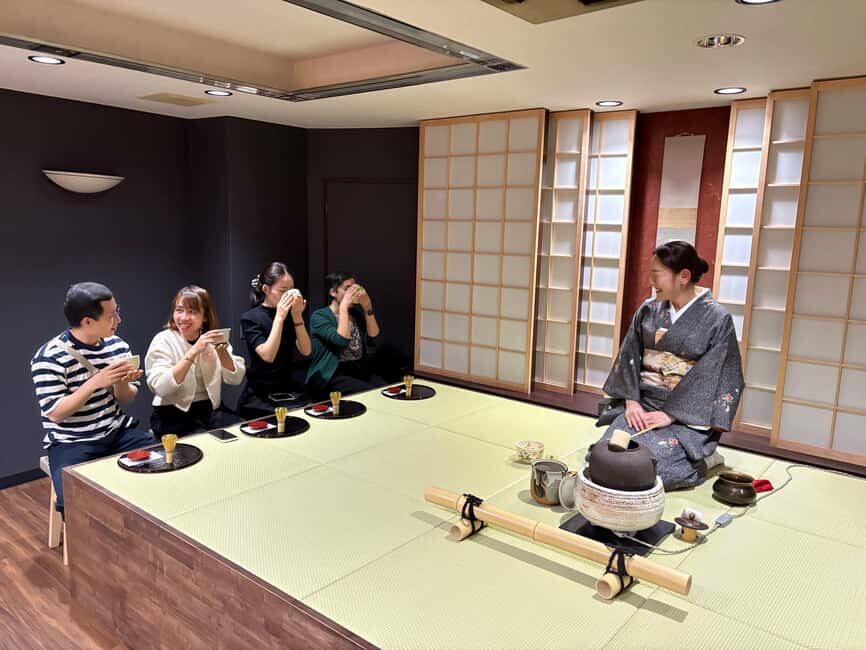
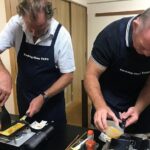
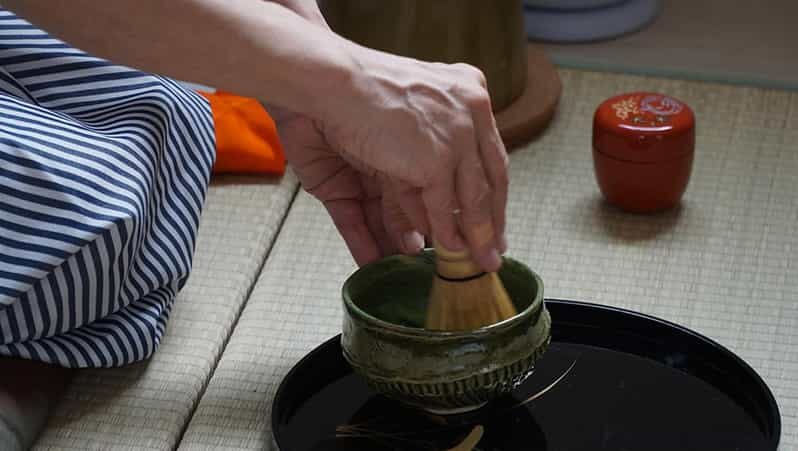
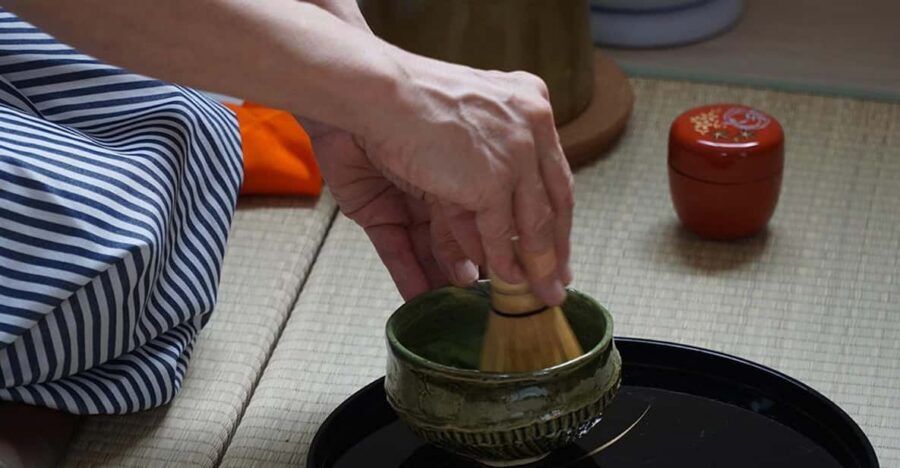
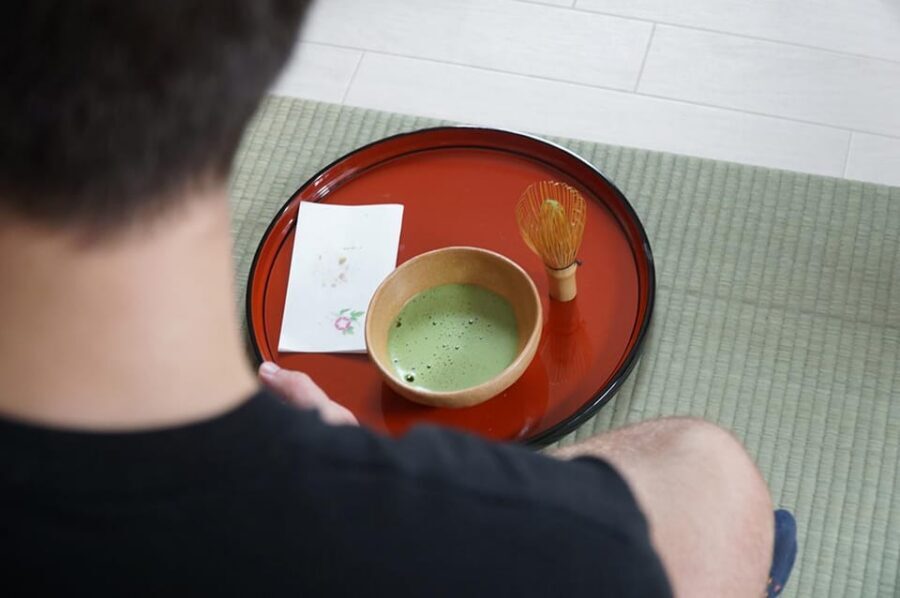
The tea ceremony portion is where the workshop sets its mood. You meet your tea ceremony master and learn the traditional art of the ceremony, then you prepare the matcha tea with their guidance.
This isn’t just a tasting session. The way it’s taught is practical: you learn the basics of how the tea ceremony works, how to handle the process calmly, and how the tea and sweets fit together as one moment—not two separate activities.
You’ll also enjoy Japanese sweets that accompany the matcha. That pairing is key, because matcha isn’t meant to be rushed. The sweets give you something gentle to balance the tea’s character, and you get a fuller sense of how the ceremony feels as a whole.
One detail I really like: the atmosphere tends to be peaceful. The ceremony segment is designed to slow you down, which makes the pottery part later feel even more satisfying.
Making Your Matcha Tea Bowl with Anna’s Traditional Techniques
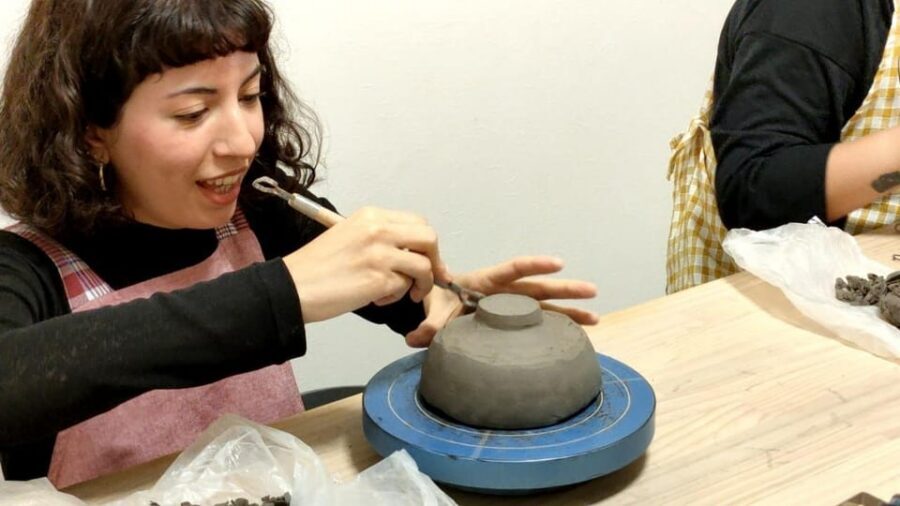
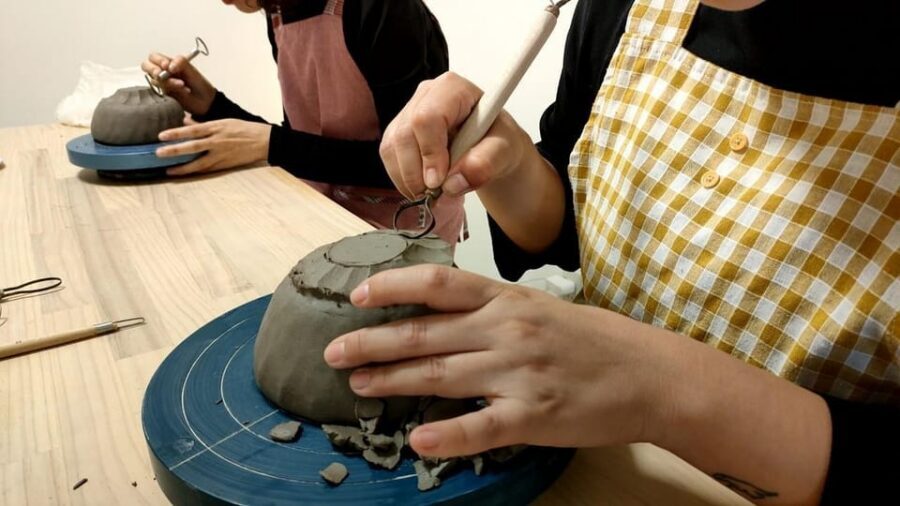
After tea time, the workshop shifts into ceramics. You’ll make a matcha tea bowl with Anna, a ceramist who studied pottery in Osaka and Spain.
That training background matters in a subtle way. You get the grounding of Japanese pottery technique, plus a perspective Anna likely learned through training abroad. You’ll feel it in how the lessons are structured and how she communicates the process.
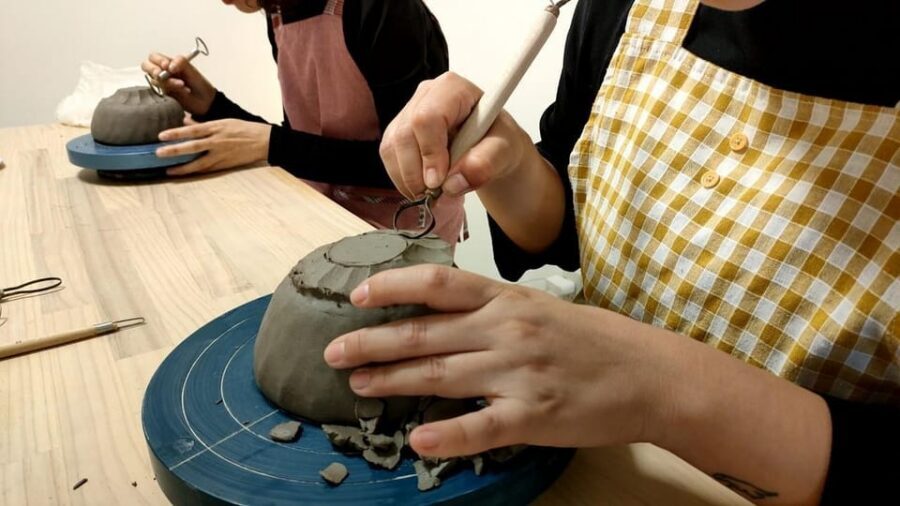
From there, you shape and decorate the bowl using traditional Japanese pottery techniques. The goal is not to turn you into a potter overnight—it’s to help you create a real, personal object that still follows the craft’s rules.
Anna’s style comes through as hands-on and encouraging. You’ll be doing the physical work, but you’re not left to guess. The result is the best kind of souvenir: one you can point to and say, I made this, not I bought this.
Your Bowl Delivery Plan: Shipping After Two Months
Here’s the logistics piece that affects your value calculation: the bowl is not meant to travel home with you. It’s shipped to the address you provide about two months after the workshop.
Shipping costs are not included in the price, so you’ll want to budget for that. If you hate surprises, look up shipping cost expectations before you finalize your trip plan.
Also note that this is why the workshop can stay to a clean two-hour length. You get instruction, you finish the piece, and the rest happens later by mail.





The Small Gift Dish: A Clever Way to Keep the Ceremony Going
One of the nicest extras is a small dish you receive as a gift. You can use it later for sweets during your own tea ceremony-style moments at home.
It’s a small item, but it makes the experience feel complete. A tea bowl alone is cool, but adding a matching serving dish turns it into a more natural ritual setup—especially if you’re the type who enjoys recreating travel moments in your daily routine.
Ikuno Ward After Class: How to Spend That Extra Time
When the workshop ends, you’re encouraged to explore the local area of Ikuno Ward in Osaka.
You don’t need a strict plan here. Use the time like locals would: walk at an easy pace, pop into nearby streets, and let the neighborhood fill in the details. You just learned a craft and a ritual—so switching to a simple wander afterward feels like a good rhythm.
Because the workshop is focused and time-bound, this “after class” suggestion is your chance to connect it to real life. Tea culture isn’t only something you do in studios; you experience it when you slow down and notice everyday rhythm.
Price and Value: Is $134 a Good Deal for What You Get?
At $134 per person for a 2-hour experience, you’re paying for more than a single activity. You’re getting a two-part class: tea ceremony instruction plus the full matcha bowl-making process with Anna.
What’s included is solid: matcha tea and Japanese sweets are part of the experience, not an extra purchase. And you’re not in a large crowd—you’re in a private group, which generally means more room for questions and guidance.
The part that can change the final “value” for your wallet is the bowl shipping. Shipping costs aren’t included, and your bowl is delivered about two months later. If you’d rather carry souvenirs yourself, this might feel like an inconvenience.
Still, the trade-off is real. You end up with a meaningful handmade ceramic piece without lugging clay and breakable items through the rest of your trip.
Who This Workshop Fits Best (and Who Might Want to Skip It)
This is a good match if you want an Osaka experience that combines mind-and-hands learning: tea ceremony basics plus hands-on pottery. It’s also a great option for people who like English-led instruction and prefer a calmer, guided environment.
It’s not suitable for children under 13, and it’s not set up for wheelchair users. So if either of those is relevant to your group, you’ll need to pick a different experience.
It also helps to like crafts and ritual-based activities. If you only want fast photos and a quick souvenir purchase, this workshop asks for patience and attention.
Booking Checklist: Make It Worth Your Time
Before you reserve, I’d check three practical things so the day goes smoothly:
- Your schedule can handle arriving on time at JR Teradacho station North Exit
- You’re okay with the bowl being shipped after about two months
- You’re comfortable with a calm, alcohol-free environment (smoking and alcohol are not allowed)
If you come in with the right expectations—hands-on pottery time and a real tea ceremony lesson—this workshop tends to feel rewarding rather than rushed.
Should You Book It?
I think you should book this if you want a genuinely hands-on Osaka experience with long-lasting payoff. The tea ceremony portion gives you context and a calm rhythm, and the bowl-making portion gives you a crafted object tied to what you learned. Anna’s encouraging, practical approach also makes a difference—especially if ceramics are new to you.
Skip it if you strongly prefer to carry souvenirs home yourself, or if you need an activity that’s easy for younger kids or wheelchair access. The shipping factor and timing are central to the experience.
If you’re open to that trade-off, this is one of the more meaningful ways to spend a couple hours in Osaka—and you’ll leave with both a memory and something you can actually use.
FAQ
What is the duration of the Osaka tea ceremony and matcha bowl workshop?
The workshop lasts 2 hours.
How much does it cost, and is it private?
It costs $134 per person and is offered as a private group experience.
What’s included in the price?
You’ll get matcha tea and Japanese sweets as part of the tea ceremony experience.
Who is the pottery instructor for the matcha tea bowl?
The matcha tea bowl is made with Anna, a ceramist who studied pottery in Osaka and Spain.
Will I receive the bowl on the same day?
No. The bowl will be sent to your address after about 2 months. Shipping costs are not included.
What should I look for at the meeting point?
Meet at JR Teradacho station North Exit, and find a staff member holding a signboard that says Ceramics Tocoton.
Is this workshop suitable for children or wheelchair users?
Children under 13 are not suitable. The experience is also not suitable for wheelchair users.
Is the instruction available in English?
Yes, the instructor is listed as English.