REVIEW · OSAKA
Private Full-Day Guided Tour in the City of Kobe
Book on Viator →Operated by Nara Guide · Bookable on Viator
Kobe surprises you at every turn. On this private full-day walk-and-transit outing with Nara Guide, I love two things most: the Kitano Ijinkan foreign-residences area and the way the day strings together shopping on Motomachi plus snack-and-street energy in Nankinmachi. The main drawback is simple: it’s an 8-hour route with plenty of walking, so you’ll want moderate stamina.
What makes it feel worth it is the control. You’re not following a rigid bus schedule. Your guide handles the transit rhythm, keeps the history clear, and gives you time to browse without feeling rushed. Plus, pickup is offered, and you get a mobile ticket, which makes getting started less of a hassle.
One more consideration: the Kitano museum admission isn’t included, and lunch is also on you. If you plan your meals and budget for the museum ticket, the rest of the day runs smoothly and stays focused on Kobe’s real neighborhoods.
In This Review
- Key Highlights You’ll Care About
- Starting at Sannomiya Station: Where Kobe Feels Like a Working City
- Kitano Ijinkan Museum: Foreign Residences and City Views From the Mountains
- Motomachi Shopping Street: The Fun Part of Going Down From the Hills
- Nankinmachi Chinatown: Snack Stops and China-Style Street Atmosphere
- Harborland Ending: Port Views and a Family-Friendly Waterfront Mood
- Why This Private Day Feels Better Than DIY
- Getting Around in Real Time: A Helpful 8-Hour Loop
- Price and Value Around $250: What’s Included, What’s Not
- What to Pack and How to Make It Comfortable
- Who Should Book This Kobe Tour (and Who Might Skip It)
- Should You Book This Private Kobe Full-Day Tour?
- FAQ
- What time does the Kobe private tour start?
- How long is the guided experience?
- What’s included in the tour price?
- Is lunch provided?
- Do I need to pay for the Kitano museum separately?
- Is this a private tour?
- Can I cancel for a full refund?
Key Highlights You’ll Care About
- A private guide from Sannomiya Station who plans the walking pace and public transport timing
- Kitano Ijinkan foreign residences district with a mountain-overlooking-the-city feel
- Motomachi Shopping Street down in the lower town for browsing and local shopping energy
- Nankinmachi Chinatown (Chinese neighborhood) walk where you can pause for snacks and people-watching
- Harborland port area ending the day with sea views and a family-friendly waterfront vibe
- Museum and lunch not included, so budget a bit extra for those two items
Starting at Sannomiya Station: Where Kobe Feels Like a Working City
Your day kicks off at Sannomiya Station, and that’s a smart start. This is one of Kobe’s main hubs, so it keeps the tour practical: you’re meeting somewhere easy to reach and your guide can route you efficiently through Kobe’s layers of “old and new.”
Sannomiya itself is a mix of motion and style. Think station energy, nearby streets, and the kind of everyday foot traffic that makes a place feel lived-in. The tour includes about an hour in this area, which is enough time to get your bearings without turning the morning into a long warm-up.
Why I like this opening: it sets context. Before you climb up toward the Kitano neighborhood, you get a feel for the city’s modern side—then the next steps make more sense. If you’re the type who likes understanding a city in the order it actually unfolds, this start helps.
Practical tip: if you’re even a little prone to getting “dragged along” on walking tours, ask your guide about short breaks early in the day. Starting from a station makes it easy to pause and regroup without losing momentum.
You can also read our reviews of more guided tours in Osaka
Kitano Ijinkan Museum: Foreign Residences and City Views From the Mountains
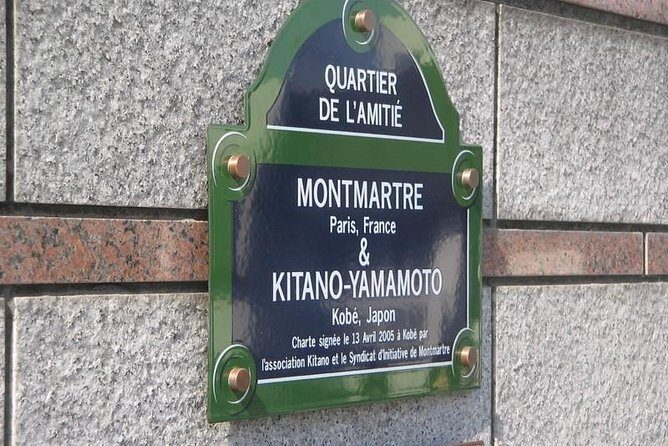
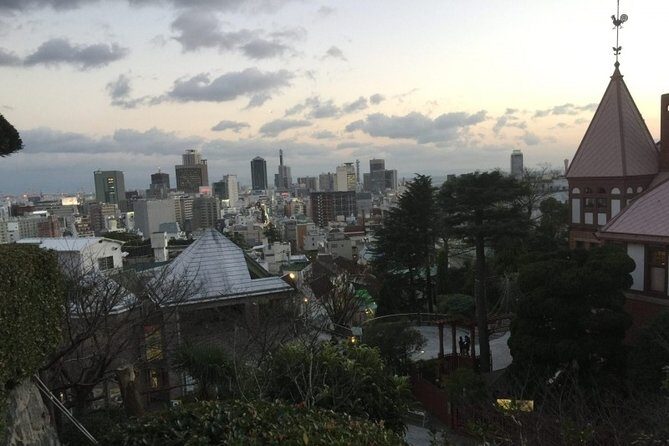
The heart of the day’s history lives in the Kitano Ijinkangai area. You’ll head up into a neighborhood perched on the mountain, with an overlook over Kobe that changes how you read the city. From here, Kobe stops being just a port. It starts to look like a place shaped by hills, sea, and international contact.
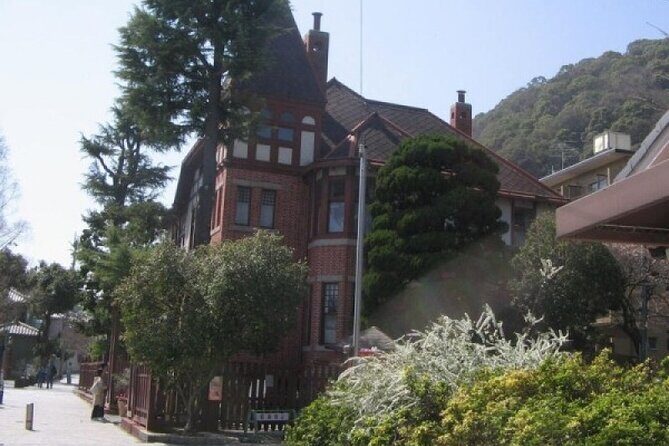
You’ll spend about two hours around the Kobe Kitano Museum (Ijinkan). This is one of the key “anchor” stops of the tour because it gives structure to what you’re seeing elsewhere. The foreign-residences district is the kind of place where architecture tells you a story—how Kobe opened to the world in the mid-1800s, how residents lived on the slopes, and how the city’s identity formed at the intersection of Japan and overseas influence.
A major value point: your guide helps you connect what you see to the bigger picture. A museum can be just rooms and labels. With a good guide, it becomes a timeline you can walk through.
The trade-off is that admission to the Kitano museum isn’t included. That’s not unusual, but it’s worth planning for. If you’re traveling on a tight budget, double-check that you’re comfortable paying for museum access on top of the tour price.
Also, the Kitano district is a walking area on slopes. If your legs aren’t thrilled with uneven ground, wear comfortable shoes. The views are worth it, but you’ll earn them a bit.
Motomachi Shopping Street: The Fun Part of Going Down From the Hills
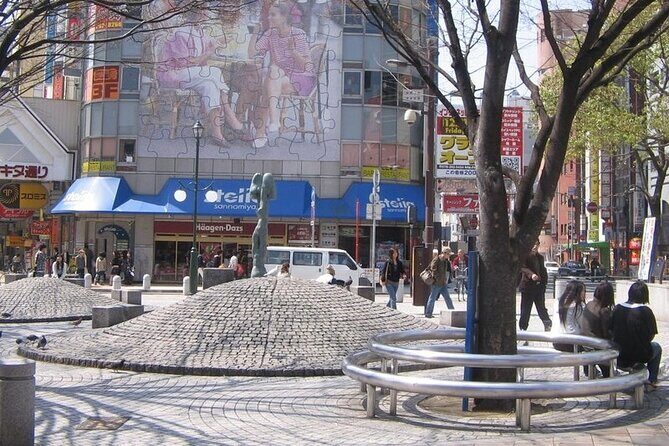
After Kitano, you head back down to Kobe’s lower town. That move matters, because Motomachi Shopping Street is where the city’s energy turns into something you can touch: shops, browsing, and the “I can buy this” feeling that never quite shows up in pure museum days.
You’ll have about an hour here, which is a good balance. Long enough to wander at your own speed. Short enough that you don’t feel like you’re stuck in a shopping loop the whole day.
What I like about Motomachi on a guided day is that it’s more than retail. Your guide can point out what’s worth a quick look and what’s just noise. If you want souvenirs, this is a logical place to do it. If you’re not buying much, it’s still a great place to watch how people shop and move through Kobe’s everyday life.
One consideration: Motomachi is a shopping street. That means you may spend some time deciding what you want rather than “doing” something. If you’re the type who prefers structured sightseeing, you can ask your guide to keep you moving toward the more historic-leaning or food-leaning pockets first.
Nankinmachi Chinatown: Snack Stops and China-Style Street Atmosphere
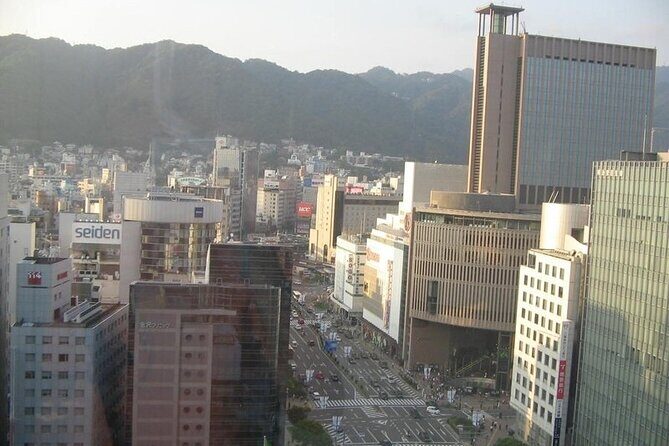
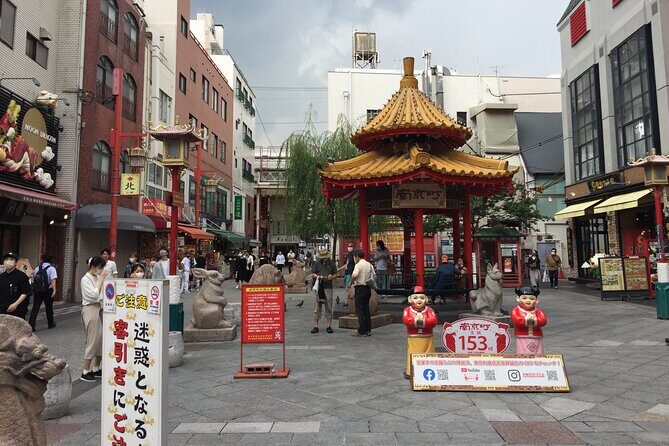
Then comes Nankinmachi, Kobe’s Chinatown. This part of the day is about atmosphere—walking a neighborhood that feels like you’ve stepped outside standard Japan tourist paths, without leaving the city.
You’ll have about an hour here. That’s plenty of time to take it in, try something small, and get photos without rushing. The walking is still part of the experience, because Chinatown is about streetscapes: doors, signs, and the constant stream of people.
From a value standpoint, Chinatown is also where a private guide can be useful. You can tell them what you’re in the mood for—sweet, savory, quick bite—and they can help steer you toward the easiest options to match your taste and time. I also appreciate that this tour format can accommodate food breaks and special requests in a way group bus tours usually can’t.
If you’re traveling with someone who wants a mix of shopping and eating, this is often the moment the day clicks. It’s a classic “okay, we’re on vacation” zone.
One practical consideration: Chinatown can get busy at peak hours. If crowds aren’t your thing, ask your guide if you can adjust your order of stops by a half-step—arriving a bit earlier or taking a side lane to keep your walk pleasant.
Harborland Ending: Port Views and a Family-Friendly Waterfront Mood
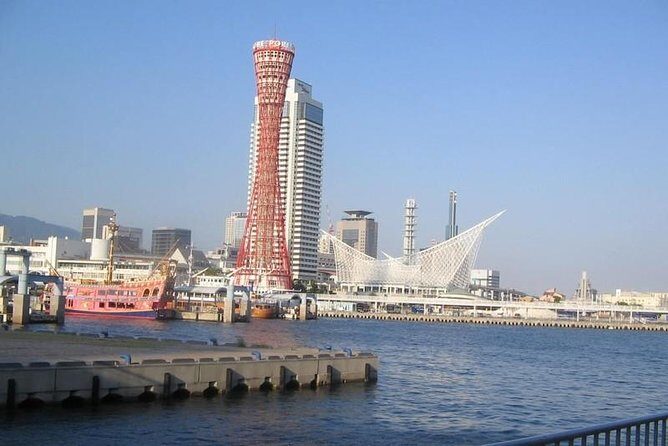
To close the day, you finish around Harborland, with a walk to the Kobe Harborland Tourist Information Center area. This is where Kobe looks like what it is: a port city with mountains nearby and water stretching out.
You’ll spend about an hour here. It’s not a heavy museum stop; it’s more of a “take a breath” finish. Expect views and a sense of Kobe’s ongoing renewal and future-looking port energy. It’s a nice counterbalance to the hills of Kitano and the street shopping of Motomachi and Chinatown.
I like finishing here because you can collect the day’s images in one place. You’ve been moving through Kobe’s identity—international residences, lower-town shopping, Chinatown streets—and Harborland ties it together as the city’s coastline story.
If you’re the kind of traveler who enjoys photos, aim to be ready near the end for the scenic moments. If the weather turns, Harborland can still work well because you can pivot between harbor views and indoor browsing around the tourist center area.
You can also read our reviews of more city tours in Osaka



Why This Private Day Feels Better Than DIY
There’s a big difference between Kobe with a plan and Kobe while figuring it out. This tour is built around your time, not around guesswork.
Here’s what you’re really buying:
- A guide who can connect neighborhoods so the city makes sense as one story
- Help with public transport so you don’t waste time standing at the wrong entrance or second-guessing routes
- The flexibility of a private group, meaning your pace can match your legs, your curiosity, and your shopping level
Pickup offered is also a practical perk if your hotel location makes transit awkward. Even if you don’t use pickup, the tour starts near a major rail hub, so you’re not stuck with a “meet me in a dark alley” situation.
This is also a nice fit for small groups who want more than “see the highlights.” In Kobe, the neighborhoods are close but still feel distinct. A private guide helps you move between those distinct worlds without losing time.
Getting Around in Real Time: A Helpful 8-Hour Loop
The day runs for about 8 hours, starting at 9:00 am. That timing matters. You’re not doing a late-day shuffle, and you’re likely hitting key areas while they’re open and active.
The route mixes:
- Walking stretches (including slopes in the Kitano area)
- Public transport segments (so you can see more than you could on foot alone)
For your comfort, treat this as moderate physical effort. The tour is listed for travelers with moderate fitness, which usually means: you can do it, but you shouldn’t show up in sandals and hope for the best.
My advice: wear shoes with grip and bring water. If you tend to get “tour tired,” plan a quick restroom stop early rather than waiting until you’re stressed. A guided pace reduces the chaos, but your body still has needs.
And since the tour is private, you can ask your guide to slow down if you need extra time at a stop, or to move faster if you’re itching to shop or take photos. That’s one of the quiet benefits of private.
Price and Value Around $250: What’s Included, What’s Not
At $250.28 per person, this isn’t a budget tour. It’s priced as a guided, private day with real local logistics handled for you.
Here’s what your money covers:
- Guide fees (including lunch, transportation, and guide entrances)
That line is important because it means your guide isn’t just walking beside you. The tour is structured as a working plan with paid time and movement between stops.
What’s not included:
- Lunch
- Admission for the Kobe Kitano Museum (Ijinkan)
So the best way to think about the value is this: you’re paying to compress several distinct Kobe neighborhoods into one confident day. If you’re the type who would otherwise spend time sorting trains, entrances, and timing, a guided loop can actually save you stress and hours.
If you already know the city well and you don’t care about museum context, you might not need a guide. But if you want the city story made clear while you walk, this kind of day often feels like a smart trade for your time.
What to Pack and How to Make It Comfortable
This tour is a walk-and-transit day with slopes and street surfaces. You’ll enjoy it more if you show up prepared.
I’d pack:
- Comfortable walking shoes for uneven pavement and hillside areas
- A light layer, because mountain-adjacent neighborhoods can feel cooler than waterfront spots
- Water for the long day
- A small amount of cash for snacks, if you want them during Chinatown or shopping time
If you wear contacts or have sensitive eyes, remember signage is part of the fun in these neighborhoods. Having a little flexibility in your schedule for photos and small stops will keep the day from feeling like a checklist.
Also, service animals are allowed, and the tour is near public transportation. That’s helpful if your party needs an easier travel rhythm.
Who Should Book This Kobe Tour (and Who Might Skip It)
This tour is especially good for:
- First-time Kobe visitors who want a coherent overview without bouncing between unrelated places
- People who enjoy a mix of history + shopping + port views
- Travelers who like getting suggestions from a guide instead of relying on apps all day
- Small groups that prefer privacy and control over pace
You might pass if:
- You want a full day with minimal walking
- You’d rather spend all your time at one “major” attraction and then relax
- Museum time and guided context aren’t your priorities
The best fit is someone who wants Kobe to feel like a city, not a set of disconnected stops.
Should You Book This Private Kobe Full-Day Tour?
I’d book it if you want Kobe to make sense fast. The route is thoughtful: start at Sannomiya, climb into the Kitano foreign-residences story, slide down through Motomachi’s shopping street rhythm, walk Nankinmachi for street-level China flavor, then finish at Harborland for the port-and-view payoff.
It’s also a good choice if you like modern Japan with international threads. Kobe doesn’t fit neatly into one category, and that’s exactly why a guided day works. You’ll leave with a clearer picture of how the city formed—while still having time to browse and snack.
Just make sure you’re ready for a walking day, and plan for the two extras you’ll likely pay separately: lunch and the Kitano museum admission.
If that sounds like your kind of day, you’re in the right place.
FAQ
What time does the Kobe private tour start?
The tour starts at 9:00 am.
How long is the guided experience?
It lasts about 8 hours.
What’s included in the tour price?
Guide fees are included, including transportation and guide entrances. Lunch is not included.
Is lunch provided?
No. Lunch is not included.
Do I need to pay for the Kitano museum separately?
Yes. Admission for the Kobe Kitano Museum (Ijinkan) is not included.
Is this a private tour?
Yes. It’s a private tour/activity, and only your group participates.
Can I cancel for a full refund?
Yes. You can cancel up to 24 hours in advance for a full refund.