REVIEW · NARA
Nara – Heart of Nature Cross Bike Tour
Book on Viator →Operated by Japan Tour Adventure · Bookable on Viator
One reason I like this Nara tour is the mix of forest temples and big views, plus a hands-on crafts stop that feels different from the usual sightseeing loop. You get a max of 10 riders with all the bike gear included, and water refills along the way. The main thing to consider is that this is a fitness-focused ride: there’s no e-bike option, so you’ll do some real climbing.
If you want Nara’s quieter side, this itinerary gives you that in blocks of time: a temple balcony morning, a hills-and-views payoff at Wakakusayama, then deeper forest stops around Kasugayama and Uguisu. I also like that water is managed thoughtfully (refills plus paper cups for low waste), and you won’t be stuck guessing what to do when you arrive.
In This Review
- Key Points That Matter Before You Pedal Off
- A Small-Group Bike Ride for Nara’s Forest Side
- Price, What’s Included, and What You Should Budget for
- Starting Point, Timing, and the 10-Person Sweet Spot
- Nigatsu-do Temple: Water Ritual Views and a Calligraphy Seal
- Kikuichi Monju Shiro Kanenaga: 750-Year Knife Craft and Paper-Test Blades
- Wakakusayama Hill: The Climb, the Snack, and the Photo Payoff
- Kyofukuji and the Forest Takeover Feeling at Kasugayama
- Uguisu Waterfall and Sagi Pond: Preserved Bridge Moments and Calm Finishing Time
- How the Ride Feels: Effort Level, Pacing, and What to Expect from Your Guide
- Who Should Book (and Who Might Want a Different Style of Nara Tour)
- Should You Book the Nara Heart of Nature Cross Bike Tour?
- FAQ
- How many people are in each group?
- What bike and safety gear is included?
- Is water provided during the ride?
- Do I need lunch?
- Where do I meet, and when does the tour start?
- Is this tour suitable for kids or single travelers?
Key Points That Matter Before You Pedal Off
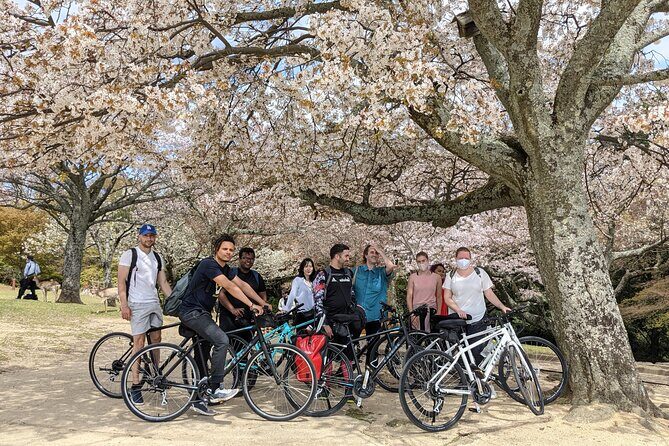
- Max 10 people per group for a calmer, easier ride pace than larger tours
- Bike gear included: helmet and cycling sunglasses, so you can travel lighter
- Water refills on the route (paper cups provided) so you can keep moving without worrying about thirst
- Calligraphy plus a traditional knife shop with a 750-year history stop built into the ride
- Wakakusayama Hill photo payoff with a snack break once you’re at the top
- Forest temples and stone carvings around Kasugayama and a preserved-bridge waterfall
A Small-Group Bike Ride for Nara’s Forest Side
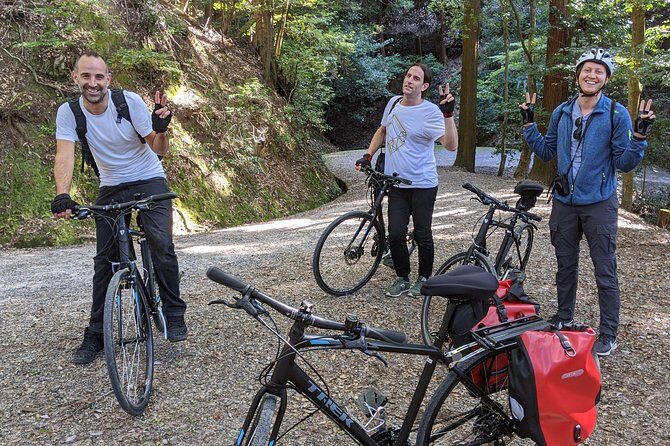
This tour is built around one simple idea: see Nara when you’re not trapped in the densest crowd pockets. You start near major temple areas, but you quickly turn the day toward nature—cycling into forest paths and viewpoints where the city feels far away.
What I like most is that the ride isn’t just transportation. It’s a guided sequence of moments: temple architecture, craft culture, then a climb that rewards you with sweeping views. Even the timing works. You get short stops that keep momentum, so the day doesn’t drag, but you still have enough time at each place to actually look around.
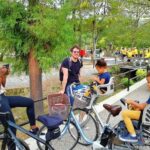
You’ll be on a hybrid bike (and there’s no e-bike option), so the route is best for people who are comfortable working a little for their photos. The overall duration is about 5 to 6 hours, which is long enough to feel like a real outing, not a quick half-hour hop.
You can also read our reviews of more cycling tours in Nara
Price, What’s Included, and What You Should Budget for
At $275.89 per person, this isn’t a bargain. But it’s also not just a bike rental with a guide attached. Your money covers the bike and safety gear, a bilingual local guide, and the entry-related costs at the stops.
Here’s what’s included:
- Bicycle use
- Helmet and cycling sunglasses
- All fees and taxes
- Bilingual local guide
- Water refills during the ride, with paper cups provided (and you can bring your own bottle)
- Admission tickets listed for the stops
What’s not included:
- Lunch (for safety and dietary reasons)
- Extra shopping, souvenirs, and any snacks/drinks
That lunch detail matters. Instead of forcing a group meal, the tour plans a stop so you can handle your needs at a convenience store before leaving the city. The catch is you’ll want to bring a snack mindset: if you’re the type who needs steady eating to keep energy up for hills, plan ahead and pack something you can grab quickly.
When I judge value, I look at total friction. Here, a lot of the friction is removed: you don’t have to bring a helmet, you don’t have to figure out water logistics, and you don’t have to pay extra entry costs at each stop. You’re paying for a structured ride that keeps you moving through multiple Nara experiences without you managing the pieces yourself.
Starting Point, Timing, and the 10-Person Sweet Spot
You meet at Japan Tour Adventure in Nara, at 297-9 Furuichichō, Nara. The start time is 10:00 am, and the tour ends back at the same meeting point.
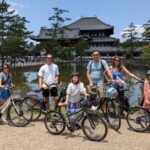
This is a maximum 10-person group. That size changes the experience in practical ways: the ride feels more personal, the guide can manage pacing, and you’re less likely to get separated into a chaotic pack. The day is also structured with short stop durations—around 15 to 20 minutes per stop—so you spend most of your time outside rather than waiting.
You’ll also want to be ready for a moderate effort level. The tour notes call for strong physical fitness. In plain terms: if hills make you sweat, this should be your kind of challenge. If you want a very easy “glide the whole time” ride, you may find the climbing tiring.
And yes, single riders can book, but there’s a 2-guest minimum rule. If the minimum isn’t met, the session might be cancelled and you’ll be offered a different date or a full refund.
Nigatsu-do Temple: Water Ritual Views and a Calligraphy Seal
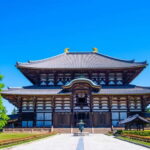
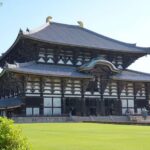
The day begins with Nigatsu-do Temple, near Todaiji. Even if you know the famous Nara temple names, this stop has a specific, local feel. It’s tied to a ritual of water celebrated once a year—so it’s not just another building to look at. You’ll also get access to a main balcony area where you can get a nice view over the Todaiji region.
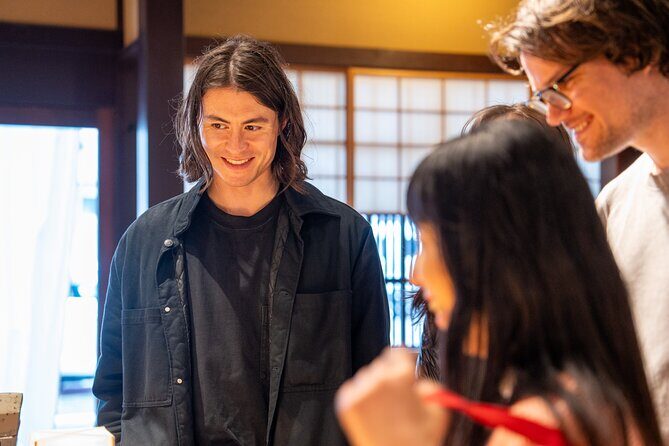
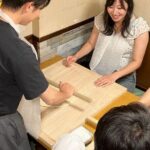
Then comes the part that turns this ride from sightseeing into hands-on culture. A calligraphy expert helps you sign a seal—your seal format will vary, but the point is that you’re making something personal during the visit. That’s one of the best value moments in the whole day because it creates a souvenir with meaning, not just a store-bought token.
The practical bonus: this stop is short, so it fits the pacing of the ride. You don’t lose the morning to a long detour. You get a moment of temple perspective, then you’re back on the bike heading toward your next change of scenery.
Kikuichi Monju Shiro Kanenaga: 750-Year Knife Craft and Paper-Test Blades
Not every bike tour includes a craft stop that teaches you how Japanese traditions are practiced at the detail level. Here you visit Kikuichi Monju Shiro Kanenaga, a traditional knife shop with a history described as 750 years.
You’ll learn about Japanese history in Nara alongside the craft themes of calligraphy and knives. That pairing might sound random until you’re there—calligraphy and blades both depend on discipline, precision, and the right technique. It’s a cultural connection that makes the stop feel purposeful instead of like a commercial pit stop.
One standout interaction: you can try the blade on paper. That kind of small, tactile activity helps you understand why these tools matter. It also makes the shop stop memorable even if you’re not a “buy-me-a-knife” person.
Stop length stays reasonable at about 20 minutes, so you’re not stuck waiting for everyone to finish browsing. If shopping is your weakness, you can keep it simple: focus on the demonstration and the paper test, then move on.

Wakakusayama Hill: The Climb, the Snack, and the Photo Payoff
After the cultural stops, the day turns physical. You head to Wakakusayama Hill—and the main reason is the view.
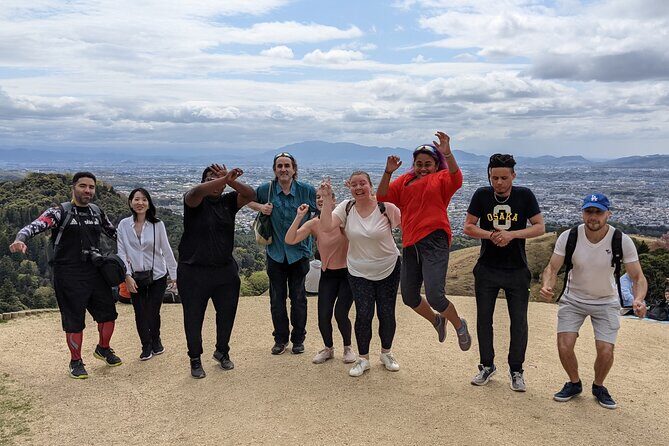
The tour reaches the top and the highlight is a photo moment described as a one-of-a-kind perspective on Nara. If you enjoy skyline-style photos, this is where you’ll likely feel like the effort is worth it.
When you reach the top, you get a snack and water refill. That’s smart planning. Hills can drain you faster than you expect, especially if you’re cycling a route that includes multiple forest segments afterward. This break helps you reset before you go deeper into Kasugayama.
The time at the hill is about 15 minutes, so treat it as a quick reward stop: look around, grab your photos, eat something, then get ready to ride again. If you linger too long, the rest of the forest stops will feel rushed.
Kyofukuji and the Forest Takeover Feeling at Kasugayama
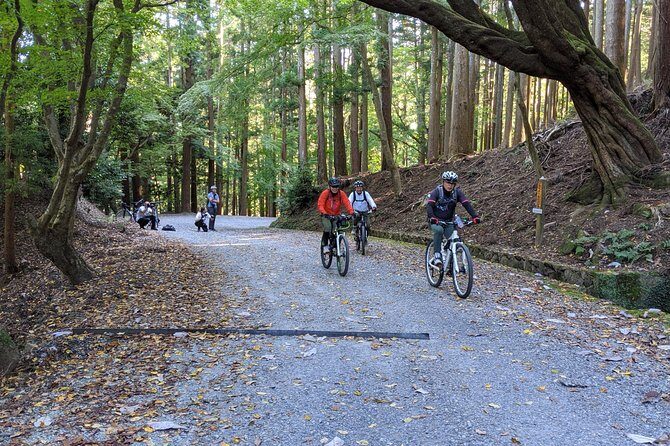
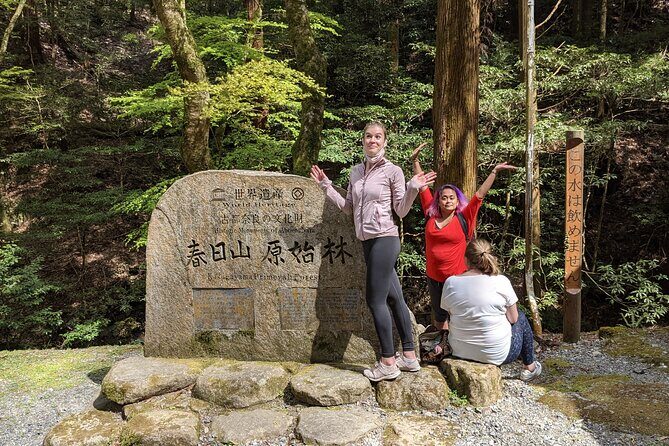
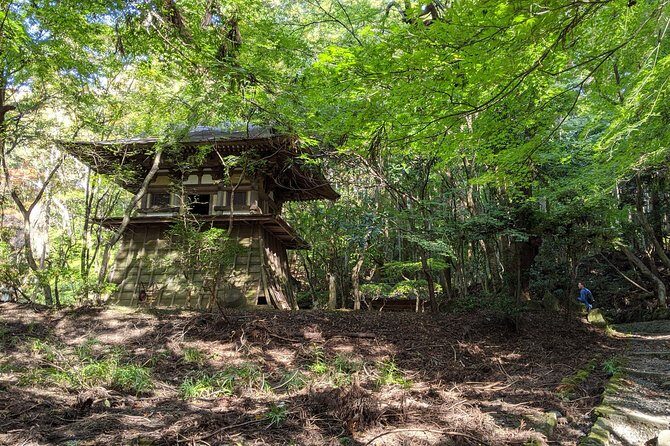
Next you go into a quieter kind of spirituality. The stop at 興福寺別院鶯滝歓喜天, called Kyofukuji, is described as long forgotten—specifically in the middle of the forest. The atmosphere is about the relationship between Buddhist architecture and nature as it reclaims the area.
This is the kind of place where you slow down without being told to. You’re riding to a spot that feels less like a main attraction and more like a place the forest is quietly protecting. The short stop time—about 15 minutes—works well because it keeps the day moving, but you still get enough time to notice details in the structures and surroundings.
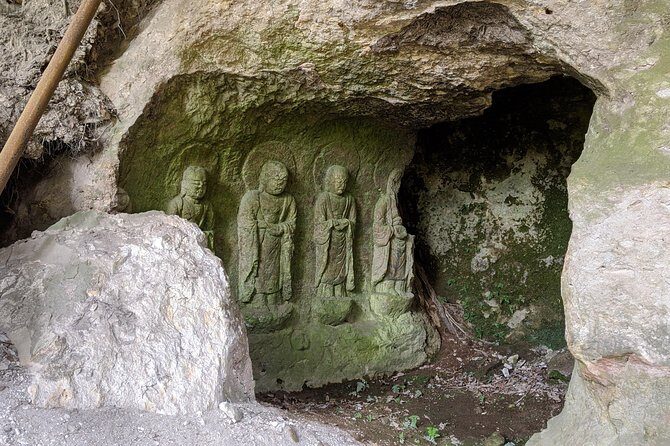
Then you continue toward more forest-carved elements at Mt. Kasuga Sekkutsubutsu. Here you’re looking for stone-carved Buddhist statues hidden in the forest of Kasugayama. It’s a protected remains area, so it’s less about sweeping views and more about careful looking—and, when you’re willing, a bit more walking from where the ride takes you.
This section is one of the reasons the tour gets such strong feedback for “getting out of the city.” You don’t just cycle past greenery. You stop in places where nature and culture overlap in a way that feels lived-in, not staged.
Uguisu Waterfall and Sagi Pond: Preserved Bridge Moments and Calm Finishing Time
The ride reaches Uguisu Waterfall, with a few minutes of walking to reach the falls. The standout detail here is the setting: the waterfall is in a forest with an old and preserved bridge, so the approach feels like a small passage deeper into the woods rather than a roadside stop.
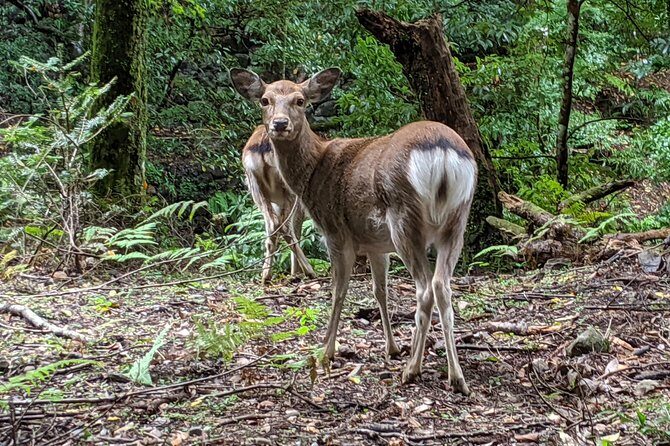
You’ll also have the chance to see wildlife—one example mentioned is a spider near the area. That’s not the point of the stop, but it does underline the fact that you’re truly in a natural environment.
After that, the tour finishes with Sagi Pond, located south of Nara Park but away from the most obvious tourist pockets. This last stop is about peace and a final photo moment—around 15 minutes—so you end with a calmer frame than you started with.
Finishing at a pond rather than another temple works for a bike tour day. It gives you a chance to decompress, take your final photos, and not feel like you’re sprinting to squeeze in one more major landmark.
How the Ride Feels: Effort Level, Pacing, and What to Expect from Your Guide
This is where the reviews can help you set expectations. The ride includes challenging hills, and the tour uses hybrid bikes. There’s no e-bike option, so you should plan on huffing at least some of the time.
The good news: pacing is part of the experience. Guides such as Elodie are praised for being personable, informative, and encouraging—exactly what you want when you’re breathing hard and trying to keep your focus on both safety and the next stop. Rémi is specifically noted for pacing riders well, which matters on a route where energy management affects how much you actually enjoy the forest stops.
So here’s a practical way to ride this day:
- Keep a steady effort instead of sprinting hills.
- Stop when the group stops; don’t rush to catch up.
- Use the water refill moments as recovery, not just hydration.
Also, wear cycling-appropriate gear. You’re given a helmet and sunglasses, but your comfort still depends on you: you’ll want breathable clothing and shoes you trust for a mix of biking and short walks at waterfall and forest statue stops.
Who Should Book (and Who Might Want a Different Style of Nara Tour)
This Nara bike tour is a great match if you want:
- A small-group experience
- Nature time right next to major temple areas
- A mix of scenic stops and cultural craft moments (calligraphy seal + knife shop visit)
- A workout that still feels fun, not exhausting
It’s also a strong option if you like photos taken from above city areas. The Wakakusayama viewpoint is the day’s big visual payoff.
Who might want to skip it or choose something else:
- People who need an easy, flat ride
- People who don’t want any climbing at all
- Anyone who’s not comfortable biking for a 5 to 6 hour outing
- Children under 14 are noted as not recommended (with requests possible by contact)
If you’re in your 50s or 60s and comfortable riding a bike for several hours, the route can work, but you still have to bring the will to climb.
Should You Book the Nara Heart of Nature Cross Bike Tour?
If your goal is to see Nara beyond the busiest postcard spots, I think this tour is worth serious consideration. The price is high enough that you should only book if you’ll actually use what you’re paying for: bike gear, guide time, multiple craft and nature stops, water refills, and the viewpoint payoff at Wakakusayama.
I’d book it if:
- You like guided routes with real stops, not just photo stops
- You want calligraphy and craft culture tied to the geography
- You’re okay riding a bike with hills and no e-bike
I’d think twice if:
- You want a totally low-effort day
- You hate the idea of bringing your own lunch and handling food needs yourself
- You want a tour that’s more about walking than cycling
If weather is bad, the experience requires good conditions. In that case, you’ll be offered a different date or a full refund. And since the cancellation window allows for free cancellation up to 24 hours before the start, it’s easier to plan with a bit of flexibility.
FAQ
How many people are in each group?
The tour has a maximum of 10 people per group, keeping the experience small and easier to manage.
What bike and safety gear is included?
Bike use is included, along with helmet and cycling sunglasses as part of the included bike gear.
Is water provided during the ride?
Yes. There are water refills available during the excursion, and the guide provides paper cups as you go for zero plastic waste.
Do I need lunch?
Lunch is not included. For safety and dietary reasons, you’ll need to bring your own lunch, and the tour will stop by a convenience store before leaving the city if you need something.
Where do I meet, and when does the tour start?
You meet at Japan Tour Adventure in Nara, 297-9 Furuichichō, Nara, and the tour starts at 10:00 am. The tour ends back at the meeting point.
Is this tour suitable for kids or single travelers?
Children under 14 are not recommended (special requests may be possible by contacting the provider). Single travelers can book, but there is a 2 guests minimum rule, so the session could be cancelled if that minimum isn’t met, with options for rescheduling or a full refund.