REVIEW · TOKYO
Samurai Training in Tokyo: Swords, Bushido & Mental Discipline
Book on Viator →Operated by INTERNATIONAL GOSHIN-BUDO ASSOCIATION · Bookable on Viator
A dojo lesson beats sightseeing every time. This private samurai training in Kojimachi is built around real practice, not just stories: etiquette, Bushido thinking, and sword drills with a qualified instructor in English.
What I love most is the ask-anything private format, so you’re not stuck with a silent group and a rushed explanation. You also start with etiquette and mindset before you pick up any training weapon, which makes the whole session feel like it has a purpose.
One more thing I really like: you don’t only watch a demonstration—you practice wooden sword movements, learn one combat kata, and then apply it in one-on-one sparring. The main consideration is logistics: there’s no private transportation included, so you’ll want to be comfortable getting yourself to the meeting point near public transit.
In This Review
- Key Highlights You’ll Actually Feel During the Lesson
- Why Kojimachi Dojo Training Feels Different Than Sightseeing
- Dressing the Part: Samurai Attire, Etiquette, and Bushido Thinking
- Breathing, Meditation, and Posture Drills Before You Touch a Sword
- Wooden Sword Drills and Heavy Stick Strength Work
- One Authentic Kata Plus Controlled One-on-One Sparring
- Matcha Break, Traditional Snacks, and the Certificate Moment
- Price and Value: What $85.66 Buys You in Real Training Time
- Who This Class Suits Best (And When to Think Twice)
- FAQ
- FAQ
- How long is the samurai training experience?
- Is the lesson taught in English?
- Do I need my own sword or special equipment?
- What’s included in the price?
- Where does it start, and is transportation included?
- Can I cancel for a full refund?
- Should You Book Samurai Training in Tokyo?
Key Highlights You’ll Actually Feel During the Lesson
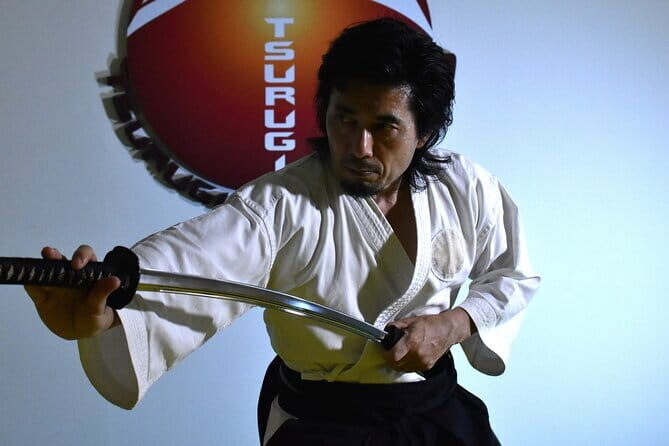
- Private Q&A in a real dojo setting so questions never feel like an interruption
- Bushido and etiquette first, with meditation and breathing exercises before sword work
- Hands-on drills using a wooden sword plus strength work with a heavy stick
- One full kata practice, followed by one-on-one sparring to test your timing
- Matcha tea and traditional sweets break in a calm cultural pause
- Scroll-style certificate with your name plus a photo in traditional samurai attire
Why Kojimachi Dojo Training Feels Different Than Sightseeing
Tokyo has plenty of samurai-themed stops, but most of them give you “look and read” experiences. This one flips the script. You’re in a dojo in the Kojimachi area, tied to the inner grounds of Edo Castle. That location matters because it frames the session as practice—not performance.
And you’ll feel the difference in how the class is paced. It starts with discipline and posture, then moves into controlled drills. Even if you’ve never handled a sword before, you’re guided step-by-step with training gear designed for learning.
Also, the private format is a big quality-of-life upgrade. You can slow down, ask a question, and get feedback that fits your body and your understanding level. That’s the kind of thing that turns a “cool activity” into a skill-building afternoon.
You can also read our reviews of more tours and experiences in Tokyo.



Dressing the Part: Samurai Attire, Etiquette, and Bushido Thinking
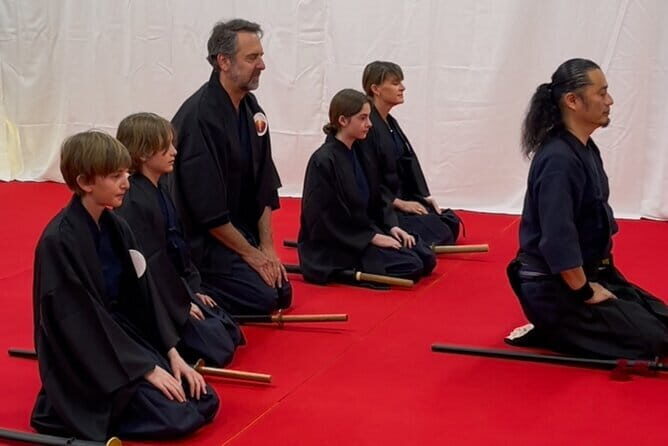
Right away, you shift into the role. You’ll rent traditional samurai attire and learn basic etiquette as part of the lesson. This isn’t “costume cosplay.” It’s treated like a training setting where your behavior affects your posture and focus.
Then the instructor sets the mindset. Bushido here isn’t presented as a vague quote you repeat for effect. It’s framed as principles you can practice: respect, self-control, and calm awareness before action.
Instructors in this experience are described as warm and attentive, and one review specifically calls out Oedo and Yukiji sharing the essence of Bushido with dedication. If you’re the type who likes to understand the why behind the how, this part is satisfying. It gives you language for what you’re about to do with your body.
What you should watch for: etiquette drills can feel a little formal at first. But that’s also the point. You’re training mental discipline as much as physical technique.
Breathing, Meditation, and Posture Drills Before You Touch a Sword
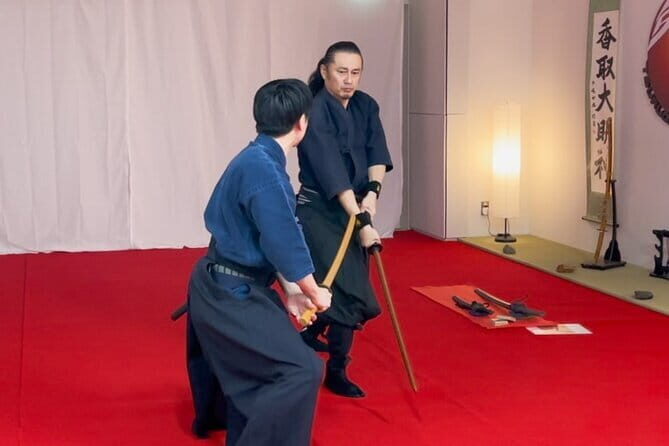
Before any sword practice, you work on breathing and meditation. Expect quiet exercises meant to calm your mind and steady your body. You’re not just “relaxing.” You’re learning how to control your rhythm—because sword work isn’t about speed alone.
Then comes the kind of training that many short demos skip: posture and walking practice. You’ll do silent walking exercises focused on balance and presence. There’s also mention of exercises that test focus like a ninja, which basically means your body has to stay aligned even when your mind wants to wander.
This is where beginner-friendly design pays off. If you’re worried you’ll be lost, you’re not thrown straight into a sword fight. The session builds from mental control to physical form.
If you’ve ever done yoga or martial arts classes, you’ll recognize the pattern: the “boring” parts are what make the exciting parts work later.
Wooden Sword Drills and Heavy Stick Strength Work
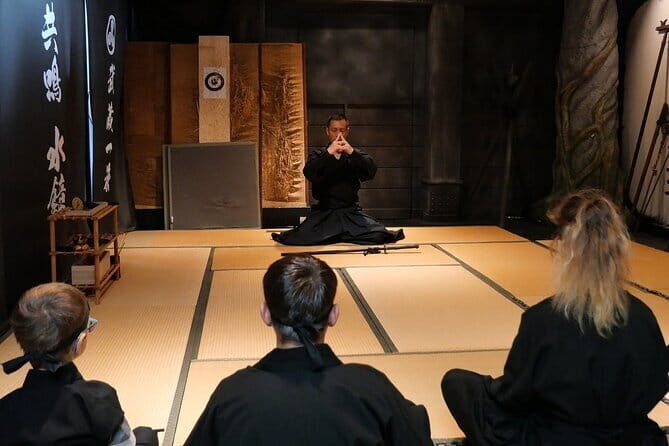
Now you start using weapons—at a learning level. First comes drills with a wooden sword. This is key. You’re practicing the structure of movements: stance, timing, and the way transitions feel from one action to the next.
The lesson also includes strength training with a heavy stick. That detail matters because it changes the class from “just technique” to “technique plus body.” You’ll notice how your strength and posture affect your form. Even a simple movement becomes more meaningful when your body has to stabilize through it.
From the reviews, the instruction sounds very hands-on and clear, with one person praising that the instructor gave great direction on the first form they learned. That’s what you want in the beginning: good feedback early, so you don’t lock in sloppy habits.
One small practical tip: wear clothing you can move in. You’ll be doing drills, and you don’t want fabric that restricts your knees or shoulders. The session is guided in English, but you’ll still learn best when you can fully participate physically.
One Authentic Kata Plus Controlled One-on-One Sparring
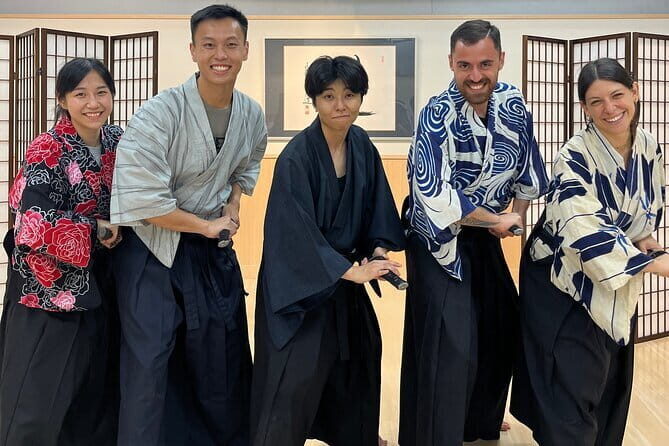
Here’s the part that makes this different from a quick sword show. You don’t just get a taste. You learn one authentic samurai combat kata and then practice it.
A kata is not a random sequence. It’s structured movement that trains decision-making, spacing, and control. Even if you don’t fully “get it” on the first run, you’ll likely understand the shape of it by the end—and you’ll have a reference point to think about later.
Then comes one-on-one sparring with the instructor. This is where you apply what you learned and test your timing and posture. Because it’s controlled and instructor-led, it’s less about winning and more about using the training correctly.
If you’re worried about safety or intimidation, the inclusion of wooden sword practice and a guided sparring format is reassuring. The session isn’t about throwing you into chaos. It’s about helping you learn how training techniques work under real resistance.
Also, the experience is described as available in English. Reviews mention English support and translators being helpful, so communication doesn’t feel like a barrier between you and the lesson.






Matcha Break, Traditional Snacks, and the Certificate Moment
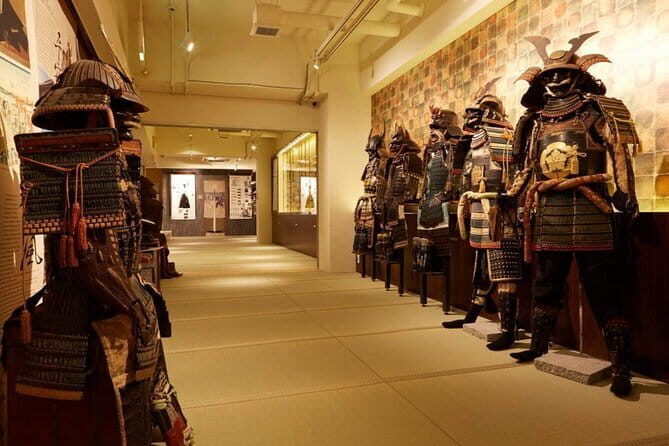
Training is intense. So there’s a proper reset built in. You’ll take a break with matcha green tea and traditional Japanese snacks in a quiet, cultural setting.
This isn’t just a snack stop; it’s a mental palate cleanser. You’ll likely notice your body feels different after the sword drills, and this pause gives you a moment to breathe and absorb what you practiced.
Then comes a standout souvenir: a personalized scroll-style certificate with your name and the techniques you learned. It’s a thoughtful keepsake because it records something specific to you, not a generic “thanks for visiting” stamp.
And yes, you’ll also wear traditional samurai attire for a commemorative photo. It’s a nice final step because it anchors the memory of training, not just the look of the outfit.
If you like taking home something more meaningful than a magnet, this certificate format is a big plus.
Price and Value: What $85.66 Buys You in Real Training Time
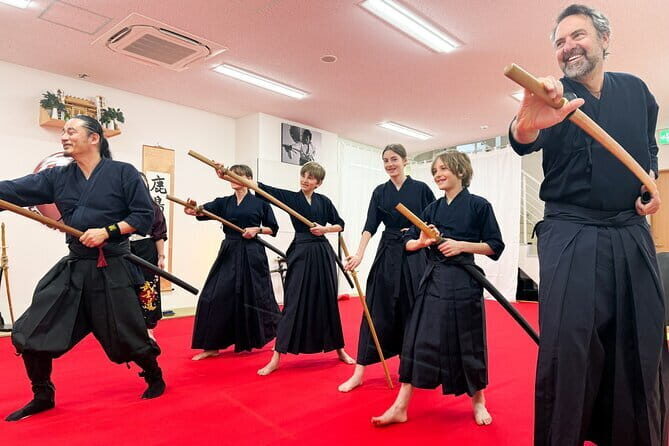
At about $85.66 per person for roughly two hours, this price feels fair when you factor in what’s included. You’re getting:
- private instruction
- a structured lesson (etiquette, meditation, drills, kata)
- equipment support (samurai uniform rental and training weapons)
- a personal certificate souvenir
- matcha and traditional snacks
The big value lever is the private experience with room for questions. A group class can be fun, but it rarely gives you the same feedback loop. Here, the time belongs to your learning pace.
One practical note: the minimum is 2 participants required, so it’s not always a solo “book instantly” kind of activity. If you’re traveling as a pair or small group, that’s ideal.
Also, it’s a mobile ticket, which is handy in Tokyo where paper tickets can feel like extra hassle.
Who This Class Suits Best (And When to Think Twice)
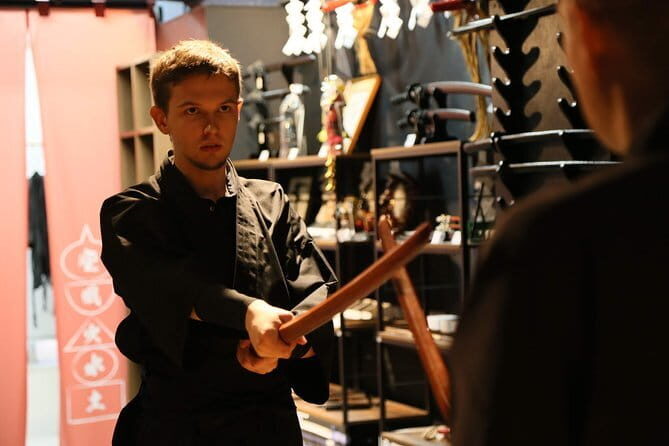
This is a strong fit if you want more than background facts. You’ll enjoy it if you like hands-on learning, even when it starts slowly with posture and mindset.
It’s also beginner-friendly and in English, which helps if you don’t know martial arts terminology. Reviews mention instructors and translators being welcoming and warm, and one review even says it can work for all ages—so the vibe seems approachable.
You might want to think twice if you dislike physical practice or prefer purely passive activities. The session includes drills and strength work, so even though it’s beginner-friendly, it isn’t a sit-and-watch experience.
The other consideration is travel logistics. Since there’s no private transportation included, plan to reach the meeting point yourself. The meeting location is at Samurai Sword Tokyo in the Kojimachi area, near public transit. That’s usually doable, but you’ll want to build a little buffer into your schedule.
FAQ
FAQ
How long is the samurai training experience?
It’s approximately 2 hours.
Is the lesson taught in English?
Yes. The experience is conducted in English and is beginner-friendly.
Do I need my own sword or special equipment?
No. You’ll get samurai uniform rental, and the training uses equipment like a wooden sword as part of the lesson.
What’s included in the price?
The experience includes instruction on sword skills, Bushido, and samurai history; a live sword demonstration; a personalized scroll-style certificate with your name and techniques; matcha tea and Japanese sweets; a commemorative photo; and access to toilets in the building.
Where does it start, and is transportation included?
It starts at Samurai Sword Tokyo (4-chōme-2-1 Kōjimachi, Chiyoda City, Tokyo). The tour does not include air-conditioned vehicle service or private transportation, though it is near public transportation.
Can I cancel for a full refund?
Yes. You can cancel up to 24 hours in advance for a full refund.
Should You Book Samurai Training in Tokyo?
If you want an activity that actually changes how you move and think, book this. The structure is smart: etiquette and Bushido mindset, then breathing and posture, then wooden-sword drills, then a kata, and finally one-on-one sparring. You end with a souvenir certificate, plus matcha and traditional snacks.
If you’re trying to fill time with something simple and passive, this may feel like more work than you want. But if you like learning through doing, this is the kind of Tokyo experience that you’ll remember long after the photos fade.