REVIEW · TOKYO
Seasonal Mt. Fuji Scenic Views, Fruit Picking and Ropeway Ride!
Book on Viator →Operated by H.I.S.Co., Ltd. · Bookable on Viator
Fuji views plus fruit picking in one day. I like how this trip layers Mount Fuji 5th Station area scenery with the Lake Kawaguchiko ropeway—so your day has both big views and real hands-on time on the ground. Past runs highlighted guides like Alex and Yuko, and you’ll be with an English-speaking guide and a small-ish group (up to 45).
Two things I really like: the included lunch is not just a snack—it’s Yamanashi-style udon (Houtou pot set), and the fruit picking is built as an actual experience with seasonal varieties and an all-you-can-eat setup. You also get Wi-Fi on the move and a mobile ticket, which makes the day feel easier if you hate last-minute ticket hunts.
One consideration: weather and timing can change the day. If the mountain is hidden or the roads can’t be reached, the plan can swap in alternatives like the Fuji Visitors Center or Oshino Hakkai, and traffic may shorten stops.
In This Review
- Quick Things to Know Before You Go
- Tokyo to Fuji, Without the Stress
- Price and Value: What $92.24 Buys You
- Stop-by-Stop: What You’re Actually Doing All Day
- 1) Shinjuku Departure: The Real Start Time Is 8:00
- 2) Lake Kawaguchiko Ropeway: Fuji From Above
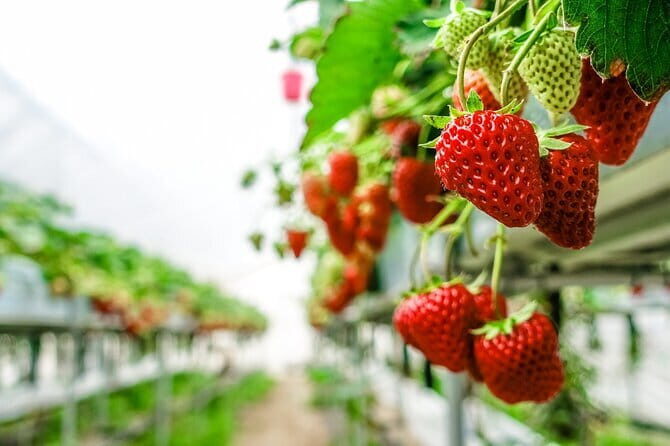
- 3) Yamanashi Fruit Farm: The Hands-On Part
- 4) Lunch: Houtou Udon Pot Set
- 5) Oishi Park: Seasonal Views by the Lake
- The Mount Fuji Reality Check (and How to Handle It)
- Guides and Timing: Why the Day Feels Smooth or Not
- Who This Tour Is Best For (and Who Should Think Twice)
- Should You Book This Fuji + Fruit Day Trip?
- FAQ
- What fruits can I pick during the seasonal fruit picking stop?
- Is lunch included, and what do I eat?
- What does the Lake Kawaguchiko part include?
- How long is the tour?
- Where are the meeting and end points in Tokyo?
- Will I definitely see Mount Fuji?
- Is Wi-Fi available during the day?
Quick Things to Know Before You Go
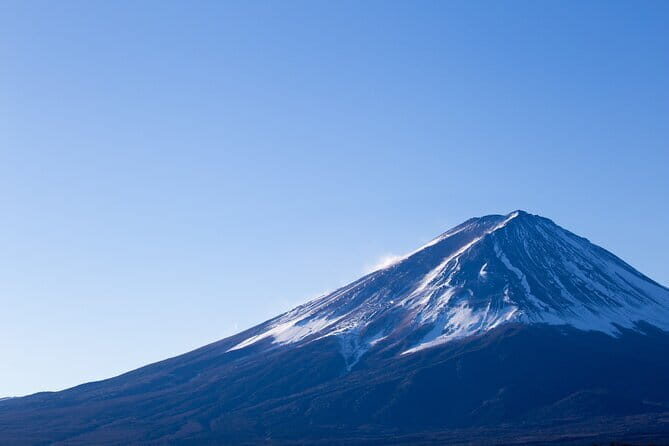
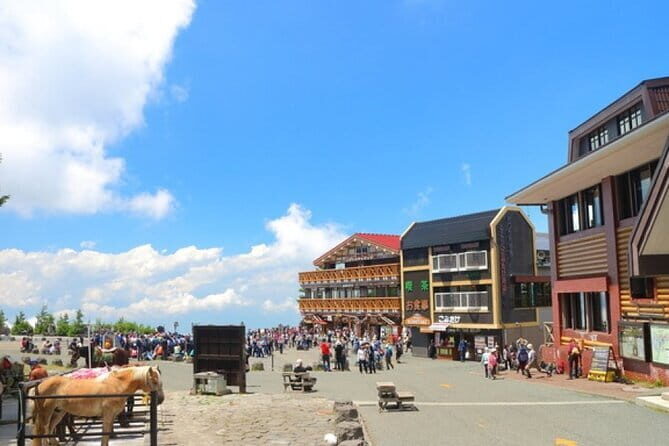
- Mt. Fuji 5th Station area is the target: if roads close, you’ll pivot to nearby options like Fuji Visitors Center or Oshino Hakkai.
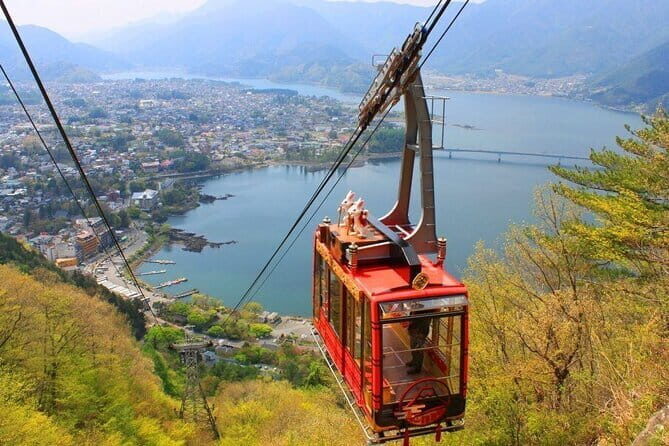
- Lake Kawaguchiko ropeway ride: you’re going up for a bird’s-eye look at lake and mountain.
- Fruit picking is seasonal: strawberries in winter/early spring, and other months often mean cherries, peaches, or grapes.
- Lunch is the Yamanashi udon meal: Houtou pot set included at a local restaurant.
- Plan for cold and queues: the higher elevation area can be chilly; ropeways can have waits depending on conditions.
Tokyo to Fuji, Without the Stress
This is the kind of day trip that makes sense when you want Fuji but you don’t want to spend your morning solving train connections. You start in Shinjuku around 8:00 am at the Robert Indiana Sculpture: LOVE (6-chōme-5-1 Nishishinjuku). The pick-up is close to JR Shinjuku Station, which matters because a lot of Fuji-area tours die by punctuality—and this one asks you to stick to the advised departure time.
You’ll roll out on a bus with an English-speaking guide, and the trip is designed to be straightforward: you’re moving from city to nature, then into a farm experience, then back to scenic viewing before returning to Tokyo. The duration is about 10 hours 30 minutes, so think of it as a full day, not a quick taste.
Group size stays on the smaller side (maximum 45). In practice, that can mean you get more manageable coordination at stops. The flip side is that if you want total flexibility or lots of free wandering, you’ll need to be comfortable following the schedule.
You can also read our reviews of more tours and experiences in Tokyo.



Price and Value: What $92.24 Buys You
At about $92.24 per person, the big value is that the headline attractions are included rather than sprinkled in as add-ons. This is not only a scenic bus ride.
Here’s what’s included that usually costs extra when you DIY:
- Mount Fuji Panoramic Ropeway admission
- Seasonal fruit picking (with all-you-can-eat style fruit time)
- Lunch at a local restaurant (Houtou pot set)
- Wi-Fi service during the trip
- An English-speaking guide
When you compare that to paying for ropeway tickets plus a farm visit plus a meal separately, the price can start to look reasonable. It’s also booked on a fairly common lead-time window (on average, about 61 days ahead), which is a hint that this is a popular one-day plan—so don’t wait until the last minute if you’re set on a specific season.
Stop-by-Stop: What You’re Actually Doing All Day
1) Shinjuku Departure: The Real Start Time Is 8:00
You meet at 8:00 am. The check-in is simple—your guide is there to confirm your name and help you board. This is important because later in the day, the schedule can tighten if traffic hits.
If you’re traveling from elsewhere in Tokyo, I suggest building in extra buffer to reach the LOVE sculpture area early. Latecomers won’t get a refund, and with this kind of itinerary, being late can ripple through your own day.
2) Lake Kawaguchiko Ropeway: Fuji From Above
Around 10:00 am, you reach Lake Kawaguchiko for the ropeway ride. This is one of the smartest “planning-proof” parts of the itinerary, because even on days when cloud cover blocks the mountain, you still get lake views and a big shift in perspective compared to being down in the city.
The ropeway ride also tends to be the moment people remember. You’re going up for a bird’s-eye look at both the lake and Mount Fuji. Photo-wise, it’s a big advantage: you’re not just standing at one viewpoint—you’re getting height.
Practical tip: bring something for cold weather. The day can feel mild in Shinjuku and still turn chilly as you gain elevation.





3) Yamanashi Fruit Farm: The Hands-On Part
After lunch, the day shifts into farm mode. You’ll visit a fruits farm for seasonal fruit picking plus all-you-can-eat style enjoyment.
What fruits you pick depends on the season. The tour describes examples like:
- Late December through early May: sweet strawberries
- Other seasons: fruit such as cherries, peaches, or grapes (the exact mix varies)
The picking experience can also be shared in different ways depending on ripeness and growing conditions. That means you might not always pick every piece you eat, but you should still expect a tasting setup and a plate if fruit needs to be portioned.
This stop is a good match for families and anyone who wants a break from temples and museums. You’re not just looking—you’re doing. And because the fruit changes through the year, it’s one of those experiences that feels different depending on when you come.
4) Lunch: Houtou Udon Pot Set
Lunch is included, and it’s a strong point of the tour. You eat at a local restaurant with Yamanashi’s famous udon dish: Houtou pot set.
If you’ve only had regular udon elsewhere in Japan, Houtou is the kind of meal that hits the spot. It’s filling and designed for comfort, which matters because you’re often going from cool outdoor air into a colder mountain-weather day.
From my angle, this is a smart inclusion. Tours that skip a real lunch leave you hunting for food later, which is when time problems get worse.
5) Oishi Park: Seasonal Views by the Lake
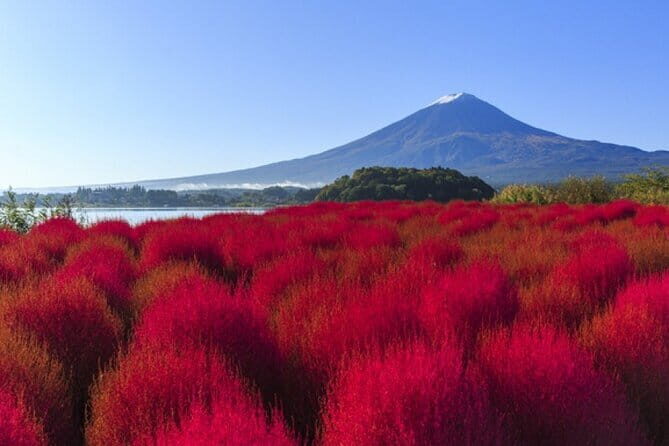
Your last scenic stop is Oishi Park, focused on seasonal scenery. Depending on the time of year, the viewpoint areas change for the season’s star attractions.
Examples given include:
- Cherry blossom season
- Red leaf season
Even when Mount Fuji is shy behind clouds, Oishi Park offers a reason to slow down: lake-area viewpoints and seasonal color are usually strong on a clear or even partly cloudy day.
Bundle up anyway. This part of the day often involves waiting for the light and taking photos, and the lake air can feel colder than you expect.
The Mount Fuji Reality Check (and How to Handle It)
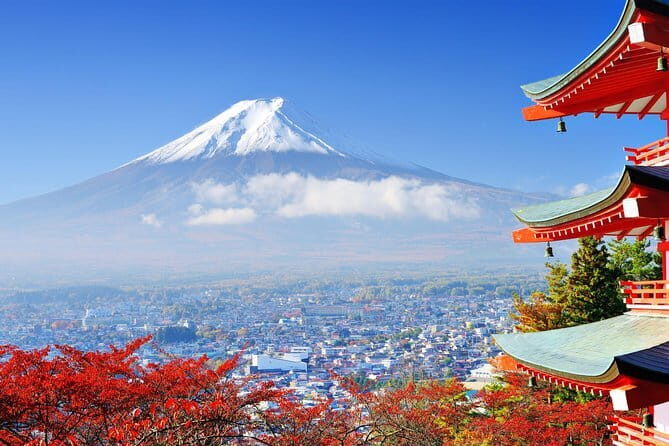
Mount Fuji is famous for being fickle. This tour runs with the expectation that you’ll have the best shot at seeing it, but it also clearly warns you that if conditions are bad, you might not see Mount Fuji.
The important part: the tour says they won’t cancel and won’t refund in cases where Mount Fuji can’t be seen due to weather. That’s normal for Fuji viewing—but it changes how you should plan emotionally.
So how do you make the day work anyway?
- Treat Fuji as a bonus, not the only purpose of the day. The ropeway and lake viewpoints still matter.
- Use Oishi Park and the seasonal scenery as your fallback photo plan.
- Bring layers so you’re comfortable even if the mountain disappears.
Also note: access to the Mt. Fuji 5th Station area can depend on road conditions. In winter, for example, high winds can affect ropeway operations, and icy roads can change the route. If you’re booking in the colder months, plan for an itinerary pivot without assuming every lift and road segment will run.
Guides and Timing: Why the Day Feels Smooth or Not
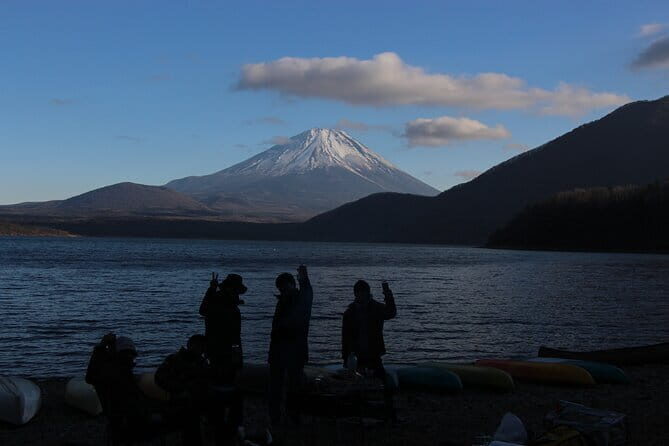
This tour relies heavily on two things: guide pacing and bus logistics. The experience rating is strong overall, and one pattern stands out—when guides keep things organized and friendly, the day feels fun and fast even when you’re on a full schedule.
Specific guide names show up in the feedback, including:
- Alex (praised for fall-color views and grape picking variety)
- Yuko (praised for explaining Fuji and making it feel more impressive than expected)
- Betty (praised for extra touches and a smooth vibe)
- Peter and Thomas (praised for guiding well, keeping the drive interesting)
- Dami (praised for fun facts)
- Chica and Hiro, and Midori (praised for thorough planning and professionalism)
- Edward (praised for photo spots and energetic guiding)
The other lesson is also clear: some days can run less smoothly if the guide rushes, gives less useful narration, or timing slips. And because the itinerary can shorten stops due to traffic, you need to stay engaged and move with the group when it’s time to go.
Practical advice: if you care about hearing commentary, sit where you can. One account noted that Wi-Fi and the guide’s audio weren’t fully reliable in every seat area on a bus. If hearing the story matters, aim for closer to the front.
Who This Tour Is Best For (and Who Should Think Twice)
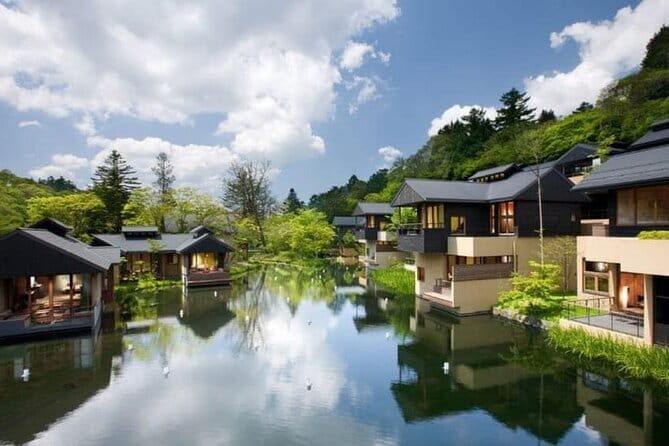
This tour is a great fit if you want:
- A one-day Fuji outing from Tokyo without planning train transfers
- Ropeway viewpoints that beat basic lakeside photo angles
- Seasonal fruit picking as an actual activity, not a quick photo stop
- Included lunch so your day doesn’t unravel from snack hunting
It’s also a good family option because the fruit farm part gives kids (and adults) something to do with their hands.
You might want a different plan if:
- You’re very sensitive to schedule changes. Traffic can shorten stops.
- You expect guaranteed Mount Fuji visibility. The day can be foggy or cloudy, and refunds aren’t offered for that.
- You dislike structured group tours. This is not a slow, free roaming day.
Should You Book This Fuji + Fruit Day Trip?

I’d book it if you want a packed-but-managed day that turns Tokyo energy into Fuji views, then hands-on farm fun, then scenic lake color—without the hassle of building your own route.
I’d hold off or choose another style of trip if your travel dates are tightly tied to seeing Mount Fuji no matter what. For many people, this is still worth it because the ropeway and lake viewpoints keep the day rewarding, even when Fuji is muted.
My decision rule: if you’re flexible about weather and you like structured tours with included meals, ropeway, and a real activity, this is good value. If you want full independence and zero schedule risk, you’ll probably feel boxed in.
FAQ
What fruits can I pick during the seasonal fruit picking stop?
The fruit type depends on the season. The tour describes examples such as sweet strawberries (late December through early May) and other seasonal fruits including cherries, peaches, or grapes at different times of year.
Is lunch included, and what do I eat?
Lunch is included. You’ll eat udon in Yamanashi style, specifically a Houtou pot set at a local restaurant.
What does the Lake Kawaguchiko part include?
At Lake Kawaguchiko, you’ll take the Mount Fuji Panoramic Ropeway ride. Ropeway admission is included.
How long is the tour?
The duration is about 10 hours 30 minutes (approx.).
Where are the meeting and end points in Tokyo?
You start at the Robert Indiana Sculpture: LOVE near JR Shinjuku Station. The tour ends at Tokyo Mode Gakuenモード学園総合校舎コクーンタワ in Nishishinjuku.
Will I definitely see Mount Fuji?
No. Mount Fuji might not be visible due to bad weather, and in that case the tour says it will not cancel and will not offer a refund.
Is Wi-Fi available during the day?
Yes. Wi-Fi service is listed as included, and you also receive a mobile ticket.