REVIEW · KYOTO
Kyo-arashi Shibori Scarf Class
Book on Viator →Operated by Kyoto Shibori Museum · Bookable on Viator
A silk scarf isn’t usually something you can make in Kyoto. This one is hands-on, guided by the Kyoto Shibori Museum team, using the kyo-arashi shibori technique to dye a real silk scarf while you watch the pattern take shape. I like that you leave with a personalized souvenir, not a generic buy-it-and-go trinket.
Two more things I really like: the class runs in a tight 30 minutes to 1 hour window, and you still get time during the dye process to wander the museum and try on a shibori kimono. One possible drawback is the experience is focused on this specific technique and item, so if you’re hoping for a menu of crafts beyond scarf dyeing, you may find it narrower than some “do everything” workshops.
In This Review
- Key Highlights You’ll Actually Use
- Kyoto Shibori Scarf Class: Art Work You Can Wear
- Entering the Process: What Kyo-arashi Shibori Really Means
- Your Scarf, Your Choices: Colors and the Pattern Reveal
- The Class Schedule: How 30 Minutes to 1 Hour Feels in Real Life
- Museum Time and the Shibori Kimono Try-On
- Small-Group Comfort: Private Class, Attentive Staff, Easy Questions
- Price and Value: Is $50.30 Worth It?
- Who This Is Best For (and Who Might Skip)
- Practical Tips Before You Go
- Final Verdict: Should You Book This Shibori Scarf Class?
- FAQ
- What do I make in the Kyo-arashi Shibori scarf class?
- How long does the class take?
- Is museum admission included?
- Can I try on a kimono during the class?
- Can I choose my scarf colors?
- Is this a private class?
- Where is the meeting point?
- What is the minimum age to participate?
- Does the class have multiple start times?
- What’s the cancellation policy?
Key Highlights You’ll Actually Use

- Kyo-arashi shibori method for dyeing a 70 x 17 inch silk scarf, with a clear step-by-step process
- Personalize your scarf colors and see the result after unfolding
- Short, focused class time (about 30 minutes to 1 hour) with museum time while your fabric dries
- Museum included, plus a chance to try on a shibori kimono
- Private experience for your group and help in English is part of the vibe
- Make it to the big reveal: fold, wrap a pipe, string, dye, then unfold to show the pattern
Kyoto Shibori Scarf Class: Art Work You Can Wear
If you want one Kyoto activity that feels genuinely “you made this,” this shibori scarf class hits the mark. You’re not just watching. You’re doing the careful folding and binding that turns plain silk into a resist-dyed pattern. That matters, because shibori is one of those crafts where the technique is the whole point.
I also love that it’s set inside the Kyoto Shibori Museum. This isn’t a random workshop tucked into a side street. You start with a focused craft class, and then you can shift gears into museum browsing and a kimono try-on while your scarf finishes drying. It makes the experience feel like Kyoto, not just a quick task.
And yes, the staff’s English support comes up often. One instructor named Nina is specifically mentioned as speaking great English, and that’s a big deal when the folding steps need to be exact.
A few more Kyoto tours and experiences worth a look


Entering the Process: What Kyo-arashi Shibori Really Means

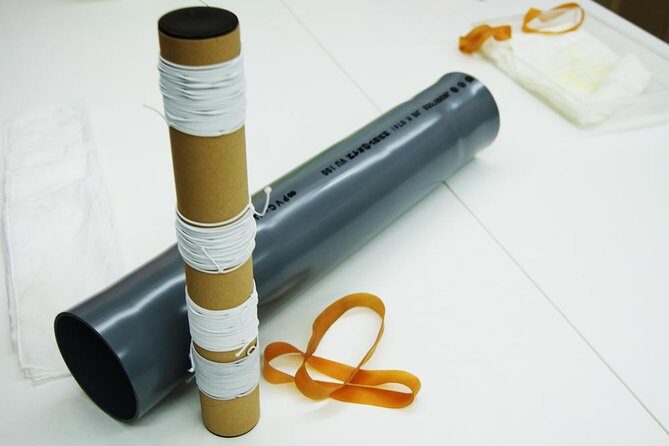
Kyo-arashi shibori is a resist-dye method. The pattern forms because parts of the fabric are bound and squeezed so dye can’t reach evenly. In class, you learn how to control that binding and pressure—then you dye, unwind, press, and unfold to see your result.
Here’s the flow you’ll follow in plain language:
- You fold the fabric in a particular way.
- You wrap a pipe in the folded fabric.
- You wind string around the pipe and then squeeze and press the fabric down toward the bottom.
- You dye the fabric in your chosen color.
- You unwind, roll the fabric with a towel, and press it.
- Then you unfold to reveal the pattern.
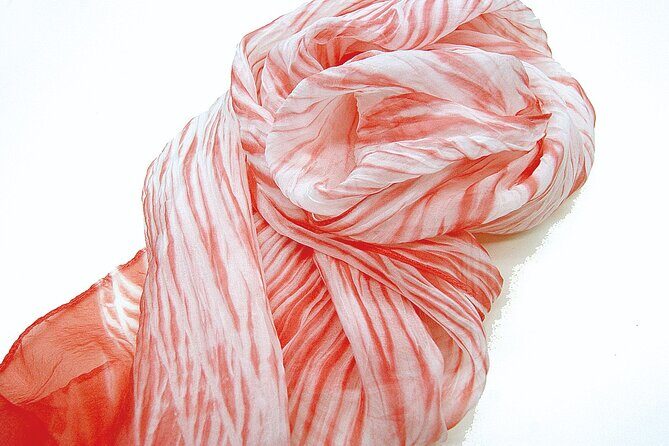
It’s surprisingly satisfying. The steps are tactile and repeatable, so even first-timers can follow along. And the scarf’s final size is substantial—about 70 inches by 17 inches (180 cm x 44 cm)—so you’re not making something tiny you’ll baby in a drawer.
Your Scarf, Your Choices: Colors and the Pattern Reveal
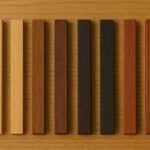
The class is built around customization, especially with color. You’ll choose your color preferences before you dye. That choice affects the scarf’s final look, but the resist technique still drives the pattern. In other words: you get to decide the “mood,” and the method creates the “design.”
The best part is the reveal moment. After dyeing, binding, and pressing, you unfold the fabric to see what happened. This is the core reason people love shibori workshops: you’re not fully in control of how the silk responds. That’s also why the results look special even when the steps are taught clearly.
A practical point: the class is short, so the timing is set up around the workflow. You’ll get guided instruction, then your scarf needs time to dry and set. That waiting time is not wasted. It’s when you shift into museum time and kimono try-on.
The Class Schedule: How 30 Minutes to 1 Hour Feels in Real Life

Most classes run somewhere between 30 minutes and 1 hour. That may sound brief, but it matches how the technique is taught. You’re doing the key binding steps, dyeing, and then moving through the pressing/unfolding stage. The craft team keeps things moving so you’re not stuck waiting all day.
You’ll also get multiple start times to fit your Kyoto day. That helps a lot. Kyoto can be an any-time-you-walk-out-your-hotel kind of place—crowds rise, lines appear, and plans shift. Having options means you can pick a slot that doesn’t fight the rest of your itinerary.
Because your scarf is drying during part of the experience, you’ll do something else instead of standing around. This is where the museum experience becomes more than an add-on.
Museum Time and the Shibori Kimono Try-On
Here’s a smart part of the experience: while your fabric dries, you’re free to explore the museum displays and try on a kimono. The museum admission is included, which makes the craft class feel like it belongs in a real cultural space, not just a one-room studio.
A shibori kimono try-on is a great reset for your brain. You’re learning about resist dyeing for a scarf, then you get to experience how shibori looks when it’s worn. That contrast helps you understand the craft beyond the technical steps.
Also, the museum/gift shop comes up as something you shouldn’t skip. The class outcome is your scarf, but the museum is where you can see how shibori patterns vary and how the craft is presented as a tradition in its own right.
If you’re short on time in Kyoto, this combo is a win. You get hands-on crafting plus context, all in the same stop.





Small-Group Comfort: Private Class, Attentive Staff, Easy Questions

This is listed as a private tour/activity. That means only your group participates, which changes the vibe. You’re more likely to ask questions mid-process instead of trying to squeeze them around other participants. It also makes the experience feel less like a factory and more like a focused lesson.
The tone matters here, and the feedback style is consistent: the staff is described as lovely, attentive, and accommodating. People also mention that the instructors speak great English, which is huge when you’re dealing with a multi-step craft.
One practical example that shows how they manage logistics: there’s a mention of being accommodated even though the group arrived early. That’s the kind of detail that makes a short class feel smooth instead of stressful.
Price and Value: Is $50.30 Worth It?
At $50.30 per person, you’re paying for more than dye. You’re paying for:
- instruction on a specific resist technique (kyo-arashi shibori)
- access to the museum (admission included)
- the option to try on a shibori kimono
- and you leave with a real silk scarf you made yourself
Workshops that only teach a basic craft sometimes charge similar prices, but you usually don’t also get museum admission and a kimono try-on bundled in. Here, the value comes from the full arc: learn the process, make the item, then connect it to the museum collection while you wait for drying to finish.
It also helps that the scarf is large. A wearable scarf is easier to justify than a small craft you’ll store forever.
For budget sanity: this is one of the cleaner “one ticket = one concrete thing you take home” activities in Kyoto.
Who This Is Best For (and Who Might Skip)
This class is a strong fit if:
- you want a hands-on Kyoto activity with a clear craft payoff
- you’re a beginner and want step-by-step guidance
- you like the idea of making a wearable souvenir
- you want a family-friendly experience and your kids are old enough for the minimum age
The minimum age is 12 years, and adult pricing applies to all ages. So if you’re traveling with younger children, plan carefully.
On the positive side, families show up and it works—there’s an example of a family with two young kids who still had a great time making scarves. That said, because the stated minimum age is 12, you’ll want to follow the rules before you book for younger kids.
If you’re looking for a long, multi-hour craft immersion, this might feel short. The upside is that it stays focused and doesn’t swallow your whole day.
Practical Tips Before You Go
A few things will make your visit smoother:
- Plan around drying time. The class has a built-in waiting period while the dye sets. Don’t rush off. Use that time for museum displays and kimono try-on.
- Arrive near your start time. The experience starts at the Kyoto Shibori Museum address: 135-5 Shikiamichō, Nakagyo Ward, Kyoto, 604-8261, Japan. If you’re on public transit, build in walking time so you don’t cut it close.
- Choose your start time strategically. Multiple start times are offered, which is helpful for Kyoto scheduling. Pick one that matches your energy level, not just your calendar.
- Go in expecting a guided technique lesson. This isn’t a free-form art session. The resist pattern comes from following the method correctly.
Also, the museum is near public transportation, and there are two car parking spaces plus bicycle parking spaces. If you’re driving or biking, that helps.
Final Verdict: Should You Book This Shibori Scarf Class?
I’d book it if you want a Kyoto souvenir that you can proudly explain—fold, pipe, string, dye, unfold. The personalized silk scarf is the headline, but the museum time and shibori kimono try-on make it feel like a full cultural stop, not a rushed transaction.
Skip it if you’re sensitive to short workshop time or if you expected a broader menu of crafts beyond scarf dyeing. With the minimum age set at 12, it’s also worth checking your group’s ages first.
If your goal is one meaningful, hands-on Kyoto experience that ends with something beautiful you made yourself, this class is an easy yes.
FAQ
What do I make in the Kyo-arashi Shibori scarf class?
You learn how to dye a silk scarf using the kyo-arashi shibori method. The scarf size is about 70 inches by 17 inches (180 cm by 44 cm).
How long does the class take?
Classes usually take about 30 minutes to 1 hour per class.
Is museum admission included?
Yes. Museum admission is included, and you can browse the museum displays while your scarf is drying.
Can I try on a kimono during the class?
Yes. You have the opportunity to try on a shibori kimono while your fabric is drying.
Can I choose my scarf colors?
Yes. You can customize the scarf to your own color preferences before the dyeing step.
Is this a private class?
Yes. It’s a private tour/activity, meaning only your group participates.
Where is the meeting point?
You meet at the Kyoto Shibori Museum, 135-5 Shikiamichō, Nakagyo Ward, Kyoto, 604-8261, Japan.
What is the minimum age to participate?
The minimum age is 12 years, and adult pricing applies to all ages.
Does the class have multiple start times?
Yes. You can choose from multiple start times to best fit your schedule.
What’s the cancellation policy?
Free cancellation is available up to 24 hours in advance for a full refund. If you cancel less than 24 hours before the start time, the amount you paid is not refunded.