REVIEW · TOKYO
Seasonal Mt. Fuji Scenic Views, Fruit Picking and Ropeway!
Book on GetYourGuide →Operated by H.I.S. Co Ltd(TIC) · Bookable on GetYourGuide
Fuji looks different in every season. This one-day tour is built around that idea: scenic stops near Mt. Fuji change with the calendar, and you add a gondola ride plus orchard time for fresh fruit.
I really like the combo of big Mt. Fuji views and hands-on seasonal fruit picking in Yamanashi Prefecture. One small detail that stands out to me: the day is led by an English-speaking guide, and in at least one run, Christy and the driver actively tried to find a better spot when people were eager to see the peak.
The main drawback is also the most Japan thing: weather can blank out Mt. Fuji, and there are no refunds if visibility is affected or if the schedule shifts to keep the day moving.
In This Review
- Key Points You’ll Actually Care About
- One Day, Real Scenery: How This Mt. Fuji Plan Fits Together
- Kawaguchiko Ropeway: Your Best Shot at Clear Views
- Oishi Park and Beyond: What You’ll See Changes With the Season
- Fruit Picking in Yamanashi: Picking, Tasting, and Not Guessing
- Lunch You’ll Actually Remember: Houtou Noodles and Seasonal Vegetables
- The Driver and Guide Factor: When People Want the Peak
- Price and Value: Is $90 Worth It?
- What Can Go Wrong (and How You’ll Still Get a Good Day)
- Who This Tour Suits Best
- Should You Book This Seasonal Mt. Fuji Tour?
- FAQ
- What is included in the $90 per person package?
- Where does the tour start, and how do I meet up?
- What fruit will I be able to pick?
- Does this tour guarantee Mt. Fuji will be visible?
- What happens if the Mt. Fuji Panoramic Ropeway does not operate?
- Is lunch included?
- Can children join for free?
Key Points You’ll Actually Care About
- Kawaguchiko Ropeway gondola included for Mt. Fuji and Lake Kawaguchi views from above
- Fruit picking by season: strawberries, Japanese cherry fruit, peaches, grapes, and sometimes apples or oranges
- Oishi Park plus Mt. Fuji viewing spots are part of the seasonal plan (with itinerary timing differences depending on the dates)
- Lunch included (option-selected) with Yamanashi houtou noodles, pork, and fresh seasonal vegetables
- Backup plans if the ropeway doesn’t run, with redirection to the Fuji Visitor Center or Oshino Hakkai
One Day, Real Scenery: How This Mt. Fuji Plan Fits Together
This is a classic day trip format: you leave Tokyo by air-conditioned bus, get taken around Mt. Fuji’s area, and return back to the meeting point. The tour is for international tourists, and you travel with an English-speaking guide plus one group setup (minimum 10 passengers is listed, and there’s 1 guide).
What I like about this style of tour is that you’re not trying to manage multiple transport changes while chasing weather and light. It’s one operator, one plan, and the focus stays on a simple goal: seasonal views of Mt. Fuji and something hands-on that’s genuinely local.
A practical tip: bring comfortable shoes. The day includes scenic parks and viewpoints, and you’ll likely be walking more than you expect once you’re off the bus.
You can also read our reviews of more tours and experiences in Tokyo.



Kawaguchiko Ropeway: Your Best Shot at Clear Views
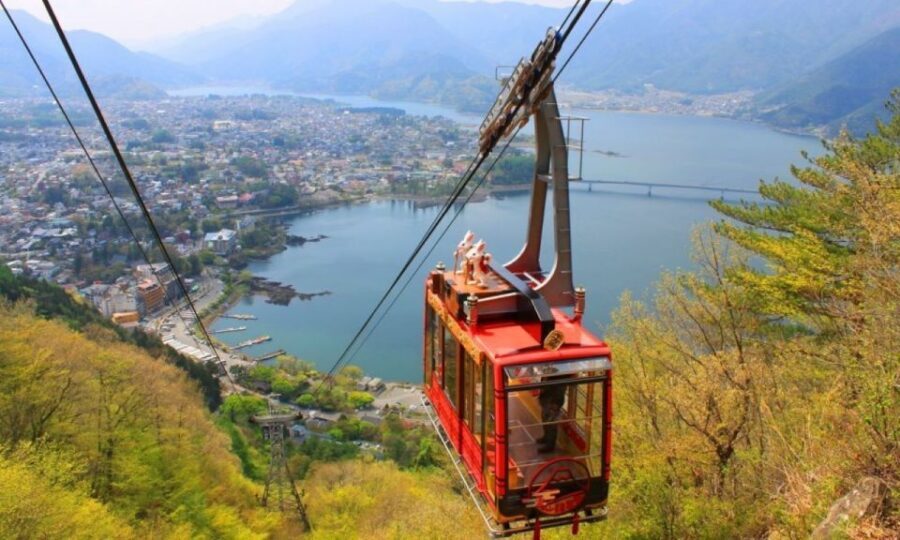
The highlight added for this specific tour is the Mt. Fuji Panoramic Ropeway (gondola) ticket. The gondola ride is called the Fujisan Panorama Ropeway on the day info, and it’s specifically positioned for a high-angle look at Lake Kawaguchi and Mt. Fuji.
This is the part of the day where you benefit most from doing something that isn’t just standing around. Even when Mt. Fuji is partly hidden from ground level, a ropeway ride often gives you a different angle. It’s also a nice pacing break: you sit, look, and reset before the next stop.
Now the not-so-fun part. If the ropeway does not operate, you won’t just be stuck. The tour redirects to one of these alternatives: the Fuji Visitor Center or Oshino Hakkai. That’s a useful safety net because it keeps the day from collapsing when operations stop.
Also, remember: fog, heavy rain, or high humidity can reduce visibility. That’s why I treat the ropeway like a bet you place for a better view, not a guarantee of a perfect photo.
Oishi Park and Beyond: What You’ll See Changes With the Season
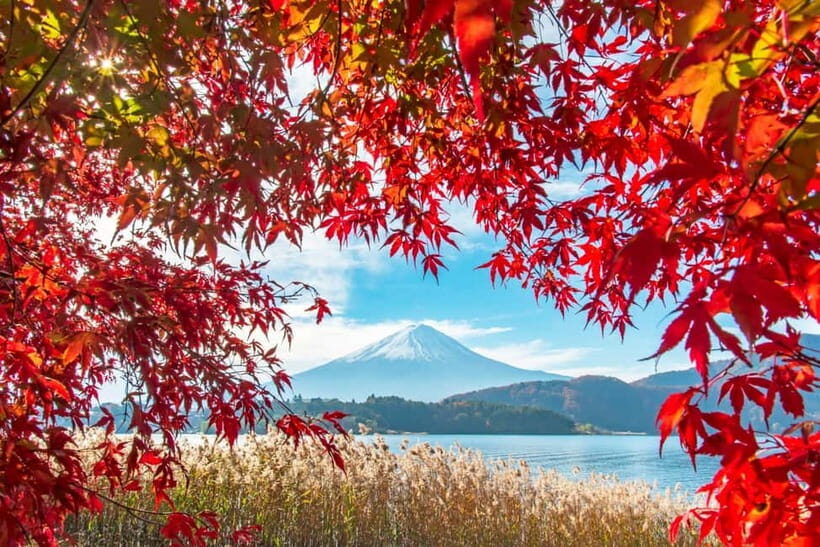
The tour is designed around the shifting look of Mt. Fuji through the year. That means your exact stops can vary based on timing, and the operator notes changes tied to dates in 2025.
One example given: the original plan visits Oishi Park and Mt. Fuji until May 10. After May 25, there are schedule changes meant to give you more time at each destination. Translation: later spring and early summer runs are planned to feel less rushed.
Here are the seasonal highlights the tour lays out:
- Winter (late December – March): Saiko Iyashi no Sato Healing Village
This is a traditional village setting with Mt. Fuji views. If you like quieter scenery and calmer photo lighting, winter is usually when the mountain can look crisp when skies cooperate.
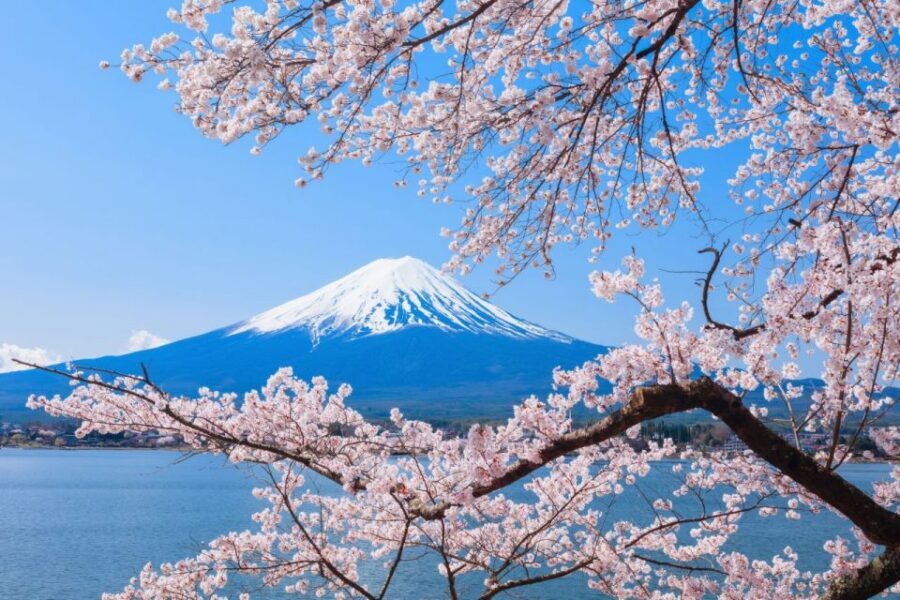
- Spring (April): cherry blossoms at Kawaguchiko
This is a straight-up flower-and-mountain day. Expect a classic spring pairing: soft blossoms in the foreground and Mt. Fuji in the background when visibility allows.
- Shibazakura season (late April – late May): Fuji Shibazakura Festival at Motosu Lake Resort
The description specifically calls out pink moss phlox. It’s the kind of scene where the ground cover becomes part of the composition, not just the sky.
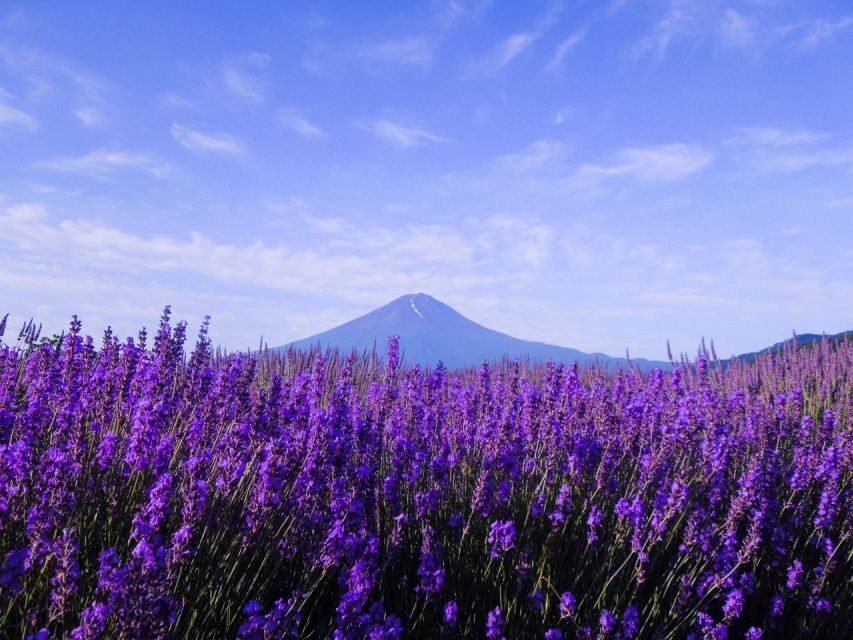
- Summer (June – July): lavender at Oishi Park
This is where you get the “Mt. Fuji as backdrop” look, with lavender fields adding color and texture in front.
- Late summer (August – September): Mt. Fuji 5th Station
This is a big change from garden-style viewpoints. The idea is a closer, higher vantage. If you want your day to feel like it’s getting nearer to the mountain rather than just framing it, this is the season to pick.
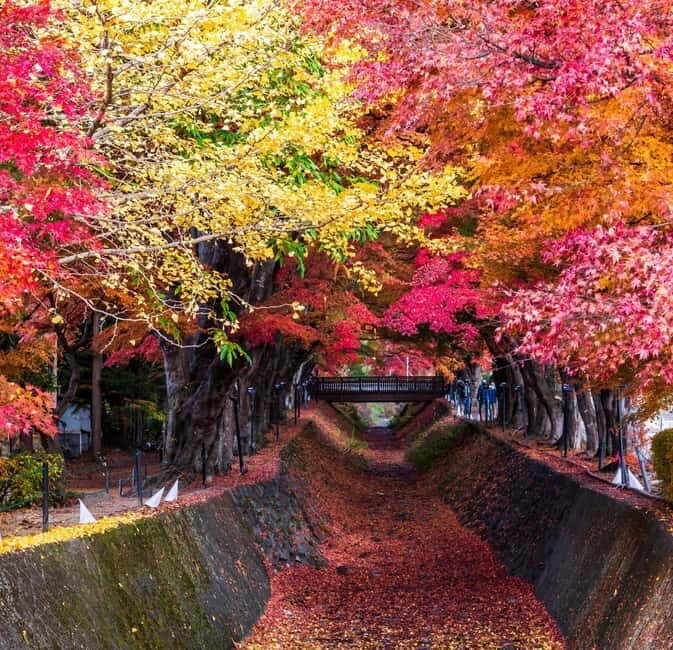
- Autumn (October – November): autumn foliage at Oishi Park or the Momiji Corridor (Maple Leaf Tunnel)
Autumn is all about variation: the leaves can make the views feel layered, not flat. The Momiji Corridor option is especially useful if you like walking through a themed natural tunnel effect.
Why this approach matters: many Mt. Fuji tours try to sell the mountain as one single thing. This one treats it like a different experience every time the season changes. That’s the value—your day doesn’t feel copy-pasted.
Fruit Picking in Yamanashi: Picking, Tasting, and Not Guessing
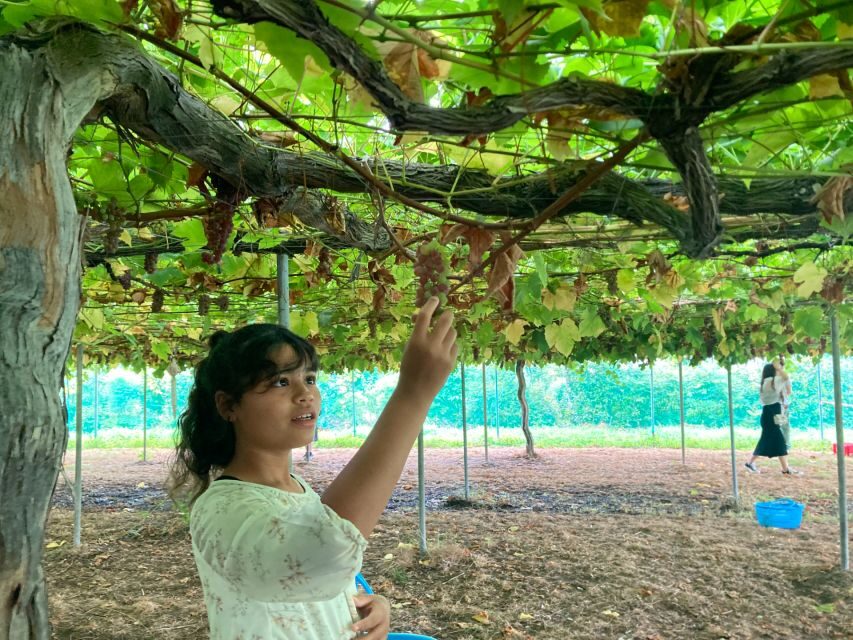
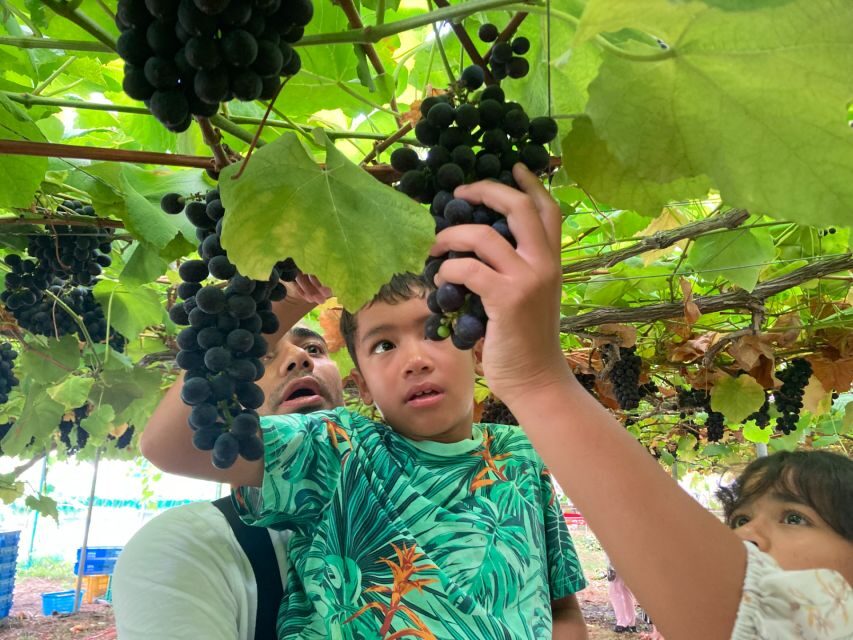
If you’re coming to Japan for more than photos, the fruit picking is a big reason to book. The tour includes orchard admission and an actual schedule of what you can pick.
The fruit schedule listed is:
- Late December – early May: sweet strawberries
- June: Japanese cherry picking
- July: sweet peaches
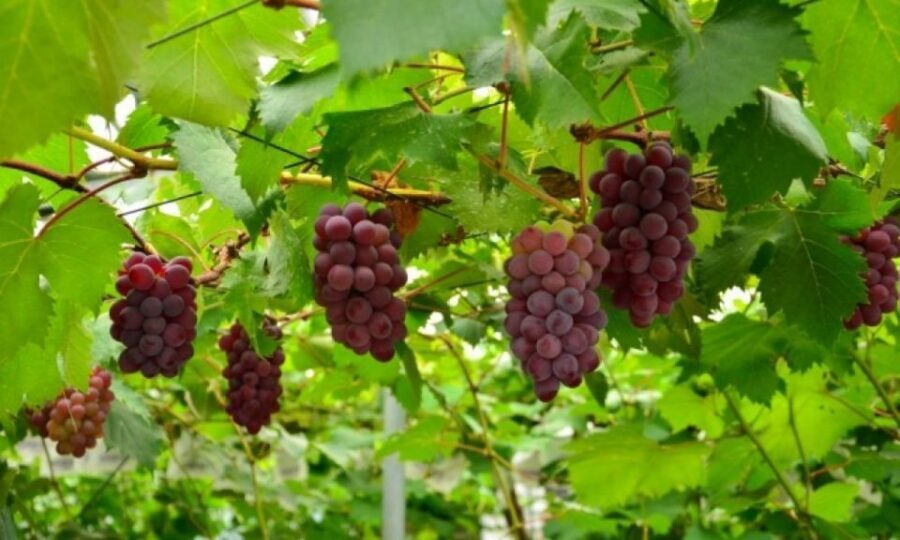
- August – late November: various types of grapes
Depending on the season, you might also experience apple or orange picking. The key word here is depending on season, so don’t expect the same fruit year-round. The whole point is that the orchard work matches the calendar.
What you should take from this, practically: plan to enjoy the picking process rather than treat it like a brief photo stop. You’ll be interacting with seasonal produce in the Yamanashi growing region, and that’s a very different experience from buying fruit in a supermarket back in Tokyo.
There’s also a lunch component right after all the sightseeing: Yamanashi is known for its food, and the tour pairs the region’s flavors with the fruit theme.
Lunch You’ll Actually Remember: Houtou Noodles and Seasonal Vegetables
Lunch is included as part of the package if you select the lunch option. The tour description spells out the meal: Yamanashi thick houtou noodles, pork, and fresh seasonal vegetables.
That combination is a strong fit for this kind of day trip because you need something filling after hours on buses and walkways. Houtou is also region-specific, so you’re not eating the same generic set meal you might get near tourist stations.
There’s also a note for Muslim-friendly meals: if you request that option, the menu contents will be adjusted. So you can feel more confident that dietary needs are handled rather than ignored.
Drinks are not included, so if you think you’ll want something beyond water, plan to buy it separately.






The Driver and Guide Factor: When People Want the Peak
This is where I give extra credit. Mt. Fuji days live and die by timing and visibility. A guide who treats it like a mission can make your day better even when the mountain refuses to cooperate.
In one highlight tied to this tour, the English-speaking guide Christy was accommodating, and the driver understood how eager tourists were to see the peak. They looked for a better spot for a good view. That matters because the difference between a mediocre sightline and a great one is often just a small repositioning at the right time.
So if you book this, I’d set your expectation like this: you’re buying a planned route plus responsive decision-making from the people running the van.
Price and Value: Is $90 Worth It?
At around $90 per person, this tour looks like more than a basic sightseeing bus, mainly because the included items stack up.
You’re getting:
- Air-conditioned bus (Tokyo round-trip)
- English-speaking guide
- Mt. Fuji Panoramic Ropeway gondola ticket
- Orchard admission for fruit picking
- Lunch if the option is selected
- Wi-Fi service
Ropeway tickets and attraction fees add up quickly if you’re buying them separately. Fruit picking isn’t just wandering through a farm—it typically requires organized access, which is part of what you pay for. And the guide saves you from doing the “How do I get there?” math on a single day when weather and seasons are the real variables.
Where the price needs a reality check: your total value depends on what’s included for your booking (especially whether lunch is selected) and how cooperative the weather is. You might still have an excellent day even if Mt. Fuji is dim or hidden, but the star of the show may not always be fully visible.
What Can Go Wrong (and How You’ll Still Get a Good Day)
This tour openly warns you about visibility. Depending on conditions like fog, heavy rain, and high humidity, Mt. Fuji may not be visible. Also, it says there are no refunds for claims related to weather or for schedule changes applied by the guide or staff.
So I’d plan mentally like this:
- Treat Mt. Fuji as a bonus when skies are clear.
- Treat the ropeway and seasonal stops as the core experience that still works even when visibility is imperfect.
Also, if the ropeway doesn’t operate, you’ll be redirected to the Fuji Visitor Center or Oshino Hakkai. That backup plan is a practical advantage. It means the day doesn’t end at the first mechanical or weather-related snag.
Who This Tour Suits Best
This is a good fit if you want:
- A season-based Mt. Fuji day rather than one fixed itinerary
- A mix of scenic viewpoints plus fruit picking
- An English-speaking guide to handle pacing and route decisions
- An included attraction ticket (the ropeway) and a region-specific lunch
It’s especially worth considering if you’re visiting Japan for a shorter stay and don’t want to piece together transport and attraction bookings yourself.
If you’re the type who wants to hike long distances or customize the day hour-by-hour, you may prefer a more independent approach. But for most people who want a smooth, themed day around Mt. Fuji’s changing face, this one makes sense.
Should You Book This Seasonal Mt. Fuji Tour?
I’d book it if Mt. Fuji in different seasons is exactly what you came for. The fruit picking schedule, the ropeway ride, and the seasonal stop list are built to make your day feel tied to the calendar, not just the mountain.
I’d pause if your dates line up with a pattern of poor visibility where you’ll feel disappointed if Mt. Fuji is hazy. Since there are no refunds tied to weather or route shifts, your enjoyment will depend on whether you can appreciate the day even without a perfect peak view.
If you’re flexible and you like the idea of picking fruit in an orchard while the scenery keeps changing, this $90 day trip is a strong value.
FAQ
What is included in the $90 per person package?
You get an air-conditioned bus, the Mt. Fuji Panoramic Ropeway gondola ticket, orchard admission for fruit picking, an English-speaking guide, Wi-Fi service, and lunch if you selected the lunch option.
Where does the tour start, and how do I meet up?
The guide meets you at the meeting point with the HIS logo blue flag or HIS logo meeting board. If you’re coming from JR Shinjuku Station, you walk about 10 minutes from the west exit. If you use Tokyo Metro Marunouchi Line Nishi-Shinjuku Station, it’s about 3 minutes from exit E7.
What fruit will I be able to pick?
The tour lists a seasonal picking schedule: late Dec–early May sweet strawberries, June Japanese cherry picking, July sweet peaches, and August–late November various grapes. Apples or oranges may also be possible depending on the season.
Does this tour guarantee Mt. Fuji will be visible?
No. The tour notes that Mt. Fuji may not be visible depending on weather like high humidity, heavy rain, and fog.
What happens if the Mt. Fuji Panoramic Ropeway does not operate?
If it doesn’t operate, the tour redirects to an alternative destination such as the Fuji Visitor Center or Oshino Hakkai.
Is lunch included?
Lunch is included if you select the option. The described menu includes Yamanashi thick houtou noodles, pork, and fresh seasonal vegetables. A Muslim-friendly meal can be adjusted if requested.
Can children join for free?
Children up to 0–2 years old may join free of charge, but they will not be provided with bus seats or lunch. If you need a seat or lunch, you must book under the child rate.